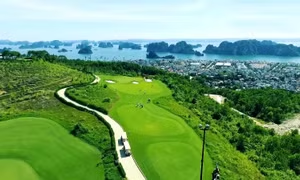
In Quang Ninh’s sustainable tourism development strategy, linking heritage areas not only expands the space for visitor experiences, but also creates more in-depth tourism products and enhances destination value.
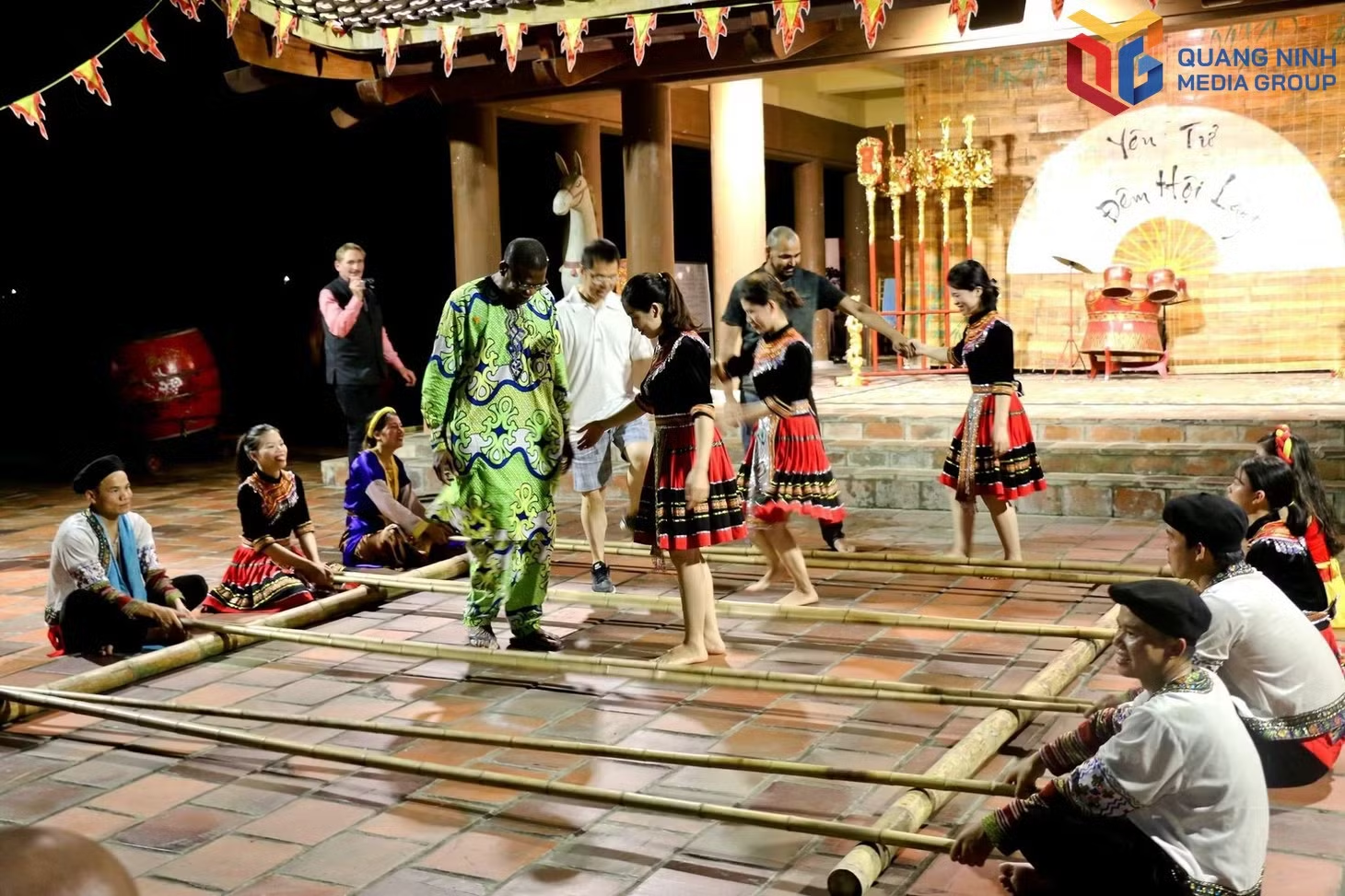
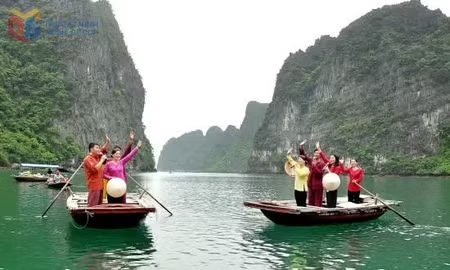
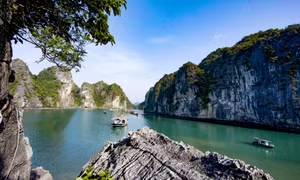
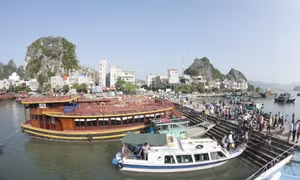
With the Ha Long Bay World Natural Heritage Site serving as the central point of connection, Quang Ninh’s tourism sector has developed routes that expand the marine and island tourism space through the launch of services from Ao Tien Cruise Terminal to Bai Tu Long Bay. Since 2024, Quang Ninh has introduced 10 sightseeing itineraries on Bai Tu Long Bay and three routes linking Ha Long Bay with Bai Tu Long Bay. These journeys combine nature-based tourism and spiritual culture with ecotourism, research, experiences of cultural and historical values, seaside leisure... in Van Don Special Zone
More recently, Quang Ninh opened a tourism route linking Ha Long Bay with Lan Ha Bay in Hai Phong. Two-day, one-night and three-day, two-night itineraries are creating stable, high-quality inter-regional tourism products. The tourism space has been expanded and visitor experiences enhanced, while tourist spending and length of stay have also increased.
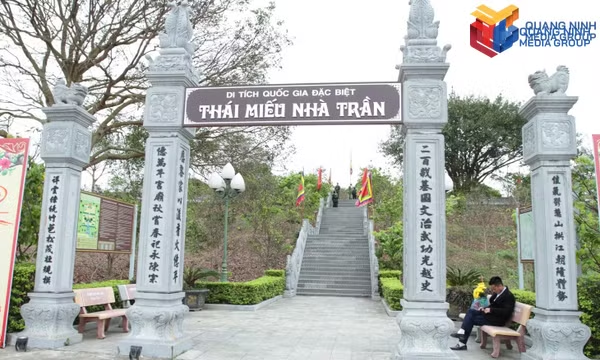
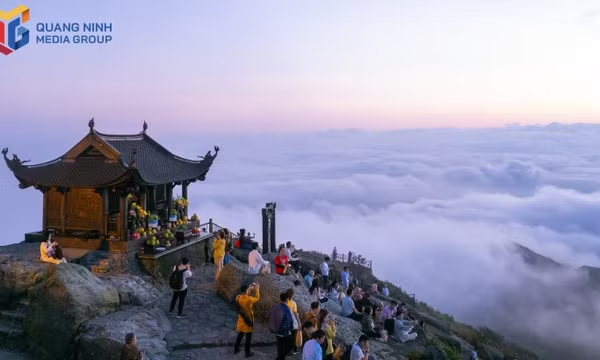
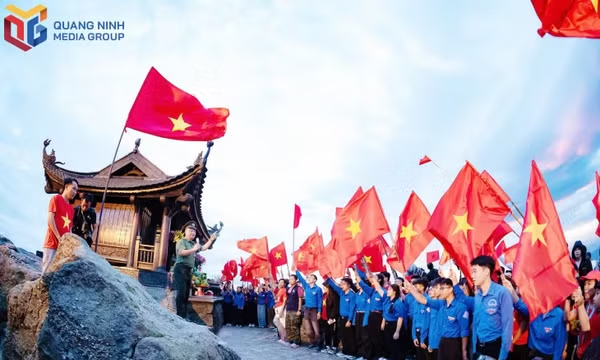
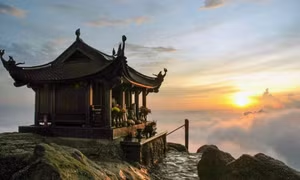
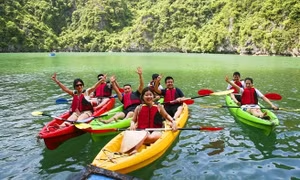
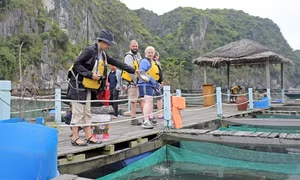
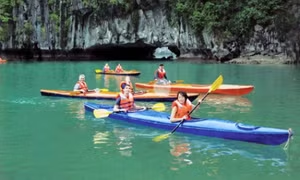
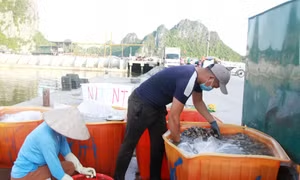
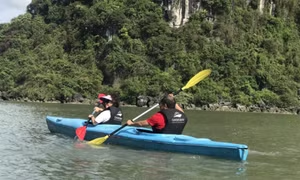
With its rich heritage system, Quang Ninh is home to the Ha Long Bay World Natural Heritage Site and the Yen Tu Complex of Monuments and Landscapes, which forms part of the Yen Tu - Vinh Nghiem - Con Son, Kiep Bac World Cultural Heritage Site. This creates a space linking natural heritage with cultural and spiritual heritage. The Ha Long Bay - Yen Tu journey connecting the two World Heritage Sites has received positive feedback from tourists. Ha Long Bay already offers a diverse range of products, from cave visits, kayaking and exploring fishing-village life to overnight cruises, restaurant cruises and helicopter sightseeing.
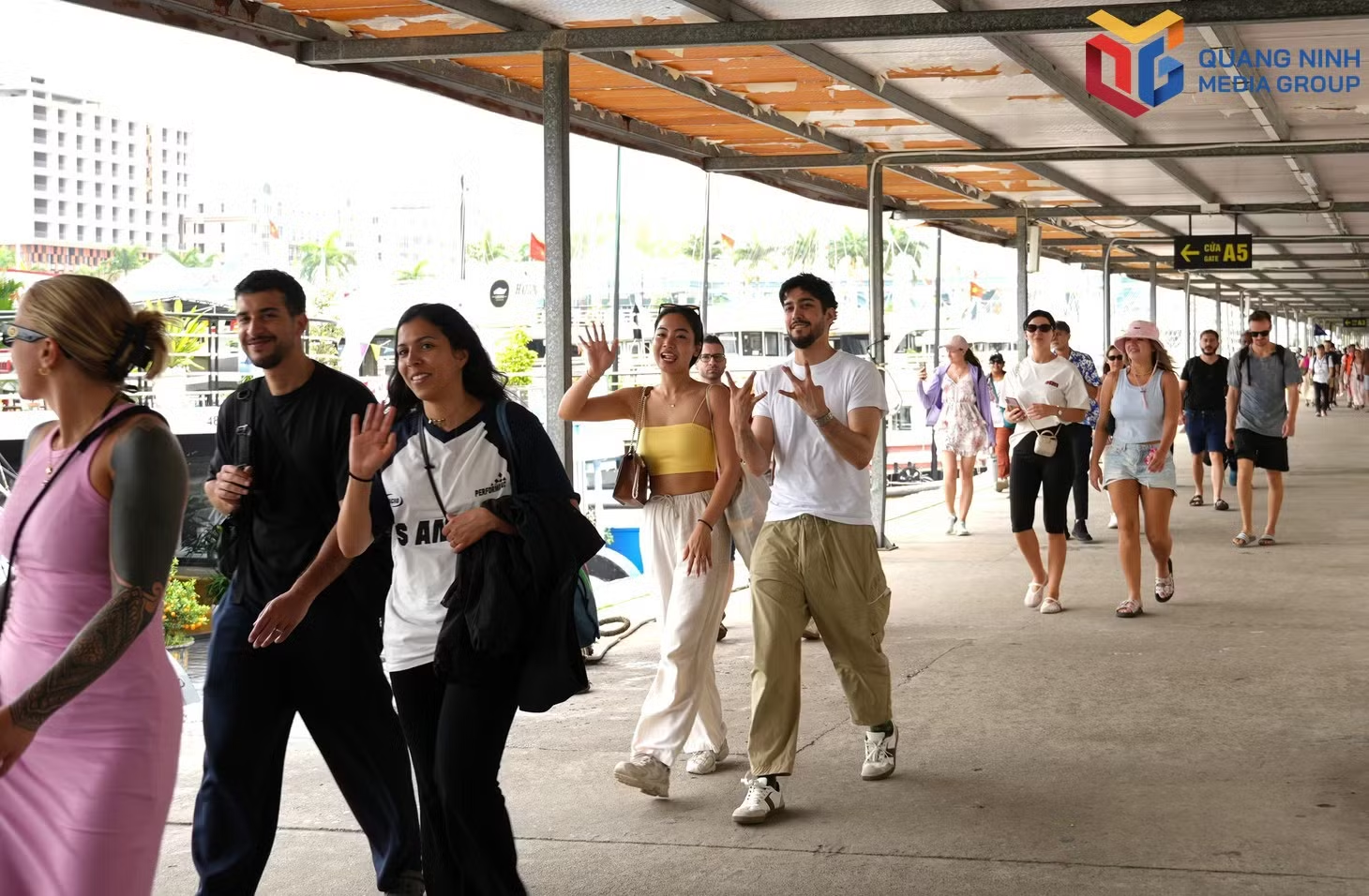
In 2025, the bay welcomed more than 3.5 million tourist arrivals, with direct sightseeing-fee revenue exceeding VND 1 trillion. Yen Tu, meanwhile, stands out for cultural and spiritual tourism while also expanding into meditation, wellness, leisure and products recreating traditional cultural spaces. More than VND 3 trillion mobilised from private-sector resources has contributed to giving this tourism complex a new appearance.
In particular, since its UNESCO inscription, Yen Tu’s appeal has increased strongly. In the first four months of 2026 alone, the heritage site welcomed more than 1 million tourist arrivals, more than double the figure recorded in the same period last year. Along with the effect of its international recognition, the policy of free admission through the end of 2028 and coordinated investment in infrastructure and management technology are creating further momentum for Yen Tu to expand its market.
One of the products initially putting this idea into practice is a three-day, two-night journey developed by Tung Lam Development Joint Stock Company, combining a stay at Legacy Yen Tu with an experience aboard Paradise Vietnam cruise. The notable point is not simply the combination of two destinations, but the way the company has created a seamless chain of experiences, from sea to mountain, from nature to culture, and from leisure to wellness.
Looking further ahead, the Ha Long - Yen Tu axis could become the core for expanding the network of journeys to Con Son - Kiep Bac, Vinh Nghiem, Cat Ba and other heritage spaces in the region. This is also in line with the goal of building an inter-regional heritage ecosystem and making the heritage economy an important component of the creative economy. By 2030, Quang Ninh aims to develop more new products, digitise heritage data, monitor carrying capacity at tourist sites, promote ecotourism, the circular economy and green transport, while increasing revenue from tourism and services associated with heritage.
By Hoang Quynh