Traditional festivals and cultural experiences are giving visitors new ways to discover Quang Ninh's ethnic minority communities. By preserving local heritage and encouraging community participation, the city is developing sustainable tourism that offers travelers authentic experiences while helping residents protect their traditions and improve their livelihoods.
Discovering the cultural heritage of ethnic communities
Home to 43 ethnic groups, Quang Ninh has a rich cultural heritage shaped by generations of traditional festivals, folk music, handicrafts and customs.
Across the city's mountainous, border and island communities, these traditions are becoming an important part of tourism, offering visitors opportunities to explore local ways of life and connect with the people who keep them alive.
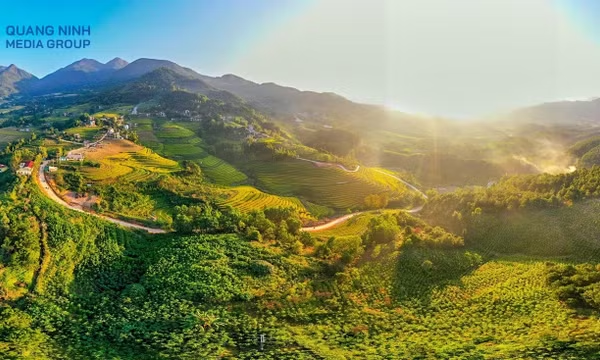
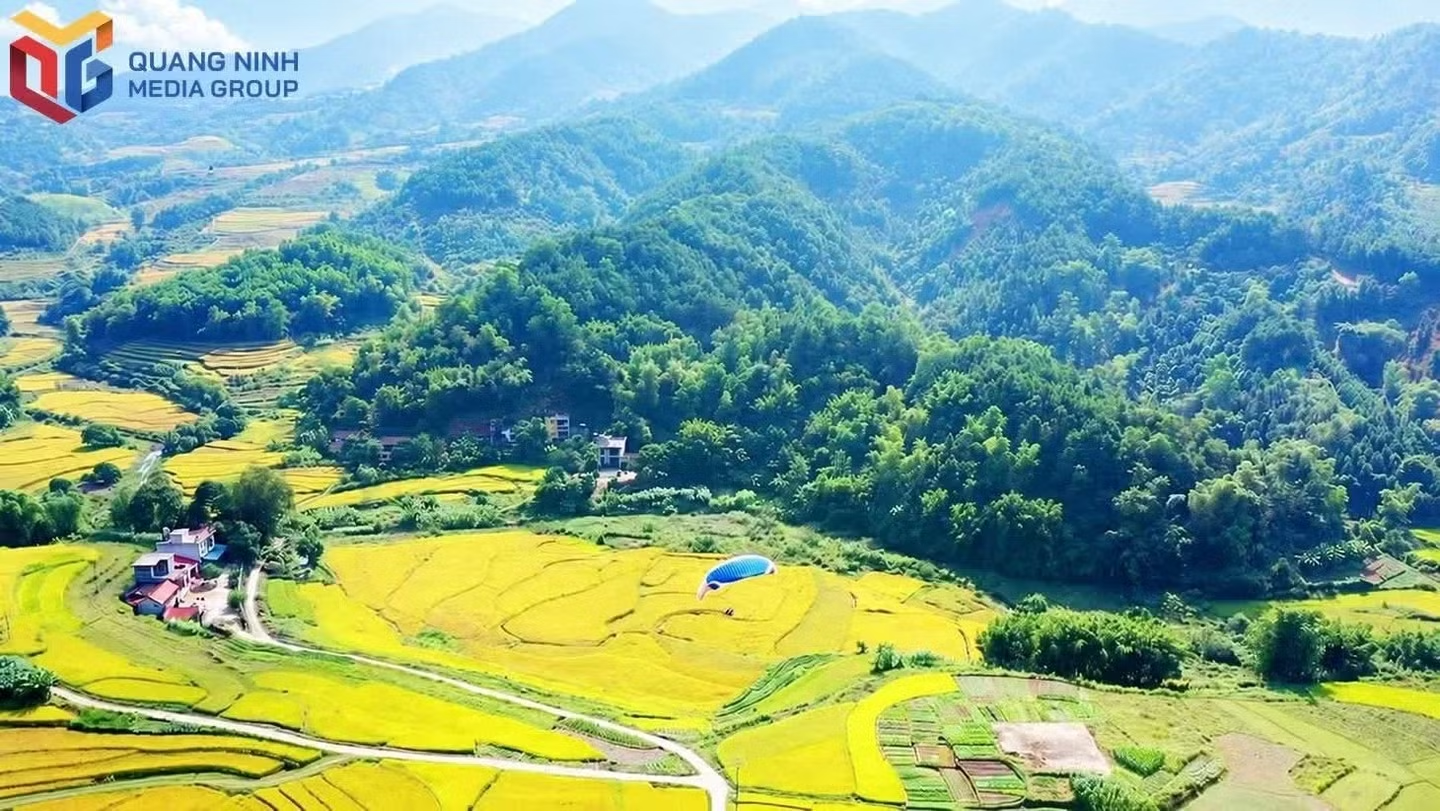
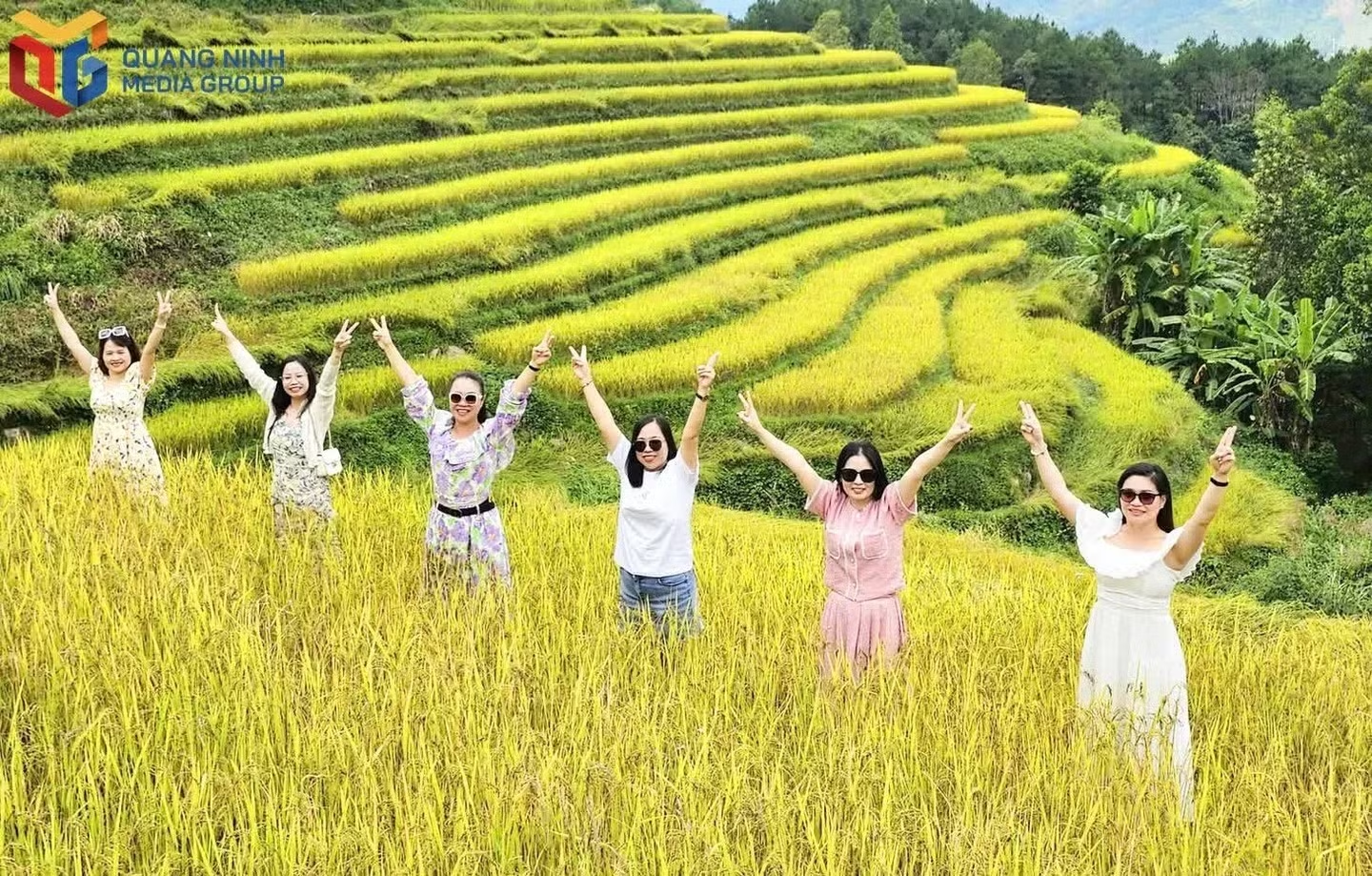
In Luc Hon commune, autumn transforms the terraced rice fields into a golden landscape, providing a scenic backdrop for the annual Luc Hon Golden Harvest Festival. The festival has become a popular seasonal event, combining outdoor adventures with cultural experiences rooted in the traditions of local ethnic communities.
Visitors can explore terraced rice fields, discover landmarks along Vietnam's northern border, visit the historic Luc Na communal house and spend time in Tay villages, where they can enjoy traditional dishes and freshly harvested rice.
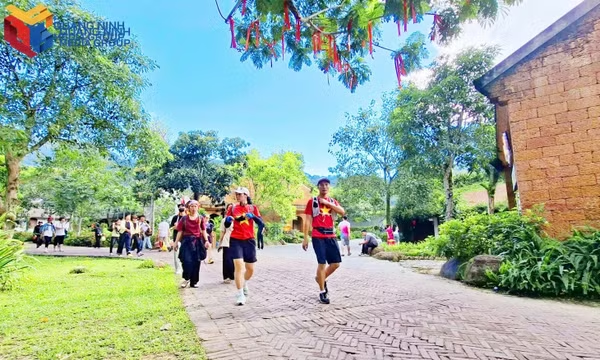
This year's festival features activities throughout October and November, beginning with a trekking and camping event called "Conquering Cao Xiem peak - Camping in the golden harvest season". Participants can hike to Cao Xiem peak, camp in the mountains and enjoy sunrise and sunset views over the autumn landscape.
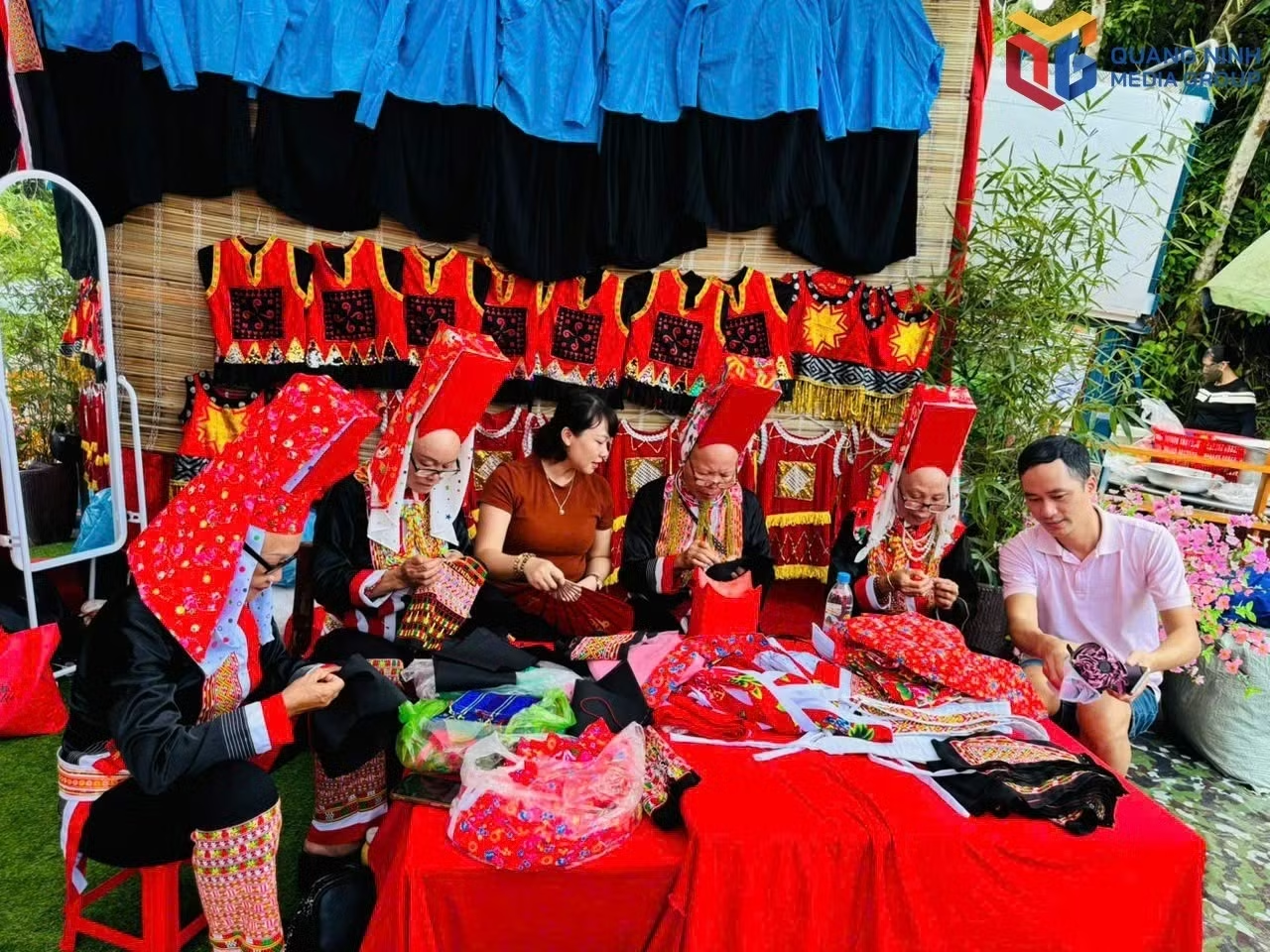
The festival also offers hands-on cultural experiences, including making traditional sticky rice cakes with the San Chi people and learning embroidery techniques used in the traditional clothing of the Dao Thanh Phan and Dao Thanh Y communities. Visitors can enjoy Then singing accompanied by the tinh lute, Soong Co folk songs, traditional dances and ethnic sports.
On Oct. 25, as farmers harvest their golden rice fields, the Tay community will celebrate its traditional New Rice Festival. The event will take place alongside a fashion design and performance competition celebrating the colors of the harvest season.
In November, visitors can join local farmers harvesting rice on terraced fields in Cao Thang and Ngan Vang, gaining firsthand insight into daily life in the highlands.
Nguyen Minh Anh, a visitor from Hanoi, said she had attended the festival before and enjoyed the experience. She plans to return this year to take part in more cultural activities and experience the atmosphere of the border region during autumn.
Similar celebrations take place across eastern Quang Ninh during the autumn and winter months, offering travelers opportunities to discover the traditions of different ethnic communities.
Among them are the Ban Vuong Festival in Ba Che commune, the Duc Ong Hoang Can Temple Festival and the Ethnic Culture and Sports Festival in Hai Lang commune, and the Soong Co Golden Harvest Festival in Dong Ngu commune.
Other festivals held across Quang Ninh in 2026 include the Dong Dinh Communal House Festival and the Ethnic Culture and Sports Festival in Tien Yen commune, the Bang Ca Village Festival at the Dao Thanh Y Cultural Conservation Area in Quang La commune, the Luc Na Communal House Festival in Luc Hon, the Song Mun Festival in Quang Duc and the San Diu community's Dai Phan Festival in the Van Don special administrative zone.
Together, these celebrations provide visitors with opportunities to experience the cultural diversity of Vietnam's ethnic minority communities while supporting efforts to preserve their traditional practices.
Keeping traditions alive through community participation
Across Quang Ninh's mountainous and border areas, local authorities and communities have worked to restore traditional festivals and ceremonies, including some that had nearly disappeared.
The Cai Chien communal house and temple festival was revived after nearly 80 years, while the Dao community's Khoi Kem ritual in Duong Hoa commune has been restored and developed into a festival.
In Dien Xa commune, the Ethnic Culture Festival has been linked with the Ha Lau periodic market, allowing visitors to experience traditional trading activities and community life.
Many festivals combine solemn ceremonies reflecting local spiritual beliefs with folk performances, traditional games and opportunities for visitors to learn about customs passed down through generations.
Rather than presenting cultural heritage solely through staged performances, communities are increasingly inviting travelers to take part in everyday activities, from preparing local dishes and trying on traditional clothing to learning handicrafts and joining folk games.
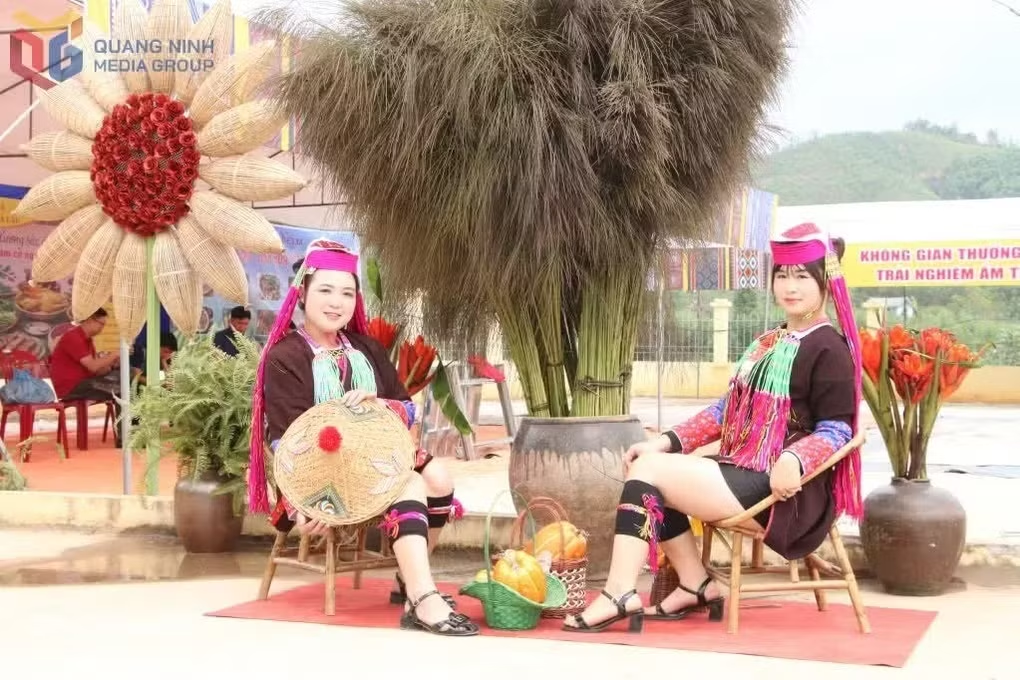
These experiences allow visitors to gain a deeper understanding of local traditions while giving communities a central role in deciding how their heritage is preserved and shared.
In Dien Xa, where Dao and Tay residents account for more than 85% of the population, local authorities have identified traditional culture as a foundation for community-based tourism. Luong Viet Hung, Deputy Secretary of the commune Party Committee and chairman of the Dien Xa People's Committee, said the commune is working with specialists and relevant organizations on a project to preserve and promote the Ha Lau periodic market while developing tourism.
The project draws on scientific research and consultations with cultural experts, with particular emphasis on the active participation of local residents. Community members conduct traditional ceremonies, perform folk songs, make and embroider traditional clothing, and prepare local dishes. They also pass these skills and customs on to younger generations.
According to Hung, this community-led approach helps preserve the authentic character of local traditions while encouraging residents to take pride in protecting their cultural heritage. It also creates opportunities for visitors to learn directly from the people who practice and sustain these traditions.
Cultural preservation at the heart of sustainable development
Quang Ninh's efforts to preserve traditional festivals and develop community-based tourism reflect Vietnam's broader cultural development strategy, which places cultural heritage, national identity and community participation at the heart of sustainable development.
As Vietnam deepens its international integration, the country is seeking to preserve its cultural traditions while encouraging cultural exchange and the development of creative industries. A resolution adopted at the 14th National Party Congress calls for developing cultural industries, strengthening Vietnam's national brand and expanding markets for cultural products and services.
The policy reflects a broader approach to cultural development that seeks to protect national identity while creating opportunities for cultural traditions to thrive in a changing society.
A separate resolution issued by the Politburo on Jan. 7, 2026, Resolution No. 80-NQ/TW, identifies investment in culture as an investment in the country's sustainable development and future. It emphasizes the importance of cultural development in nurturing creativity, strengthening national identity, improving people's lives and preserving the values that distinguish Vietnam's cultural heritage.
In Quang Ninh, these priorities are taking shape through efforts to restore traditional festivals, support local artisans and encourage ethnic minority communities to share their cultural heritage with visitors.
The approach also aligns with the city's tourism development strategy, which emphasizes green growth, cultural preservation and meaningful travel experiences that benefit both visitors and host communities.
Rather than focusing solely on visitor numbers, Quang Ninh is seeking to develop tourism experiences that respect local traditions, protect natural landscapes and encourage deeper connections between travelers and communities.
For visitors, this means more opportunities to explore cultural heritage beyond conventional sightseeing, from learning traditional crafts to taking part in seasonal celebrations and experiencing everyday life in ethnic minority villages.
For local communities, it means greater opportunities to preserve their customs, pass cultural knowledge to younger generations and benefit from tourism without losing the traditions that make their communities distinctive.
Creating lasting benefits for visitors and local communities
Quang Ninh has recently invested in researching, restoring and safeguarding the cultural heritage of ethnic minority groups. Its initiatives include projects to preserve traditional customs, develop cultural conservation plans and support community-based tourism in ethnic minority villages.
One major initiative focuses on preserving and promoting the cultural values of selected ethnic minority villages through community-based tourism for the 2021-2025 period, with a vision to 2030. Several localities have also developed their own plans to protect distinctive cultural traditions and introduce them to visitors.
Additionally, Quang Ninh continues to survey, document and inventory tangible and intangible cultural heritage to identify appropriate preservation and restoration measures. The city's culture, sports and tourism sector also supports training for local residents, helping communities develop the skills needed to participate in tourism while maintaining their traditional livelihoods and cultural practices.
Quang Ninh currently has more than 100 festivals, including 76 listed in its inventory of intangible cultural heritage. Many are closely associated with ethnic minority communities and their traditional beliefs, customs and ways of life. By encouraging residents to lead cultural activities and pass their knowledge to younger generations, Quang Ninh seeks to ensure that tourism supports the preservation of living traditions rather than reducing them to performances for visitors.
Community-based tourism also creates opportunities for local families, artisans and small businesses to earn income through traditional food, handicrafts, cultural activities and hospitality services.
For travelers, these experiences offer a chance to discover Vietnam's cultural diversity beyond its better-known attractions, meet local people and gain a deeper understanding of traditions that have shaped communities for generations.
The approach also reflects a central principle of Vietnam's cultural development policy: Cultural heritage is not simply a legacy of the past but a living resource that can enrich people's lives and contribute to sustainable development.
By connecting cultural preservation with responsible tourism, Quang Ninh is working to protect its heritage while creating meaningful experiences for visitors and lasting benefits for the communities that keep these traditions alive.
Traditional festivals have become an important part of its identity as a destination where travelers can explore natural landscapes, connect with local communities and experience the cultural diversity of Vietnam. The goal is to ensure that these celebrations remain meaningful to the people who have maintained them for generations while giving visitors authentic experiences that deepen their understanding of the country's cultural heritage.