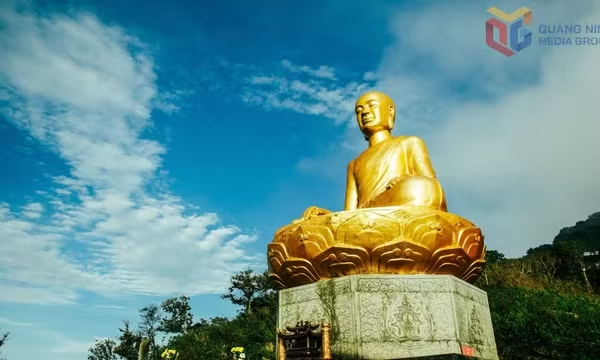
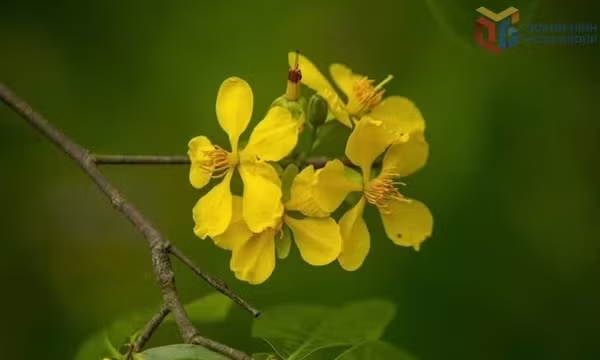
The former Dong Trieu area, now comprising the five wards of Dong Trieu, An Sinh, Binh Khe, Mao Khe and Hoang Que, is regarded as the ancestral homeland of the Tran Dynasty. It was also the ancestral land to which Tran kings “returned to their roots”, and is closely associated with the Truc Lam Zen Buddhist school founded by King-Buddha Tran Nhan Tong.
In ancient times, Dong Trieu belonged to Tuong district and was known as Yen Sinh. During the Period of the Twelve Warlords (966-968), it was renamed An Sinh. Around the 12th century, Tran Kinh, who lived in An Sinh, travelled far from home to fish and found extensive alluvial land along the coast of Thien Truong that could be reclaimed for farming. He mobilised members of his clan and recruited migrants to settle there, build dykes and dig waterways. Within a relatively short period, the area developed into prosperous villages, which he named Tuc Mac.
In the spring of 1237, King Tran Thai Tong granted Tran Lieu the lands of Yen Phu, now part of Hai Phong City, and Yen Duong, Yen Sinh, Yen Hung and Yen Bang, now part of Quang Ninh City, as his fief. From 1299, after becoming the First Patriarch of the Truc Lam Zen Buddhist school, King-Buddha Tran Nhan Tong had his disciples build numerous pagodas and stupas across the Dong Trieu area.
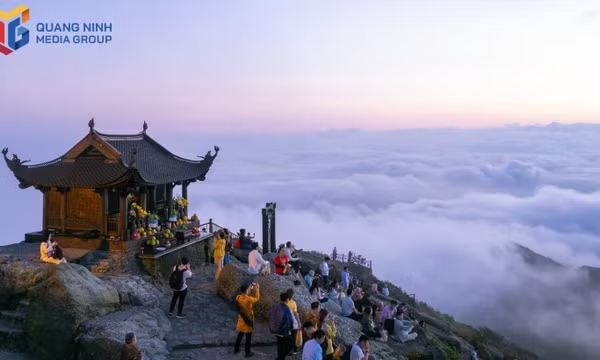
On November 1, 1308, King-Buddha Tran Nhan Tong entered Nirvana. According to the Complete Annals of Dai Viet, Patriarch Phap Loa cremated the former emperor’s body. Part of his relics were taken to Tu Phuc Pagoda, part were interred at Quy Duc Mausoleum in Long Hung, part were placed in Hue Quang Stupa at Yen Tu, and part were enshrined at Bao Thap in Ngoa Van Hermitage, now in Binh Khe ward.
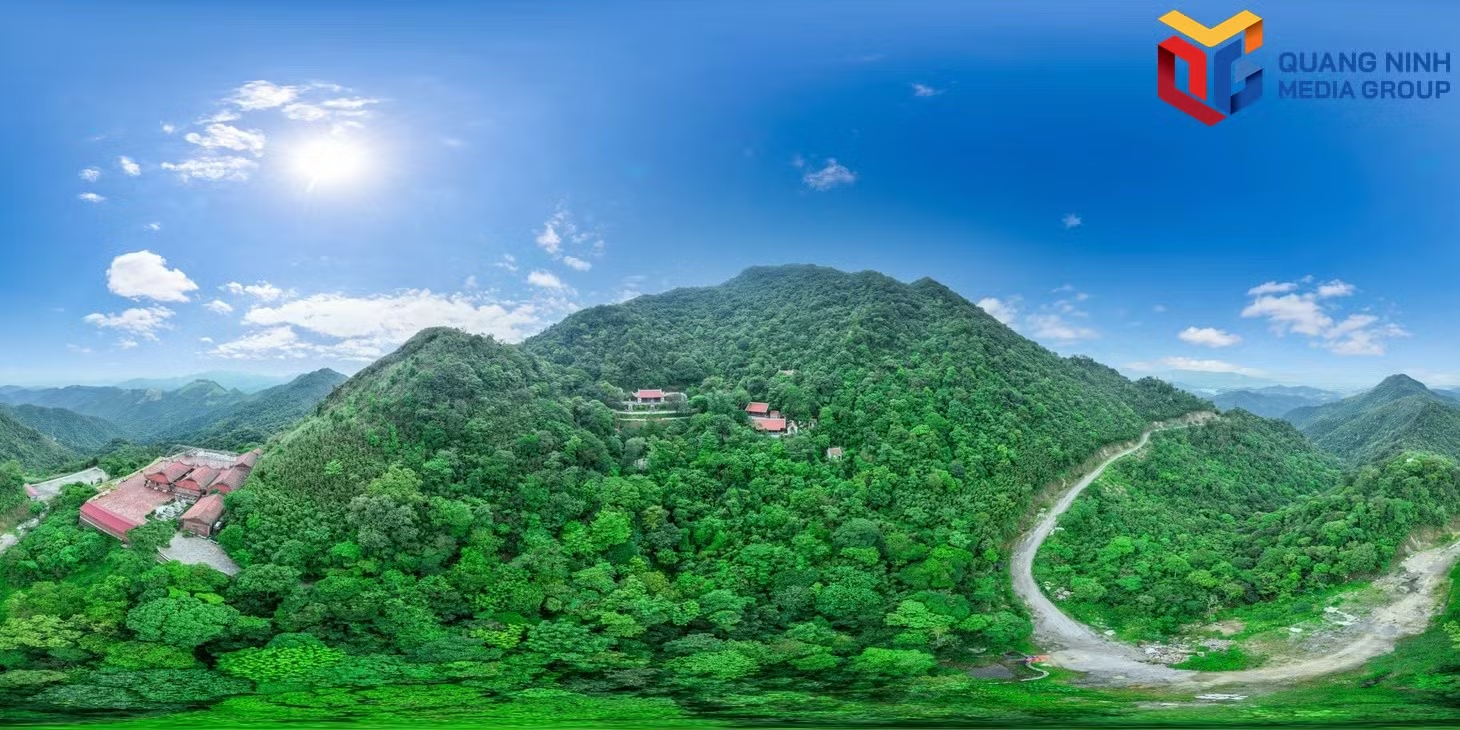
This event marked a change in the royal court’s choice of land for ancestral temples and royal tombs. Previously, the tombs of the early Tran kings had been located at Quac Huong in Nam Dinh, now part of Ninh Binh, and Thai Duong and Long Hung in Thai Binh, now part of Hung Yen. From then on, the royal court returned to its ancestral homeland of An Sinh to select auspicious sites for the burial of deceased king. In 1320, King-Buddha Tran Anh Tong was buried at Thai Mausoleum in Yen Sinh.
During the reign of King Tran Du Tong (1341-1369), An Sinh was renamed Dong Trieu. In 1357, King Minh Tong was buried at Muc Mausoleum in Dong Trieu. In 1369, King Tran Du Tong was buried at Phu Mausoleum in Dong Trieu. In 1377, King Tran Due Tong was killed in battle in Champa and was later brought back for burial at Hy Mausoleum in Dam Thuy.
In 1381, to avoid raids by Champa forces, the Tran Dynasty had remains from royal tombs in Thai Binh and Nam Dinh transferred to Tu Phuc Mausoleum in Dong Trieu for worship. The Complete Annals of Dai Viet records: “In the sixth month, sacred images from the royal tombs at Quac Huong in Nam Dinh, and Thai Duong, Long Hung and Kien Xuong in Thai Binh were moved to the great mausoleum at Yen Sinh to avoid raids by Champa.”
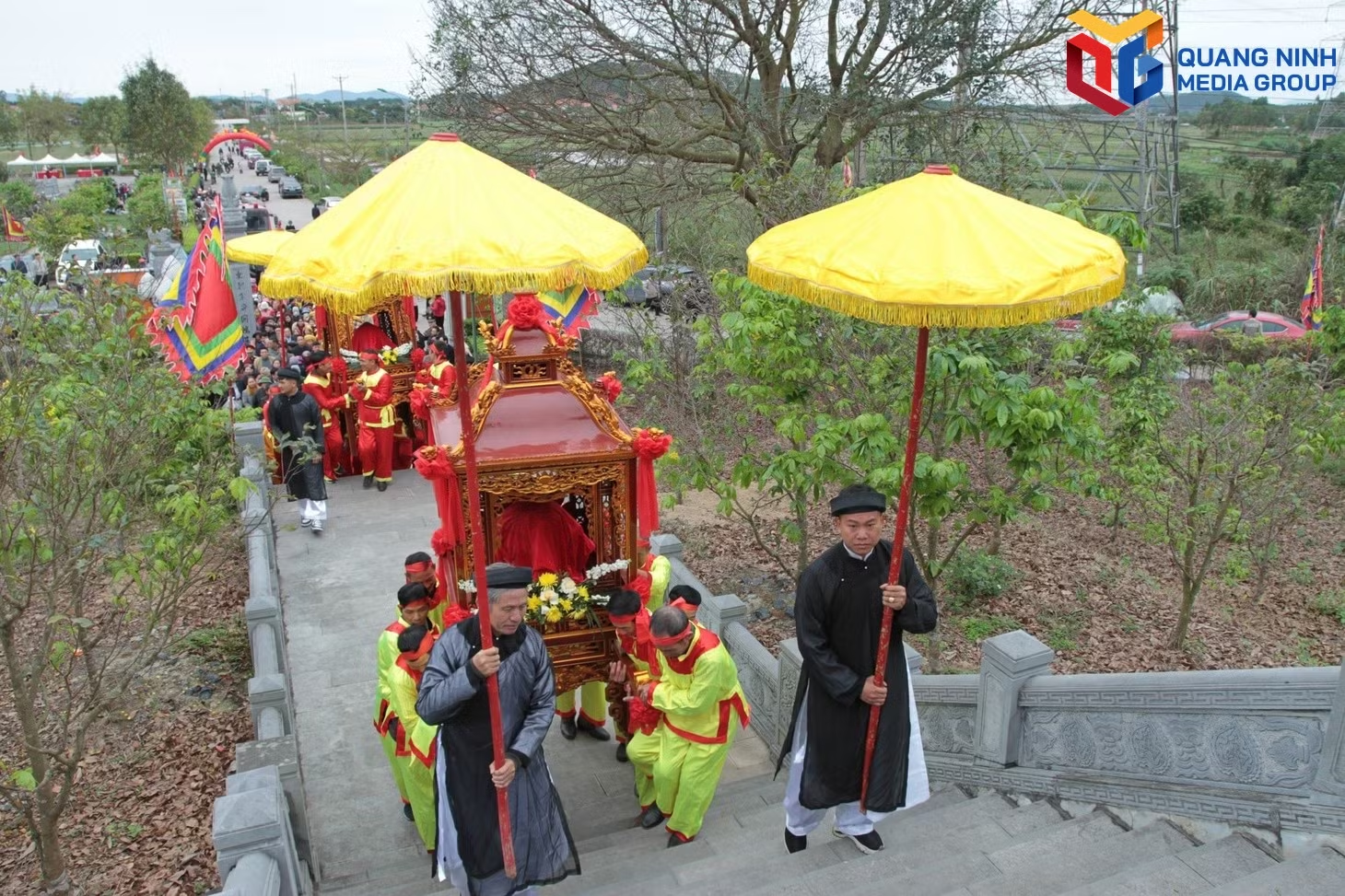
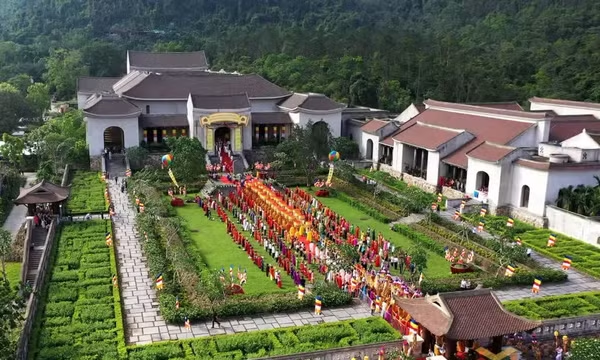
Thus, by 1381, most tombs of Tran kings had either been built or relocated to Dong Trieu. Alongside the construction of royal tombs, the court also built temples and shrines for worship. Together with the system of pagodas and stupas, these structures formed a complex bearing strong imprints of the Tran Dynasty, later collectively known as the Tran Dynasty Historic Relic Area in Dong Trieu.
Today, Dong Trieu is the name of a ward in Quang Ninh City. The former Dong Trieu area is now divided into five wards - Dong Trieu, An Sinh, Binh Khe, Mao Khe and Hoang Que - all within Quang Ninh City.
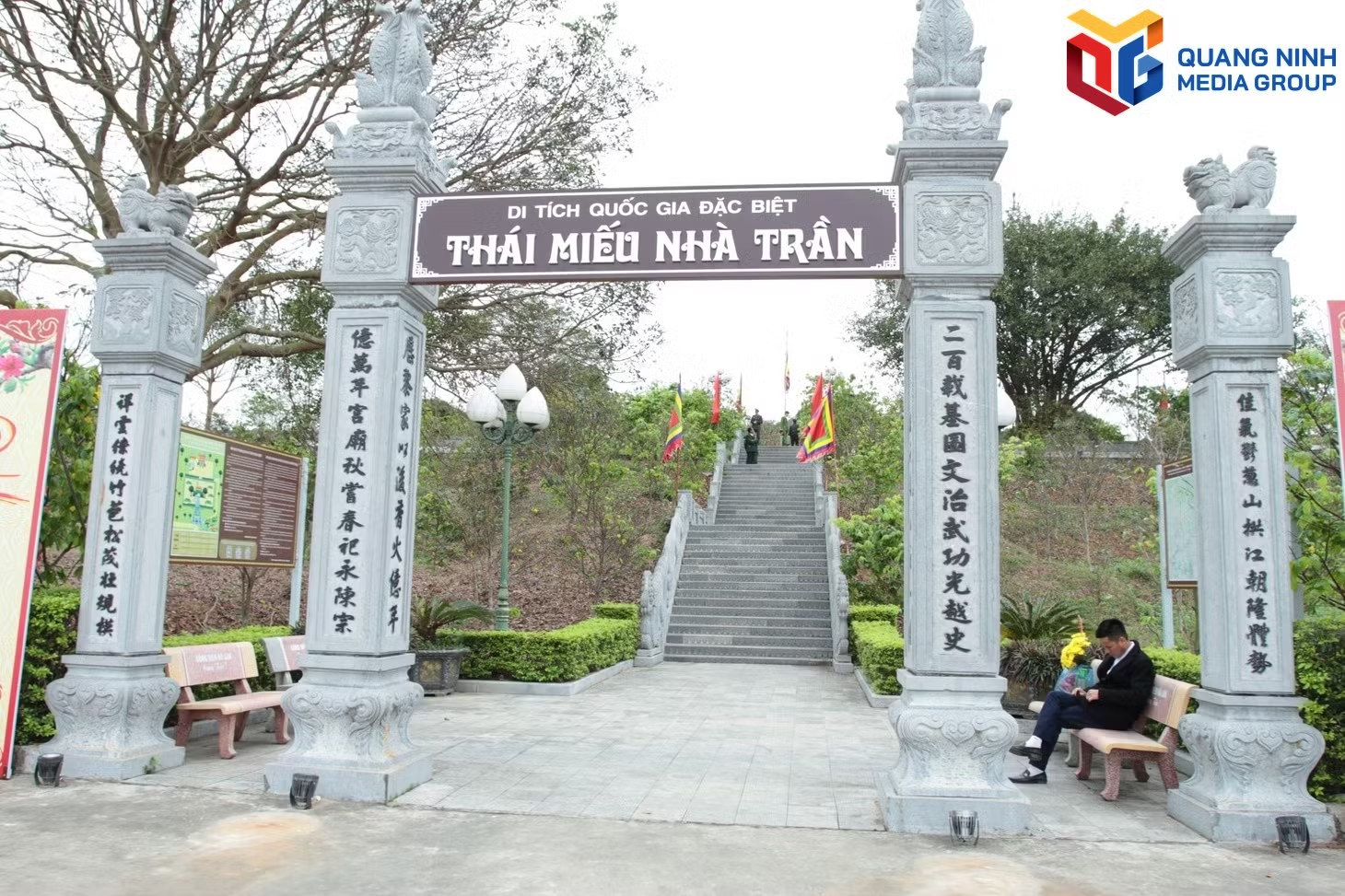
The Tran Dynasty Historic Relic Area in Dong Trieu was recognised by the Prime Minister as a Special National Relic in 2013. Two relic sites, Thai Mieu Shrine (Imperial Ancestral Shrine) and the Ngoa Van Hermitage-Pagoda relic cluster, are part of the Yen Tu - Vinh Nghiem - Con Son, Kiep Bac Complex of Monuments and Landscapes, which has been recognised by UNESCO as a World Cultural Heritage Site.