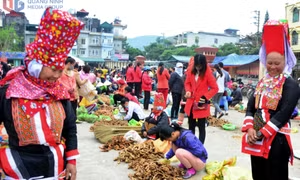
As Quang Ninh continually renews its tourism products, the province is cementing its position not only through internationally recognised brands but also by persistently awakening indigenous values, creating distinctiveness and turning culture into a “magnet” that keeps visitors coming back.
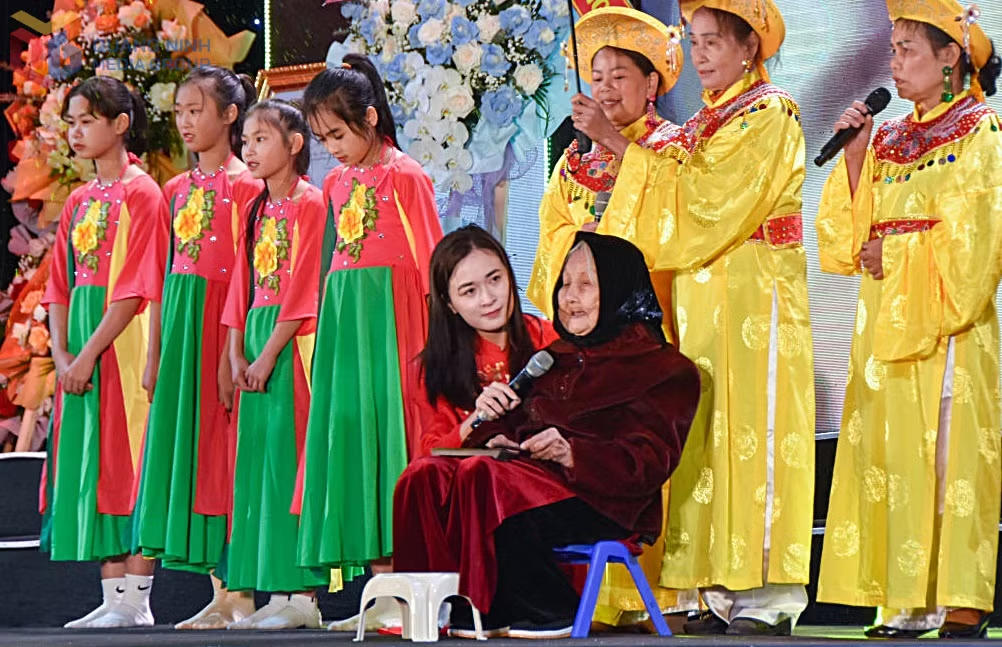
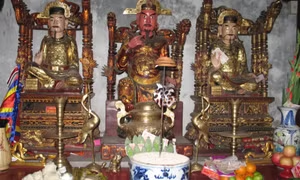
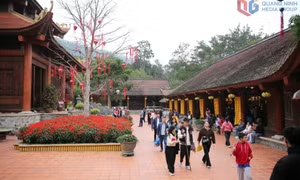
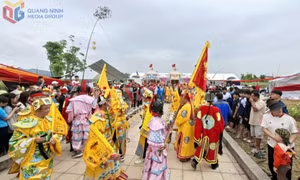
While many localities choose to invest in large-scale facilities, Dam Ha derives its charm from modest cultural values: festival drums, old-age songs and cua dinh dancing. In a small house in Dam Buon Quarter, the sound of wooden clappers can still be heard every day. At the age of 105, People’s Artisan Dang Thi Tu remains devoted to passing down traditional melodies to the younger generation. Her daughter, Luong Thi Tuyet, and members of the Dam Ha Commune Nha to Singing Club continues to maintain regular activities and perform at cultural and tourism events. According to her, only when heritage steps out of festival spaces to comes closer to the public and visitors can the vitality of culture truly be sustained.
Vice Chairwoman of the Dam Ha Commune People’s Committee Hoang My Linh noted that the locality is stepping up the digitalisation of archives, maintaining local clubs, expanding instruction in schools and linking nha to singing with experiential products at festivals and cultural destinations. The objective is not only to preserve the heritage, but also transform heritageinto a resource that shape a distinctive identity for Dam Ha tourism. This is also how Dam Ha encourages visitors to stay longer, ensuring that when they leave, they take with them not only stunning photographs but also lasting impressions of a land rich in tradition.
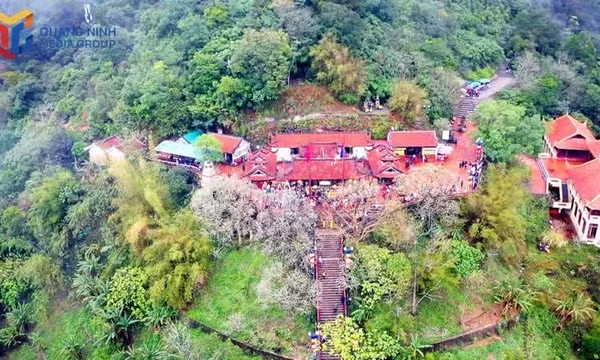
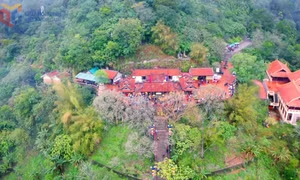
While Dam Ha attracts visitors through the depth of its maritime culture, the border communes of Hoanh Mo and Luc Hon draw them with the unspoilt beauty of the mountains and forests and the cultural identities of local ethnic groups. In the past, tourism here was generally busiest only from October to December. In recent years, however, visitors have been arriving year-round.
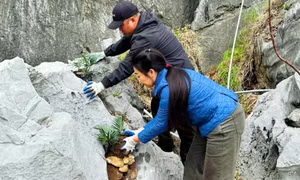
Born and raised in Luc Hon commune, Hoang Thanh Quang, a member of the Tay ethnic group, has worked as a community tour guide for nearly seven years. He began by guiding visitors free of charge and gradually became an “ambassador” introducing highland culture to travelers. He not only guides tourists to conquer the “dinosaur spine”, Cao Xiem Peak and Khe Van Waterfall, but also tells them about Then and Soong Co singing, the Kieng Gio Festival and customs that have been part of the lives of the Tay, Dao and San Chi communities for generations.
Quang shared that visitors previously came mainly from northern Vietnam, but in recent years many groups from the south have also travelled to the area. They are attracted not only by the scenery but also by dishes rich in local flavours.
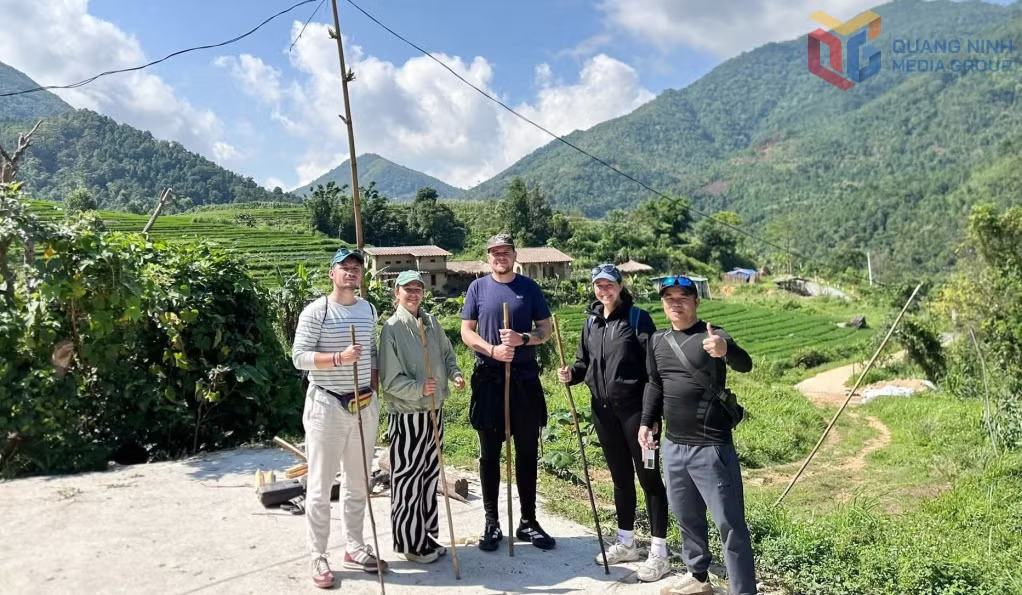
Bringing local culture closer to international visitors is also the work of Vi Lam, a guide specialising in serving tourists from Asia and Europe. According to Lam, what impresses foreign visitors is not elaborately staged performances but the simple daily lives of local residents. They enjoy walking through star anise and cinnamon forests, visiting old rammed-earth houses, sharing meals with local families, listening to stories about customs and traditions, and experiencing the slow pace of life amid the mountains and forests - an experience that not every destination can offer.
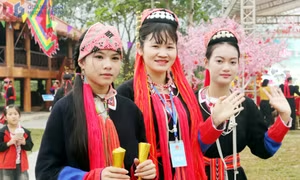
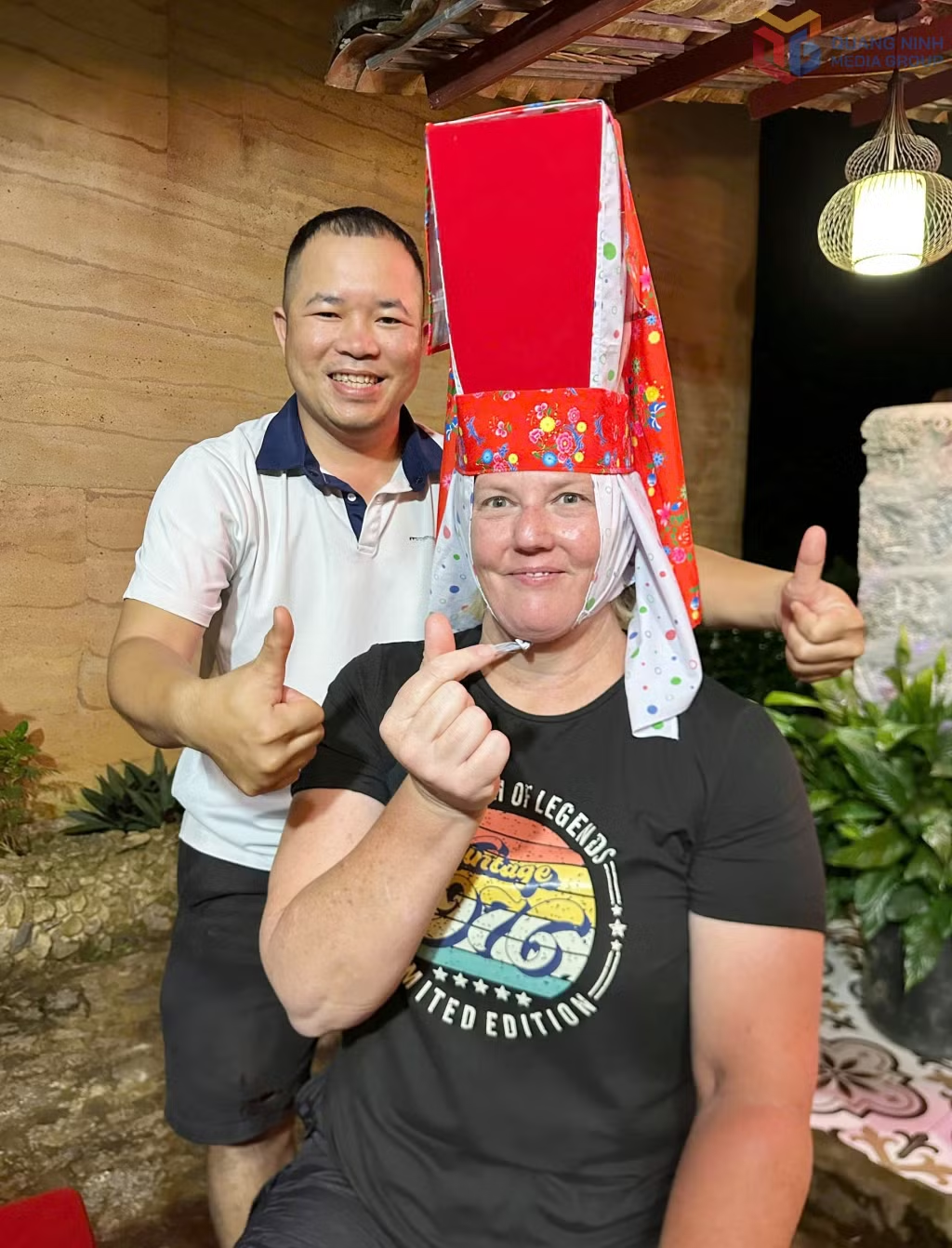
This pristine charm has evoked deep emotions in many international visitors. During a three-day, two-night journey in late July 2026, Kristy Shooter, a tourist from Australia, and her friends trekked along the Khe Tien–Song Mooc route, climbed Cao Ly Peak, bathed beneath a cool waterfall and dressed in traditional Dao clothing. Shooter said with emotion: “The scenery here has an unspoilt natural beauty. The people are sincere and hospitable. Wearing traditional Dao attire was a very special experience. I will definitely come back.”
From nha to singing beside the Dam Ha communal house to Then melodies echoing through the mountains and forests, and from folk festivals to meals rich in local flavours, all are helping create distinctive tourism products. Through these products, culture is not only preserved but also becomes a resource for development, enabling each locality to tell its own story through its most original values. This is also the path for Quang Ninh tourism to take cultural identity as its foundation, place people at the centre and turn every trip into a journey of cultural discovery.
By Duong Truong