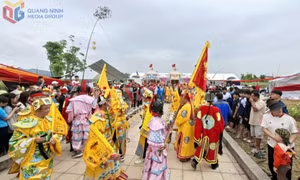
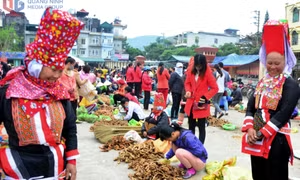
For generations, the Dao Thanh Y people in Quang La have preserved many aspects of their traditional culture. Among them, brocade costumes distinguished by indigo hues, embroidery and unique patterns remain an enduring expression of their way of life, skilled craftsmanship and a cultural legacy passed down through generations.
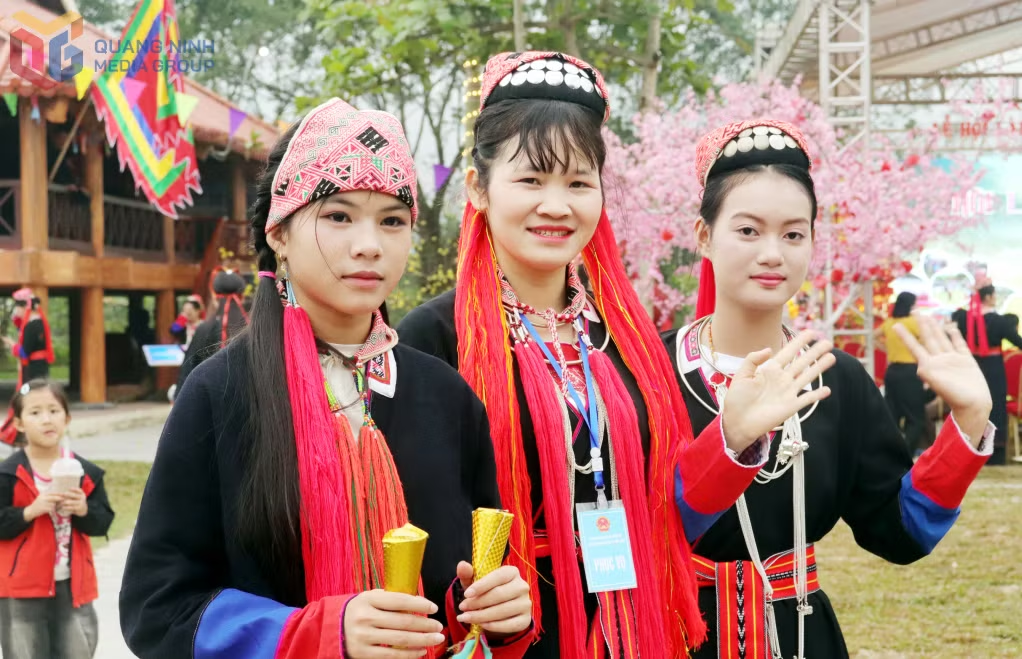
Visitors to the festival space of the Dao Thanh Y people in Bang Ca, Quang La commune, are likely to be impressed not only by the traditional dances and distinctive cuisine, but also by the colours of brocade, ways of life and customs that have been preserved there for generations.
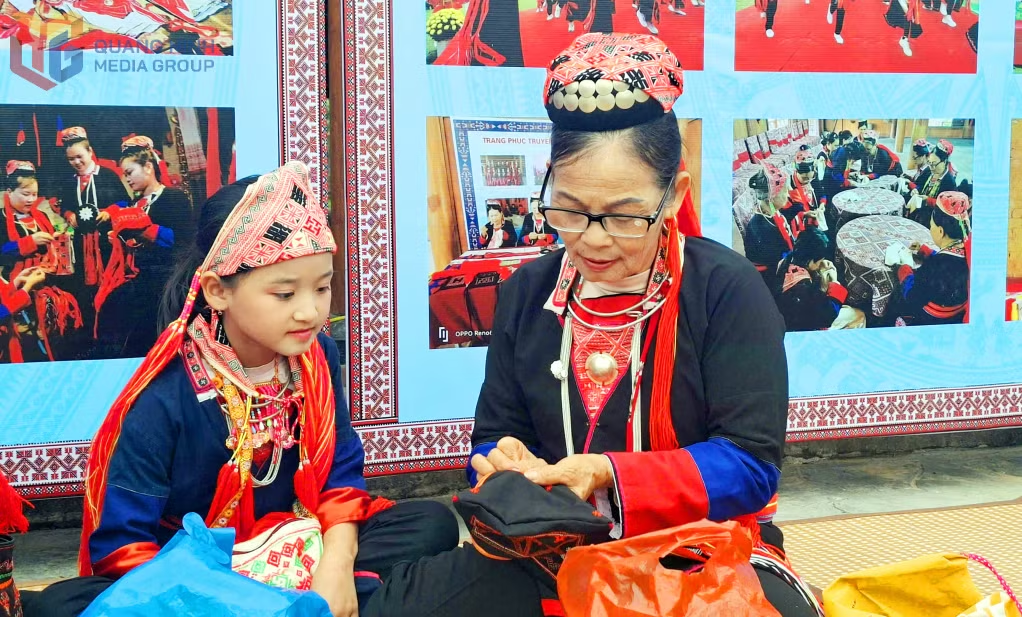
According to elderly residents in the commune, brocade embroidery and sewing have long been a fine custom and tradition among Dao Thanh Y women. They learn the craft from their mothers and grandmothers. Rather than studying from books, Dao Thanh Y women mainly learn embroidery through observation and hands-on guidance from older generations, then practise over the years to improve their dexterity and make their stitches increasingly even.
Dao Thanh Y women’s costumes are distinguished by vivid yet harmonious colours. Red, white and blue motifs are embroidered on the black-indigo backgrounds of headscarves, bodices, collars, sleeves and waistbands, drawing inspiration from flowers, leaves, birds and geometric shapes. Each outfit is the result of great skill and meticulous work in every stitch. The patterns are embroidered with fine needles, and the stitches must be even and firm to create balance and harmony.
While women’s costumes are the most colourful and elaborate, Dao Thanh Y men’s clothing is simpler, with an emphasis on neatness and practicality, making it suitable for work and community activities. On important occasions such as weddings and festivals, the attire becomes more formal with headwear, waistbands and jewellery. The ritual master’s costume, meanwhile, is reserved for sacred rituals. It is elaborately embroidered with dense patterns and used during important ceremonies.
On festive occasions, particularly weddings, costumes are embroidered and sewn with great care and in bright colours, with a layer of white fabric lining the inside. The bride’s outfit is distinguished by eight decorative scarves, four at the front and four at the back. They are usually made from indigo fabric or silk and embroidered with red wool in intricate patterns. All eight scarves must be uniform and identical in every detail, so completing them can take several months.
For adult women, ceremonial attire also includes an elaborately made indigo-fabric hat adorned with white silver, a valuable asset preserved by many families. The inside of the hat is lined with loofah fibre taken from mature gourds that are dried and crushed before being inserted, making the hat more durable and comfortable to wear.
To preserve their cultural identity, residents of Bang Ca maintain classes in brocade embroidery, Nom Dao script and folk songs, while artisans continue passing the craft on to younger generations. Traditional costumes remain present at festivals, weddings and important ceremonies. Brides wear traditional attire, while new brides entering their husbands' families also perform the ritual of putting on traditional clothing upon entering their new home. This is how the Dao Thanh Y people preserve their identity and pride.
By Ta Quan