With its distinctive cultural heritage, Quang Ha commune is working to “awaken” this valuable resource and turn it into unique cultural industry products, making a practical contribution to local development.
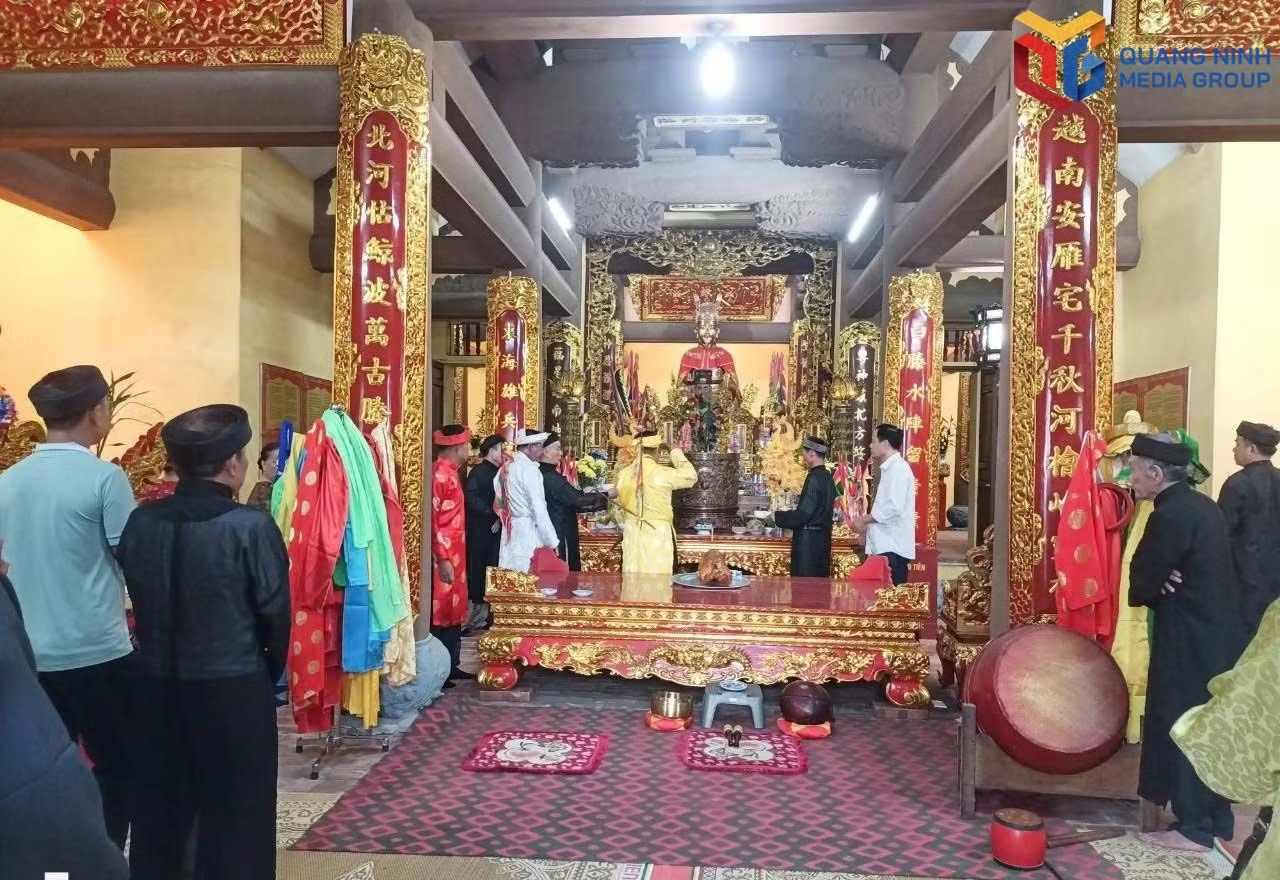
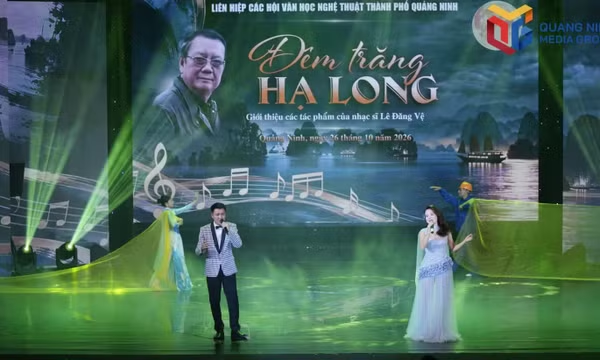
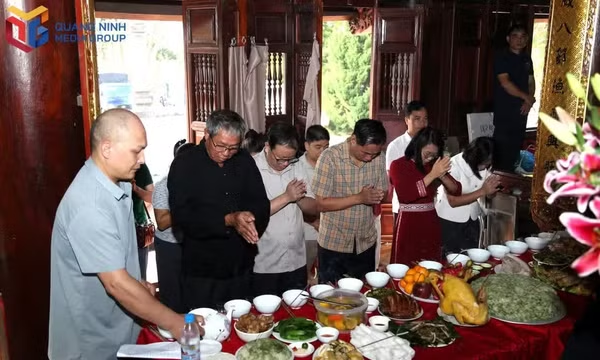
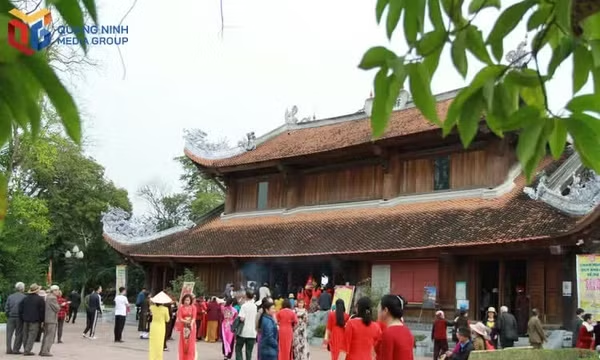
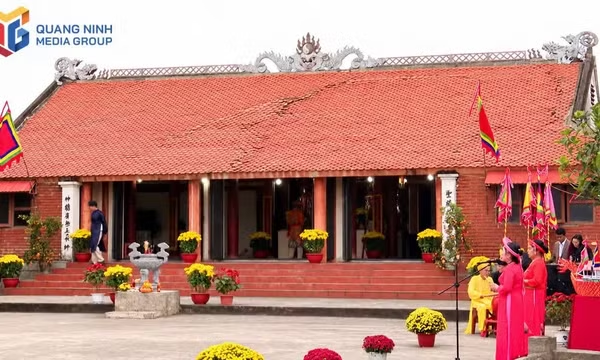
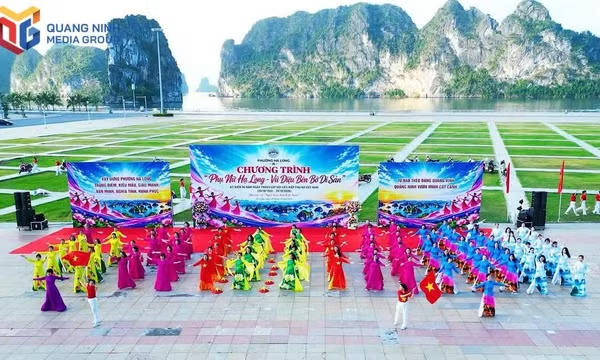
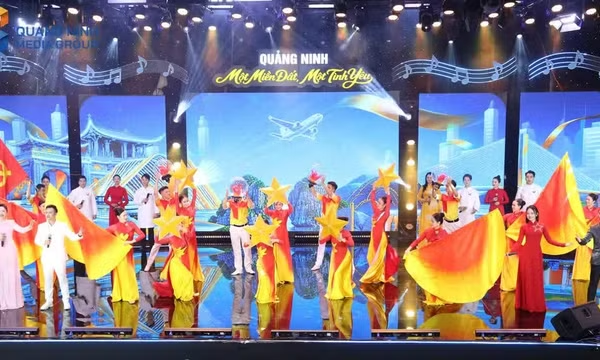
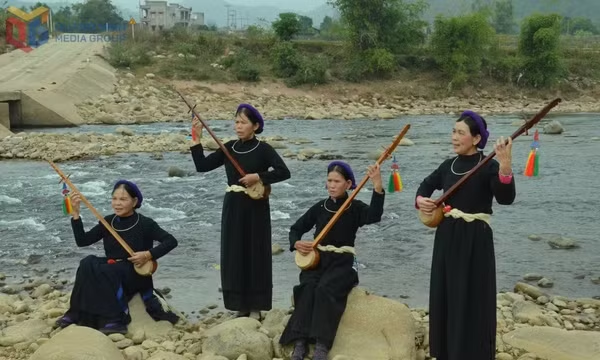
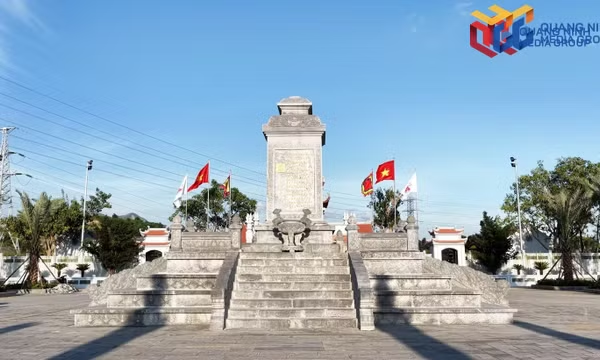
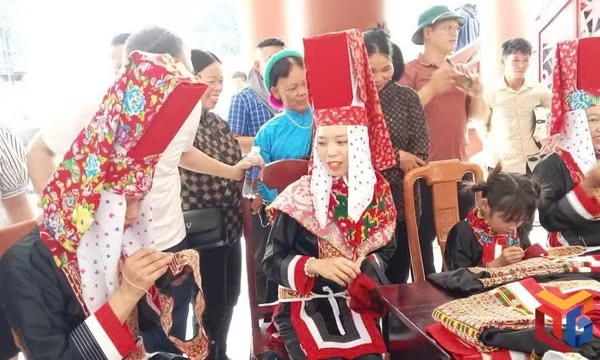
Quang Ha’s heritage space is clearly shaped by its system of folk religious and belief institutions and the cultural interplay among different ethnic groups. From My Son and Quang Linh communal houses and Tran Hung Dao Temple, which is closely associated with maritime culture, to the diverse customs and ways of life of ethnic minority communities, these elements together form a rich picture of local spiritual life. Alongside these are nha to singing, cua dinh singing and dancing, traditional embroidery and costume-making techniques, and folk cuisine, all of which have come together to create a distinctive local identity.
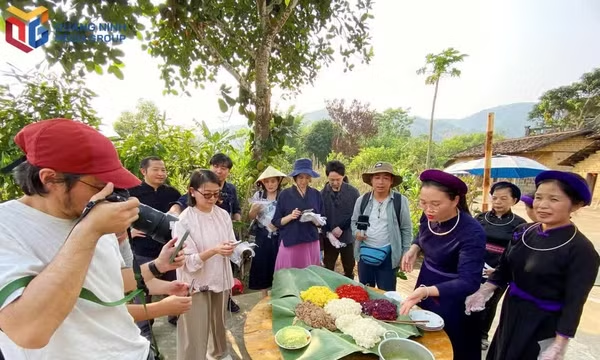
Recognising the value of its heritage, Quang Ha commune has proactively transformed traditional cultural values into higher value-added products and services. Cultural experience programmes linked to agricultural ecotourism and traditional crafts are gradually taking shape, opening up a sustainable development direction for the night-time economy and service economy. At the same time, key OCOP products are being standardised in terms of specifications, packaging quality and design, while cultural stories are being vividly incorporated into the products.
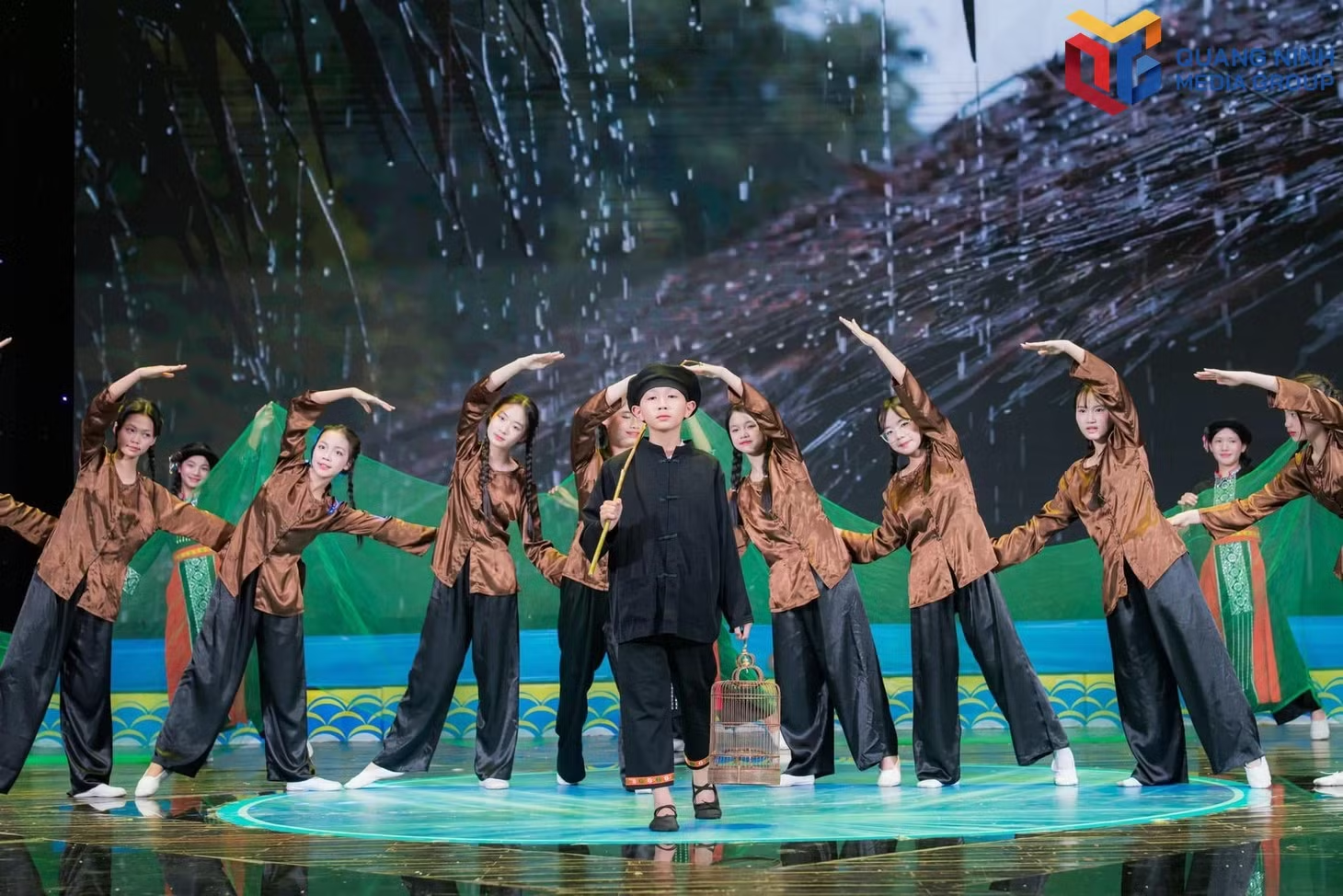
Developing local residents’ skills in tourism, branding and digital communications is considered a key solution to empowering the community to take ownership of local development. When residents are both the custodians of cultural identity and direct beneficiaries of the creative value chain, the heritage economy and cultural industries in Quang Ha can become solid drivers of socio-economic development in the new period.
According to Vice Chairwoman of the Quang Ha Commune People’s Committee Hoang Thi Phuong Thao, to promote the value of its cultural heritage, Quang Ha has identified the digitisation of relics and intangible cultural heritage, together with the collection, inventory and standardisation of materials on local history, traditional architecture, folk festivals and the lives and deeds of historical figures associated with the history of the area, as priorities in building a digital database to support heritage conservation, management and promotion of local image.
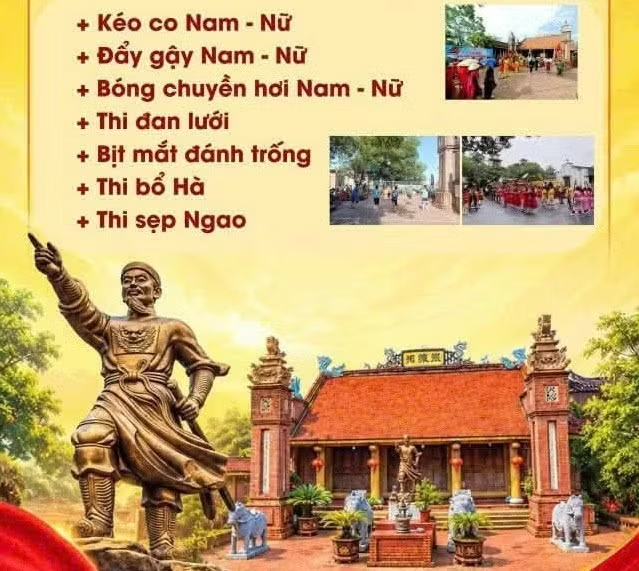
The commune is also studying the use of QR codes, developing photo and video archives and uploading them to digital platforms so that residents and tourists can easily access information. Cultural heritage and folk festivals will also be promoted more extensively through the locality’s official information channels, using concise and engaging formats suited to younger generations.