From museum artifacts, historical relics, and scenic landscapes to intangible cultural heritage assets, Quang Ninh is progressively digitizing its vastheritage. Beyond preservation, digital transformation unlocks innovative ways to promote, leverage, and amplify the value of these assets, turning culture into a driving force for growth in the digital era.
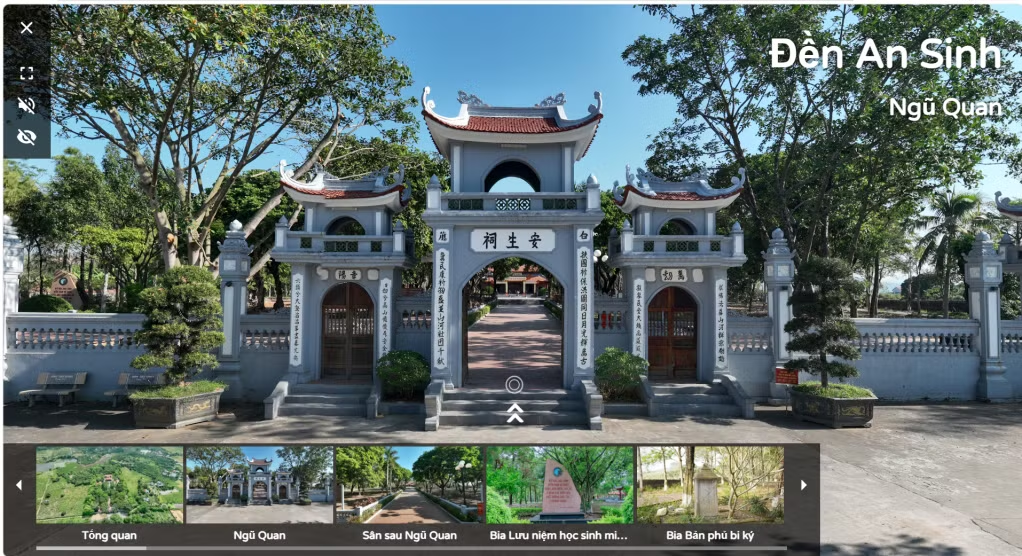
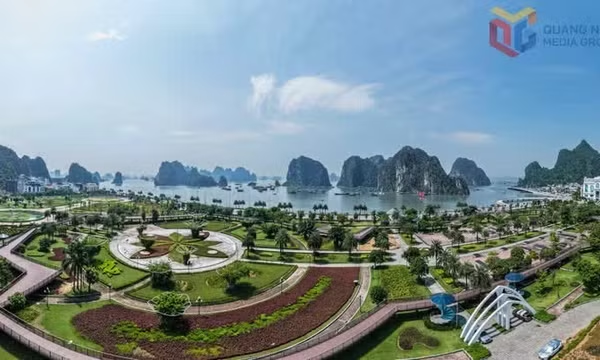
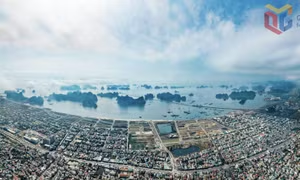
Quang Ninh boasts a rich and diverse heritage network of 609 relics and relic clusters, including 8 special national relics, 57 national relics, and 102 provincial-level relics, along with 362 elements of intangible cultural heritage. Notably, the province co-owns two World Heritage Sites: the Yen Tu – Vinh Nghiem – Con Son, Kiep Bac Complex of Monuments and Landscapes, and the Ha Long Bay – Cat Ba Archipelago World Natural Heritage Site. This vast heritage treasure is a major asset, yet it demands innovative preservation and promotion strategies amid rapid digital transformation.
By the end of 2025, Quang Ninh had completed the digitalization of 17 tangible cultural heritage sites and 7 elements of intangible cultural heritage, gradually building a digital database to support heritage management, research, promotion, and tourism development.
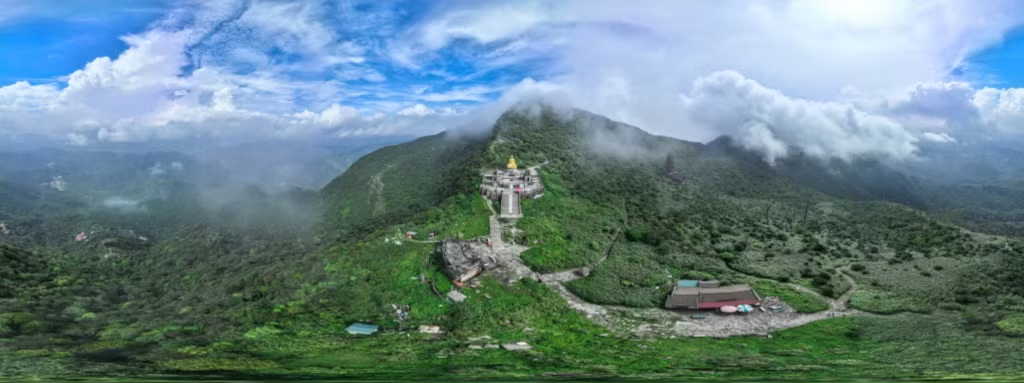
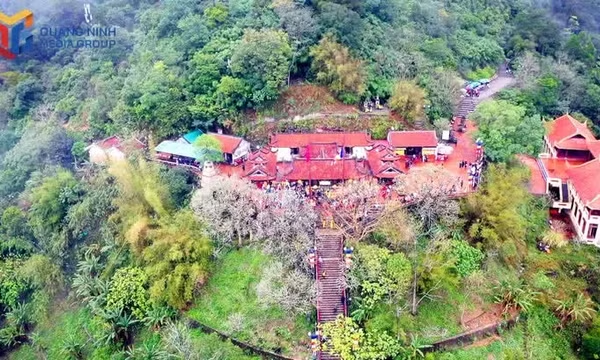
Yen Tu Ward is one of the localities that has implemented a relatively comprehensive approach to heritage digitalization, closely linked with a smart tourism ecosystem. At the Yen Tu heritage site, visitors need only a smartphone to scan QR codes for information, audio guides, tickets purchase, or online payments. Behind this seamless experience lies a digital ecosystem featuring digital mapping, 3D models, VR360 technology, and a dedicated heritage database.
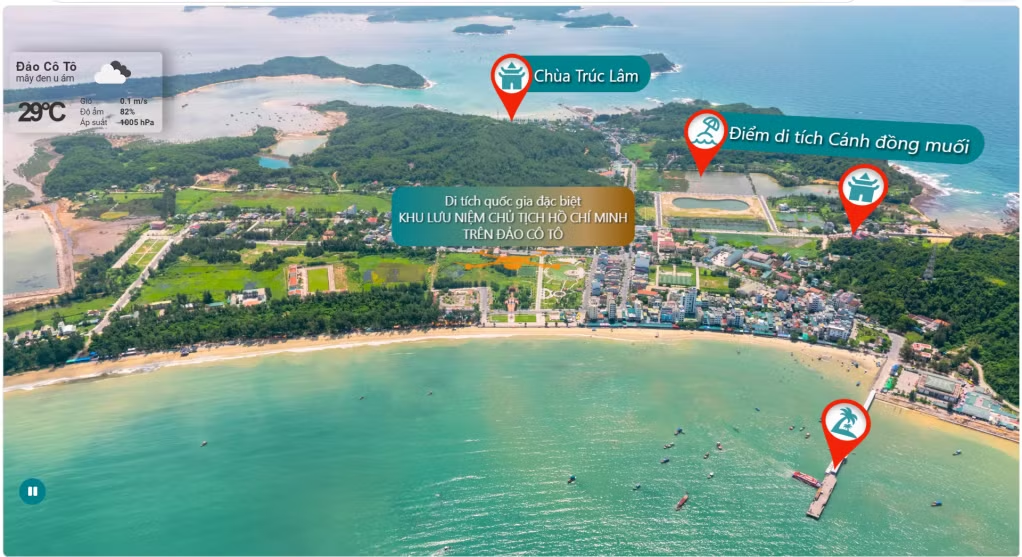
Meanwhile, in Co To Island, the Ho Chi Minh Memorial Site has been digitized using VR360 technology, allowing visitors to explore the entire site virtually from anywhere. Together with a multilingual QR code system and the “Amazing Co To” platform, which integrates maps and local service information, exploring the site’s heritage has become more intuitive and convenient than ever.
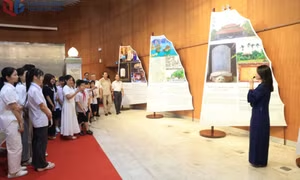
At the Quang Ninh Museum, more than 25,000 artifacts have been digitized, replicating numerous many national treasures as 3D models for easier public access. The museum continues to expand its virtual tours and digital exhibitions for remote visitors, while integrating Virtual Reality (VR) on-site, automated audio guide systems, and QR codes for self-guided exploration.
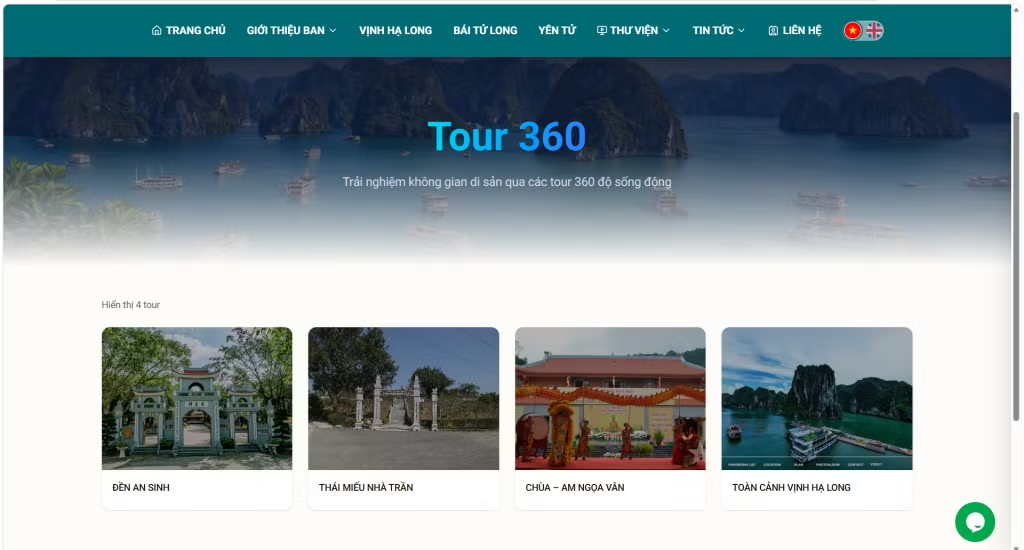
When museum artifacts, historical sites, scenic landscapes, and intangible cultural heritage elements come alive in the digital space, the journey of cultural discovery transcendstime or geography. Digital transformation is no longer just about applying technology, it is about keeping heritage alive in contemporary society, bridging the past and the present, and unlocking new values for the future.
By Xuan Hoa