Digital transformation is opening up new ways to preserve, manage and promote cultural values in Quang Ninh. From heritage sites and museums to performing arts, the application of technology is not only improving management efficiency but also expanding public access and experiences, while adding value to cultural and tourism products.
To put this policy into practice, on September 30, 2026, the Quang Ninh City People’s Committee issued Plan No. 437/KH-UBND, prioritising the digitalisation of UNESCO-listed heritage, Special National Relics and heritage at risk of being lost; gradually building databases; developing virtual tours, electronic ticketing and multilingual interpretation; and applying AI and IoT.
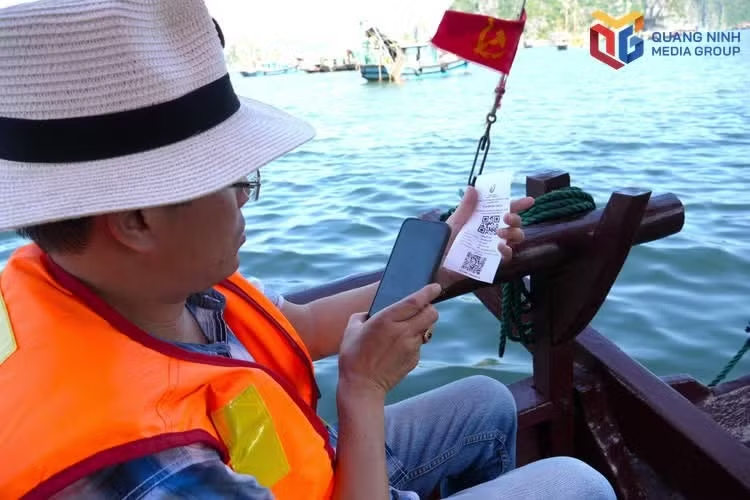
At the Ha Long Bay - Yen Tu World Heritage Management Board, a range of technological solutions have been put into operation. At the Yen Tu Relic and Scenic Site, QR codes and VR360 technology help visitors access information on relics, architecture and artefacts; security cameras and AI cameras support monitoring and visitor flow control; and electronic ticketing contributes to modernising management and services. On Ha Long Bay, electronic invoices, cashless payments and QR codes are used in tourism activities, while camera systems, GPS and VHF communications support vessel monitoring. Telecommunications infrastructure in three areas, wi-fi at several caves and trials of Starlink at several locations are also helping improve connectivity across the heritage area.
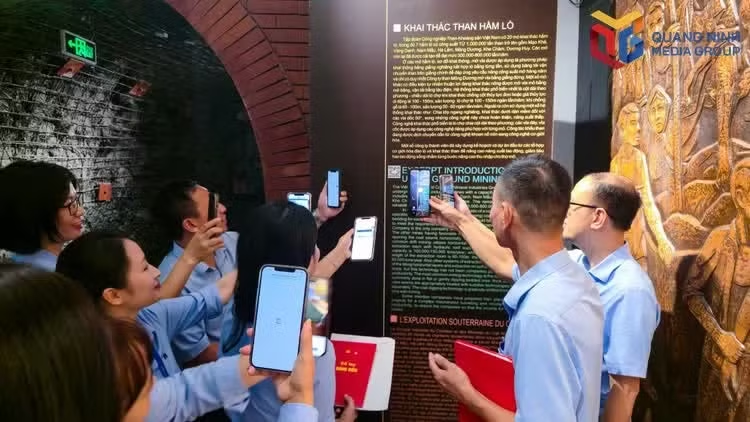
At Quang Ninh Museum, the digitalisation of documents and artefacts, virtual tours, multilingual automated interpretation, smart experience maps, electronic ticketing and interactive applications are helping renew the presentation of collections. These formats enable the public, especially younger generations, to access history and culture through more visual and engaging experiences, while expanding opportunities to promote heritage values.
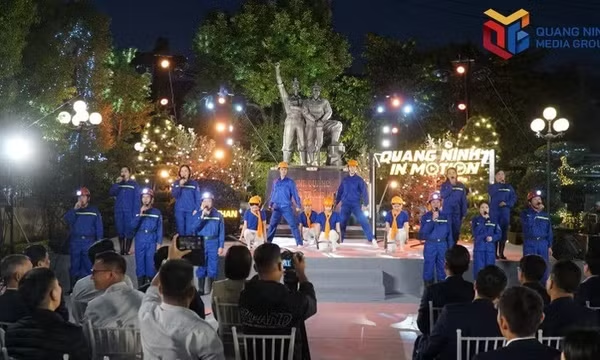
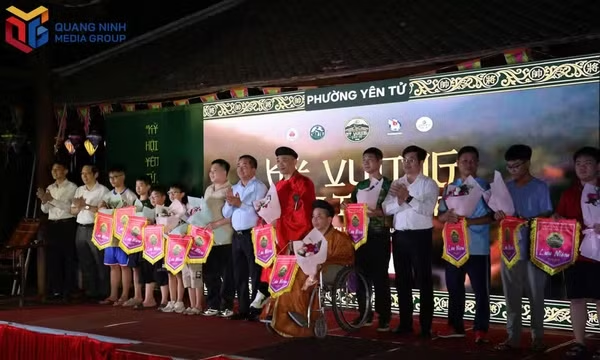
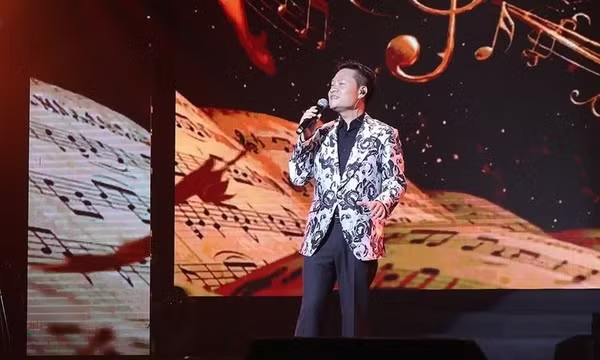
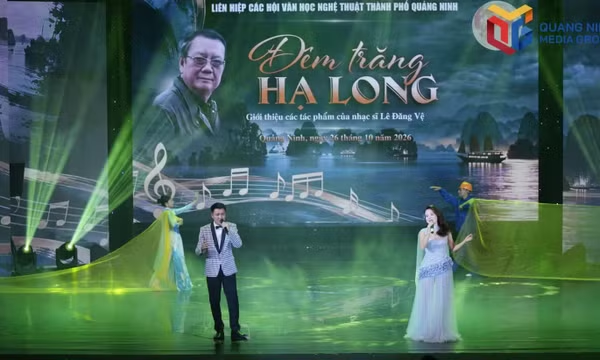
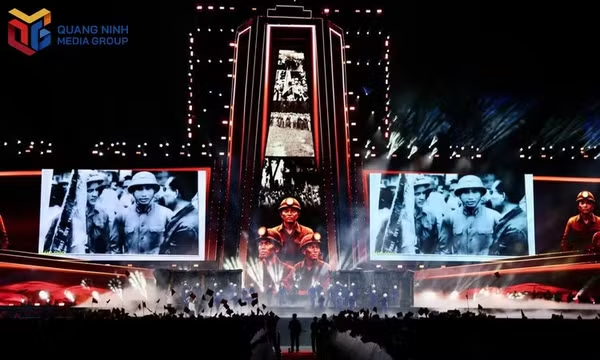
In the performing arts, digital technology is helping improve the quality and reach of events. Many large-scale programmes, including Ha Long Carnaval, the Yen Tu Yellow Apricot Festival, the Hokkaido Festival and New Year arts programmes, have applied smart stages, 3D mapping projections, LED screens and real-time visual effects. Recording, live broadcasting and promotion on digital platforms enable the programmes to reach wider audiences beyond the event venues, contributing to spreading cultural values and promoting Quang Ninh’s image.
Alongside units directly managing heritage, the Department of Culture, Sports and Tourism is focusing on building databases for the culture, sports and tourism sectors and implementing the criteria set on “Digital culture of civilised and courteous Quang Ninh people in the digital environment”. To date, 86% of historical and cultural relics and scenic sites have been digitalised. The sector has also coordinated with the city police to provide communications and guidance for accommodation establishments in implementing ASM software; 100% of one- to five-star hotels have applied the software for guest registration and accommodation statistics.