Ha Long University is working with three mountainous border communes to develop a community-based tourism model that preserves ethnic minority traditions while creating sustainable livelihoods for local residents.
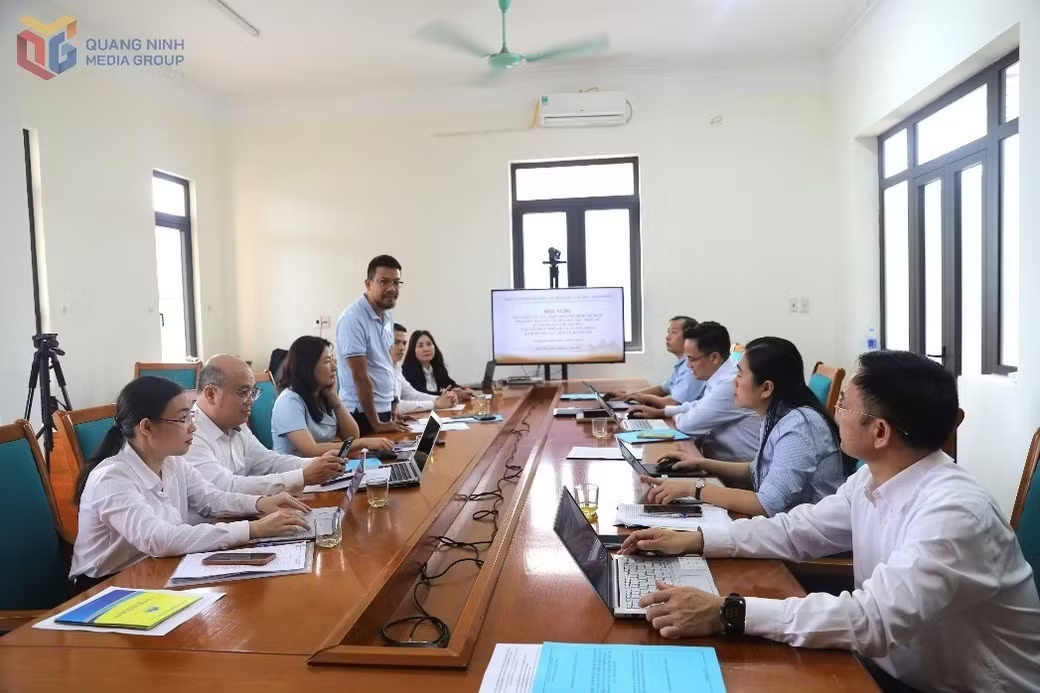
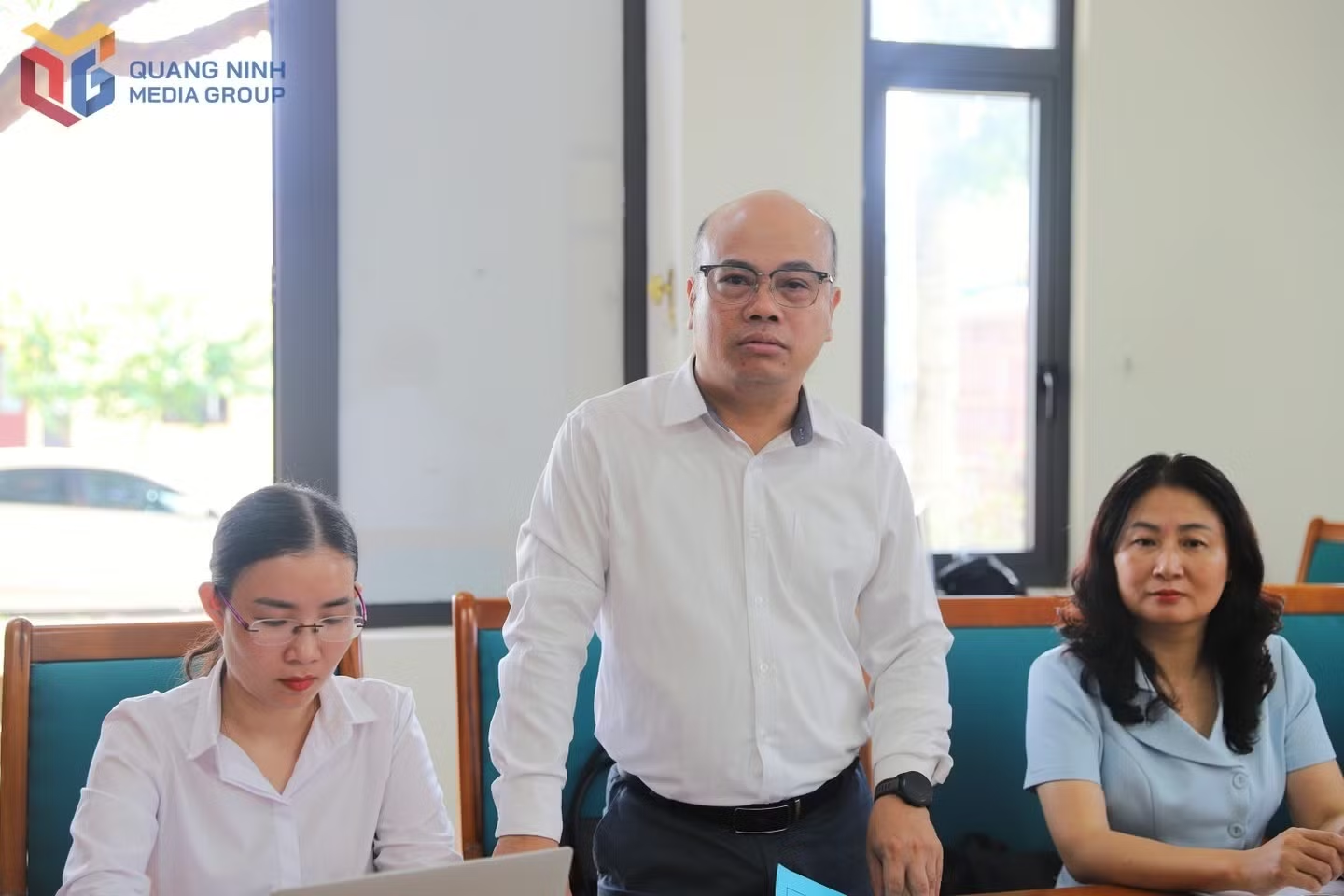
On November 18, a university delegation met with authorities from Binh Lieu, Hoanh Mo and Luc Hon communes to discuss plans for piloting the model, which aims to turn local cultural heritage into meaningful tourism experiences.
The initiative is part of a provincial research project launched in 2025 by Ha Long University. It focuses on preserving and promoting the cultural identities of the Dao, Tay, San Chi and San Diu ethnic communities while supporting community-based tourism.
Putting local communities at the center
During the meeting, researchers and local officials reviewed proposed models for implementation in the three communes.
The framework includes 23 standardized criteria covering tourism activities, organization, implementation and operating principles. It places traditional ethnic minority culture at the heart of tourism development, with local communities taking the leading role.
Rather than simply presenting cultural traditions as tourist attractions, the approach seeks to involve residents directly in preserving their heritage, managing tourism activities and benefiting from the income they generate.
The three communes offer a combination of mountainous landscapes, border scenery and distinctive cultural traditions, creating opportunities for visitors to explore a different side of Quang Ninh beyond its well-known coastal destinations.
From traditional villages to cultural experiences
The proposed model focuses on developing a range of community-based tourism products built around local heritage and natural attractions.
Visitors could explore traditional villages, terraced rice fields and local markets while learning about the daily lives and customs of ethnic minority communities.
Cultural experiences would include Then singing, a traditional performing art associated with the Tay people, and Soong Co singing, a distinctive folk tradition of the San Chi community.
Traditional festivals, handicrafts and local cuisine would also form part of the tourism experience, giving visitors opportunities to engage with local culture.
Nature-based activities could include exploring waterfalls, visiting border landmarks and staying in locally operated homestays.
The model also aims to promote local products under Vietnam's One Commune One Product (OCOP) program, helping connect traditional crafts, agricultural products and regional specialties with tourism markets.
Developing tourism while protecting heritage
The pilot reflects Quang Ninh's broader approach to sustainable tourism development, which seeks to balance economic growth with cultural preservation, environmental protection and community well-being.
As the city expands its tourism offerings beyond Ha Long Bay and other established attractions, mountainous and border communities have opportunities to develop tourism based on their distinctive heritage.
Community-based tourism can help diversify local incomes while encouraging residents to maintain traditional crafts, cultural performances, cuisine and village landscapes.
However, sustainable development also requires careful management to ensure that tourism does not undermine the traditions and environments that attract visitors.
The proposed community-led approach offers a way to address these challenges by giving residents a central role in deciding how their cultural heritage is presented and how tourism activities are organized.
Protecting traditional architecture, maintaining the authenticity of cultural practices and managing the environmental impact of tourism will be important considerations as the model moves toward implementation.
The approach also supports Quang Ninh's efforts to develop year-round tourism by combining coastal attractions with cultural, ecological and community-based experiences in mountainous areas.
Preparing for implementation
At the November 18 meeting, Ha Long University and local authorities agreed on coordination arrangements and selected locations for the pilot in each commune.
They also discussed plans to produce a promotional film highlighting local cultural heritage and the tourism appeal of the three destinations.
The project is expected to provide practical experience and research findings that can help authorities assess the model's effectiveness.
If successful, it could create more employment and income opportunities for local residents while helping preserve ethnic minority traditions for future generations.
The findings could also provide a foundation for Quang Ninh to refine the approach and expand community-based tourism to other areas with similar cultural and natural resources.
By placing local people and their heritage at the center of tourism development, Quang Ninh aims to create travel experiences that benefit visitors and communities alike while protecting the cultural identity of its mountainous border regions.