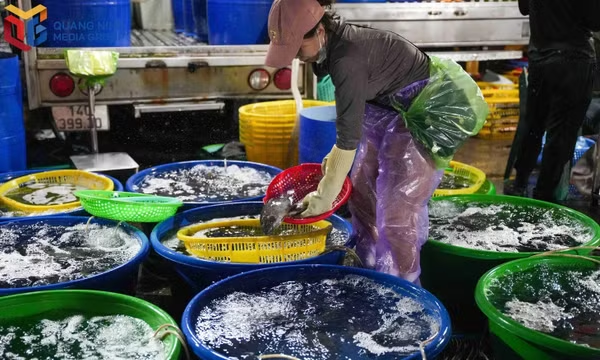
Located along the waterfront in Cao Xanh Ward, a wholesale fish market near Ha Long Bay comes alive at midnight as fishing boats arrive one after another to unload their catches.
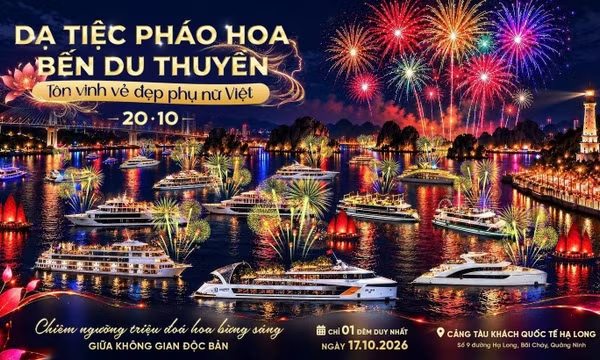
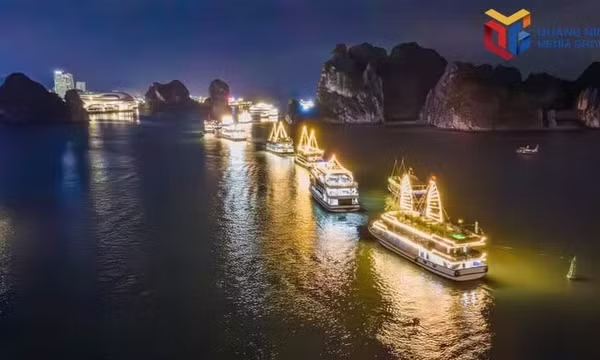
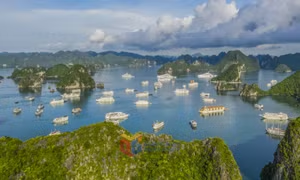
On the occasion of the ceremony announcing the National Assembly's Resolution on the establishment of Quang Ninh City, Quang Ninh Province will organise a light show featuring 72 tourist boats.
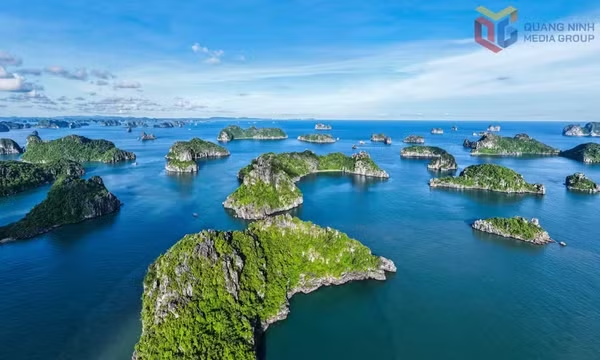
Three years after UNESCO approved the extension of the Ha Long Bay–Cat Ba Archipelago World Heritage Site, Quang Ninh is gradually completing a unified, modern and sustainable management model that combines heritage conservation with green tourism development and the effective promotion of the World Heritage Site’s values.
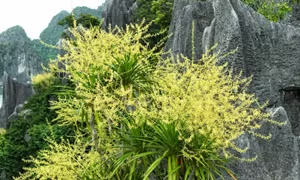
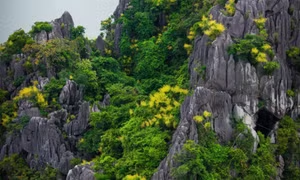
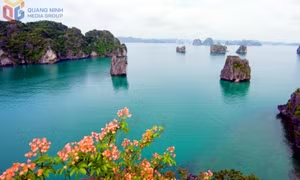
Every summer, as the emerald waters and azure skies of Ha Long Bay deepen in color, mountain dragon trees (phát dụ núi) burst into bloom on the sheer limestone cliffs rising from the sea, adding brilliant splashes of gold to the UNESCO World Natural Heritage Site.
Amid the majestic limestone karsts of Ha Long Bay, dragon trees (locally known as Phát tài núi (Lucky plant) or Phất dụ núi) burst into brilliant bloom, their clusters of golden blossoms brightening the steep limestone cliffs. Growing in harsh conditions and clinging to barren rock crevices, these resilient plants are a striking symbol of nature's enduring vitality.
After decades of absence, the distinctive reddish-brown sails of traditional three-panel boats have returned toHa Long Bay, once again becoming a vivid symbol amid the World Natural Heritage site.
On June 23, Quang Ninh’s Vice-chairman Nguyen Van Cong presided over a meeting to review plans for procuring a warning bulletin service for thunderstorms and squalls in Ha Long Bay and Bai Tu Long Bay, as well as the installation of an X-band weather radar system in Quang Ninh. The initiatives aim to enhance forecasting and early-warning capacity for natural disasters while helping ensure the safety of residents and visitors.
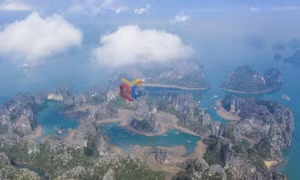
Amid the vast seascape of Ha Long Bay, secluded lakes and enclosed lagoons embraced by towering limestone mountains create a rare and remarkable landscape. Their calm emerald waters, hidden within the mountains, are linked to the sea through water-filled caves, while unique ecosystems add to the pristine beauty, mystery and outstanding universal value of this UNESCO World Heritage site.
According to the Ha Long Bay - Yen Tu World Heritage Management Board, Ha Long Bay welcomed more than 1.42 million tourist arrivals in the first five months of 2026, earning VND420 billion in revenue.
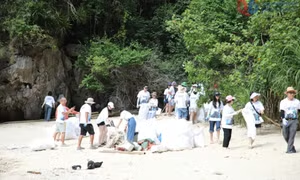
Ha Long Bay is a vast marine area dotted with thousands of limestone islands. Alongside vibrant socio-economic activities taking place both on the bay and along the coastline, large amounts of waste are generated, much of which drifts onto the water and accumulate around the islands. Efforts to preserve the cleanliness of the World Heritage site rely not only on professional environmental teams but also on the valuable contributions of volunteers taking part in various campaigns.
Ha Long Bay is not only a wonder of limestone and sea, but is also gradually deepening visitor experiences by incorporating its rich biodiversity values into tourism activities, enhancing both emotional connection and exploration value.
International travel magazine Travel and Tour World has named Vietnam among Asia’s most attractive destinations for 2026, highlighting Ha Long Bay as a standout attraction.
TV Asahi has released the trailer for the special animated episode titled “Doraemon: Birthday Gift – A Trip to Vietnam,” showcasing the beauty of Ha Long Bay and many of Vietnam’s iconic tourist attractions to audiences around the world.
During the April 30 – May 1 holiday, Ha Long Bay reaffirmed its enduring appeal as a UNESCO World Natural Heritage Site, welcoming more than 56,000 domestic and international tourist arrivals for sightseeing and leisure.
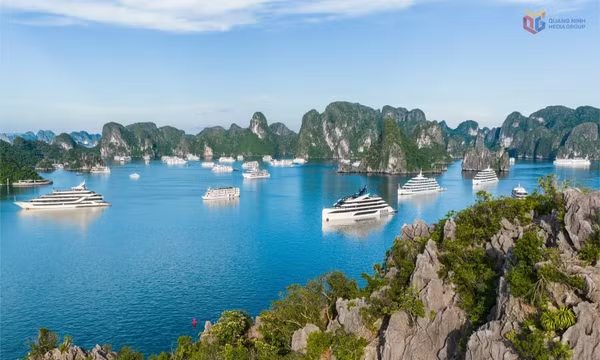
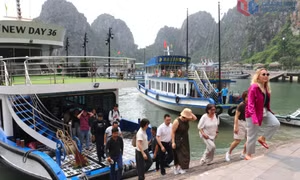
On April 1, Quang Ninh’s Vice Chairwoman Nguyen Thi Hanh chaired a meeting regarding the implementation of coordination regulations for managing tourist vessels between Ha Long Bay and Lan Ha Bay, as well as the management of inland waterway vehicles and tourist boats operating on Ha Long Bay.