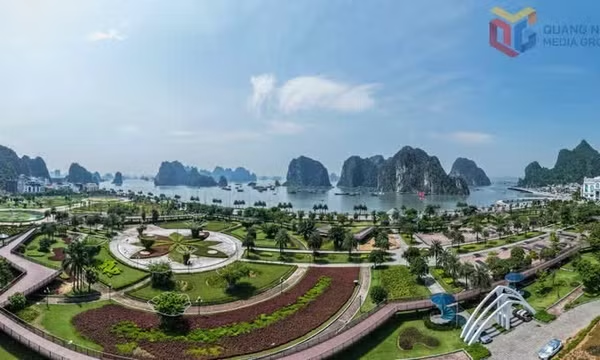
Ha Long Bay is not only a wonder of limestone and sea, but is also gradually deepening visitor experiences by incorporating its rich biodiversity values into tourism activities, enhancing both emotional connection and exploration value.

"Bong moc" flowers and various endemic plant species enhance the scenic beauty of Ha Long Bay sightseeing routes.
Beyond traditional sightseeing and cave exploration, visitors to Ha Long Bay are increasingly drawn to seasonal blossoms of “bong moc”, “mong bo” flowers in the Thien Cung and Dau Go areas, lady’s slipper orchids in Cua Van, and coral “underwater gardens” around Coc Cheo Islet. These natural highlights are adding further appeal to heritage discovery tours.
Scientific studies have also shown that Ha Long Bay possesses exceptional ecological resources, with more than 3,000 species of flora and fauna across distintive ecosystems, including 15 endemic species and nearly 200 rare and endangered species. This biodiversity provides significant potential for the development of eco-tourism and nature-based experiences.
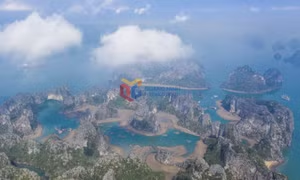
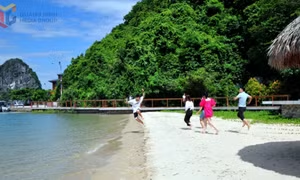
Drawing on these natural resources, many biodiversity values have gradually been integrated into tourism activities by the Ha Long Bay - Yen Tu World Heritage Management Board. Ha Long Bay is home to 72 kast valleys and 81 lagoons, most of which remain largely untouched. These enclosed saltwater valleys and lagoons, surrounded by limestone mountains, support unique ecosystems featuring pearl oysters, seaweed, seagrass and endemic species. Areas such as Luon Cave, Ba Hang, Du Lagoon and Ba Ham Lake have become popular destinations for kayaking, bamboo boat rowing and nature exploration, particularly among international visitors. The tranquil waters, encircling limestone formations and near-isolated ecosystems create experiences distinctly from conventional sightseeing routes.
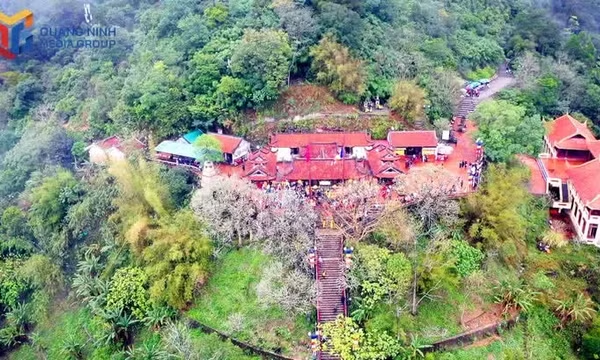
During flowering seasons, the vegetation covering limestone islands in areas such as Soi Sim, Cong Dam and Hang Trai adds vibrant colours to heritage journeys, allowing visitors to experience Ha Long not only through its seascapes and limestone formations, but also through its vibrant endemic ecosystems.
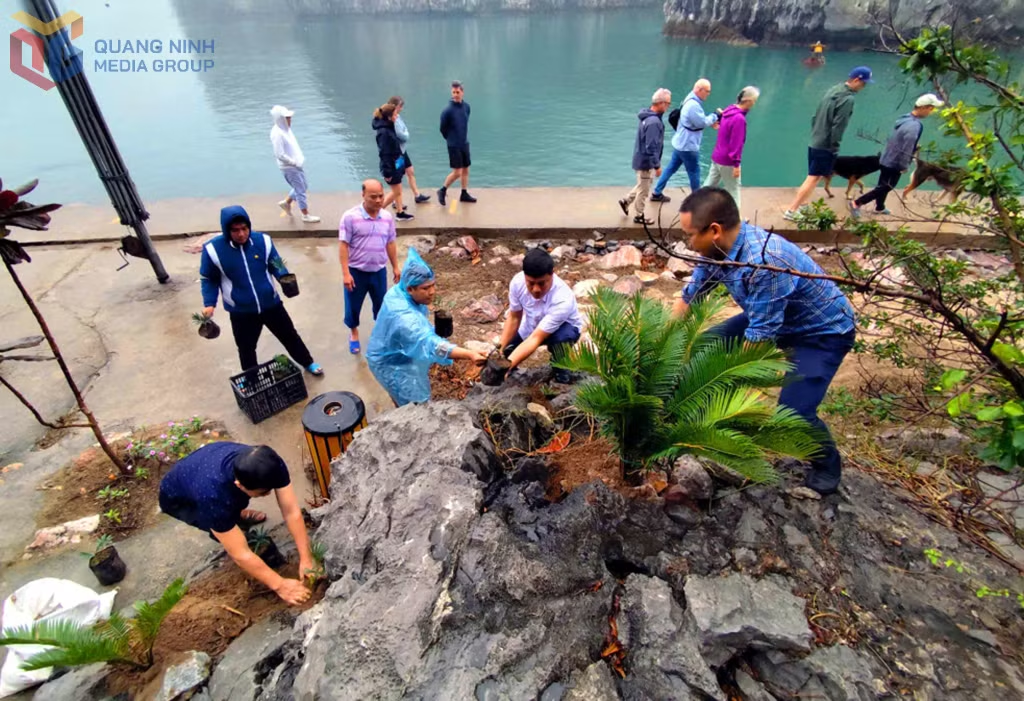
Notably, “landscape gardens” with endemic plants at Hang Co and on several islands are opening up new opportunities for eco-tourism development. In addition to serving as sightseeing and photography spots, these spaces help visitors gain a deeper understanding of native plant species, genetic conservation efforts and ecological restoration within the heritage site.
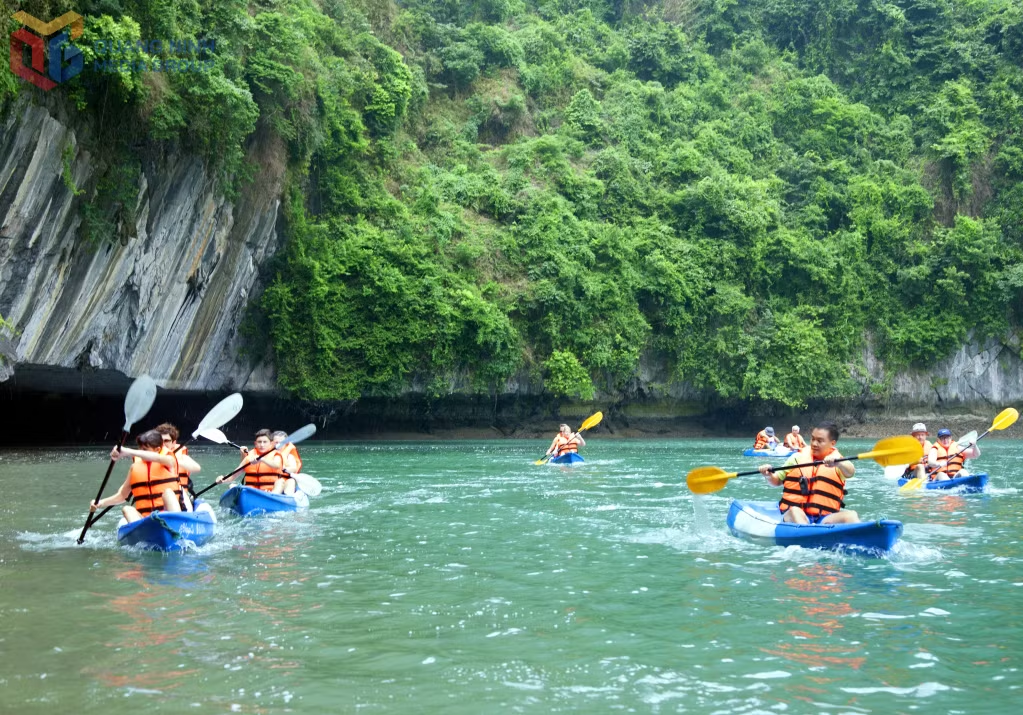
While endemic flora helps shape the ecological identity of tourism routes, the bay’s marine ecosystems are also creating new opportunities for eco-tourism beneath the water’s surface. Coral reefs in areas such as Cong Do, Hang Trai, Dau Be, Luoi Liem, Coc Cheo… feature relatively high coral coverage, forming attractive “underwater landscapes” for marine experiences, kayaking and exploration within the core heritage zone. These ecosystems are also expected to provide a foundation for future marine eco-tourism products and environmental education activities.
Ta Quan