Identifying culture as an internal source of strength and an important resource for sustainable development, in recent years, Quang Ninh City has renewed its thinking, leadership methods and approaches to implementing cultural development tasks. Policies and resolutions have been translated into practical programmes, plans and solutions linked to human development, the building of a cultural environment and improvements in people’s living standards. Culture is playing an increasingly important role, helping strengthen community cohesion and providing a foundation for the city’s sustainable development.
Culture in everyday life
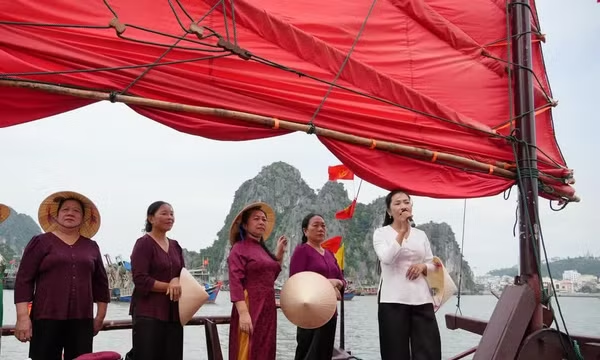
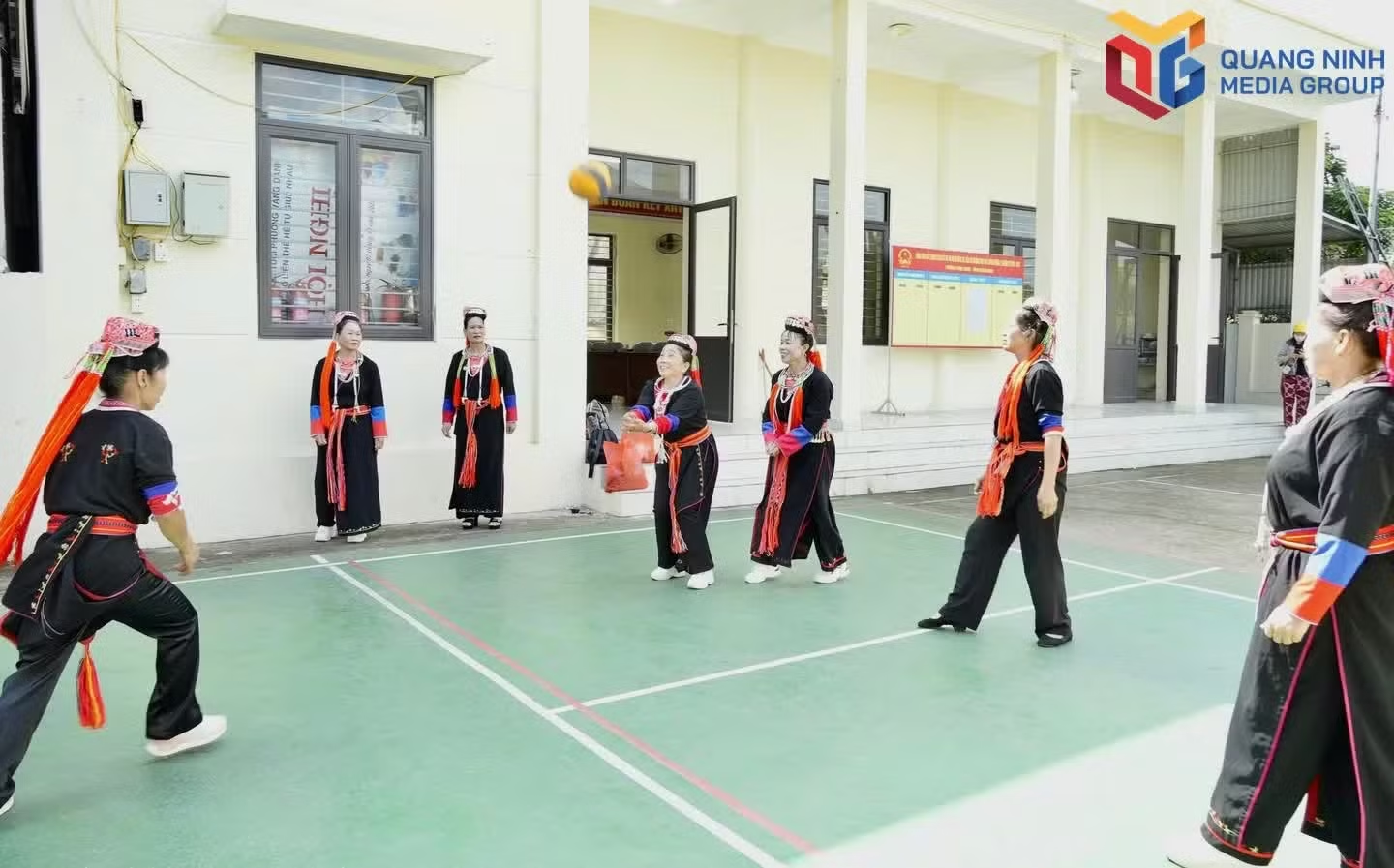
Culture is present in the way each family lives, in interpersonal behaviour, in the spirit of solidarity within residential communities, in awareness of protecting the environment and landscape, and in responsibility towards the community. In Dien Xa commune, efforts to build a cultural environment can be seen in the initiative taken by local communities to preserve ethnic identity, maintain traditional cultural activities and create spaces for people to participate together.
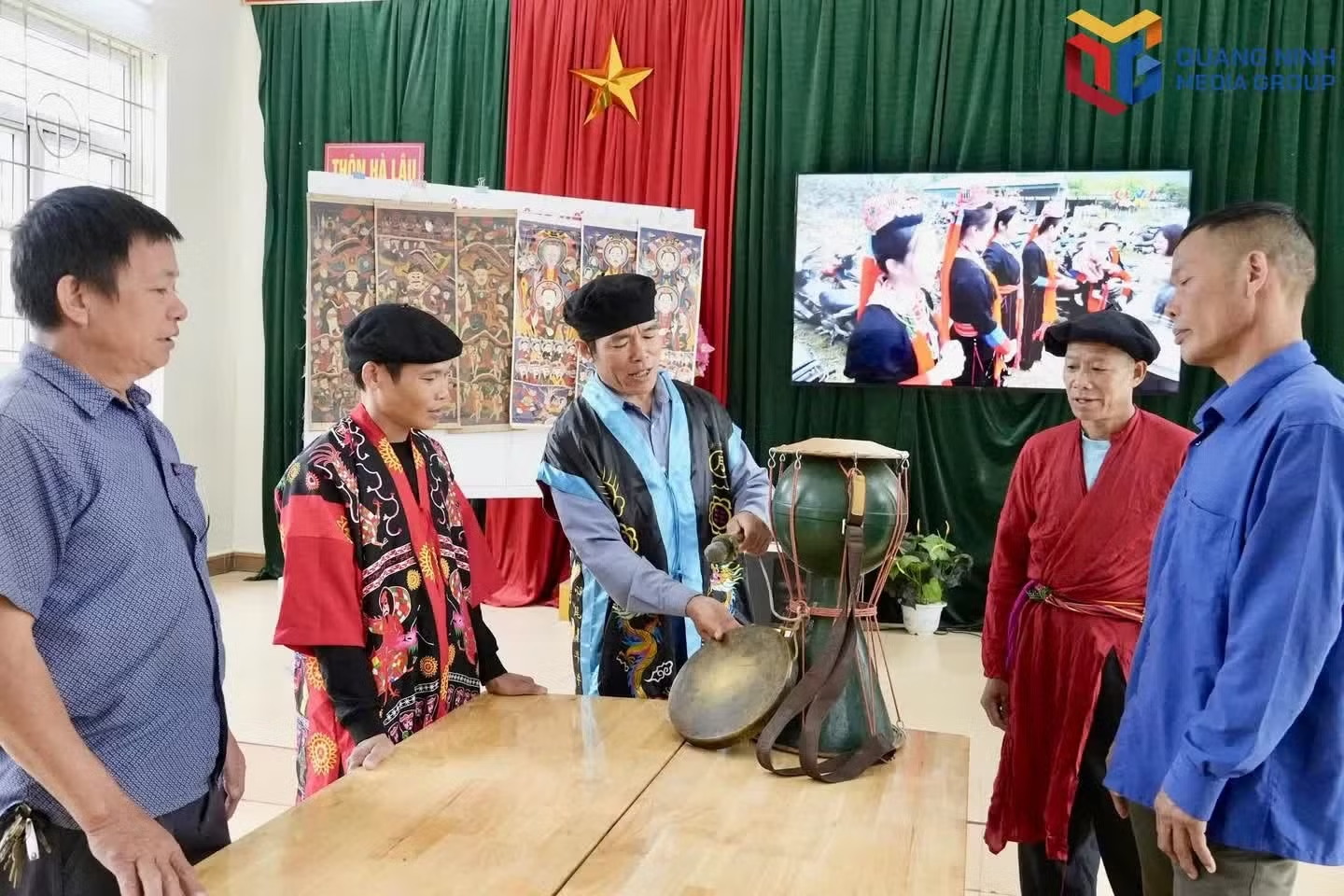
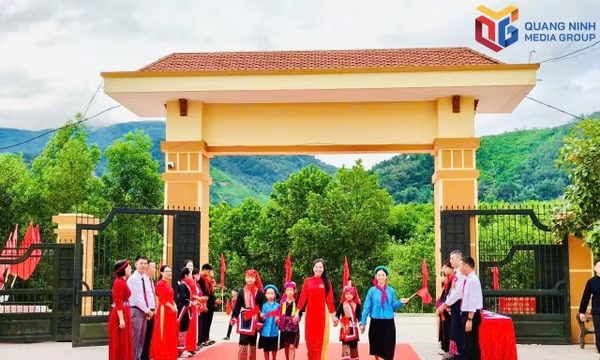
For the Dao Thanh Y community in Ha Lau hamlet, the coming-of-age ceremony is an important ritual that embodies views on life, customs, practices and folk knowledge passed down through generations. To ensure that the ritual continues to be practised in a systematic manner, the locality has established a club for practising the Dao coming-of-age ritual, creating conditions for knowledgeable members of the community to pass on their knowledge, guide younger generations and involve the wider community in preserving traditional values.
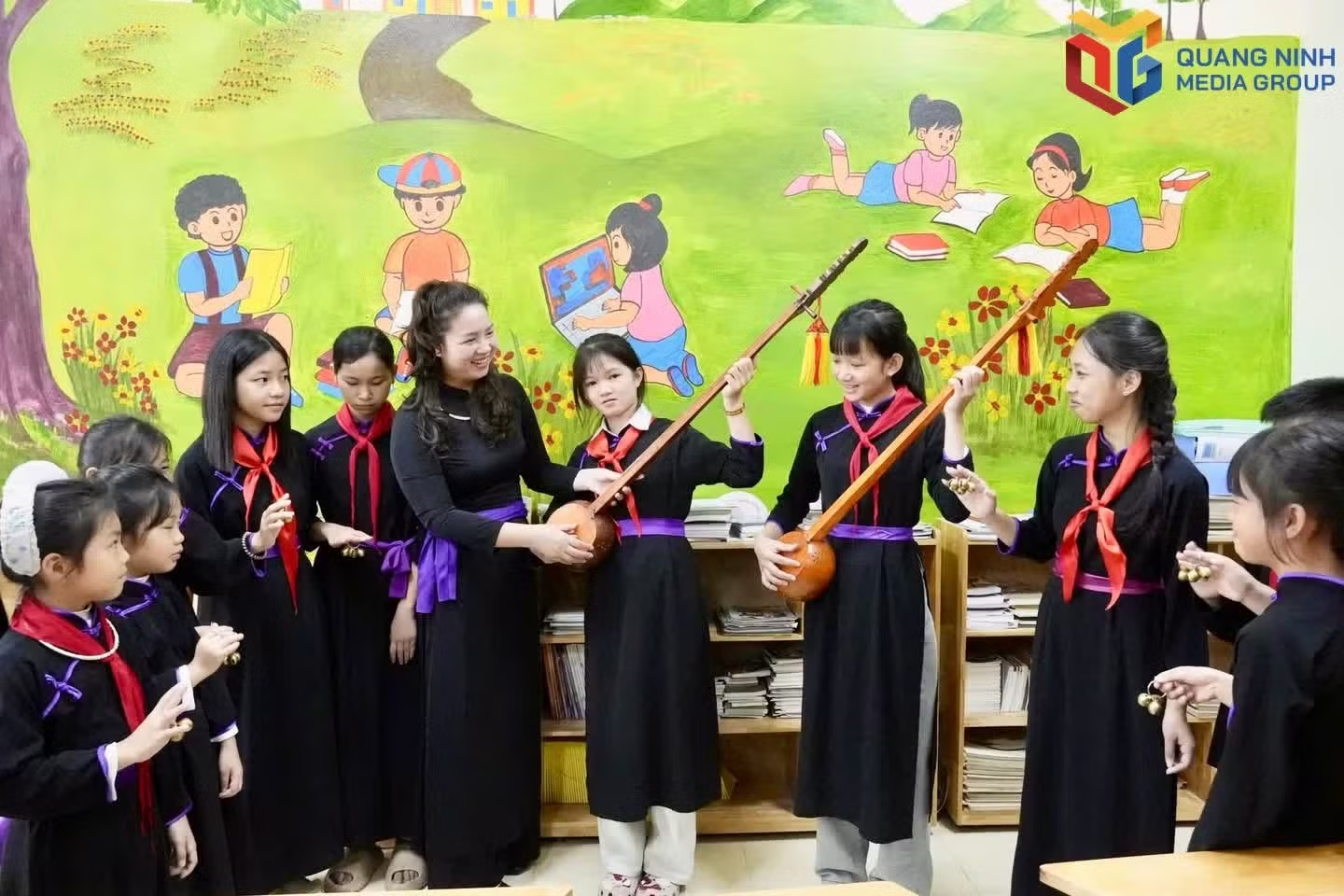
To date, Dien Xa commune has established and regularly maintained 16 clubs for cultural preservation and development, including clubs for folk rituals such as the Dao coming-of-age ceremony and bridal procession, Then singing and the tinh lute of the Tay, as well as folk games. The commune has also opened classes to pass on ethnic culture. These activities provide a space for residents to meet, practise and perform, while preserving folk songs, traditional games and customs of local ethnic groups.
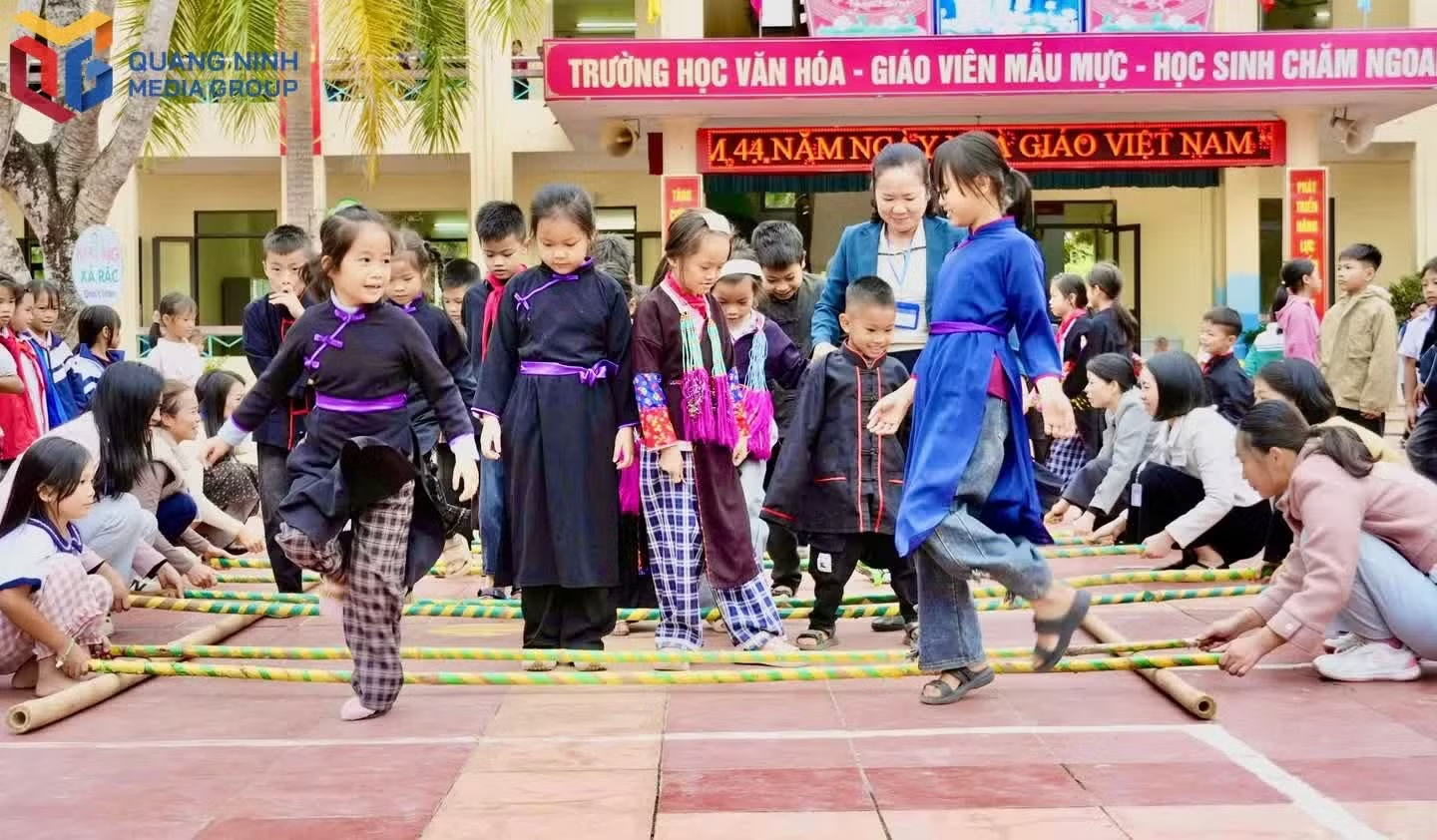
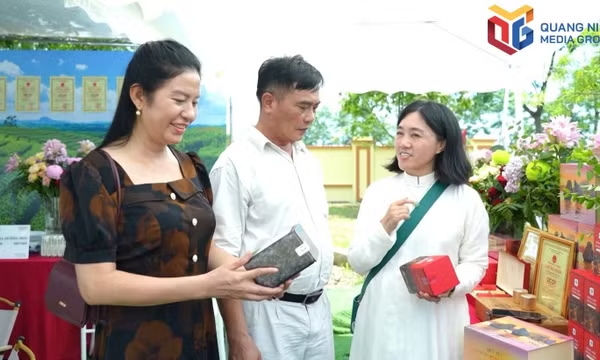
The preservation and development of culture have consistently received the attention, leadership and direction of the Dien Xa Commune Party Committee and local authorities. In 2026, the commune issued a project on cultural preservation and development for the 2026-2030 period and allocated resources for implementation, achieving initial positive results. The Ha Lau cultural market is maintained on a monthly basis, creating a space for exchange and helping preserve the cultural identities of local ethnic groups.
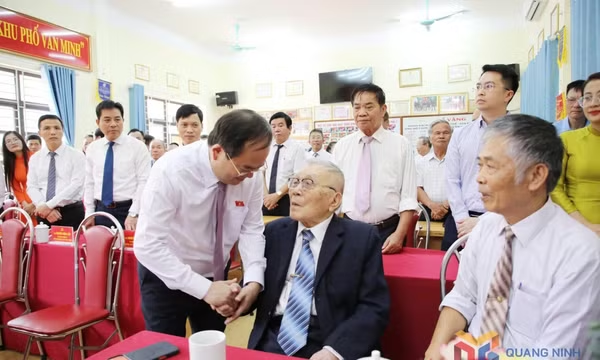
Across residential areas in the city, the cultural environment is nurtured through shared community spaces and regular activities. All 624 hamlets and residential areas in the city now have cultural houses, reaching 100%, together with 648 satellite cultural houses serving residents in areas far from the main cultural houses. These facilities are maintained as venues for meetings, exchanges, arts and sports activities and other community events, helping strengthen social bonds and enabling residents to participate in cultural activities close to where they live.
Continue to preserve and develop culture
By September 2026, the city budget had allocated VND 565 billion to the cultural sector, accounting for 1.4% of total state budget expenditure, up from VND 502 billion at the beginning of the year. The city continues to supplement resources, striving to ensure that spending on culture accounts for at least 2% of total annual budget expenditure in line with the requirements of Resolution No. 80-NQ/TW.
Allocating resources to culture reflects a shift in awareness of the sector’s role in sustainable development, while also creating conditions to improve facilities and enhance the quality of cultural activities in localities.
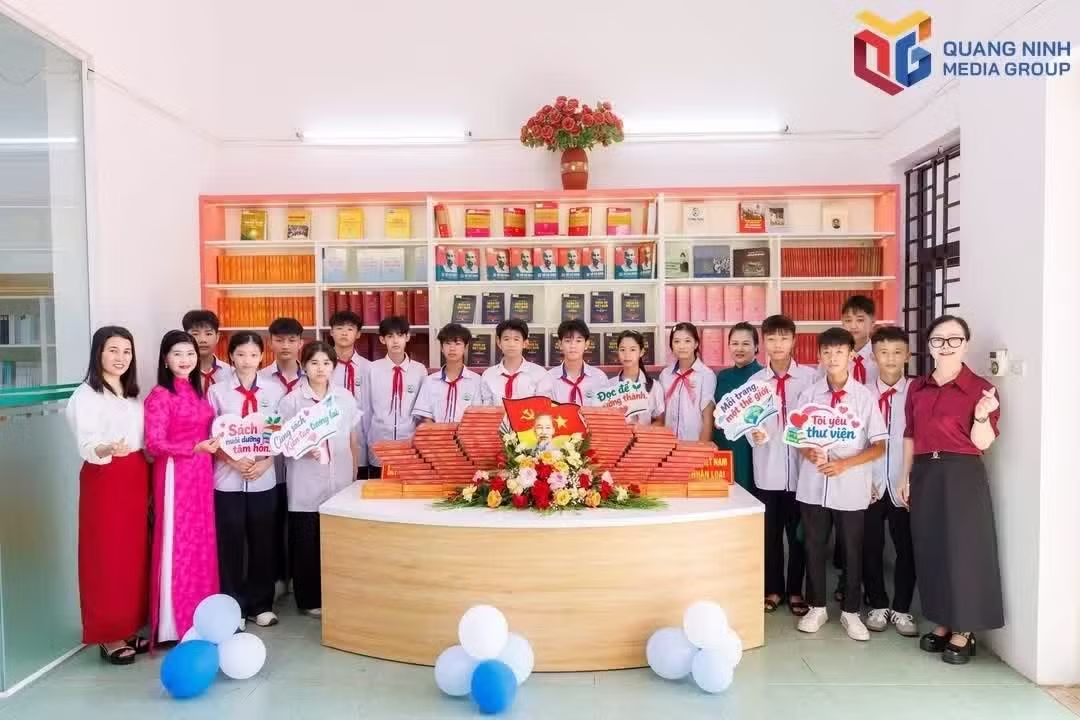
Alongside budget investment, the city is focusing on improving the quality of human resources. During the 2024-2026 period, the culture, sports and tourism sector organised 271 training and professional development courses for more than 20,230 participants, focusing on state management, digital transformation and professional skills. Ha Long University opened programmes in Music Education and Graphic Design, while the city’s Intermediate School of Arts and Sports was established, helping supplement human resources for specialised fields.
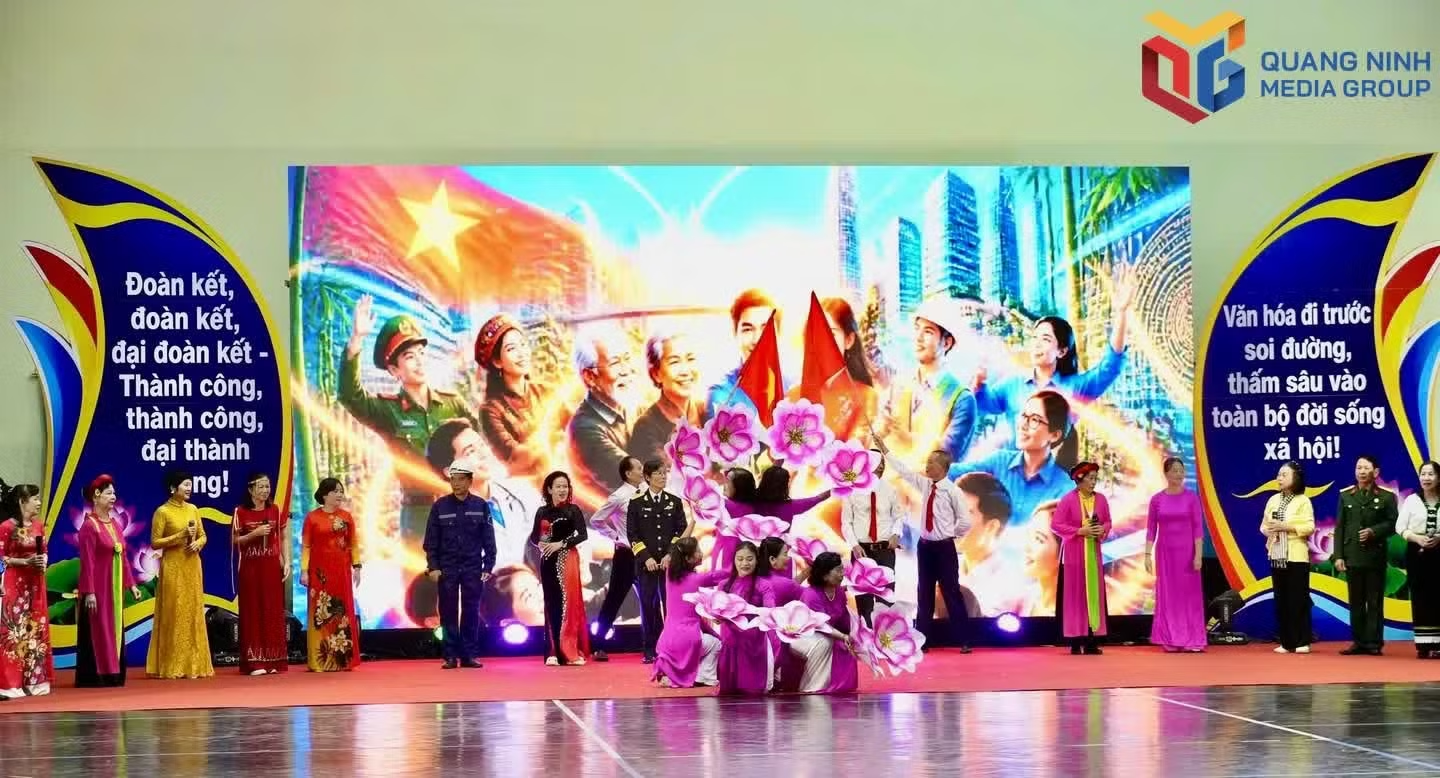
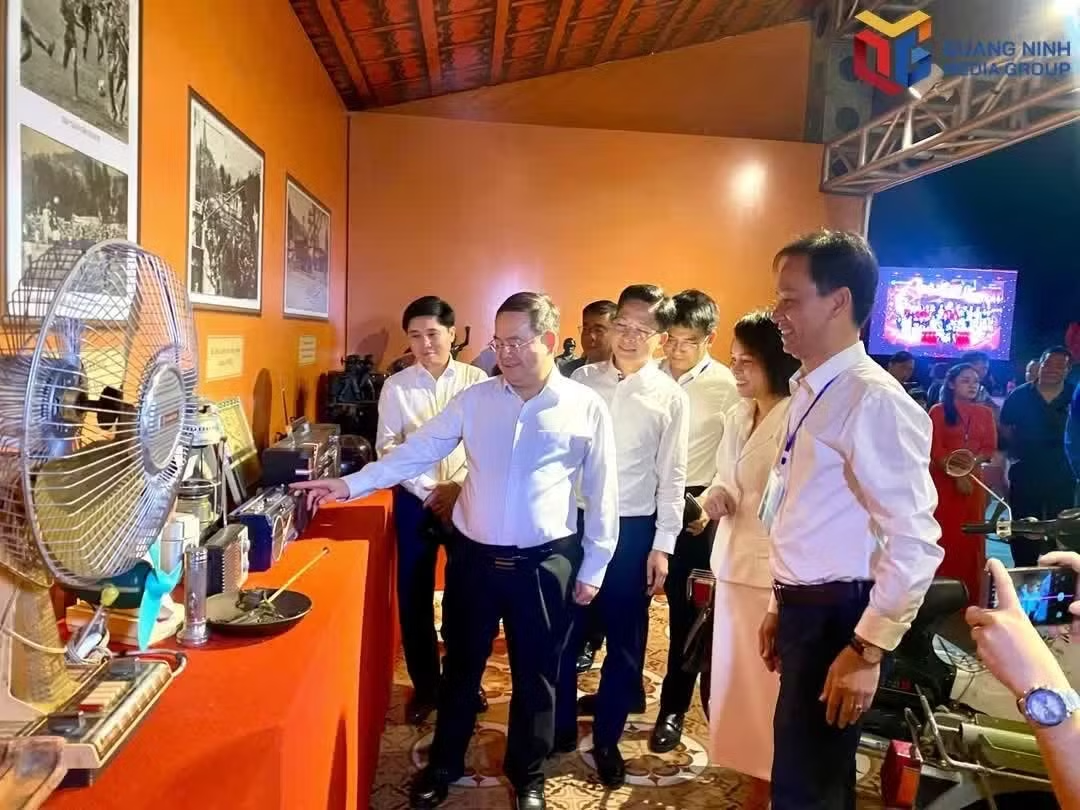
In particular, the organisation of Vietnam Culture Day 2026 in conjunction with the Great National Unity Festival has received close attention and direction from the city, with the aim of creating widespread cultural spaces where people can directly participate and enjoy cultural activities. By early November 2026, 46 departments, sectors and localities had issued plans to organise or integrate activities in response to the event.
The city developed a series of 73 activities and events from city to grassroots level, while also launching the Great National Unity Culture Week. Notably, the series of activities marking the Great National Unity Festival, Vietnam Cultural Heritage Day and Vietnam Culture Day includes 19 city-level activities and 54 activities in communes, wards and special zones.
Culture can truly become an internal source of strength only when it is present in everyday life and when every citizen has the opportunity to participate in, preserve, promote and enjoy cultural values. With the orientations and solutions already being implemented, Quang Ninh is gradually making culture a foundation for development, helping improve people’s quality of life, build a civilised living environment rich in identity, and create momentum for the city’s rapid and sustainable development.