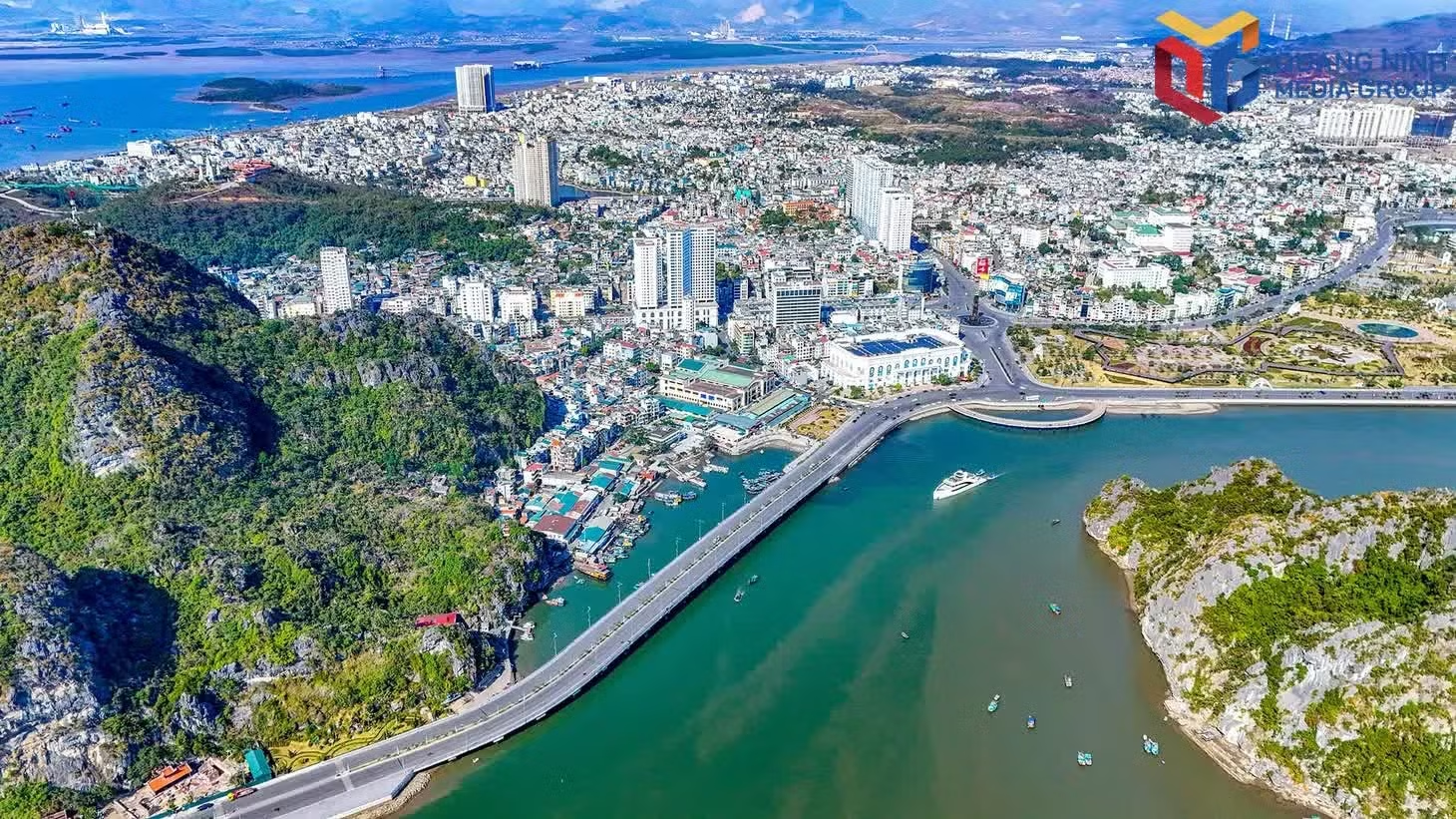
Placing green transition at the centre of of efforts to renew its growth model, Quang Ninh City is pursuing rapid yet sustainable development, gradually reducing its dependence on resource extraction, improving productivity and the efficiency of resource use, and better controlling environmental impacts. This is a consistent orientation being translated into specific targets, tasks and solutions for the 2026-2030 period, with a vision to 2050.
Shifting from resource extraction to value creation
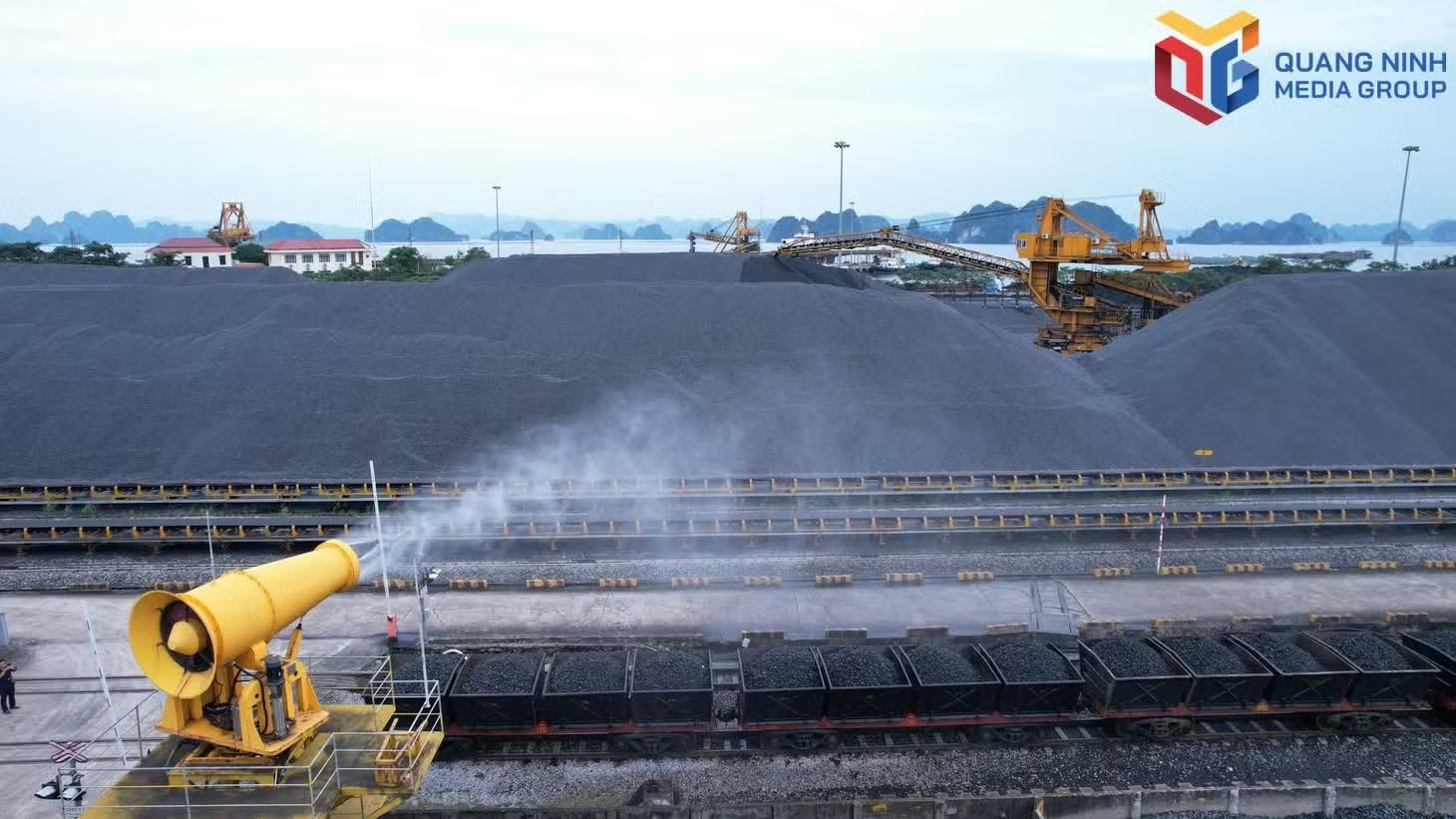
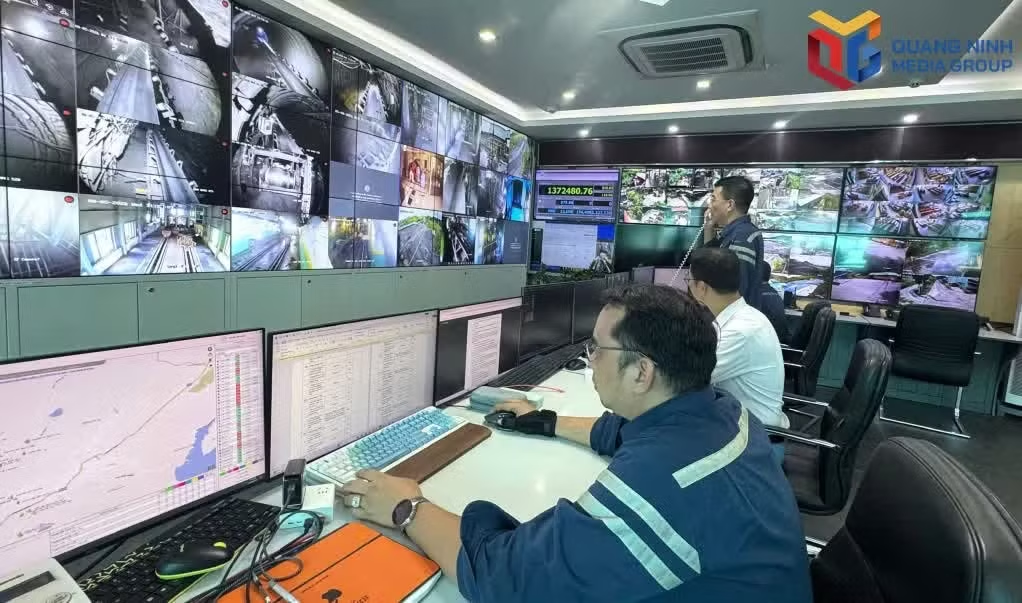
This transition is particularly evident in the coal industry - a traditional economic sector that is gradually changing its production methods. At Nui Beo Coal Joint Stock Company, the company switched entirely to underground mining in 2019 after many years of open-cast mining operations. At the same time, it has actively carried out environmental rehabilitation and planted trees to green mining sites and waste dumps. These changes show that green transition is gradually being incorporated into every stage of coal production, from extraction, transport and processing to environmental restoration following resource exploitation.
Alongside changes in the coal industry, Quang Ninh’s economic structure is also shifting towards a greater share of services and processing and manufacturing. During the 2021-2025 period, average economic growth reached around 9.7% per year; the share of services increased from 30.99% to 37.8%, while the share of processing and manufacturing rose from 11.35% to 13.2%. This provides a foundation for the city to gradually reduce its dependence on resource extraction while developing new growth drivers.
In the 2026-2030 period, Quang Ninh targets average annual GRDP growth of more than 12%, GRDP per capita of over USD 20,000 per year, the digital economy accounting for 30% of GRDP, total factor productivity contributing more than 55%, and processing and manufacturing accounting for more than 18%. Achieving these targets will require growth to rely increasingly on productivity, technology and innovation rather than greater use of input resources.
Creating new growth drivers
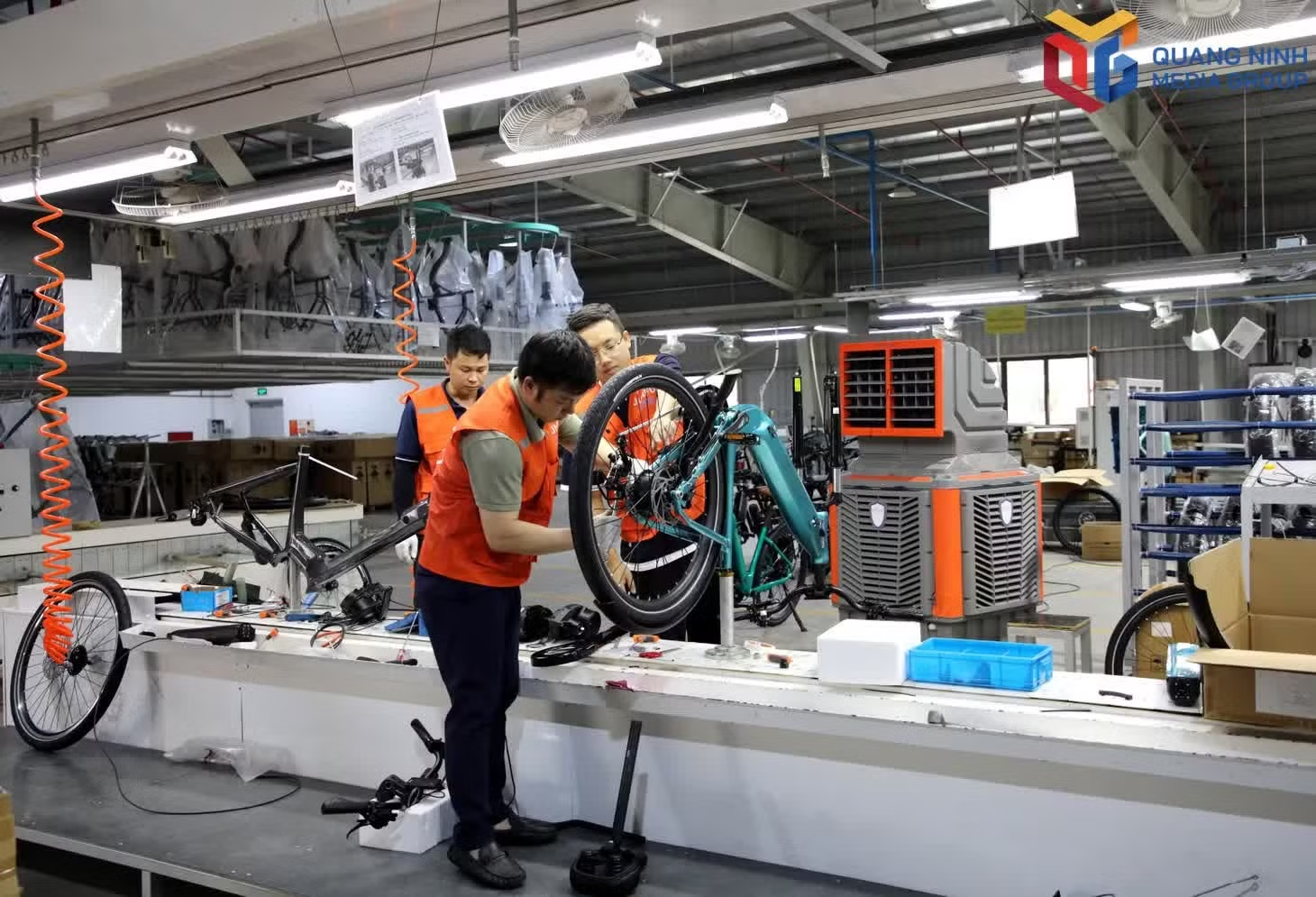
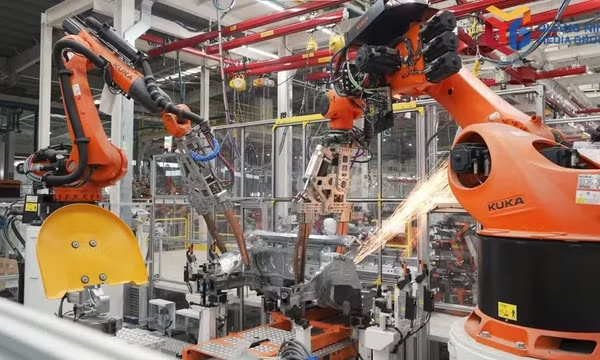
Under the new growth model, Quang Ninh identifies processing and manufacturing as one of its key pillars, with a focus on high-tech industries, green industries and sectors capable of generating high added value. Instead of expanding production mainly through increased use of inputs, the city is seeking to raise the technological content of production, increase automation, apply artificial intelligence and promote digital transformation. At the same time, it is selectively attracting FDI linked with technology transfer and stronger linkages with domestic businesses. This provides a basis for Quang Ninh to gradually reduce its dependence on resource-extraction industries while creating new growth drivers with higher technological content and greater added value.
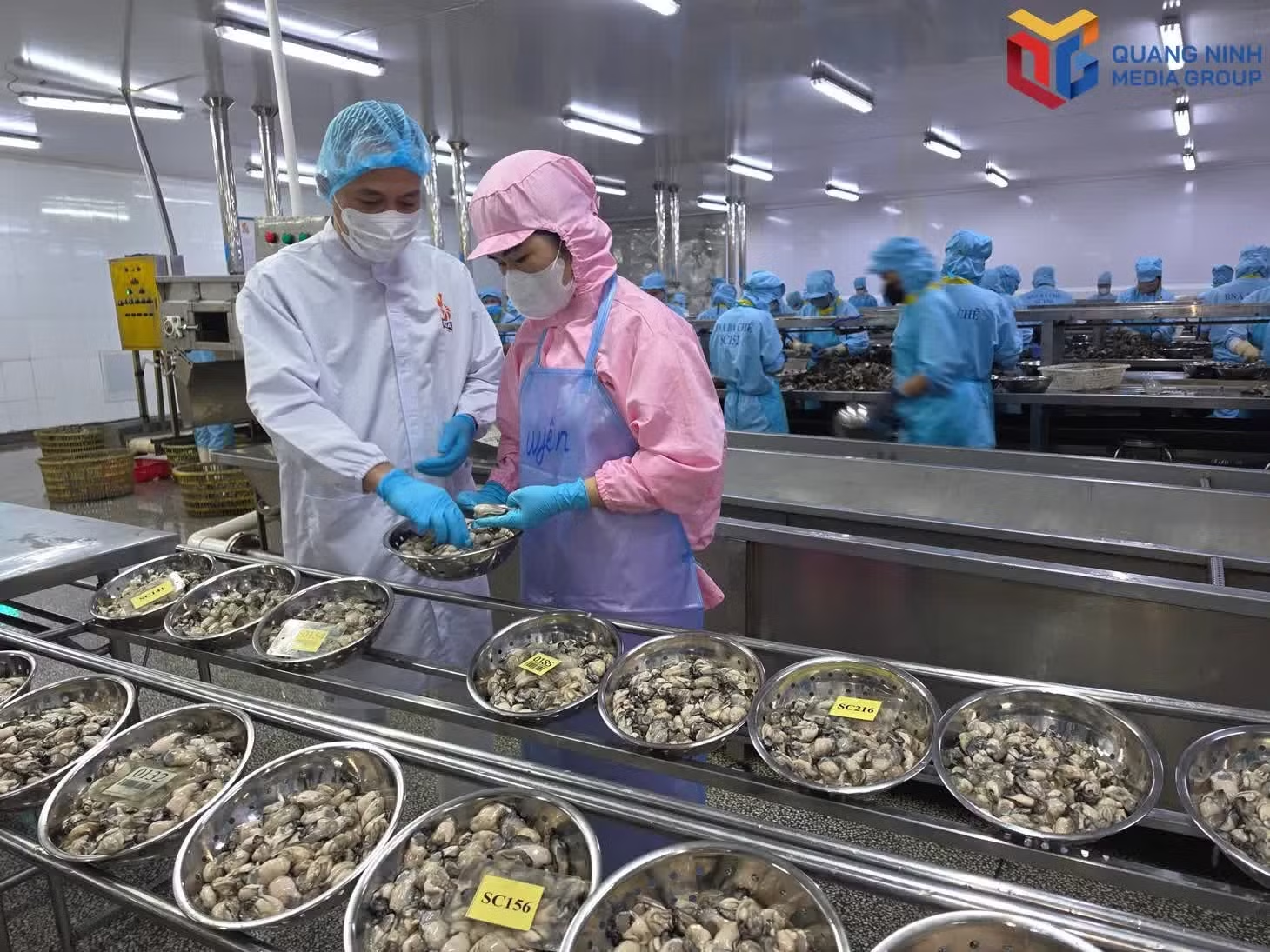
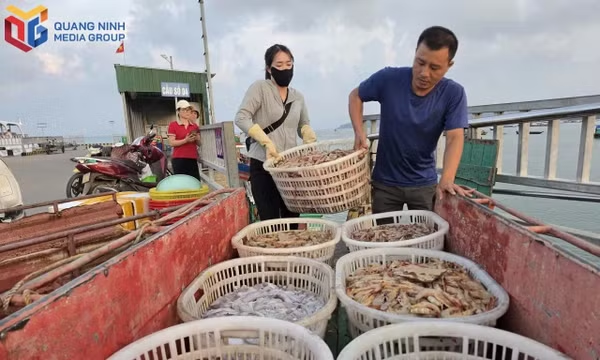
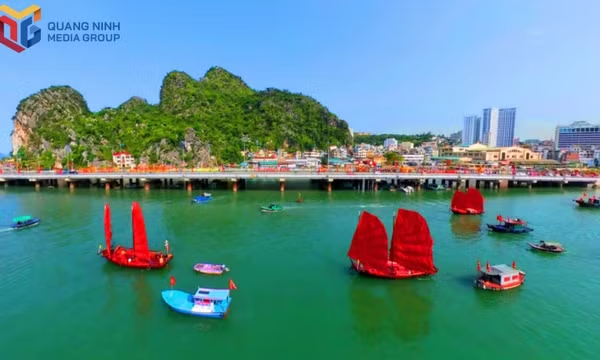
The city is also orienting marine economic development towards a more diversified, modern and greener model, with a focus on offshore energy, marine processing industries, green marine economic zones, and high-quality marine and island tourism linked with nature and cultural conservation. Under this approach, green growth in the marine economy is not simply about reducing environmental impacts, but also involves shifting from extensive exploitation to increasing the value of marine resources, raising the technological and service content, and maintaining ecosystem quality - the foundation for many long-term economic activities
Making environmental standards part of development quality
While processing and manufacturing and the marine economy create new growth drivers, environmental quality is one of the important measures for assessing the effectiveness of this development model. Quang Ninh has therefore incorporated targets on clean water, waste, wastewater and forests directly into its development indicators through 2030.
Under the orientation, more than 99% of the urban population will have access to clean water through centralised water supply systems, while more than 85% of the rural population will use clean water meeting prescribed standards. Municipal solid waste in urban areas, island communes and communes with tourism and service activities will be fully collected and treated, while the corresponding rate in rural areas will reach 90%. Wastewater in concentrated urban areas will be fully collected and treated. Operating industrial parks and industrial clusters will be required to have centralised wastewater treatment systems meeting prescribed standards. Forest coverage will be maintained at more than 50%, with greater attention also given to improving forest quality.
From an economy once heavily dependent on resource extraction, Quang Ninh is developing new growth drivers based on technology, productivity, services, processing and manufacturing, the marine economy and green industries. When resource-use efficiency, environmental quality and the well-beingof residents are considered alongside the pace of growth, “green” is no longer a separate task outside the economy, instead, it becomes a criterion for shaping and organising the development path.