Once a region known primarily for its coal mines, Quang Ninh has undergone a remarkable transformation over the past 63 years, emerging as a major economic growth center in northern Vietnam. Its journey reflects a legacy of resilience, a commitment to innovation and an ambition to build a greener, more prosperous future.
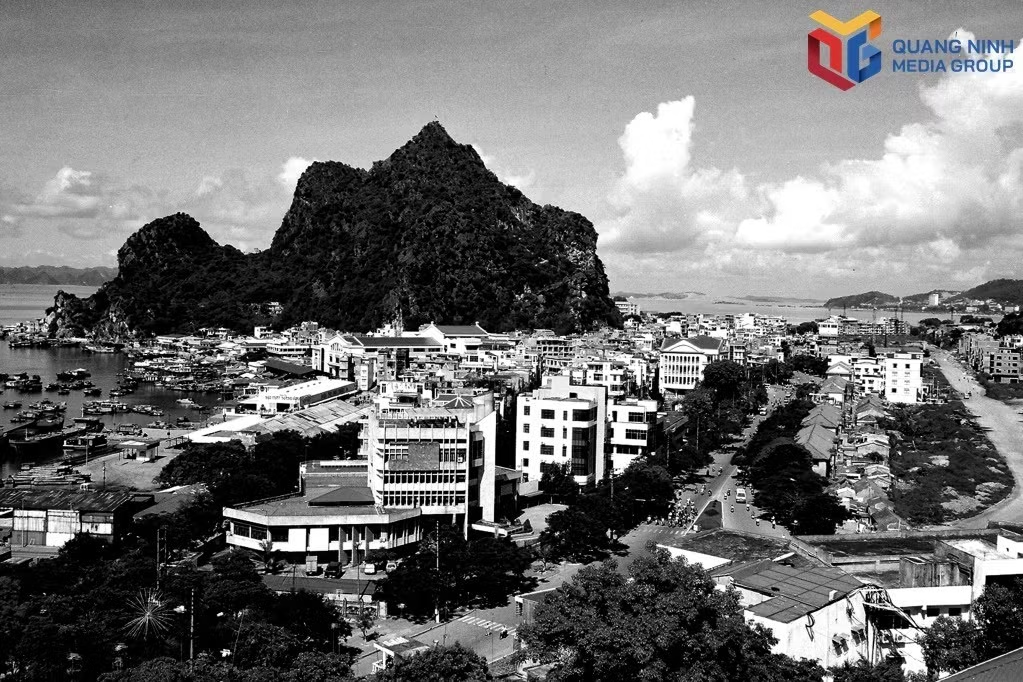
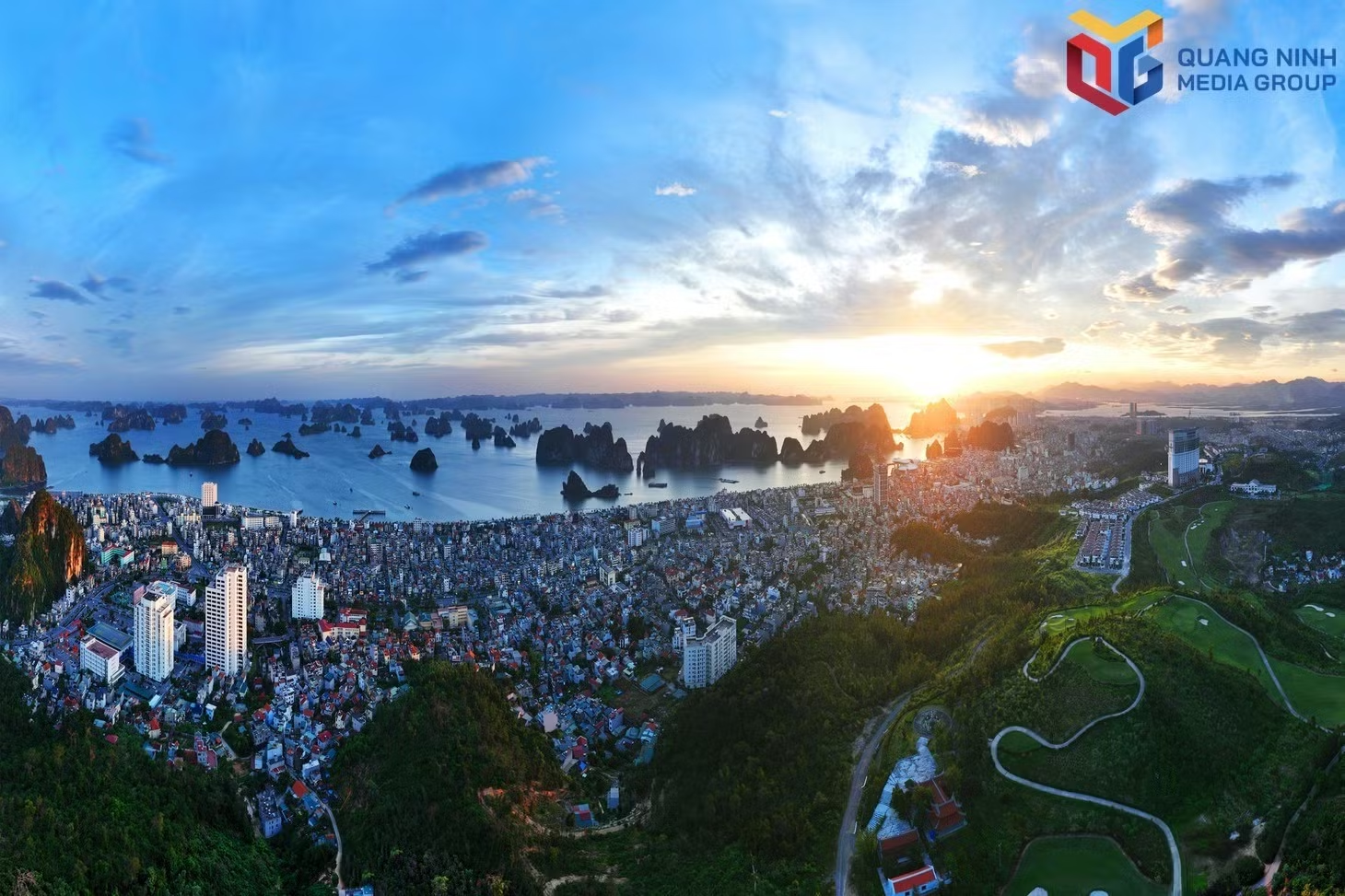
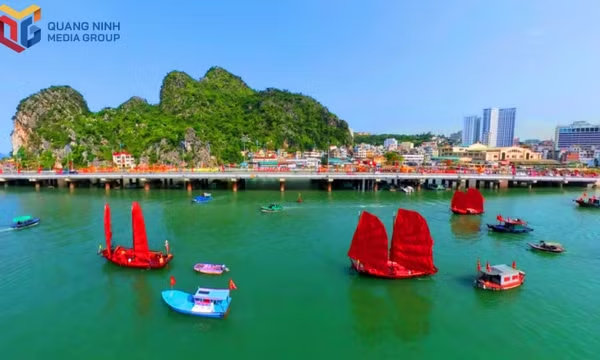
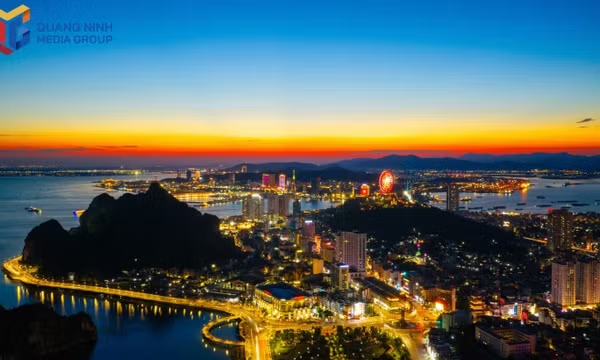
Few places in Vietnam bring together such a rich combination of natural resources, cultural heritage and economic potential as Quang Ninh. Often described as a miniature Vietnam, the region is home to the country's largest coal reserves, the UNESCO-listed Ha Long Bay, a long border with China and an extensive coastline dotted with islands.
Its identity has been shaped by generations of coal miners whose tradition of "Discipline and Solidarity" has become a defining part of local life.
From a region once heavily dependent on central government funding, Quang Ninh has developed into one of northern Vietnam's leading economic centers, contributing to national growth while pursuing the vision of prosperity set out by President Ho Chi Minh.
A coal region in transition
Quang Ninh was established on October 30, 1963, through the merger of Hai Ninh province and the Hong Quang region, covering an area of 6,206.9 square kilometers.
The decision marked a turning point in the development of northeastern Vietnam. With its vast coal reserves, important seaports, extensive maritime territory and strategic border with China, Quang Ninh held a significant position in the country's economic and national defense plans.
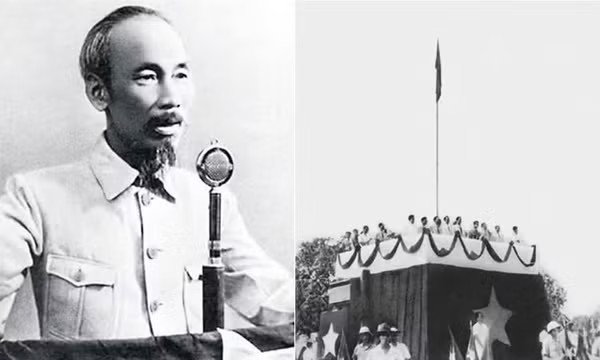
President Ho Chi Minh himself gave the province its name, reflecting the aspiration for a vast, peaceful and prosperous region.
In its early decades, Quang Ninh faced the challenges of both economic development and wartime responsibilities. During the war, local residents and coal miners continued production while helping defend their homeland and supporting the country's reunification efforts.
The spirit of "Discipline and Solidarity" grew stronger through those difficult years, becoming a lasting source of strength for the mining community.
Following Vietnam's economic reforms in 1986, Quang Ninh began restructuring its economy, restoring production and improving living standards.
Coal remained a pillar of the national energy industry, but the sector also began modernizing its operations.
By 1990, clean coal output had reached about 3.5 million metric tons, up 16% from the previous year. Coal sales totaled nearly 3.7 million tons, while exports rose 47% to 752,000 tons.
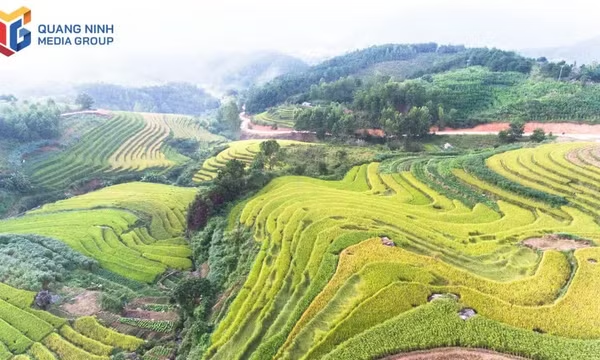
The 1990s brought further changes as Quang Ninh moved toward a market-oriented economy. Alongside mining, new sources of growth emerged in cross-border trade, seaports, tourism, services, manufacturing, agriculture, forestry and fisheries.
Two milestones in 1994 helped reshape the region's future.
On April 15, the Bac Luan Bridge opened and the Mong Cai-Dongxing international border crossing began operations, strengthening trade links between Vietnam and China.
On December 17, UNESCO recognized Ha Long Bay as a World Natural Heritage site for its outstanding natural beauty, bringing Quang Ninh greater international recognition as a tourism destination.
The region increasingly focused on both industry and tourism, while investing in infrastructure, expanding production capacity and attracting foreign investment.
Despite market difficulties following the Asian financial crisis, the coal industry continued to support employment and local economic development.
By 2000, clean coal production had reached 9.5 million tons, with sales totaling 10.2 million tons. Average monthly wages in the sector stood at 1.037 million Vietnamese dong per worker.
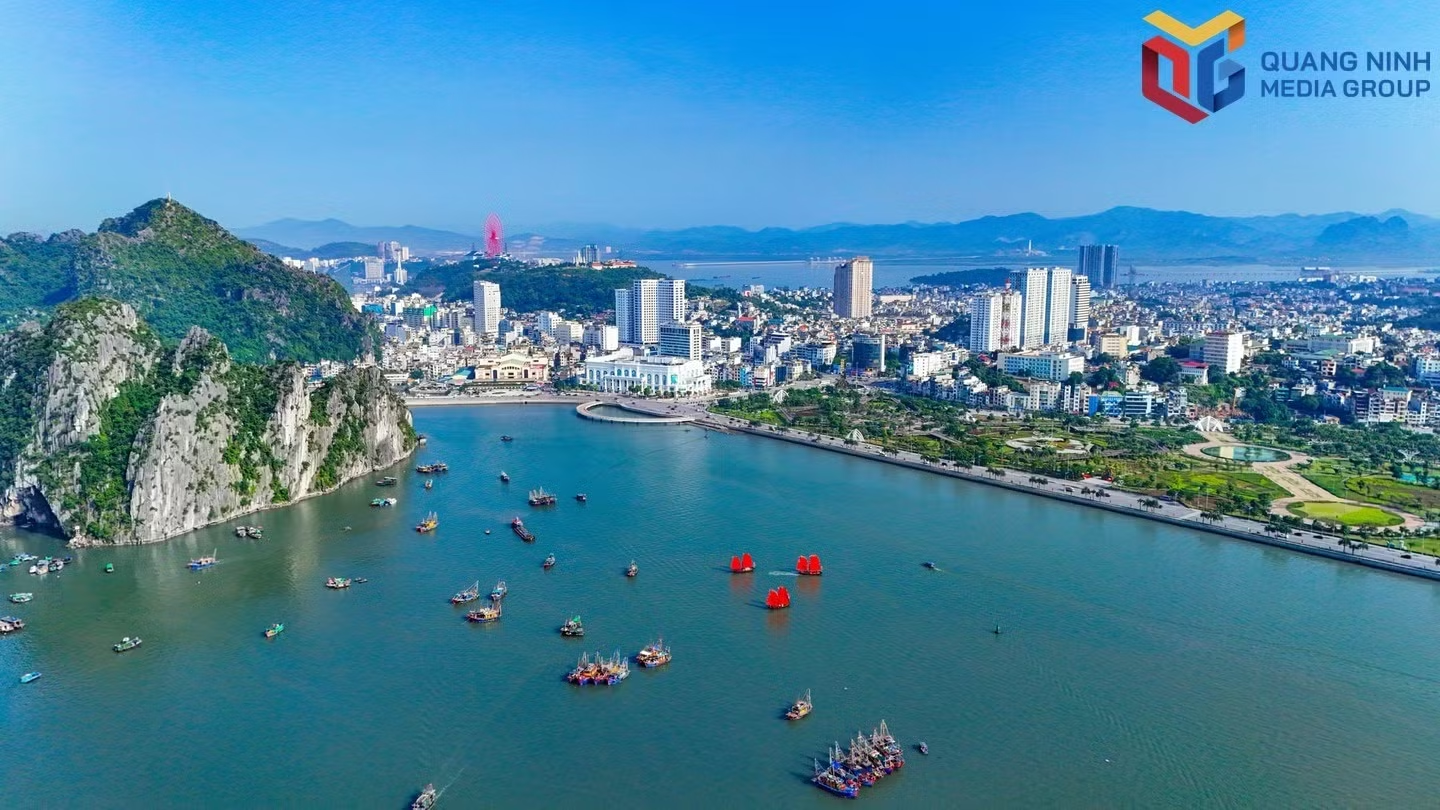
Entering the 21st century, Quang Ninh accelerated economic reforms, restructured state-owned enterprises, encouraged private investment and improved its business environment.
In late 2011, it became the first locality in Vietnam to establish a dedicated agency for investment promotion and support, helping simplify procedures and improve services for investors.
From 2013, Quang Ninh introduced public-private partnership models to attract resources for major infrastructure projects.
In 2014, it announced seven strategic development plans through 2020, with a vision toward 2030, providing a clearer framework for long-term growth.
From brown to green growth
One of Quang Ninh's most significant changes has been its transition from a "brown" economy, heavily dependent on resource extraction, toward a greener and more diversified development model.
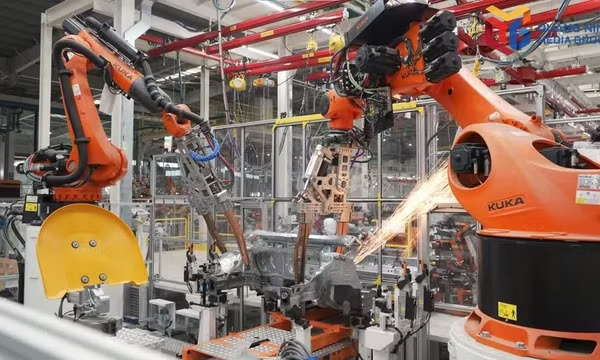
While coal remains an important industry, Quang Ninh has increasingly focused on tourism, services, manufacturing, logistics, the marine economy and environmentally sustainable industries.
The strategy places nature, people and culture at the center of development, supported by investment in infrastructure, workforce training and administrative reform.
Science, technology, digital transformation and international integration have also become increasingly important.
The shift is reflected in the changing structure of the economy.
Mining accounted for about 35% of Quang Ninh's economy in 2010. That share fell to 16.6% in 2023 and just 8.11% of gross regional domestic product in 2025.
Infrastructure development has played a central role in this transformation.
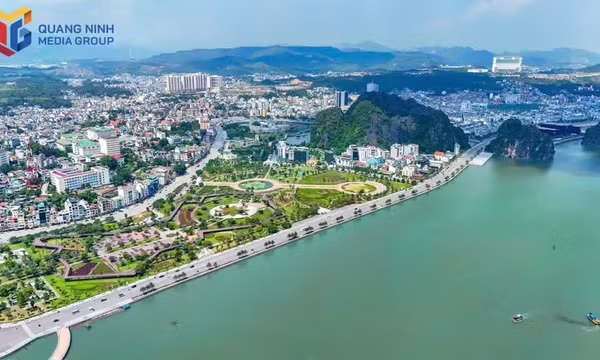
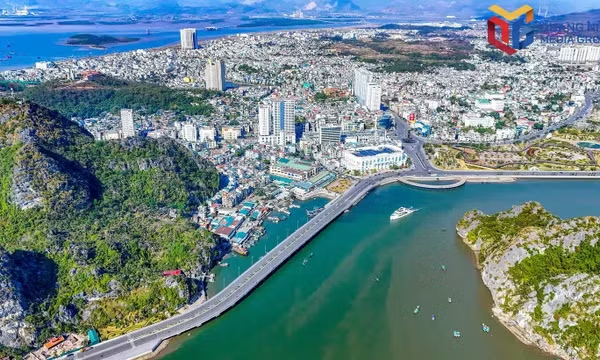
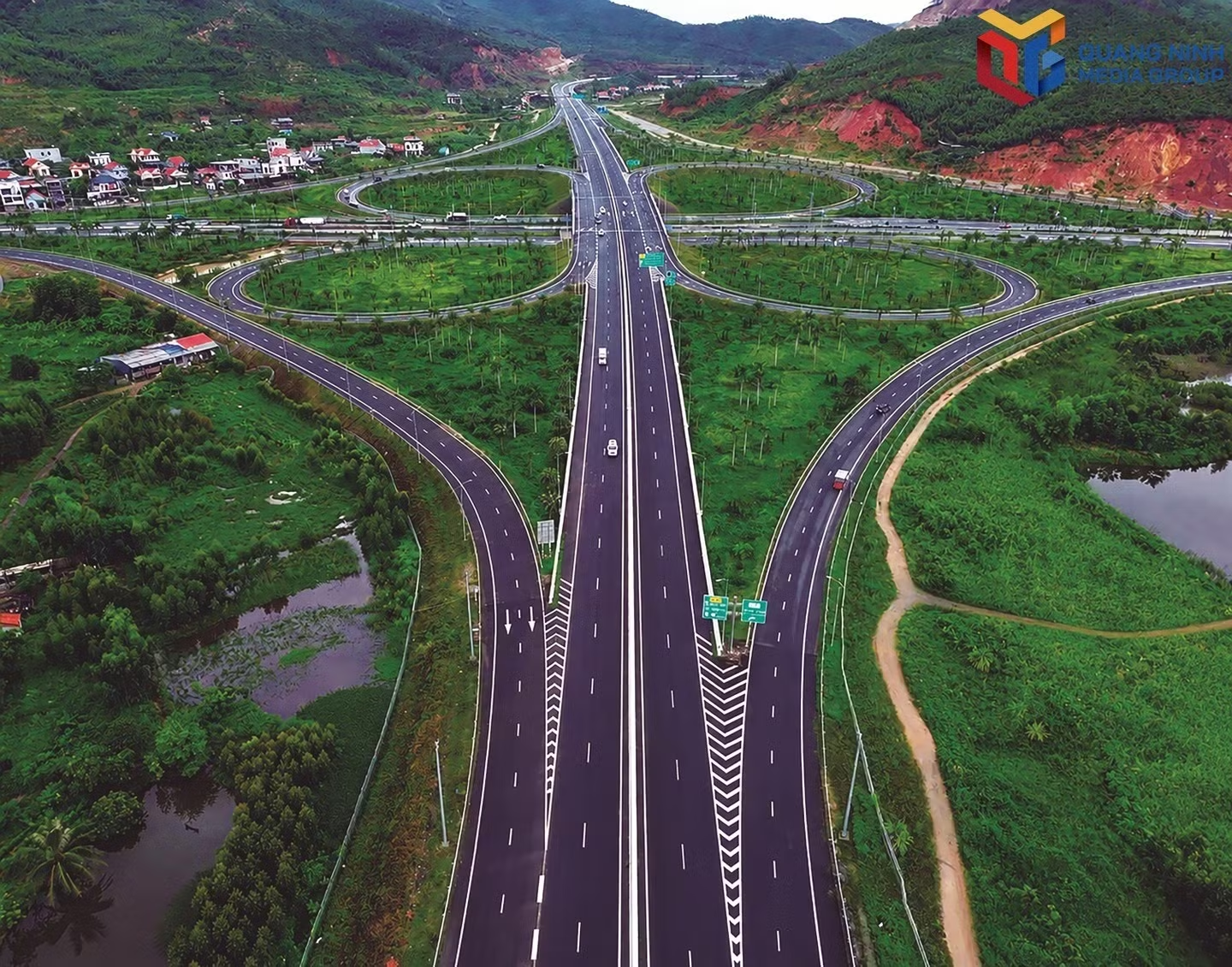
Through public and private investment, Quang Ninh has developed an extensive expressway network, Van Don International Airport, Ha Long International Cruise Port and major coastal and regional transport routes.
These projects have shortened travel times between Hanoi and Ha Long and improved connections among major economic areas, including Van Don, Mong Cai, Cam Pha and Uong Bi.
The economic results have been substantial.
Since 1991, Quang Ninh has consistently ranked among Vietnam's faster-growing localities, recording double-digit growth in many years.
Between 2021 and 2025, its economy grew by an average of nearly 10% annually.
In 2025 alone, gross regional domestic product increased 11.89%, while the economy reached 368.445 trillion dong, about 103 times its size in 1986.
GRDP per capita reached $10,402 in 2025.
Quang Ninh also topped Vietnam's Provincial Competitiveness Index rankings for seven years, reflecting its efforts to improve the investment and business environment.
Together, these achievements have helped establish Quang Ninh as an important economic growth center in northern Vietnam.
Expanding opportunities for the future
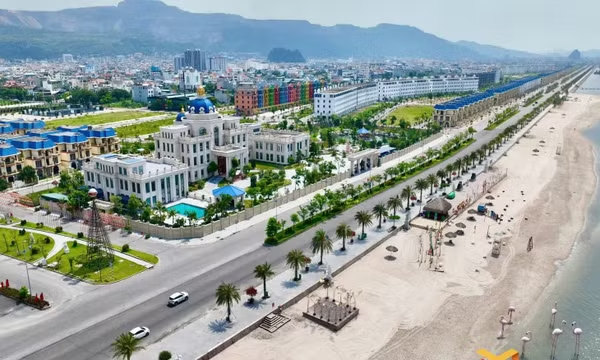
Quang Ninh's transformation has gone beyond economic growth. It has also changed the region's physical landscape, strengthened its infrastructure and opened new opportunities for businesses and local communities.
As a major coal-producing region, Quang Ninh continues to contribute to Vietnam's energy security. At the same time, its shift toward green growth has demonstrated how an economy built on natural resources can diversify through investment, innovation and long-term planning.
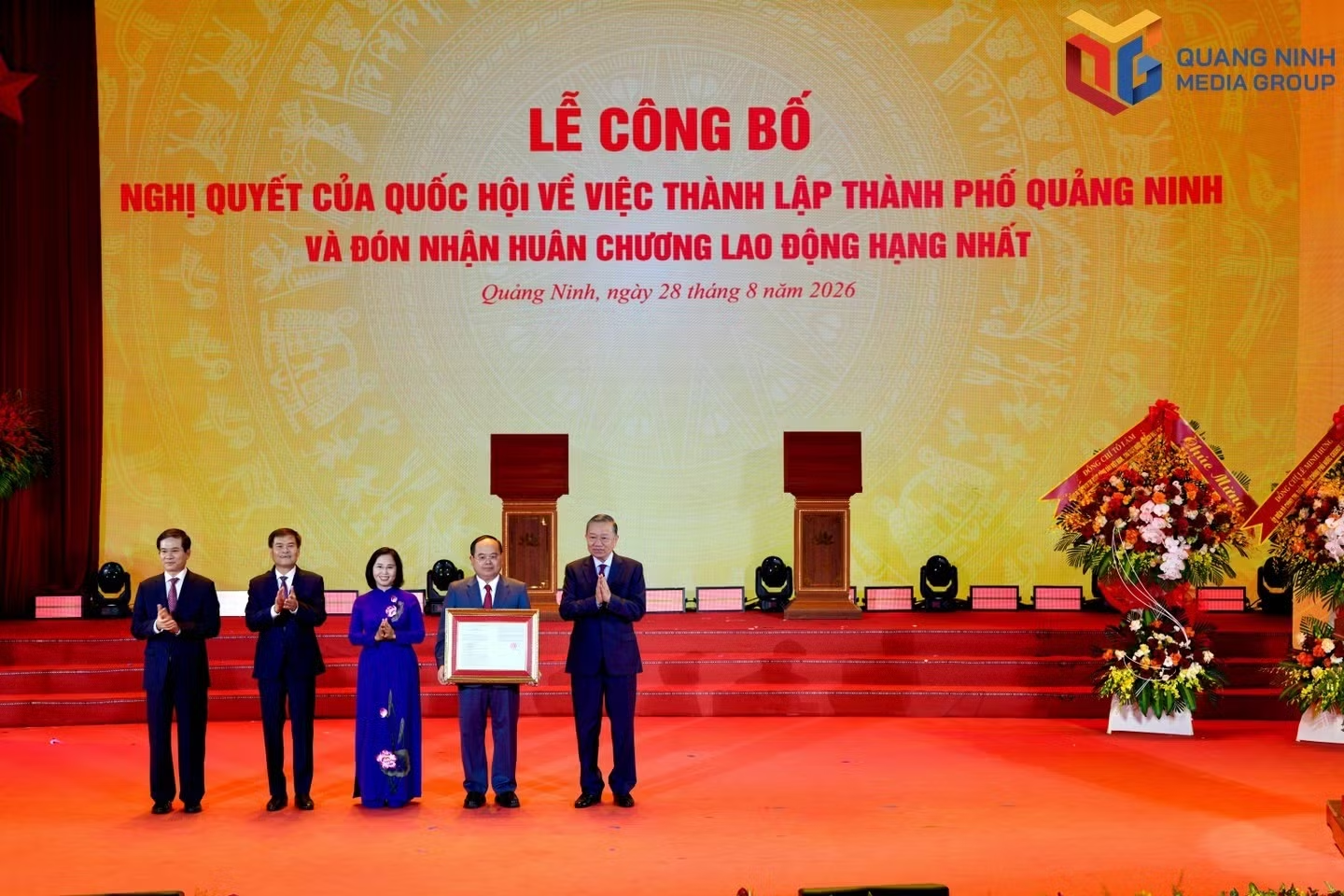
A new milestone came on September 1, 2026, when Quang Ninh officially became a city.
The change marked more than an administrative transition. It opened a new chapter in urban planning and regional development, bringing together urban areas, coastal communities, islands, border regions and heritage sites within a more connected development framework.
Quang Ninh now aims to become a green, smart and modern city, with a development model that links multiple economic centers rather than relying on a single urban core.
Science, technology and digital transformation are expected to play leading roles in its next stage of growth.
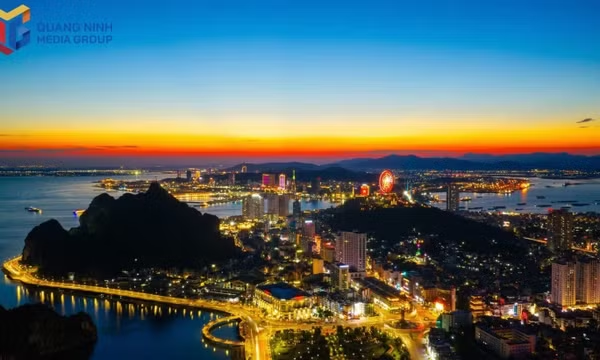
The city also plans to expand its green economy, marine economy, heritage-based industries, border trade, nighttime economy and cultural industries.
At the ceremony announcing the National Assembly's resolution establishing Quang Ninh city, General Secretary and President To Lam highlighted both the opportunities and responsibilities ahead.
He described Quang Ninh as a place shaped by great challenges and bold progress, where generations of people have worked together to overcome difficulties.
He said the new chapter offered the city a major opportunity, but also brought significant responsibilities.
For Quang Ninh, the next chapter builds on a legacy of hard work, resilience and solidarity.
The coal industry that helped shape its identity remains an important part of its history and economy. But its future increasingly lies in a broader range of industries, stronger regional connections and a development approach that values both economic progress and environmental protection.
From the deep coal seams of its mining towns to the waters of Ha Long Bay, Quang Ninh's story is one of transformation without losing sight of its roots.
Sixty-three years after its establishment, the city continues to pursue a vision of sustainable prosperity, drawing on the same spirit of "Discipline and Solidarity" that has guided generations of its people.
It is a journey that honors the past while looking confidently toward the future.