The first coal-mining activities in the mountainous area of Yen Lang in 1840, during the Nguyen Dynasty, marked the beginning of Viet Nam’s coal mining industry. Since then, the Quang Ninh coal region has witnessed many historical milestones, reflecting generations of miners’ steadfast fighting spirit and creativity at work. These historical chapters have been preserved through monuments, artefacts and revolutionary historical sites, which have become important places for nurturing pride and upholding the coal miners’ tradition of "Discipline and Unity".
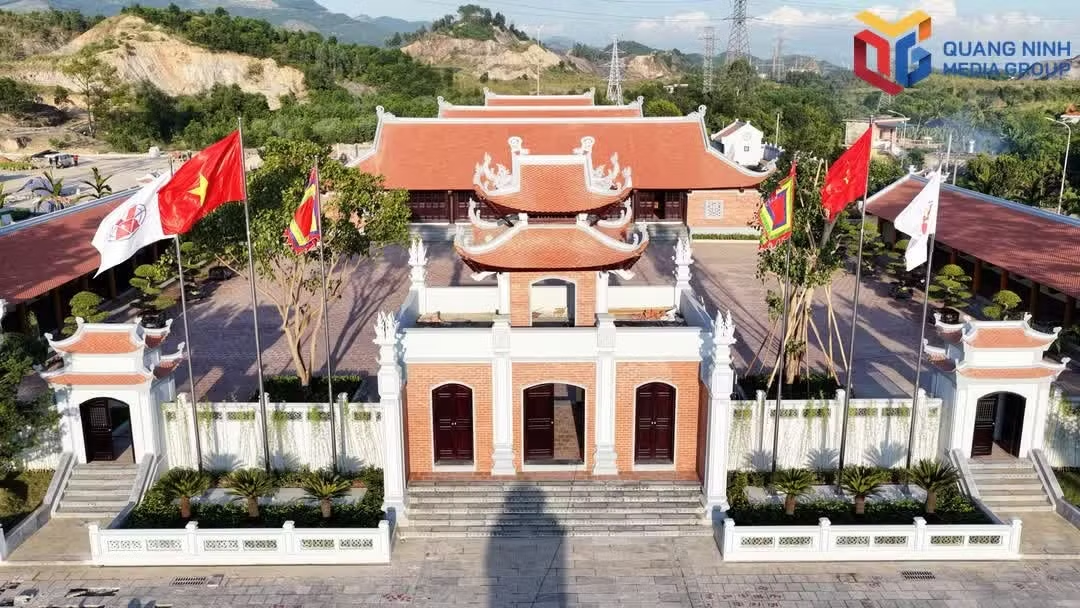
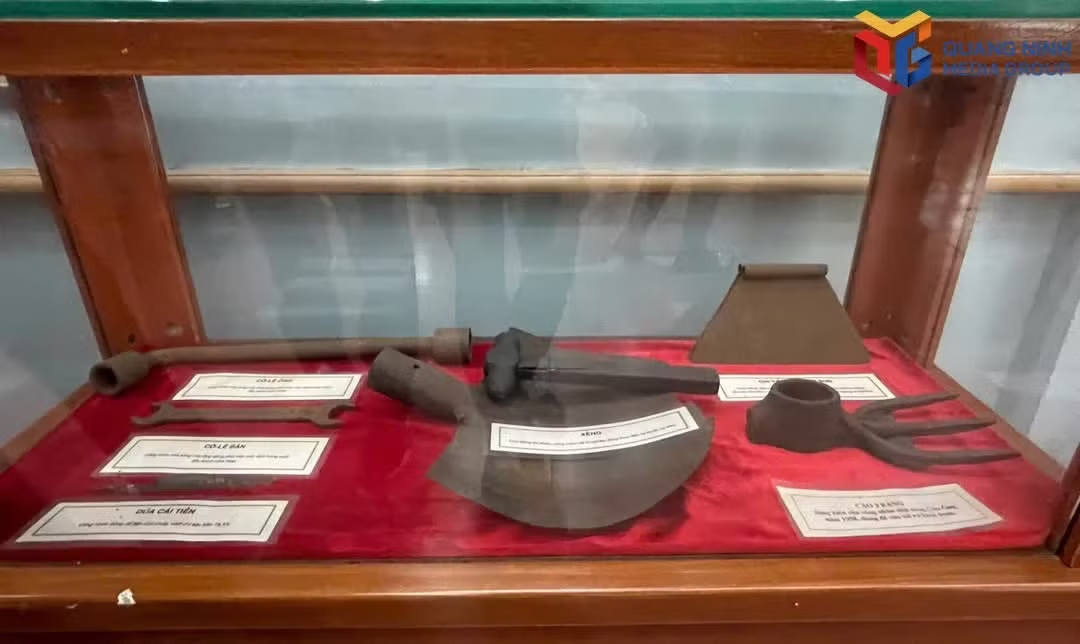
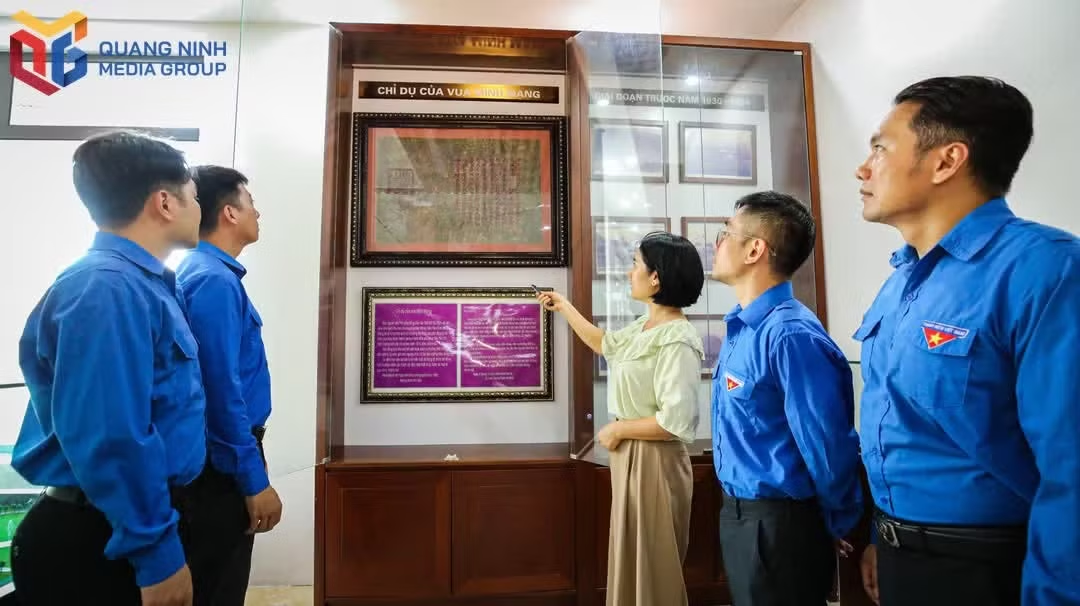
The temple complex dedicated to King Minh Mang, Hai Yen Governor Ton That Bat and the founders of the coal mining industry preserves historical traces of coal mining in Quang Ninh.Primitive picks, shovels and other coal-mining tools dating from the French colonial period are preserved at the Traditional House of Cua Ong Coal Selection Company-VINACOMINYouth Union members of the coal industry learn about King Minh Mang’s decree on coal mining, a historical milestone marking the beginning of coal mining in the Quang Ninh coal region.
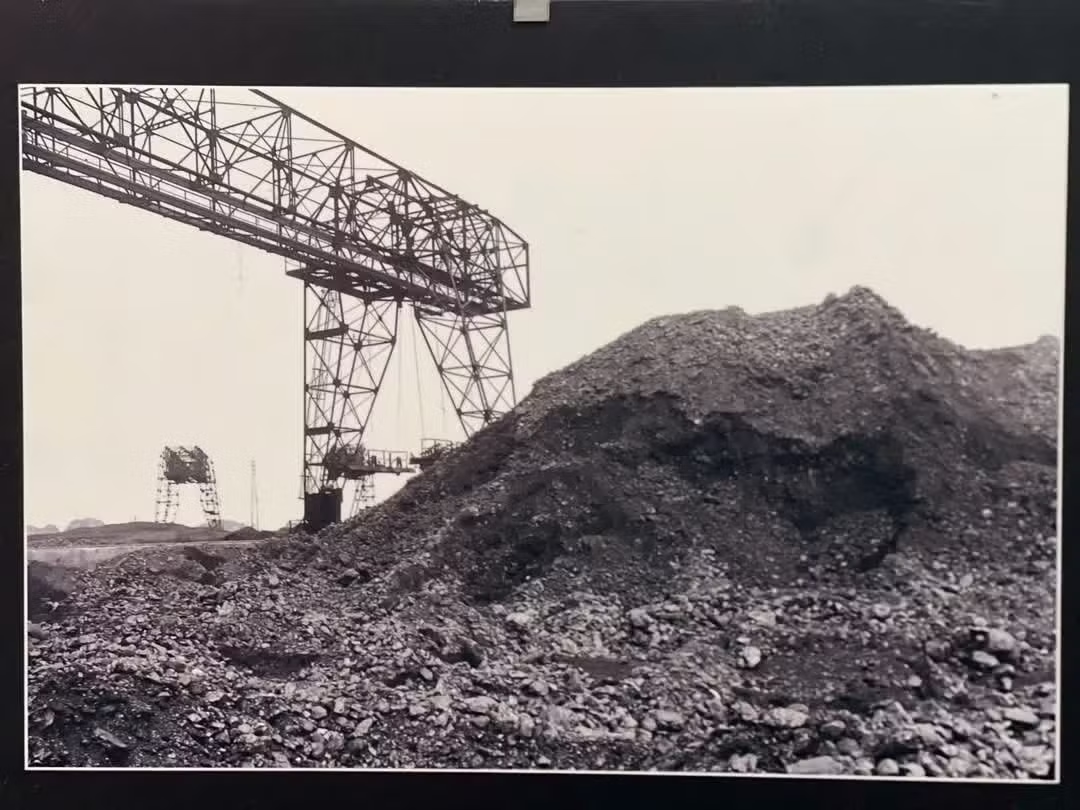
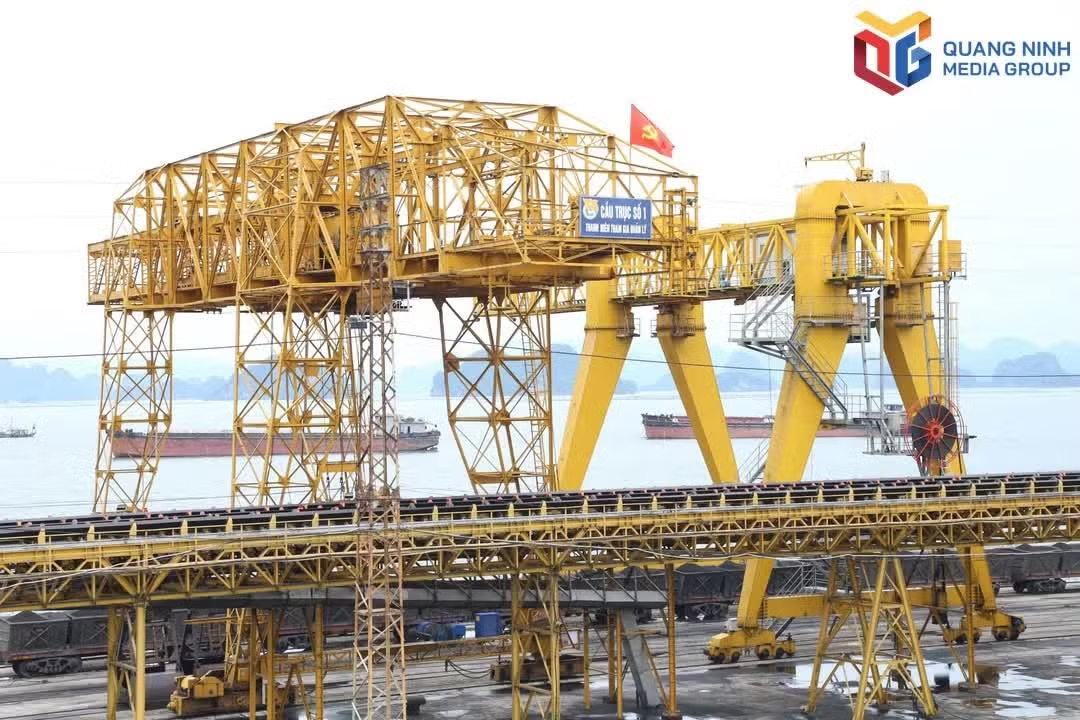
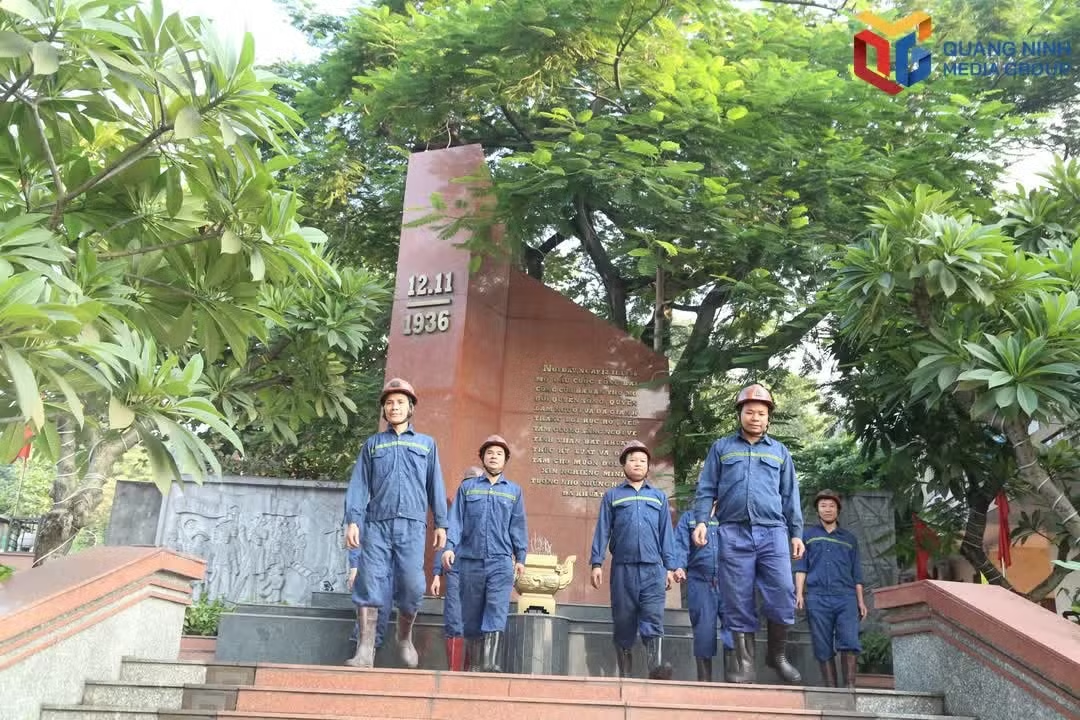
Portal Crane No. 1 was one of the cranes designed and manufactured by the French. It was put into operation in 1928, with an initial designed capacity of 52 tonnes of coal per hour.Portal Crane No. 1 remains in operation as part of the coal production and handling process at Cua Ong Coal Selection Company-VINACOMINThe National Historical Site of Deo Nai Mine Road Junction, where the general strike by more than 30,000 coal miners began on 12 November 1936, represents the solidarity and steadfast fighting spirit of the working class of the Quang Ninh coal region.
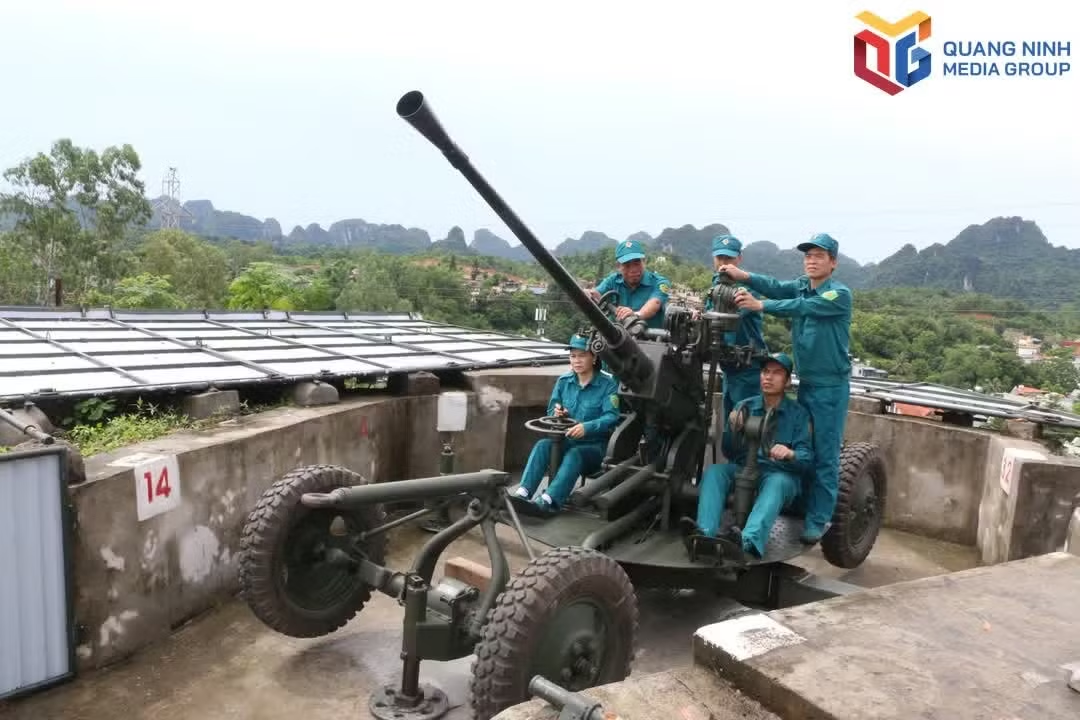
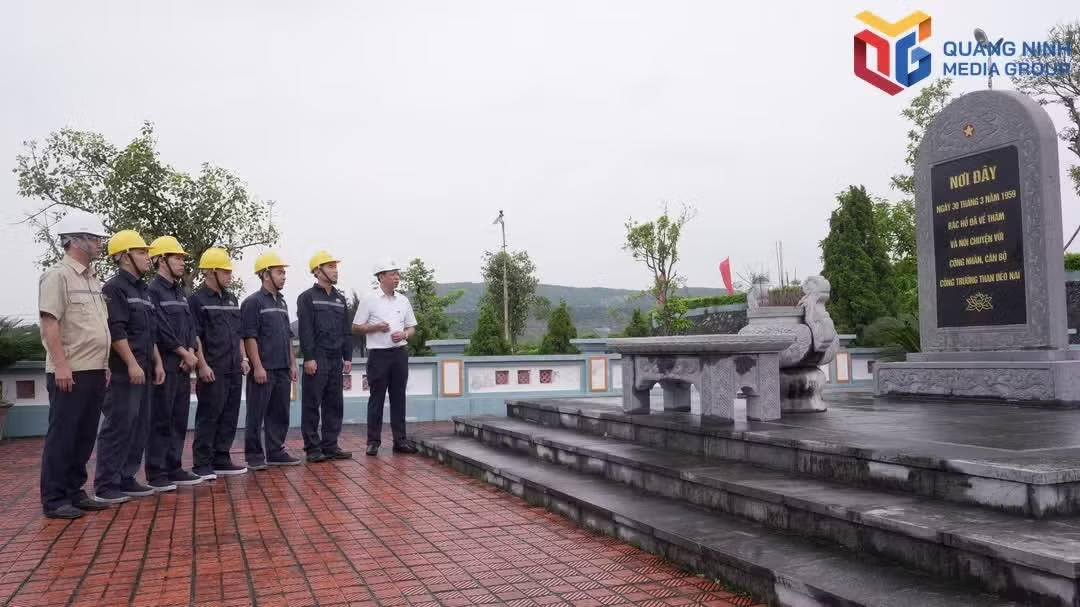
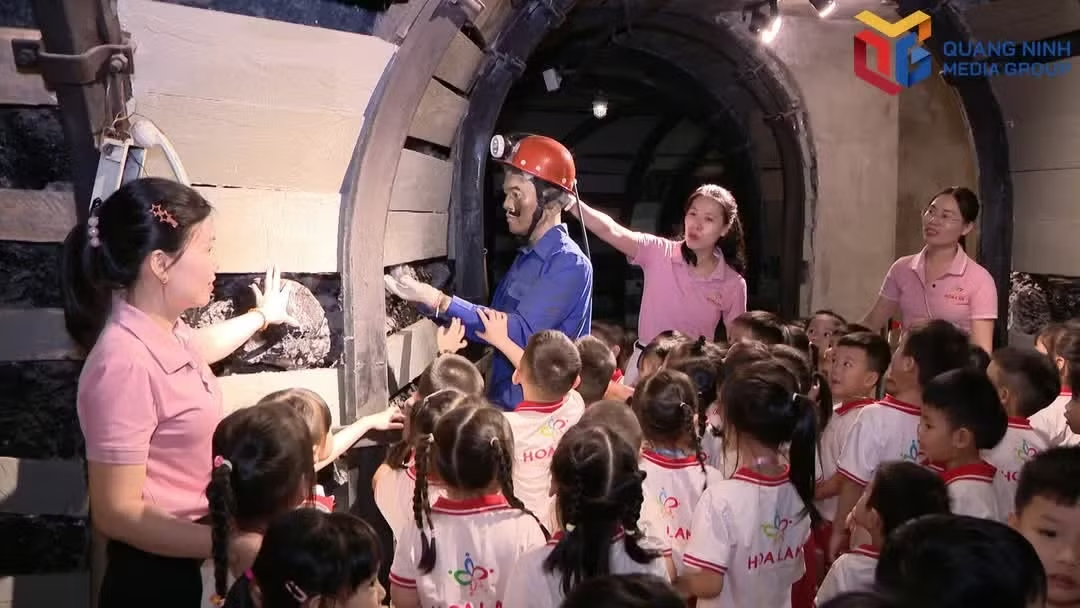
The 37mm anti-aircraft artillery site in the Hon Gai Coal Screening Plant area, recognised as a National Historical Site in 1997, commemorates the years when coal miners in the Quang Ninh region both maintained production and fought to defend their homeland.The site where President Ho Chi Minh spoke to officials and workers of Deo Nai Mine in 1959 has become an important revolutionary landmark, reminding generations of miners to follow his teachings and preserve and uphold the tradition of “Discipline and Unity”.Through these “revolutionary sites”, the history of the Quang Ninh coal region is passed down to younger generations, helping preserve, strengthen and promote the tradition of “Discipline and Unity”. Photo: Students visit and learn about a model of an underground coal mine on display at Quang Ninh Museum.