Vietnam’s coal industry has a history spanning nearly two centuries. That history is preserved not only in documentary records, but also in places that have become “witnesses” to different stages of the industry’s development, as well as in the artefacts, photographs and documents kept to this day.
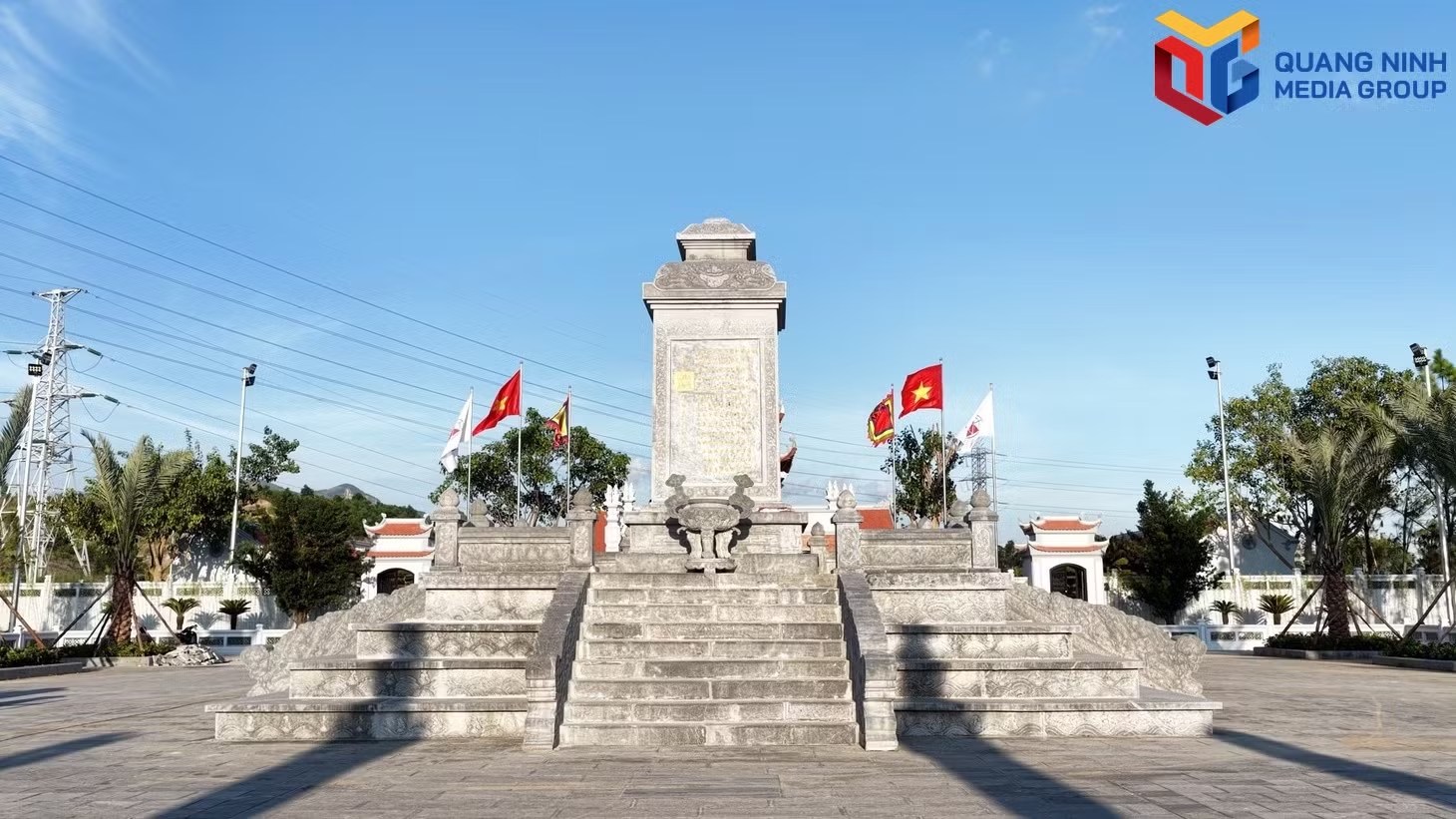
On January 10, 1840, under the reign of King Minh Mang, the Nguyen Dynasty court approved a proposal by Hai Yen Governor Ton That Bat to allow coal mining in the Yen Lang mountain area of Dong Trieu. This decision is regarded as the official milestone marking the “birth” of Vietnam’s coal industry. From the first exposed coal seams on Yen Lang Mountain, an industry gradually took shape, developed and became closely associated with the country’s construction and defence over nearly two centuries.
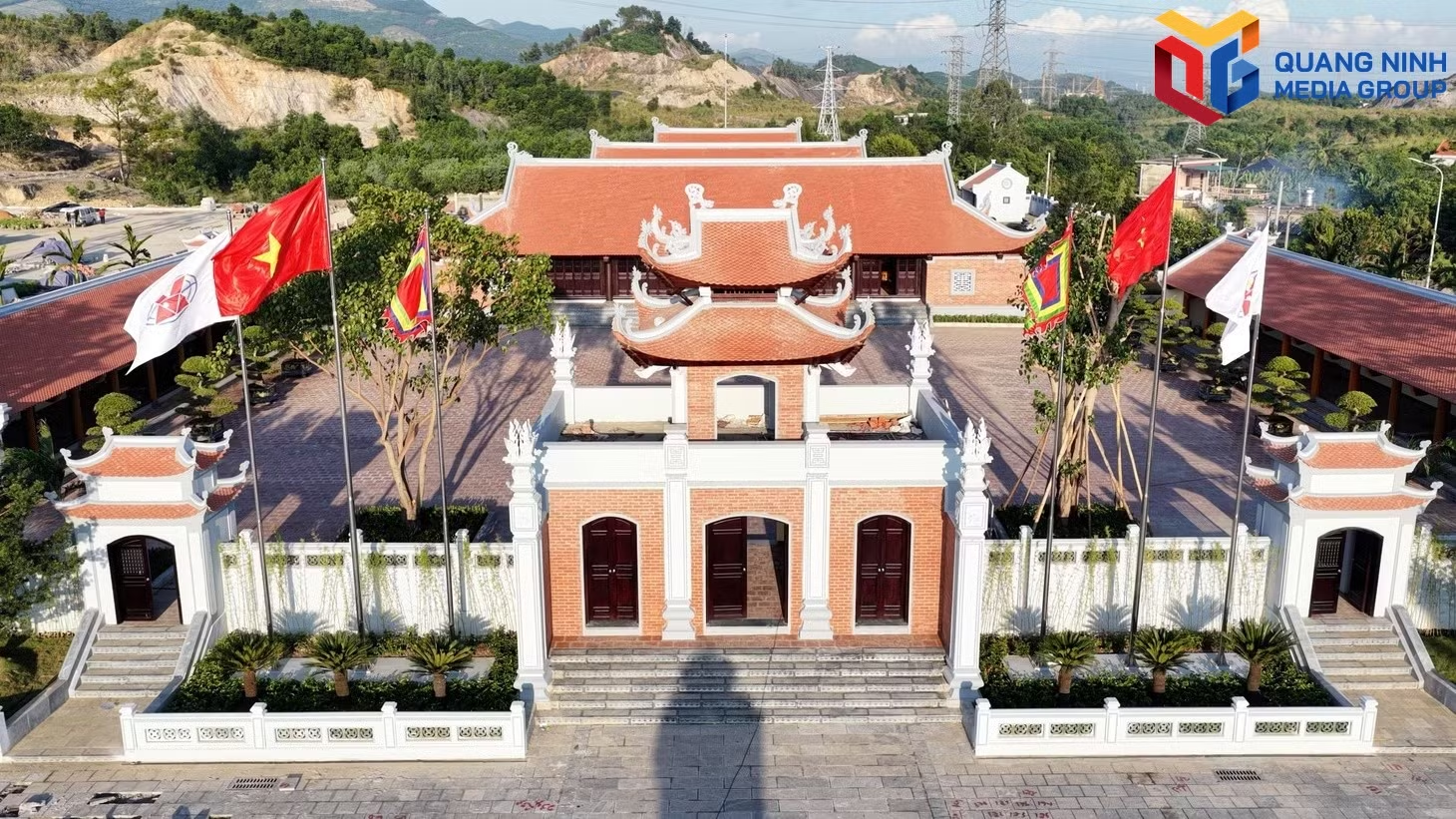
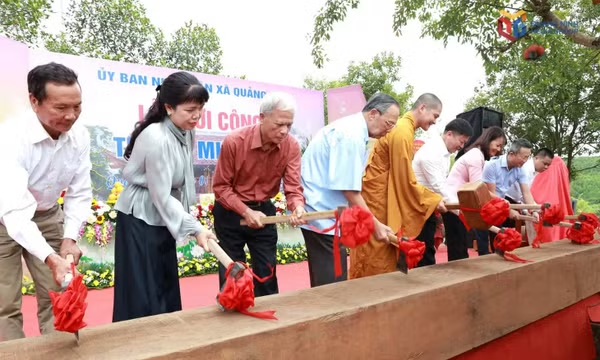
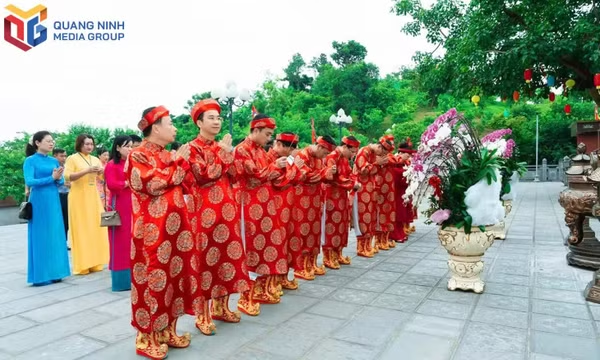
From an early coal-mining site, Yen Lang gradually became a place preserving the memories of generations of miners. To conserve and promote the value of this special site, the relic complex marking Vietnam’s first coal-mining site has been restored and upgraded with a number of facilities, including the Upper Temple dedicated to King Minh Mang, Hai Yen Governor Ton That Bat and the founders of the coal-mining profession; the Lower Temple; a memorial stele house dedicated to miners who died in the course of coal production; and the Imperial Edict Monument. Together, these form a space that both preserves historical traces and serves sightseeing and traditional education.
If Yen Lang marks the beginnings of coal mining in Vietnam, the Cam Pha Coal Region Memorial Site tells the story of a Mining Area that took shape, developed and became closely associated with the workers’ movement. Covering around 4,800 m2 in Cam Pha ward, the relic complex includes the former Town Party Committee building, the former Cam Pha Hospital building, two air-raid shelters, an assembly ground, a lookout tower, gardens and old trees. The site was originally an administrative agency complex built by the French and associated with Vavasseur, the resident official who held the highest position in the French administration in Cam Pha at the time.
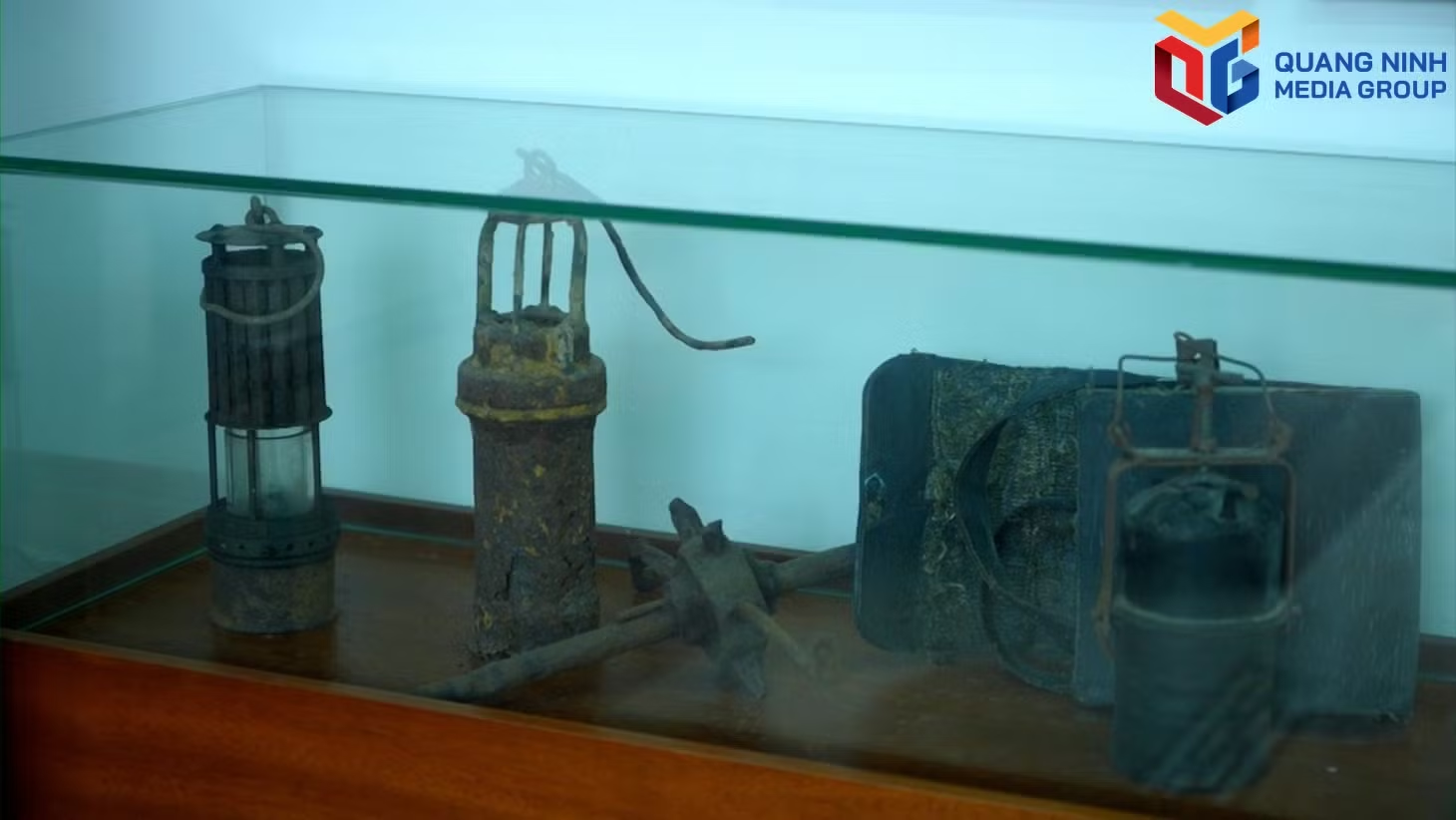
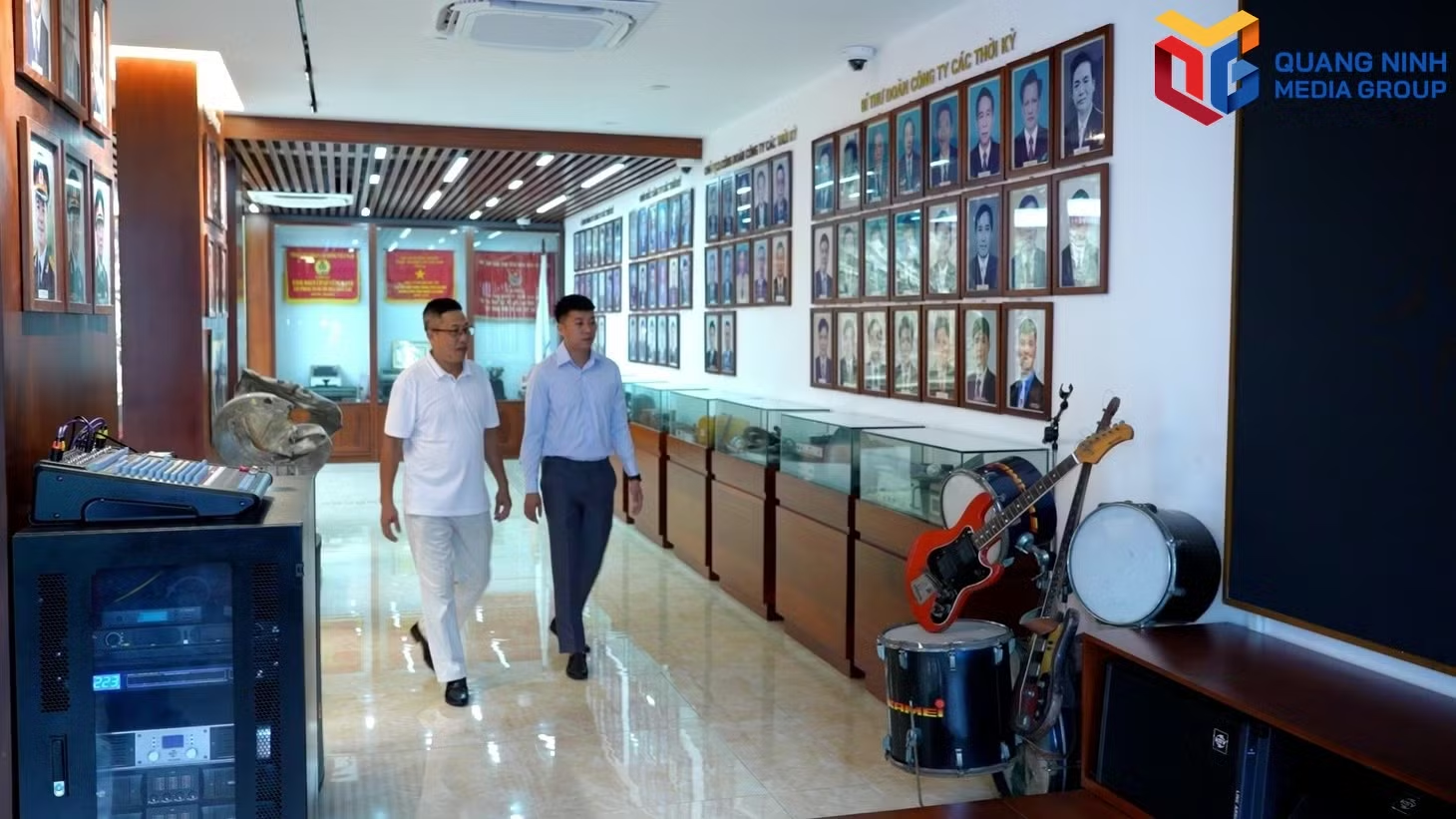
Each on-site relic and traditional room at coal industry units represents a slice of the sector’s history. When systematically connected with Quang Ninh Museum, open-pit mines, mining sites, coal preparation plants, ports and dedicated railway lines, they could form a distinctive “open-air museum”. Experts regard this as major potential for Quang Ninh to develop a distinctive industrial heritage tourism product.