Quang Ninh city has more than 430,000 hectares of forest and forestry land. Protecting these resources from fire is a major challenge during the dry season, when hot weather and dry vegetation can allow fires to spread rapidly. To improve early detection, the city has deployed seven forest fire monitoring towers and 18 unmanned aerial vehicles (UAVs) in high-risk areas, expanding surveillance and helping authorities identify potential fire threats.
Forestry companies and residents strengthen fire prevention
Tien Yen Forestry One-Member Limited Liability Company manages nearly 7,000 hectares of forest, including 4,300 hectares of production forest, with the remainder classified as particularly critical protection forest. The rugged terrain and vast area under its management make forest fire prevention and control especially challenging.
The company has raised its forest fire alert to the highest level and maintains round-the-clock patrols in high-risk areas. Personnel also remain on duty at fire lookout posts to detect smoke and respond promptly to any signs of fire.
At the same time, the company has inspected its firefighting equipment, purchased additional tools and maintained existing ones, including air blowers, chainsaws and manual equipment.

A central steering committee oversees the work, supported by forest fire prevention and control teams at the company’s production units. These teams are ready to mobilize personnel and equipment to contain fires before they spread.
Local residents are also being encouraged to take greater responsibility for protecting the forests they manage. Through awareness campaigns and household-based forest management, forest rangers and local authorities are helping people understand the importance of preventing fires and safeguarding forest resources.
Pham Van Hung, a resident of Dong Chau neighborhood in Tien Yen Commune, manages 4.9 hectares of forest land with his family. More than three hectares are natural forest that requires strict protection, while the rest is used for commercial forestry. His family has signed a commitment with local authorities to protect the forest and prevent fires.
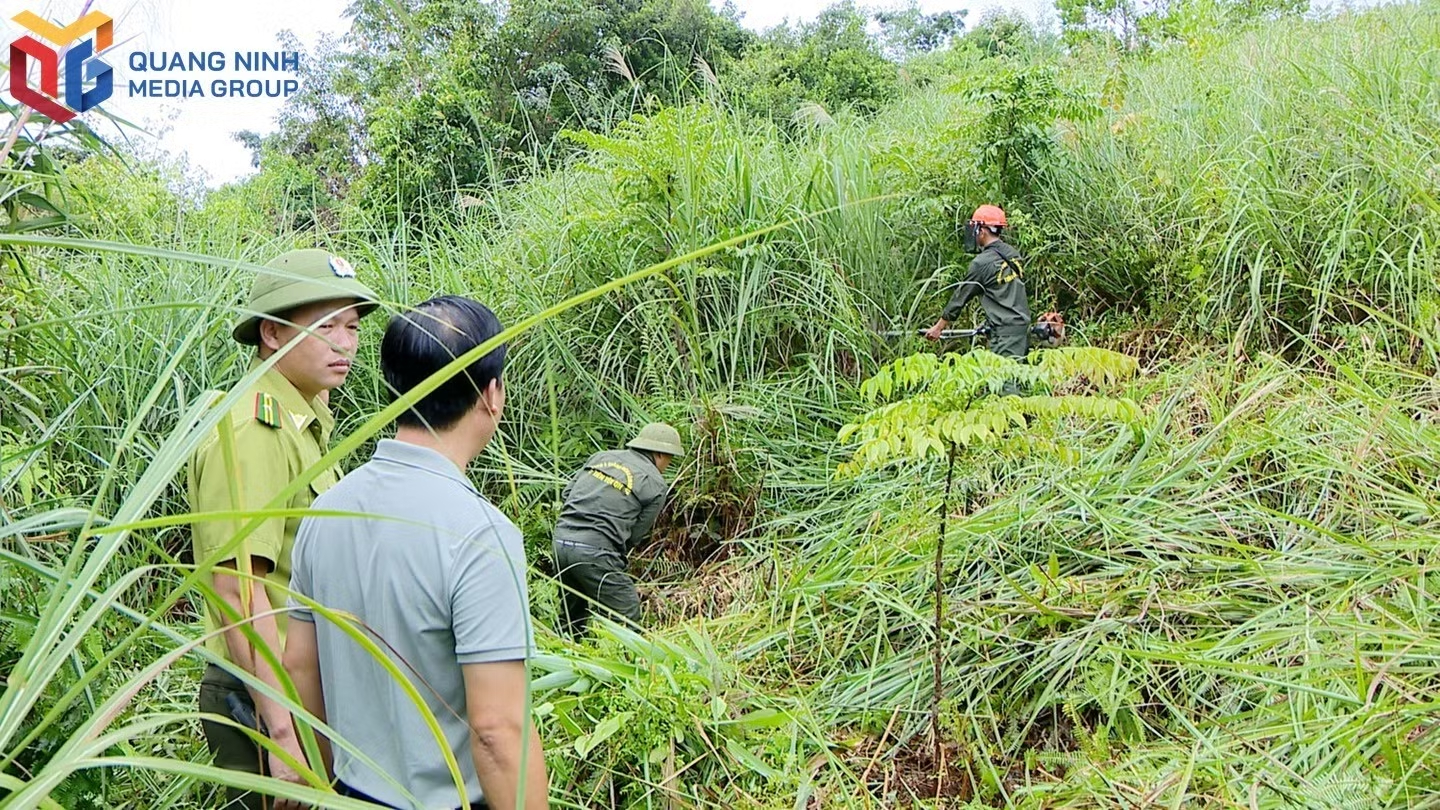
Hung keeps track of people entering the family’s forest land and pays attention to unfamiliar visitors. During periods of high fire danger, his family clears undergrowth and removes dry leaves to reduce the amount of combustible material. They also create firebreaks between forest plots to help prevent flames from spreading.
Authorities enhance coordination and monitoring
Forest Ranger Unit No.4 is responsible for managing nearly 100,000 hectares of forest across six communes: Hai Lang, Tien Yen, Dong Ngu, Dien Xa, Binh Lieu and Luc Hon.
Following organizational restructuring, the unit has stabilized its staffing and consolidated its operations. It has also instructed officers and staff to work more closely with local authorities and strengthen their advisory role in forest fire prevention and control. All six communes have issued urgent directives to address fire risks during the dry season.
Alongside these immediate measures, the unit is working with relevant departments and agencies to develop a forest fire prevention and control plan for 2025–2030. The plan is intended to provide a longer-term framework for coordinating resources and improving preparedness.

The unit has also reorganized its command structure and re-established rapid-response teams in villages and hamlets. The teams bring together local militia members, young people and physically fit residents who know the surrounding forests and mountainous terrain.
When a forest fire breaks out, the response teams can be mobilized immediately to contain it at an early stage, said Hoang Van Khanh, head of Forest Ranger Unit No. 4.
Their work follows the “four on-site” principle: local command, manpower, equipment and logistical support. This approach is designed to ensure that the resources needed to respond to a fire are available locally, allowing action to be taken quickly. The unit also works regularly with local Party committees and authorities to raise public awareness of forest fire prevention and control regulations.
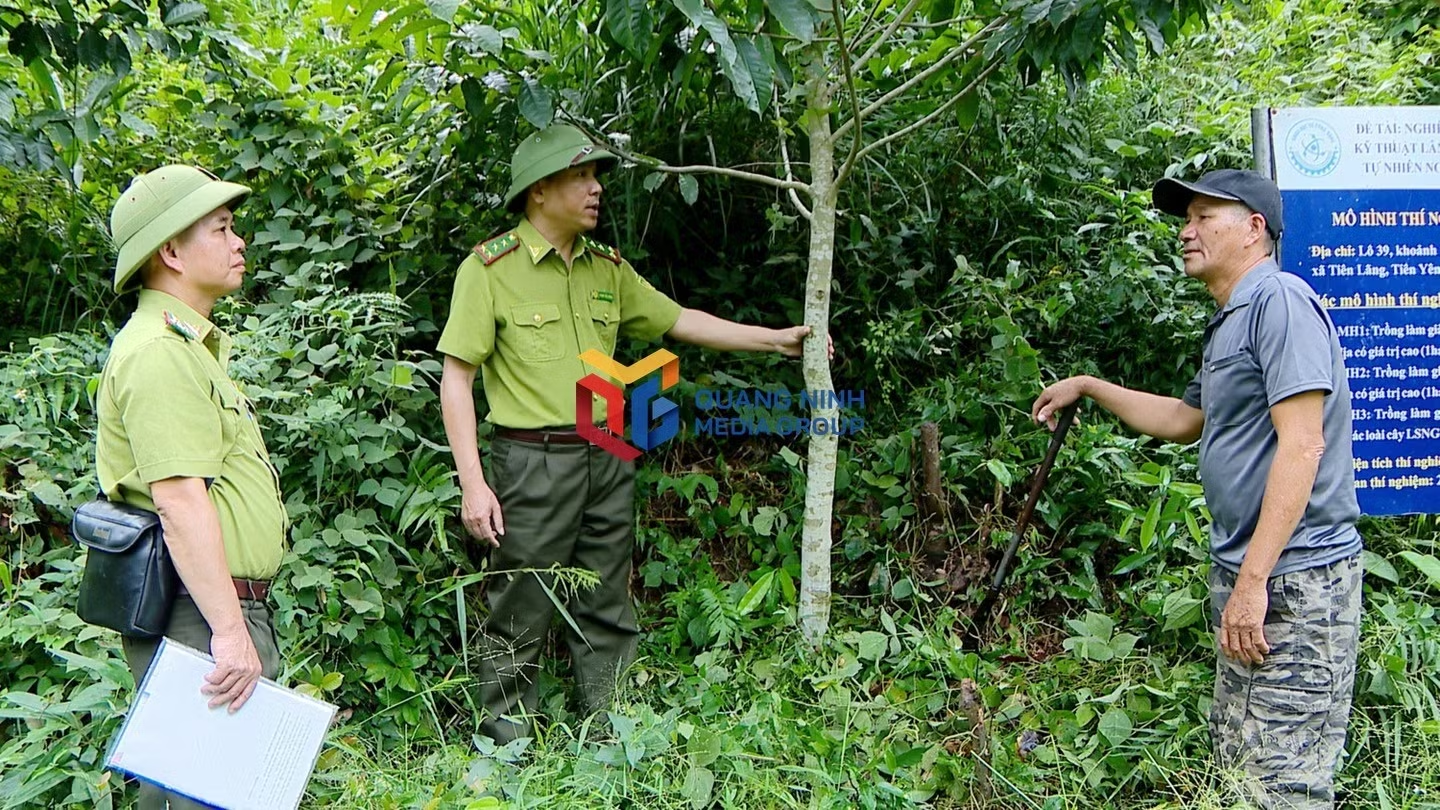
Nguyen Thanh Khuong, deputy head of the Quang Ninh Forest Protection Sub-Department, said the agency had advised the Quang Ninh city People’s Committee to direct local authorities and major forest owners to implement forest fire prevention and control measures rigorously.
The measures include clearing forest undergrowth when the fire danger rating reaches Level III or higher, maintaining patrols around the clock in high-risk areas, and regularly inspecting and maintaining firefighting equipment.
Local authorities have also been urged to provide sufficient funding, logistical support and personnel for prevention and response efforts. Closer coordination with specialist forces is expected to strengthen inspections, monitoring and technical guidance at the local level.