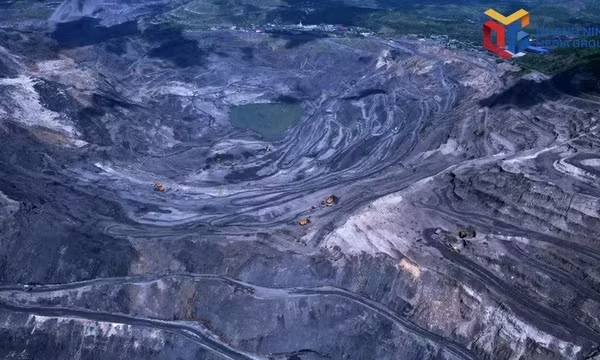
Vietnam National Coal and Mineral Industries Group (Vinacomin) is stepping up investment in cleaner technology, pollution control and environmental restoration as it works to reduce the impact of coal and mineral production and advance its green transition.
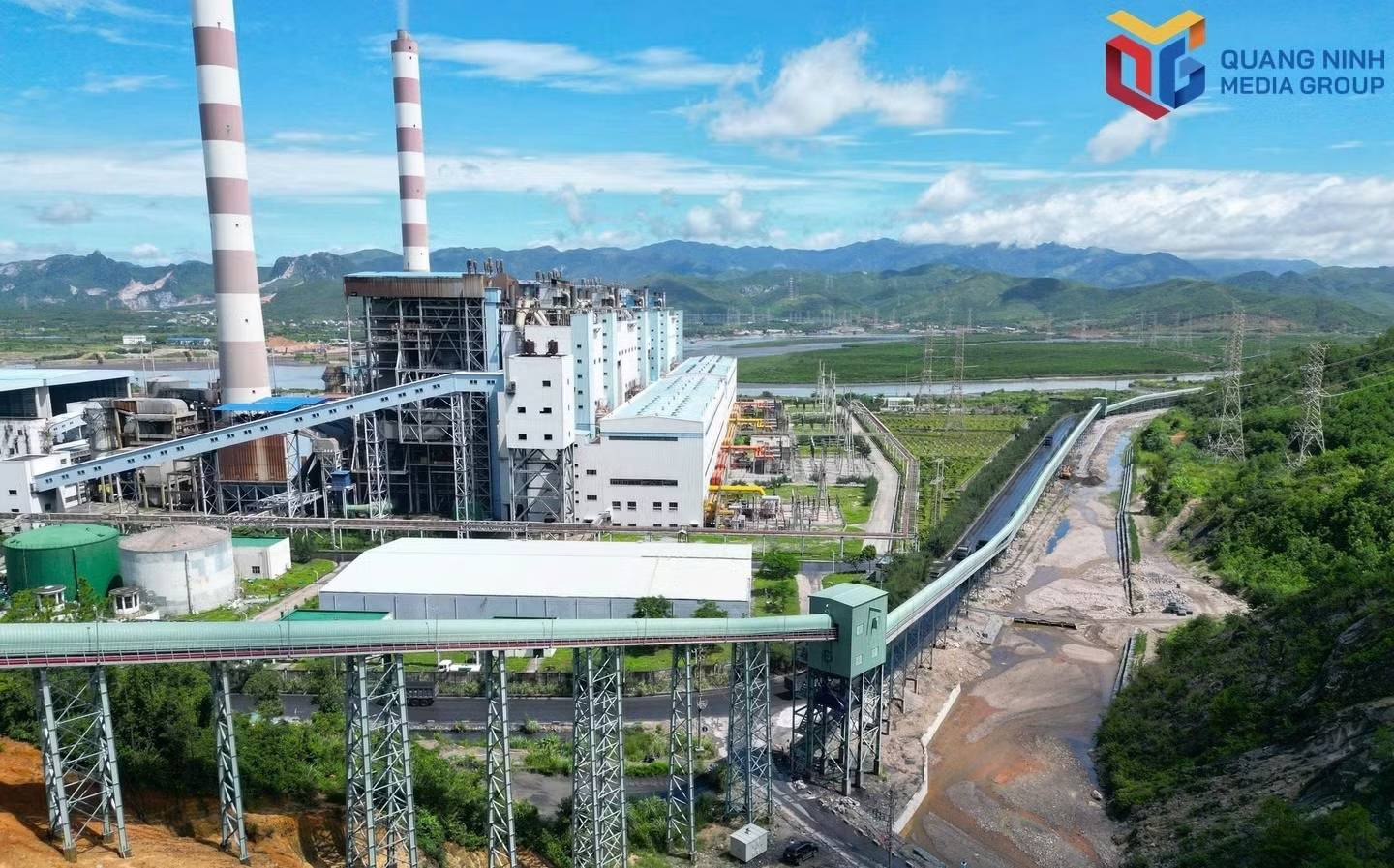
The state-owned group is modernizing transport systems, improving wastewater treatment, restoring former mining sites and expanding resource recycling. The measures are part of a broader strategy to make mining operations more efficient and environmentally sustainable.
Investing in technology to reduce environmental impact
At Lang Khanh Port, Hon Gai Coal Preparation Co. is gradually replacing truck-based coal transport with conveyor systems to improve efficiency and reduce dust, noise and pressure on urban roads.
The company has invested in three conveyor projects connecting mines in the Hon Gai area with its processing center and Lang Khanh Port.
In early October 2026, it commissioned the 8.9-kilometer Nui Beo-Ha Tu-Processing Center-Lang Khanh conveyor system, built at a cost of 761 billion dong ($30 million approximately). The system has a designed capacity of 4.2 million metric tons a year and features centralized controls, intelligent surveillance cameras, fault warnings and multiple safety measures.
Mr. Doan Dinh Van, deputy director of Hon Gai Coal Preparation Co., said the company was developing an integrated, enclosed transport network linking mines, processing facilities and the port, allowing coal to be loaded directly onto transport vessels.
Unlike trucks, conveyor systems can operate continuously, handle large volumes and limit dust emissions through enclosed sections, he said.
The transition also reduces truck traffic, exhaust emissions, noise, road maintenance costs, cleaning expenses and coal losses. The company expects the improvements to generate economic benefits worth hundreds of billions of dong.
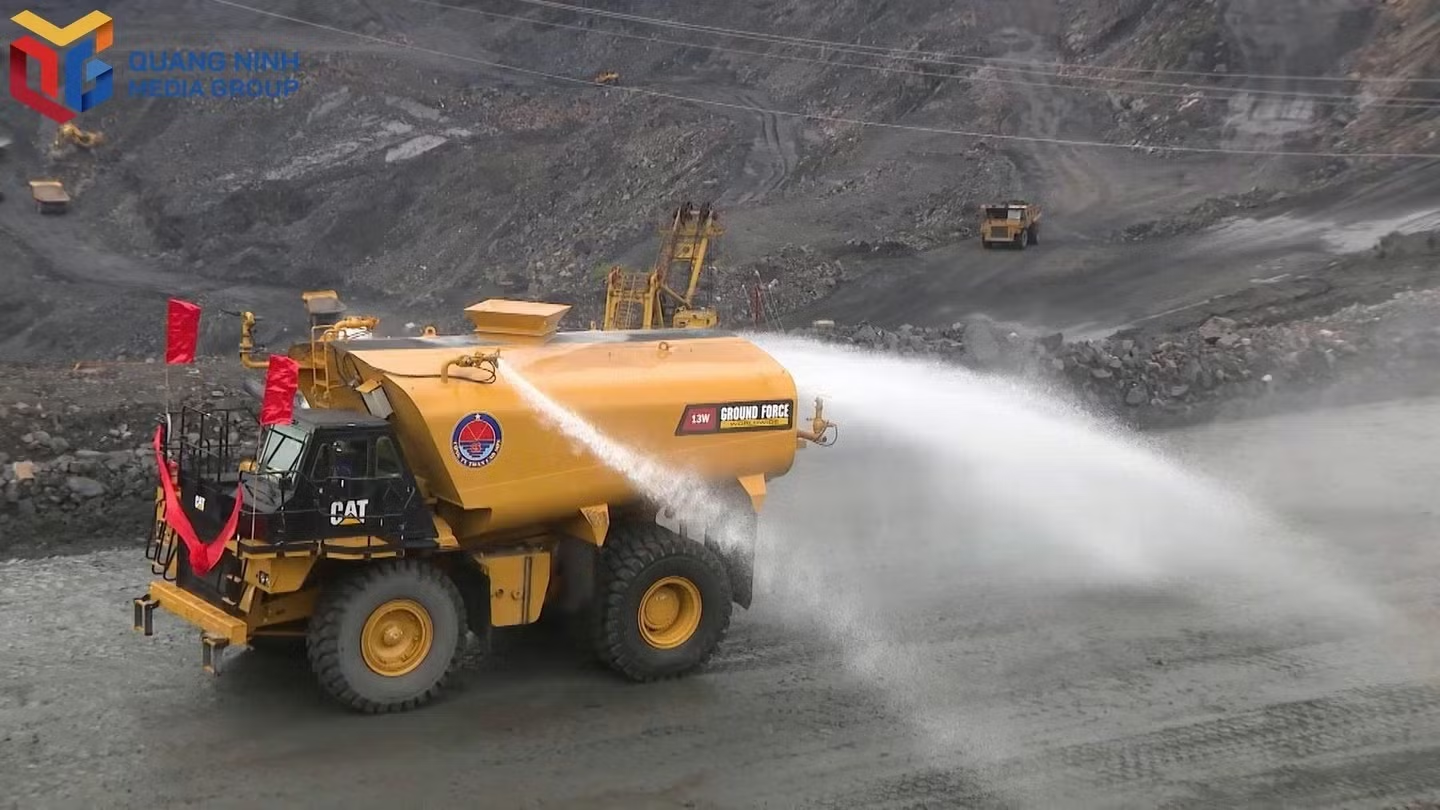
Across its operations, Vinacomin has installed 14 coal conveyor systems spanning nearly 56 kilometers. It has also deployed more than 170 road-watering trucks, 130 high-pressure dust-suppression machines and five reinforced steel dust barriers to control pollution at mines, processing plants, storage yards and transport routes.
The group spends more than 1.3 trillion dong annually on routine environmental protection, including approximately 1.1 trillion dong in Quang Ninh, a major coal-producing area.
Much of the funding goes toward wastewater treatment, dust control, landscape improvement, environmental restoration and infrastructure upgrades.
Vinacomin operates 52 mine wastewater treatment stations nationwide, including 48 in Quang Ninh, treating approximately 150 million to 160 million cubic meters of wastewater each year.
The group is introducing technologies such as lamella clarifiers, which use inclined plates to improve the removal of sediment, suspended solids and mineral particles from wastewater.
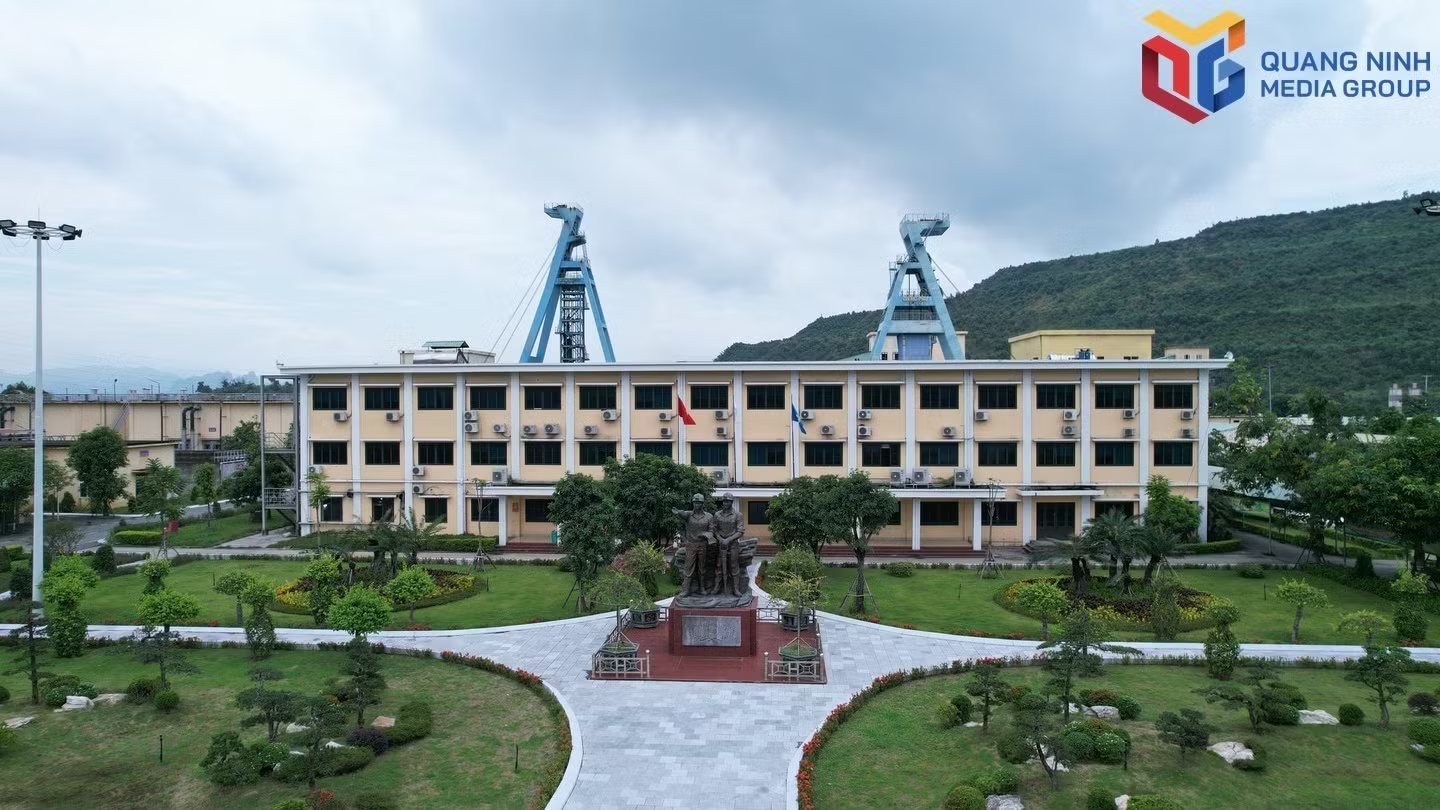
It is also shifting from treating wastewater solely for discharge toward recovering and reusing it in production. Treated water is increasingly used for dust suppression, industrial cleaning, irrigation, landscaping and certain processing activities.
Recycling water at coal preparation plants helps reduce freshwater consumption and operating costs while supporting more circular production practices.
Vinacomin is also relocating industrial facilities away from urban neighborhoods and environmentally sensitive areas.
Between 2006 and 2024, the group relocated 19 production facilities in Cam Pha, Ha Long and surrounding areas, releasing approximately 108.9 hectares of land for urban development and other economic activities.
The changes have helped reduce industrial impacts on residential communities while creating space for tourism, services and urban improvements.
Greening mining operations and restoring landscapes
Environmental restoration is another major focus of Vinacomin's sustainability strategy.
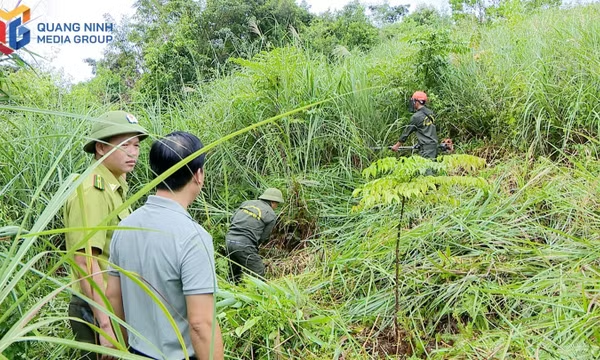
The group is expanding tree planting and rehabilitation programs at former mining sites, waste dumps and industrial facilities, including operations in Deo Nai-Coc Sau, Nui Beo, Ha Tu, Ha Lam, Hon Gai and Cao Son.
So far, Vinacomin has planted trees and restored more than 2,500 hectares of land, including over 2,180 hectares in Quang Ninh.
In recent years, the group has planted an average of 170 to 210 hectares of trees annually. It is also testing native species and large timber trees on former mining land suitable for rehabilitation.
These efforts support its initiative to introduce green spaces into mines and factories, improving working environments and restoring industrial landscapes.
The group is increasingly focusing on preventing pollution during production rather than relying primarily on waste treatment after environmental damage occurs.
Under its development strategy for 2021-2030, with a vision to 2045, Vinacomin aims to measure growth not only through output and revenue but also through resource efficiency, energy consumption, emissions and environmental quality.
It plans to accelerate mechanization, automation and digitalization in coal and mineral extraction and processing while developing safer, more productive underground mines.
In transportation, the group is prioritizing conveyor systems, railways and waterways where practical to reduce reliance on trucks. It is also upgrading ports, storage facilities and coal blending operations to improve supply chain efficiency and limit dust and emissions.
The circular economy is another priority. Vinacomin is studying ways to reuse mine waste rock and coal-fired power plant ash and slag as construction materials, provided they meet technical and environmental standards.
Such practices could reduce waste disposal requirements, conserve natural resources and create additional economic value.
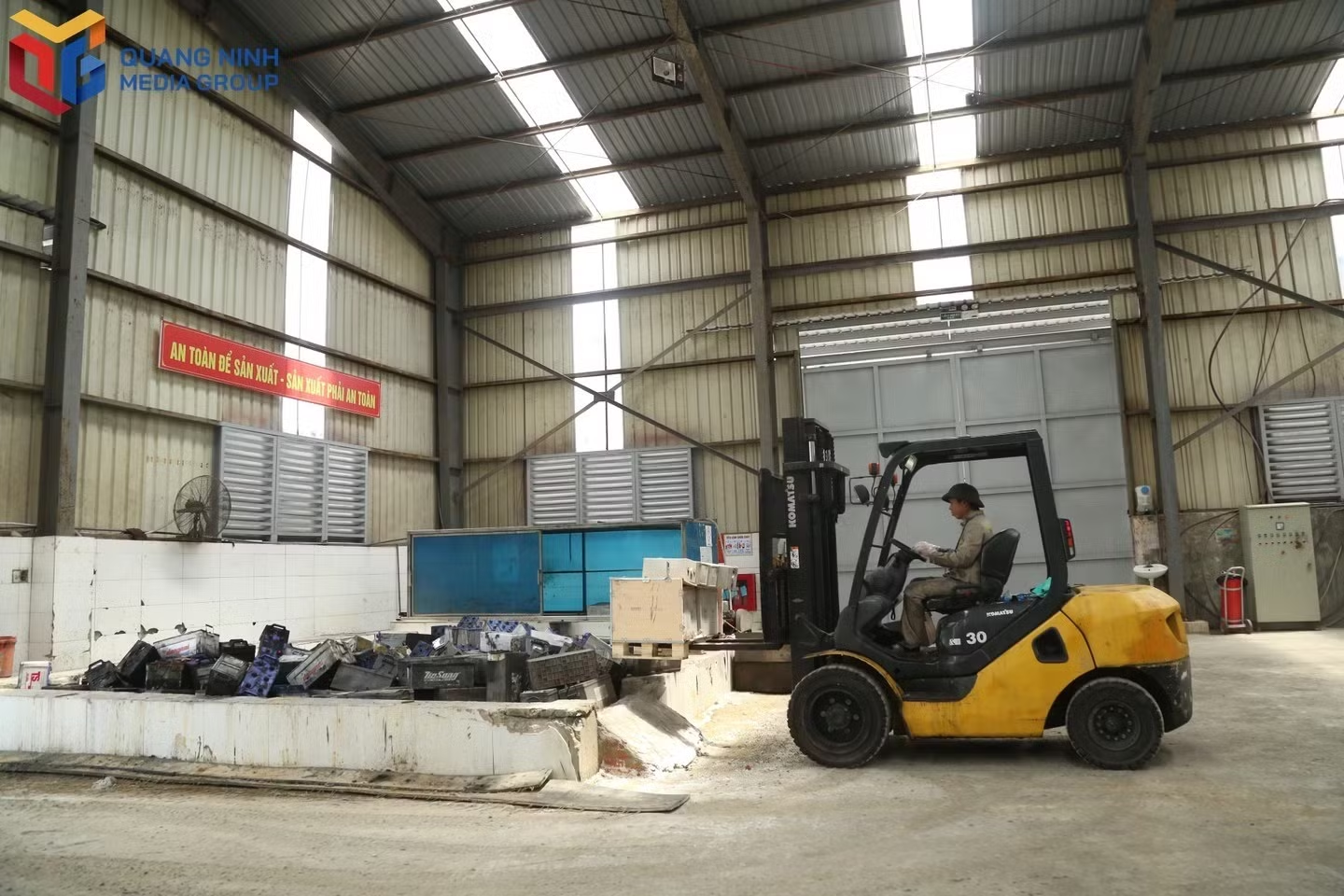
For exhausted mining sites, the group is exploring land rehabilitation and reuse for forestry, renewable energy, ecotourism, coal industry heritage conservation and other activities consistent with local development plans.
Mr. Nguyen Huy Nam, Vinacomin's deputy general director, said the group aims to make substantial progress by 2030 in greening mining environments and introducing parks and green spaces into mines and factories.
It also plans to expand the recovery and reuse of treated mine wastewater for production and domestic purposes.
He said Vinacomin was shifting its approach from responding to pollution toward preventing and controlling environmental risks, while gradually developing a roadmap to reduce greenhouse gas emissions from mining, transportation, mineral processing and energy use.
In order to support these goals, the group plans to strengthen digital environmental management, develop environmental and climate databases, and gradually introduce artificial intelligence and Internet of Things technologies for real-time monitoring.
Vinacomin is also studying carbon capture technologies and other emissions-reduction measures in line with Vietnam's national target of achieving net-zero emissions by 2050.
Through technological innovation, resource efficiency, recycling and proactive pollution control, the group aims to balance coal and mineral production with environmental protection and long-term sustainable development.