Quang Ninh has allocated nearly 9.1 trillion dong ($360 million) to education and training in 2026, accounting for more than 21% of its planned budget spending, as the city expands support for students, upgrades schools and strengthens its teaching workforce.
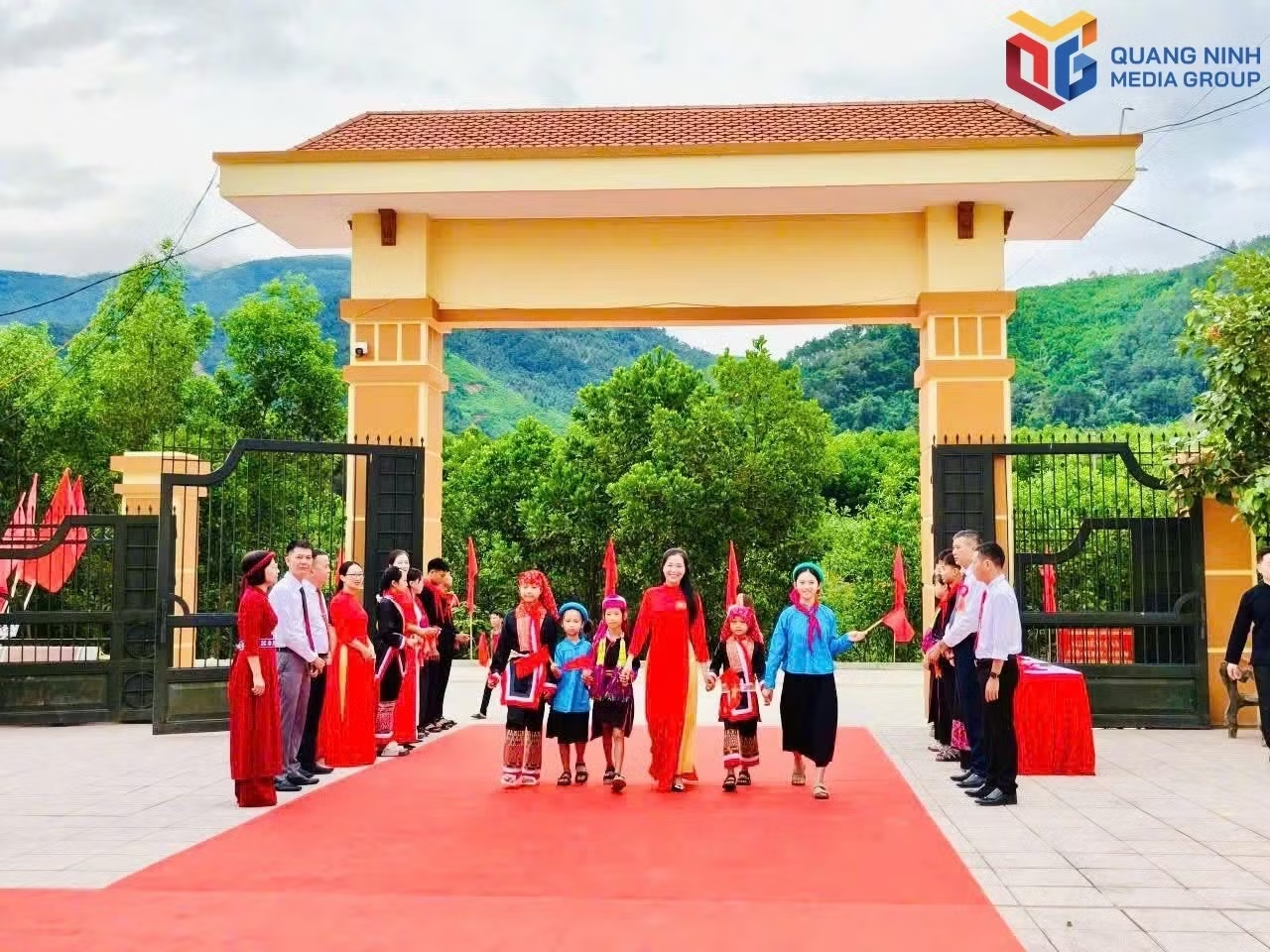
The investment reflects a long-term commitment to improving educational opportunities, particularly for children in mountainous, border and island communities, while developing the skilled workforce needed for future growth.
As Vietnam celebrates Teachers' Day on November 20, Quang Ninh is highlighting not only the contributions of teachers but also the policies and resources needed to support education.
The city's efforts align with Resolution No. 71-NQ/TW, issued by the Politburo on August 22, 2025, which calls for major improvements in education and training.
Expanding support for students
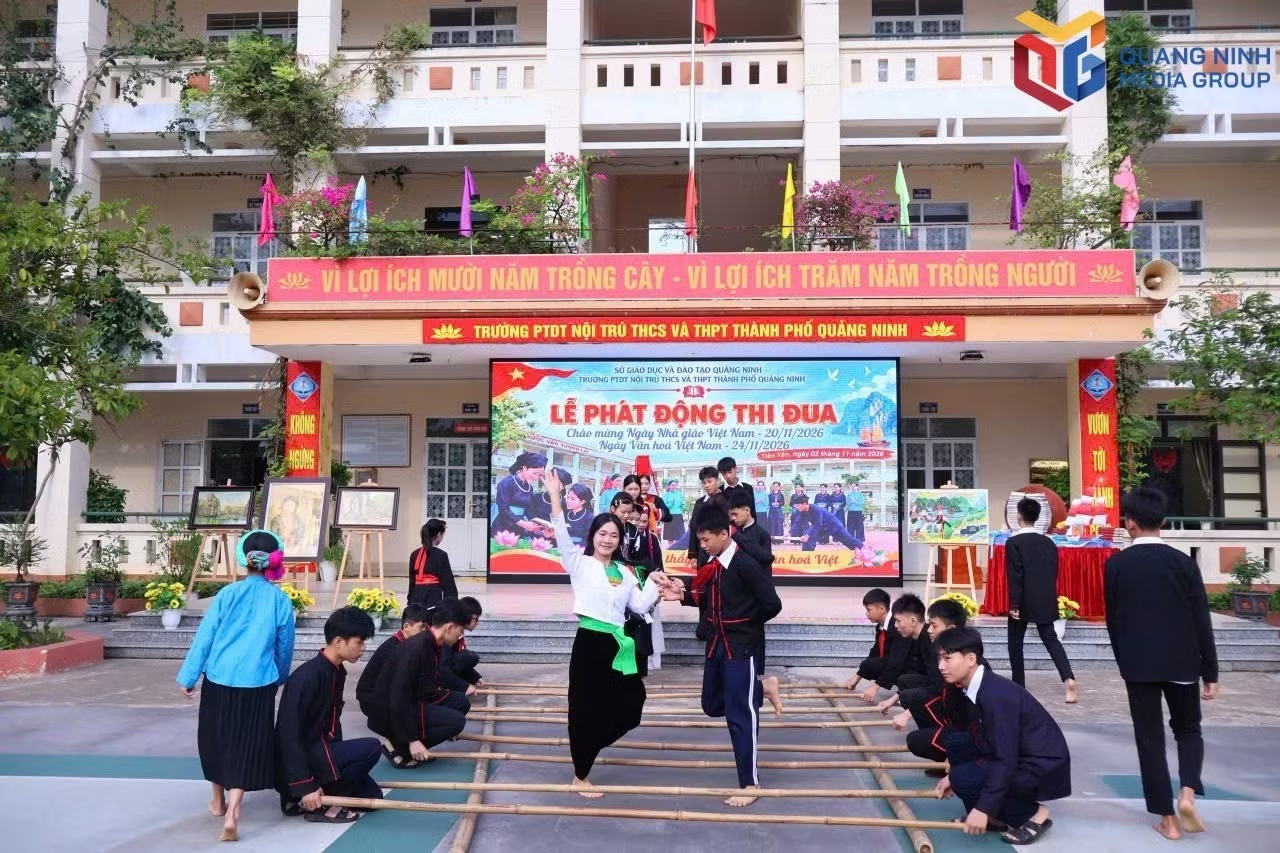
Quang Ninh currently implements 10 education-specific support policies covering school supplies, nutrition, accommodation, transportation and assistance for disadvantaged students.
Beginning with the 2026-2027 school year, more than 290,000 students in general education and continuing education programs will receive free textbooks under a policy costing approximately 147 billion dong.
The city also maintains meal support for preschool and primary school students in ethnic minority, mountainous and island communities, with annual funding exceeding 188 billion dong.
About 8,100 students and teachers benefit from support for boarding accommodation, meals or daily transportation, at an annual cost of approximately 92 billion dong.
Meanwhile, the 2026 school milk program provides assistance to nearly 197,300 children and students, with funding of more than 290 billion dong.
Together, these measures aim to ease the financial burden on families, improve children's health and ensure that students in disadvantaged areas have better access to education.
Investing in schools and learning facilities
Quang Ninh has set a target of allocating at least 20% of its annual state budget spending to education, including a minimum of 5% for investment.
In 2026, the city's total education and training budget, including additional funding for support policies, reached nearly 9.1 trillion dong, or more than 21% of planned spending.
Since the 2025-2026 school year, Quang Ninh has invested 1.87 trillion dong in 27 school construction and facility improvement projects. Of these, 17 have been completed and handed over for use, while the remaining 10 are still underway.
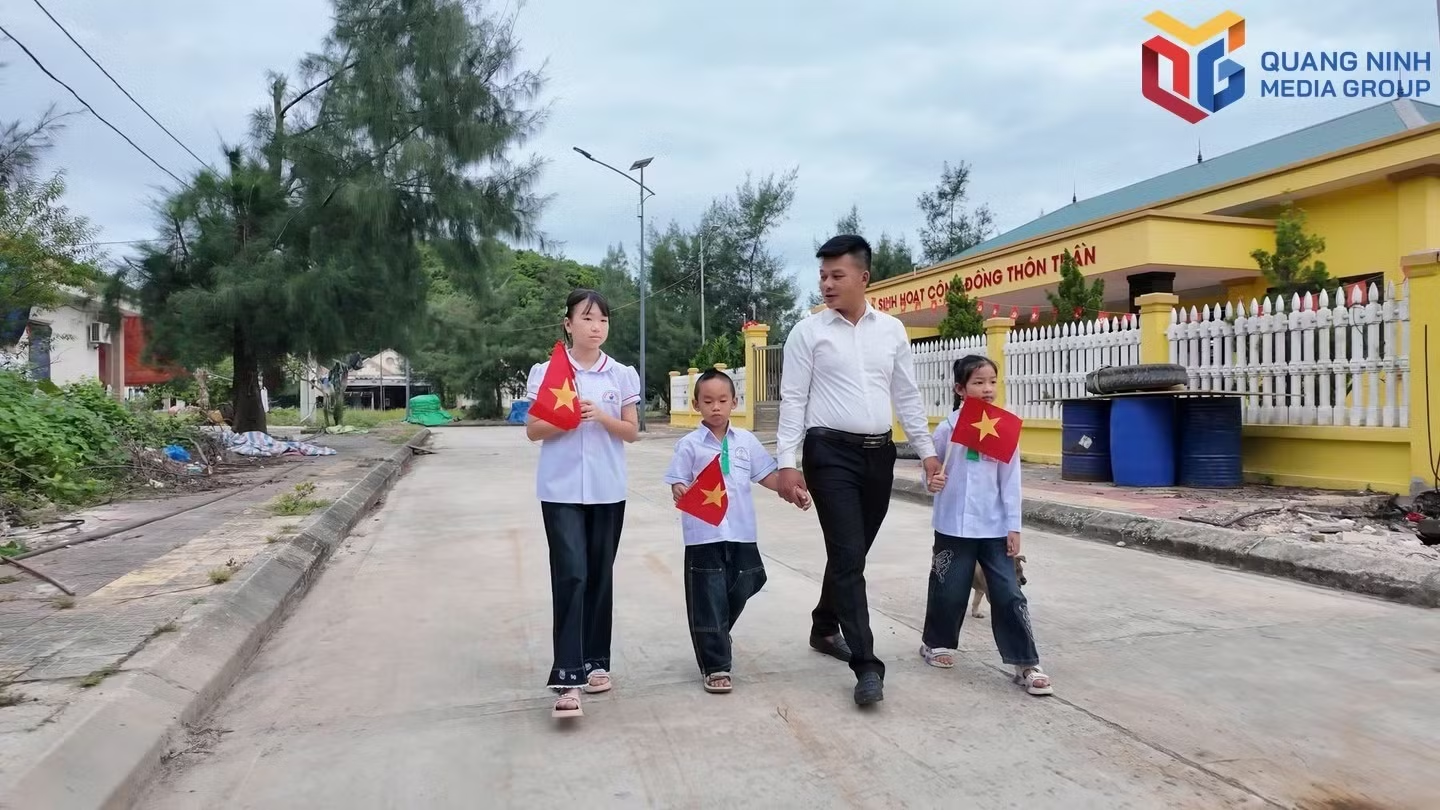
In mountainous and border areas, the city has launched construction projects for six combined primary and lower secondary schools in communes along the land border.
These projects aim to address the challenges of distance, living conditions and access to education for children in remote communities.
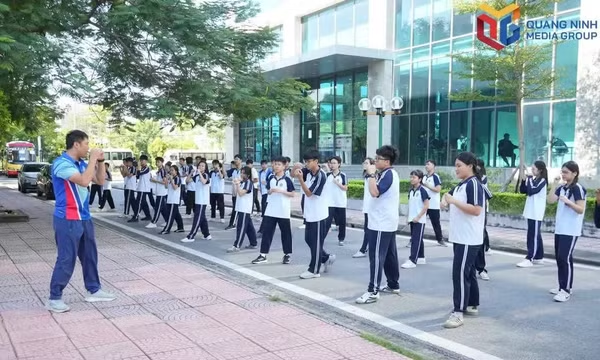
In urban areas, Quang Ninh continues to improve classrooms, provide teaching equipment and install air conditioning in public schools.
The city also introduced free electric school bus services on September 3, 2026, serving nearly 2,000 registered students in Ha Long, Hong Gai and Ha Tu wards. The service helps students travel to school more conveniently and safely.
Strengthening the teaching workforce
Together with infrastructure and student support, Quang Ninh has made teacher development a central priority.
During the 2026-2027 school year, the city's education sector has 1,142 school administrators and more than 17,100 teachers.
The proportion of teachers meeting required professional qualifications is high across all education levels.
At the preschool level, 99.1% meet the standards, compared with 98.6% at primary schools, 97.9% at lower secondary schools and 100% at upper secondary schools.
Quang Ninh aims to ensure that all teachers meet the qualification requirements under the Law on Teachers by the end of 2028.
The city has also expanded professional training to help educators adapt to curriculum reforms, digital transformation and new teaching methods.
Since the 2025-2026 school year, the education sector has recorded nearly 50,000 instances of participation in professional development programs for teachers and administrators.
All teachers and school administrators have completed regular professional development programs and received training on the unified textbook series.
Specialized training has also reached 682 lower secondary school teachers of integrated natural sciences and 309 teachers of integrated history and geography.
In addition, teachers and administrators have participated in 56 training courses on the use of artificial intelligence in school management and teaching.
These programs aim to strengthen practical teaching skills, encourage innovation and help students develop the knowledge and abilities needed in a changing world.
Improving educational outcomes
Quang Ninh's investment in teachers and schools has been accompanied by improvements in student performance.
During the 2025-2026 school year, 82 students from the city won awards in the national competition for outstanding upper secondary school students.
The reported award rate reached 74.55%, placing Quang Ninh among Vietnam's 10 leading localities in the competition.
The city also ranked third among 34 localities in English results on the national high school graduation examination.
These achievements reflect efforts by both teachers and students to improve educational quality.
Education as an investment in the future
Director of the Quang Ninh Department of Education and Training Nguyen Viet Dung said Vietnamese Teachers' Day provides an opportunity to recognize teachers while reflecting on society's broader responsibility for education.
He emphasized that supporting education must remain a priority in the city's development decisions.
Investment in schools, teachers and students today, he said, is an investment in the workforce of tomorrow.
Quang Ninh's approach combines direct assistance for students, improved school facilities and professional development for teachers.
The city aims to ensure that every child has opportunities to learn, develop their abilities and pursue future careers through education.
Quang Ninh remains committed to long-term investment in education and expanding access to quality learning opportunities, with the aim of developing a skilled workforce and laying a stronger foundation for sustainable economic and social growth.