On November 15, the Standing Committee of the Quang Ninh City Party Committee issued a decision approving a project to pilot the “Socialist School” model and the “Socialist Hospital” model at Viet Nam-Sweden Uong Bi Hospital for the 2026-2030 period.
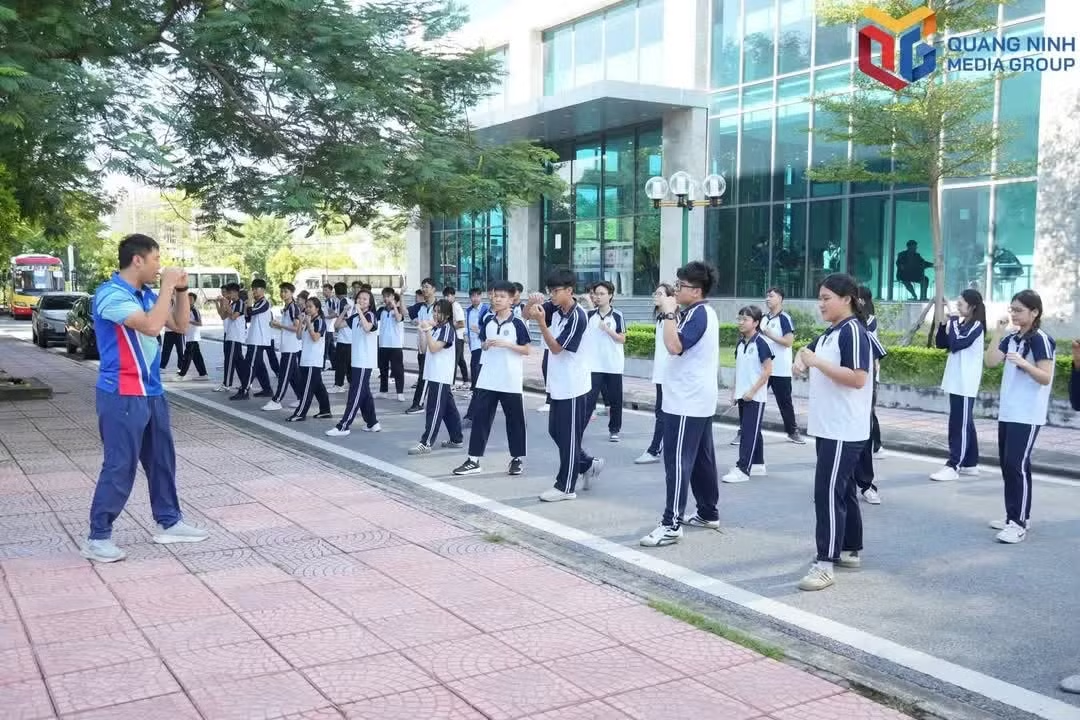
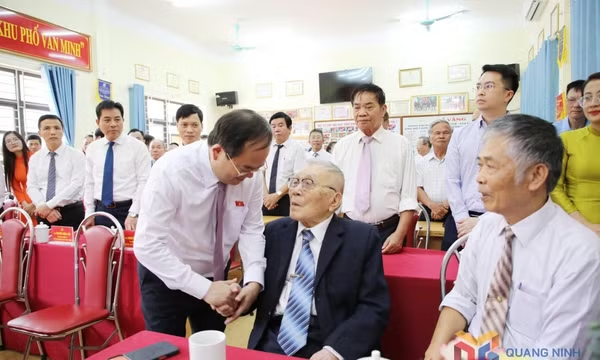
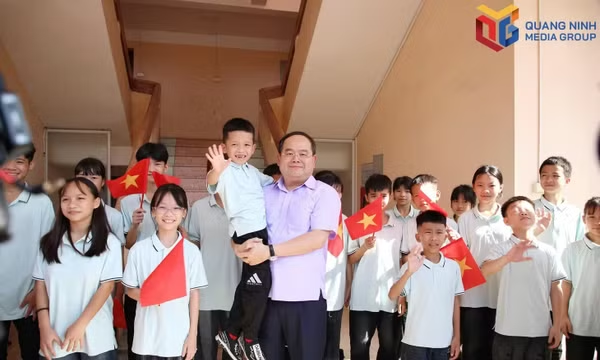
The “Socialist School” model will be piloted at three schools: Vu Van Hieu Primary, Lower Secondary and Upper Secondary School in Ha Tu Ward; the Lower and Upper Secondary School of Education Practice, Ha Long University, which is the city’s only school offering all three levels of general education; and Van Don 1 Primary and Lower Secondary School. The project does not establish a new type of school. Instead, it aims to reorganise educational activities around five pillars: Ideals, Ethics, Knowledge, Physical Development and Aesthetics. School quality will be assessed not only on the basis of academic performance but also in terms of students’ progress, safety and well-being, as well as the satisfaction of students, parents and teachers. The pilot programme will begin in November 2026 and run until the end of the 2030-2031 academic year. Its results will then be reviewed and evaluated before any decision is made on expanding the model.
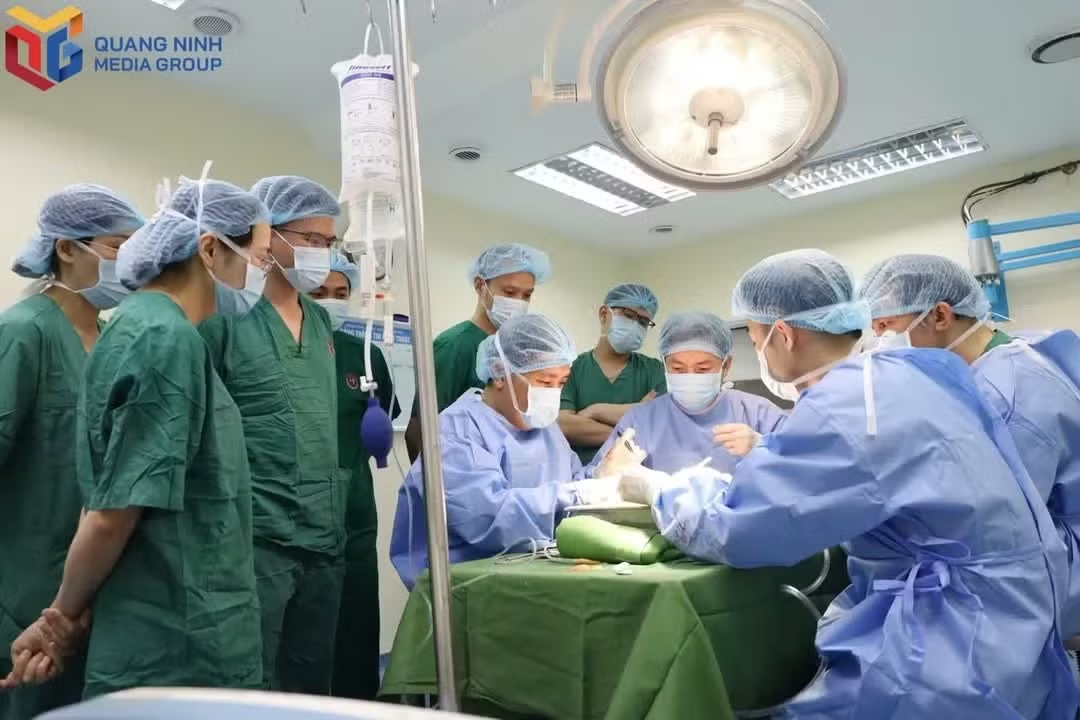
Doctors perform a kidney transplant at Viet Nam-Sweden Uong Bi Hospital.
The “Socialist Hospital” model aims to promote a patient-centred approach to public hospital management, with professional excellence and patient safety as its foundations and fairness and compassion as its core values. By 2030, Viet Nam-Sweden Uong Bi Hospital aims to increase its capacity to 1,500 beds, establish 10 specialised centres, achieve a hospital quality score of at least 4.8 out of 5 and attain a patient satisfaction rate of 98%. It also aims to reduce the time required to complete the examination process by at least 15%. The project introduces a range of practical support policies. Patients and their family members will be entitled to free parking and drinking water. People with meritorious service to the country, members of poor and near-poor households, and other vulnerable groups will receive support in the form of nutritional assistance and essential medicines during their hospital stays. Family members accompanying patients for three days or more will be provided with accommodation at a facility called the “Shelter for Patients’ Families”. The hospital will also develop a therapeutic garden, a dedicated relaxation and recovery space for medical staff, and a “hospital without walls” model. The pilot programme will run from 2026 through the end of 2030.
By Cao Quynh