In implementing Politburo Resolution No. 26-NQ/TW on developing tourism into a key economic sector, Quang Ninh is shifting its focus from growth in visitor numbers to improving quality, value and competitiveness. With the emergence of a new development space of the young city, Quang Ninh is concentrating on reorganising resources, renewing tourism products, strengthening linkages and expanding markets, with the aim of establishing itself as an international tourism centre.
“Strategic” boost
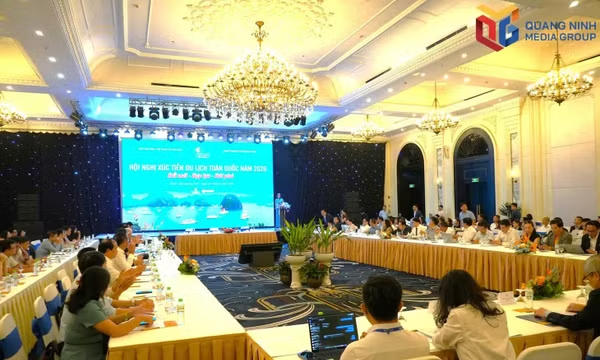
On August 22, 2026, the Politburo issued Resolution No. 26-NQ/TW on developing Vietnam’s tourism into a key economic sector in the new era. The resolution calls for a strong shift from extensive development towards improving destination quality, added value and destination competitiveness. It also emphasises the development of distinctive tourism products, stronger linkages, greater business capacity, higher-quality human resources and a greater community participation. This provides an important orientation for localities, including Quang Ninh, to continue renewing thinking and approaches to tourism development.
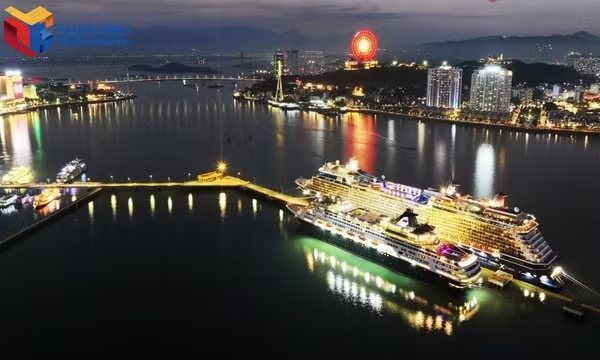
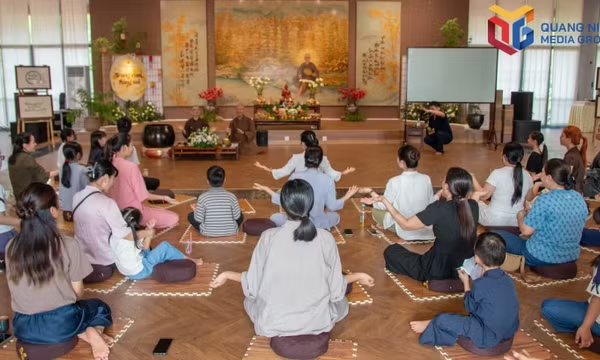
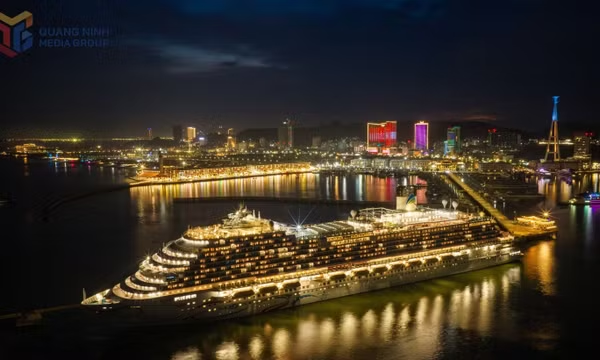
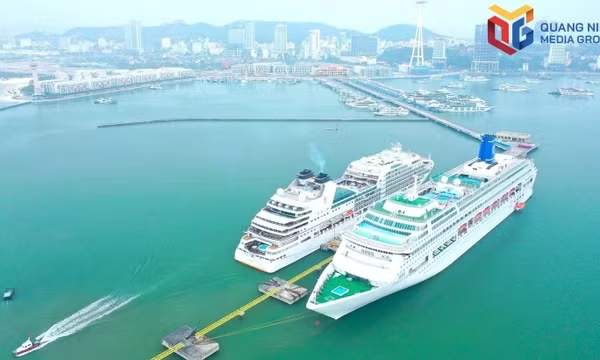
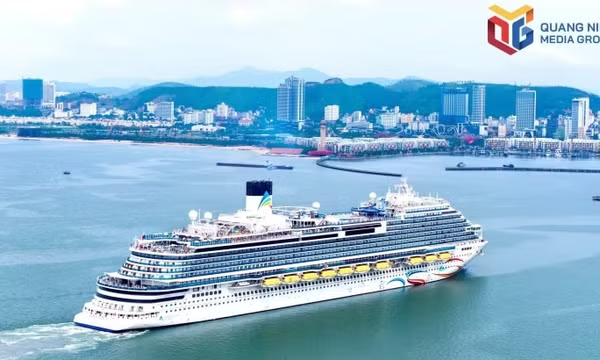
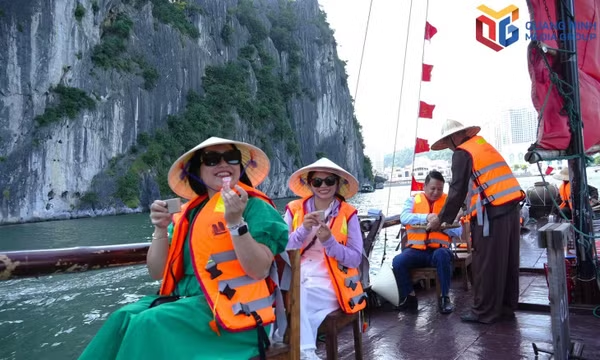
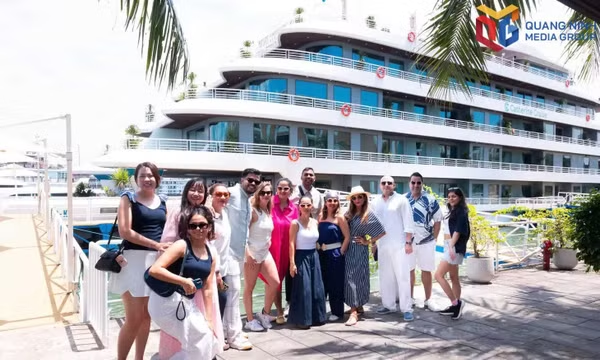
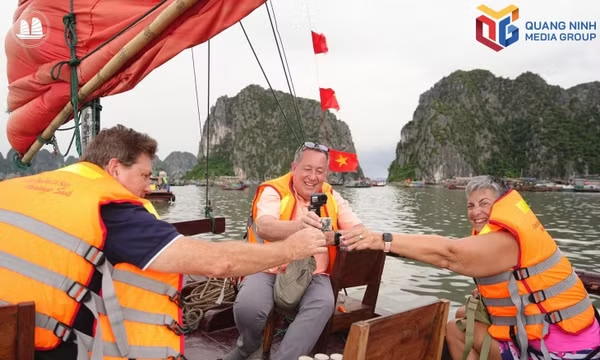
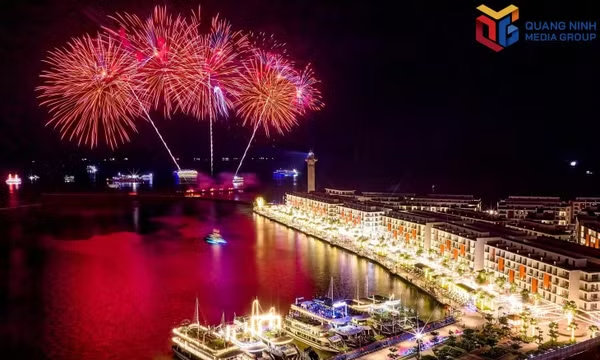
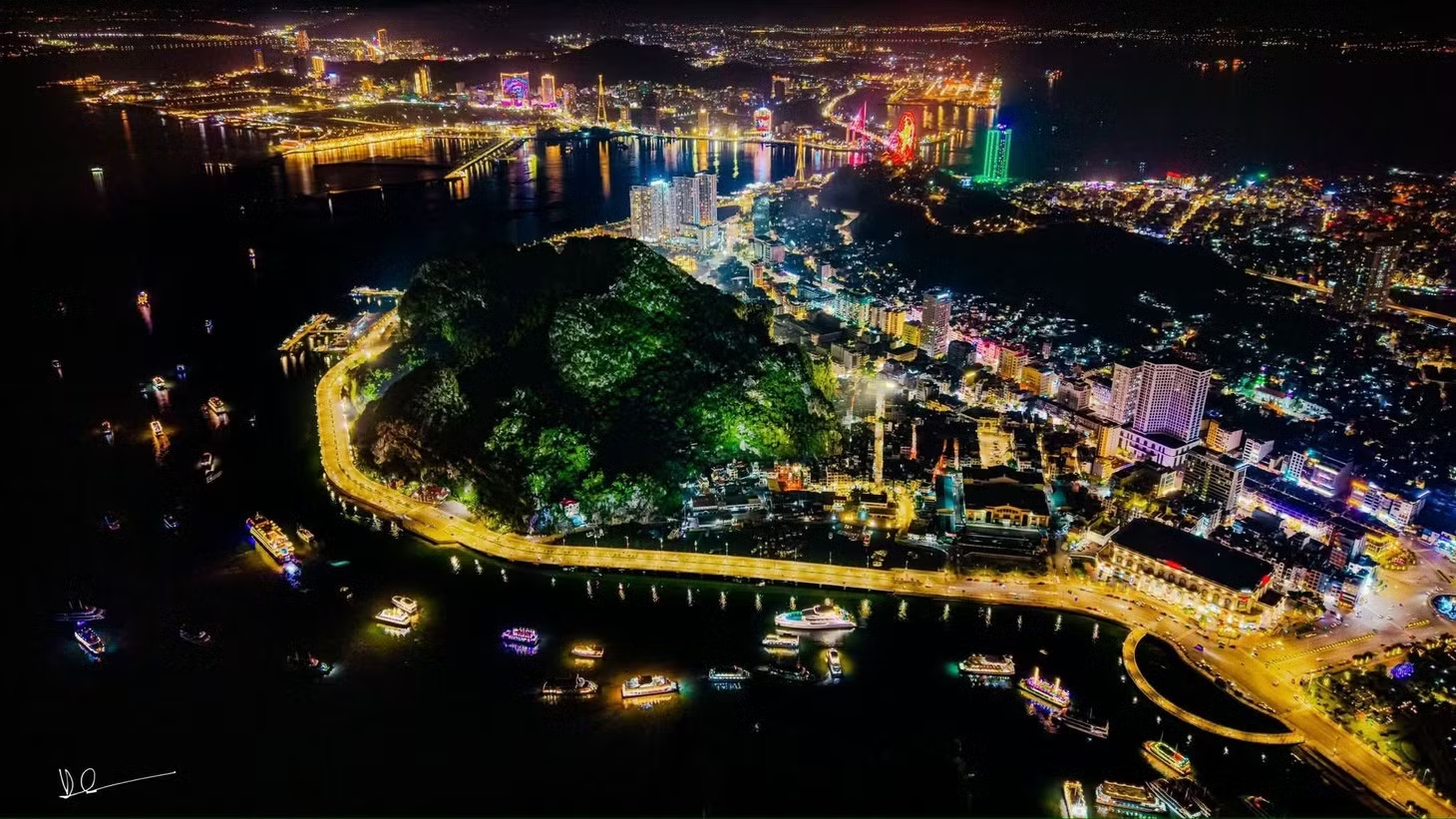
From this perspective, Quang Ninh has many favourable conditions to translate the new requirements into practice. Over the years, the city has gradually reduced its dependence on a number of traditional products and destinations, shifting towards a diversified product system based on its advantages in seas and islands, heritage, culture and natural landscapes. Alongside sightseeing tours of Ha Long Bay, greater attention and investment have been given to island and coastal resorts, cultural and spiritual tourism, ecotourism, community-based tourism, entertainment, cruise tourism and the night-time economy.
Quang Ninh’s official establishment as a city on September 1, 2026 has further opened up new development space, creating conditions to reorganise tourism resources on a broader and more coordinated scale. The value of this new space lies not only in expanded administrative boundaries, but also in the ability to connect tourism centres, destinations and complementary products, forming continuous tourism routes that enhance experiences and add value to each journey.
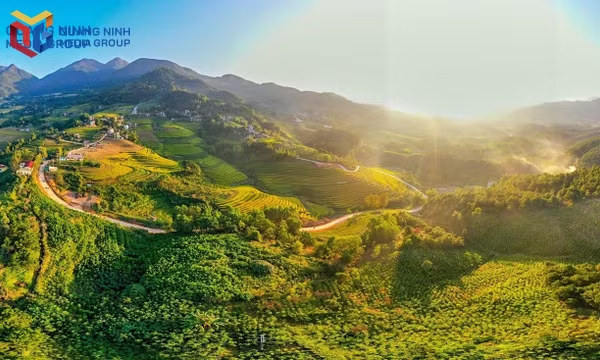
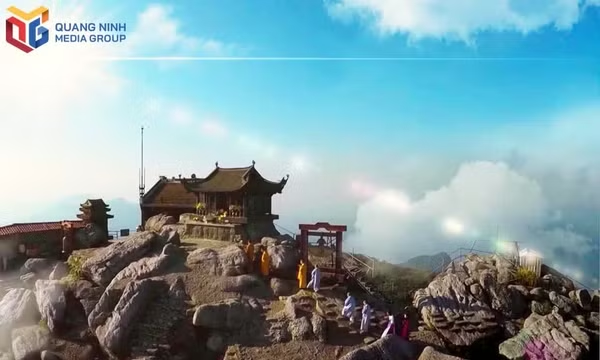
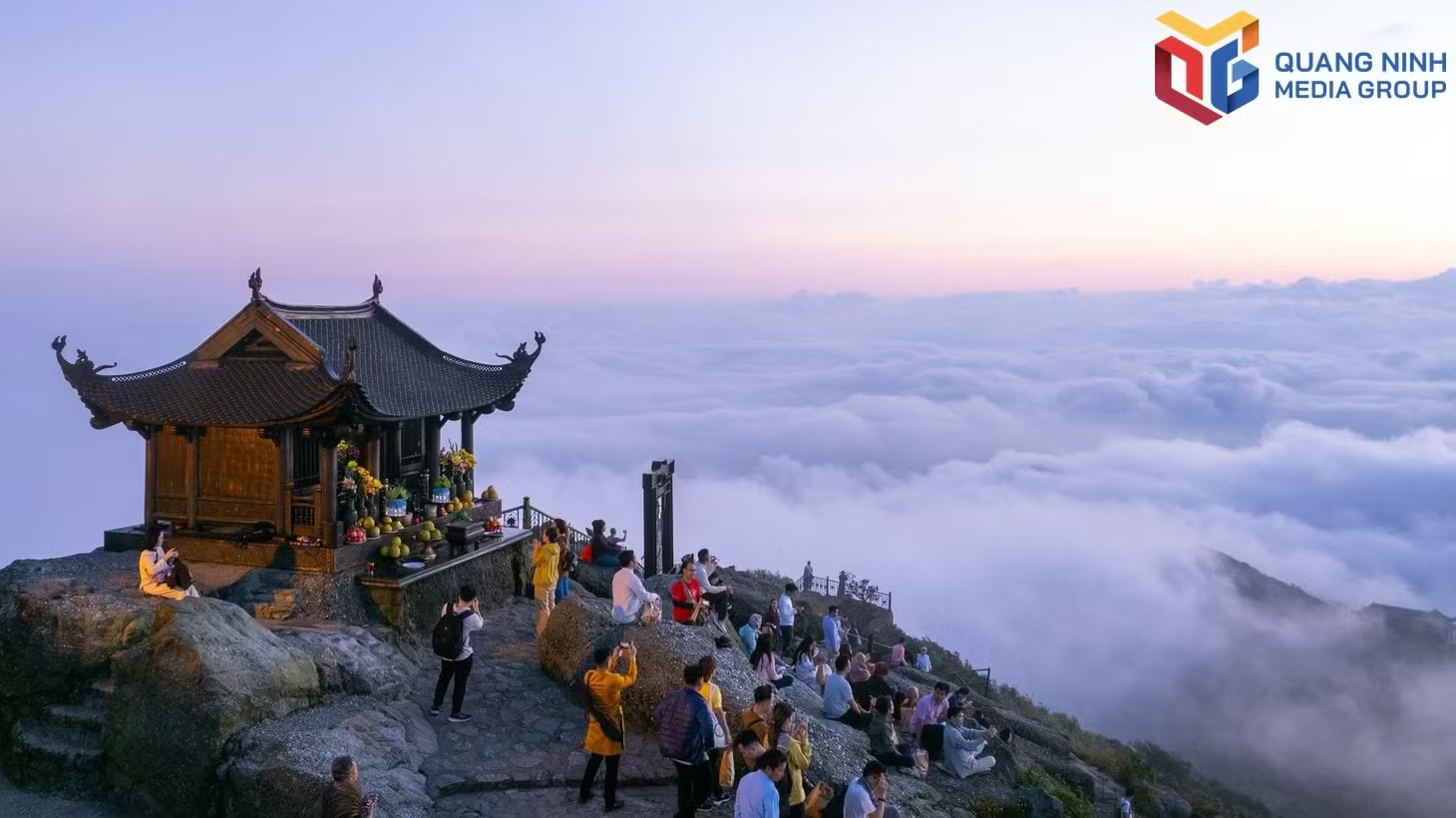
From Ha Long, visitors can connect with Yen Tu and extend their journeys to island, coastal, resort, ecological and community - based destinations in Van Don, Co To, Quan Lan - Minh Chau, Binh Lieu, Tien Yen and Ba Che. Stronger links among heritage, culture, nature, cuisine, shopping, entertainment and night-time activities will help create diverse product chains instead of separate, stand-alone destinations.
Expanding development space, increasing values
Under the Quang Ninh Urban Master Plan to 2050, with a vision to 2075, Quang Ninh is oriented towards becoming a hub of international service and tourism and a gateway for trade and high-quality services. By 2050, Quang Ninh aims to develop into an internationally recognised heritage-value city, a marine economic centre and an important gateway for Vietnam’s trade with Southeast Asia. Within this development space, tourism is identified as one of the sectors with the potential generate high added value and contributing directly to economic growth.
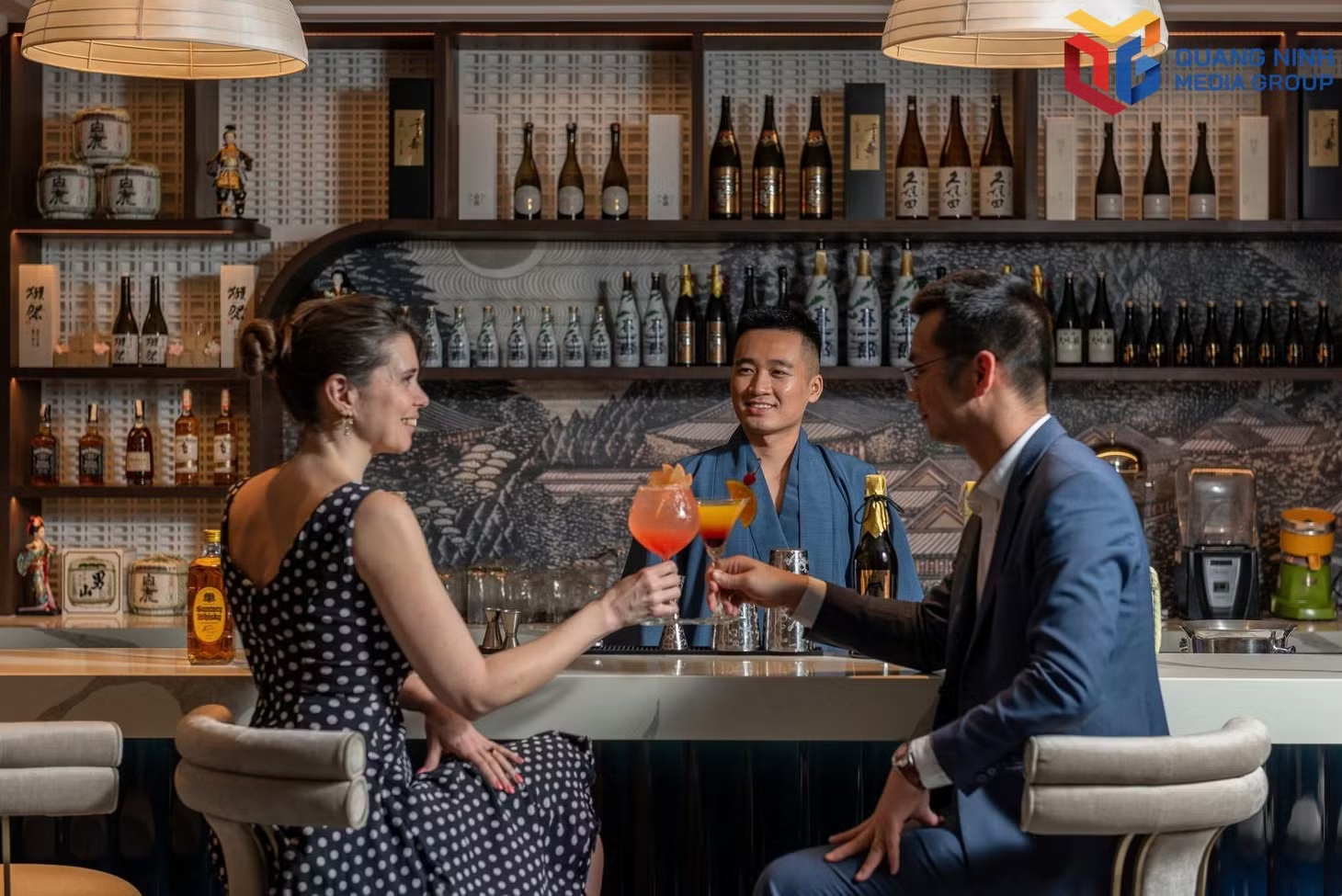
Under the plan, Quang Ninh aims to welcome 28 - 30 million tourist arrivals by 2030, including 9 - 10 million international arrivals. By 2050, total tourist arrivals are projected to reach 40 - 45 million, including 13 - 15 million international arrivals. An expanding market also brings higher requirements for tourism development: the goal is not only to attract visitors, but also to extend their stays, increase spending, broaden experiences and generate spillover effects across a wider range of economic sectors.
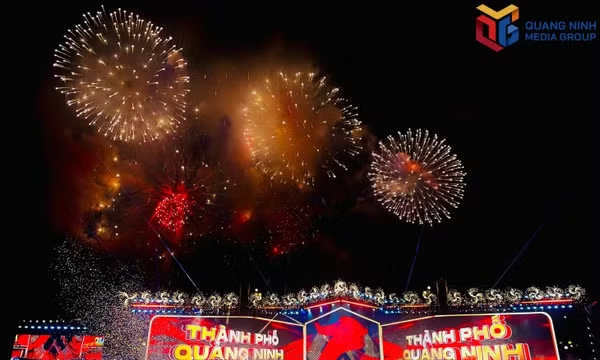
Quang Ninh is also gradually expanding its tourism development space and approaches in this direction. Plans to establish three national tourism areas linked with night-time tourism and cultural industries, eight heritage economic spaces and six key night-time economic development areas, together with the digitalisation of national and special national tangible and intangible cultural heritage, will provide an additional foundation for developing new products. These efforts will be accompanied by the development of performance venues, the organisation of large-scale event, the development of creative spaces, and stronger connections among communities, artisans, artists and businesses.
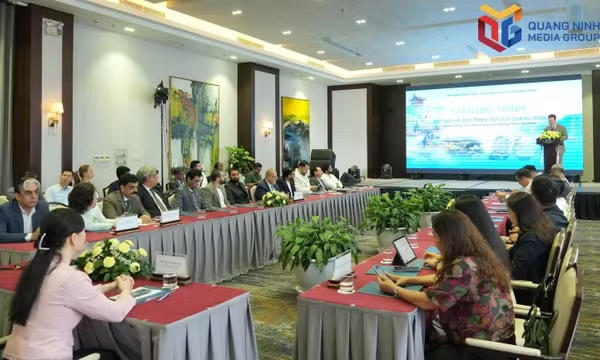
Alongside product development, markets are also being reorganised in a more specialised manner. Deputy Director of the Department of Culture, Sports and Tourism Nguyen Thuy Yen said the sector would continue working with businesses and localities to expand markets, clearly identify different visitor groups and segments, and develop suitable products. High-end resort tourism, MICE, cruises, golf, the night-time economy, cultural and heritage tourism, ecotourism, community-based tourism and specialised experiential products require tailored market approaches rather than a single promotional strategy.
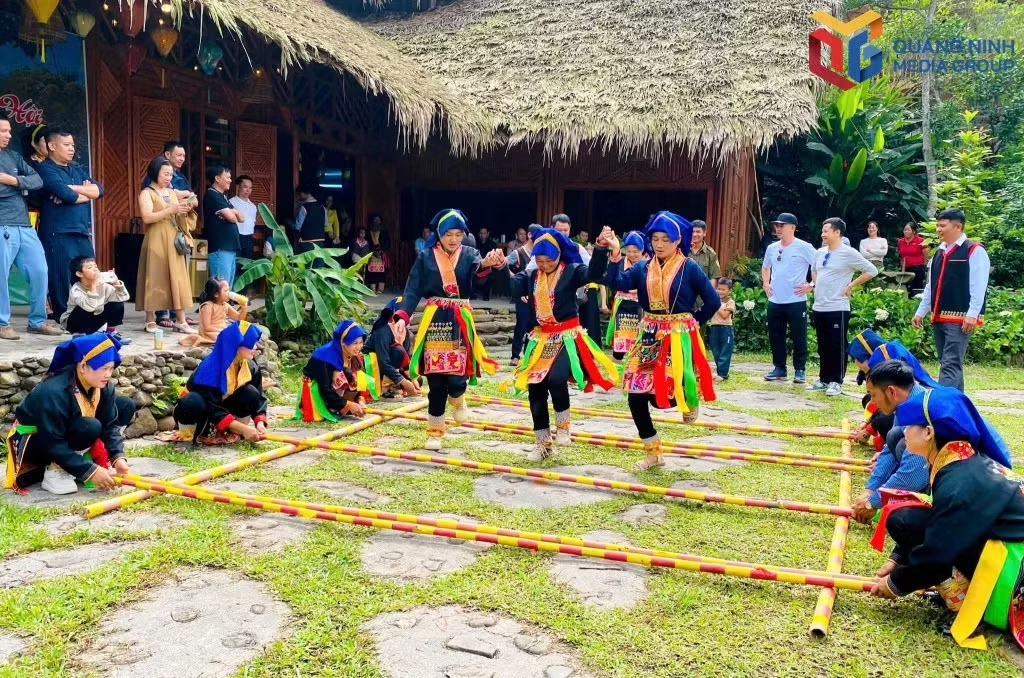
In this process, digital transformation will play an increasingly important role throughout the tourism value chain, from promotion and product distribution to identifying visitors’ demand and behaviour. The application of big data, AI, VR/AR and digital platforms will not only broaden market access, but also help businesses personalise experiences, improve business efficiency and enhance destination competitiveness.
When tourism centres are connected, heritage and culture are transformed into high-value products, markets are more clearly segmented and technology is used effectively, the objective is not simply to attract more visitors, but to generate greater value from each journey. This will provide a foundation for tourism to become an important drivers of growth, while helping Quang Ninh City gradually establish itself as an international tourism centre.