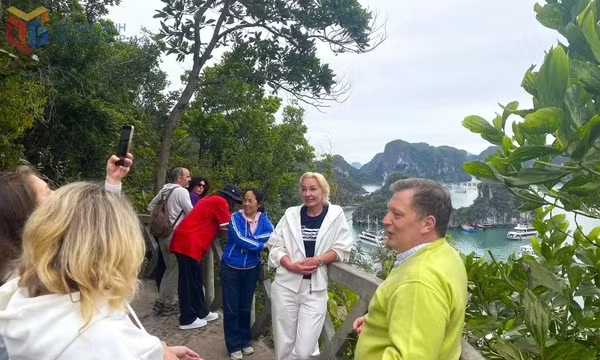
World Tourism Day on September 27, 2026, under the theme “Digital Agenda and Artificial Intelligence to redesign tourism,” reflects one of the defining transformations of our time, as technology increasingly reshapes the way travellers search for, choose and experience destinations and tourism services. For Quang Ninh, ensuring that technology becomes a genuine driver of tourism growth requires efforts to develop digital infrastructure, connect platforms, support businesses and train a workforce capable of mastering technology.
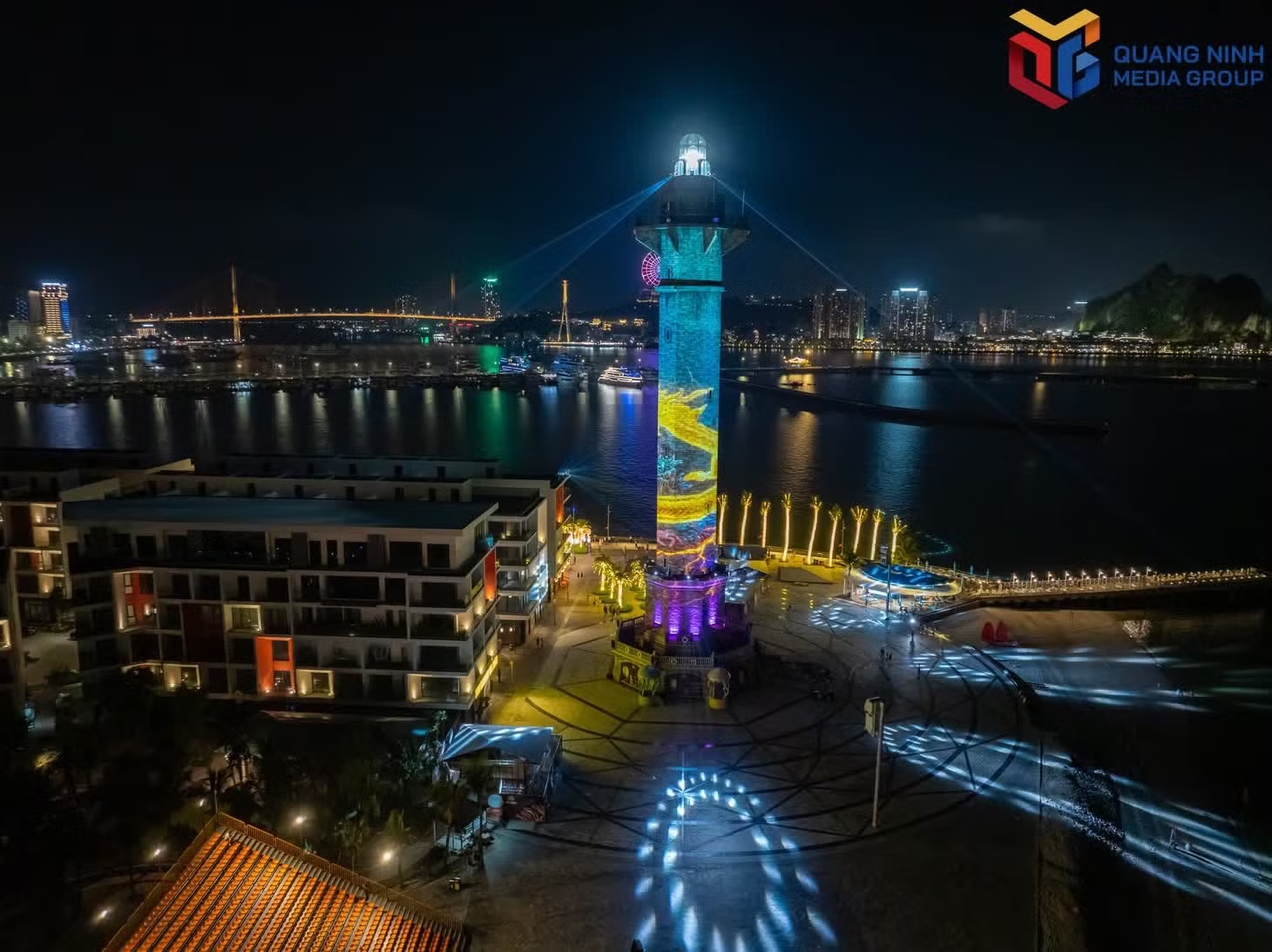
In his message marking World Tourism Day 2026, UN Secretary-General António Guterres emphasised that AI is changing how travellers choose destinations, how the tourism industry operates and how travel experiences are designed. Technology can support small businesses, improve service quality and create new opportunities.
In Vietnam, Politburo Resolution No. 26-NQ/TW, dated August 22, 2026, on developing tourism into a spearhead economic sector in the new era, sets a target of establishing a comprehensive smart tourism ecosystem, a national tourism database and a national digital tourism platform by 2030.
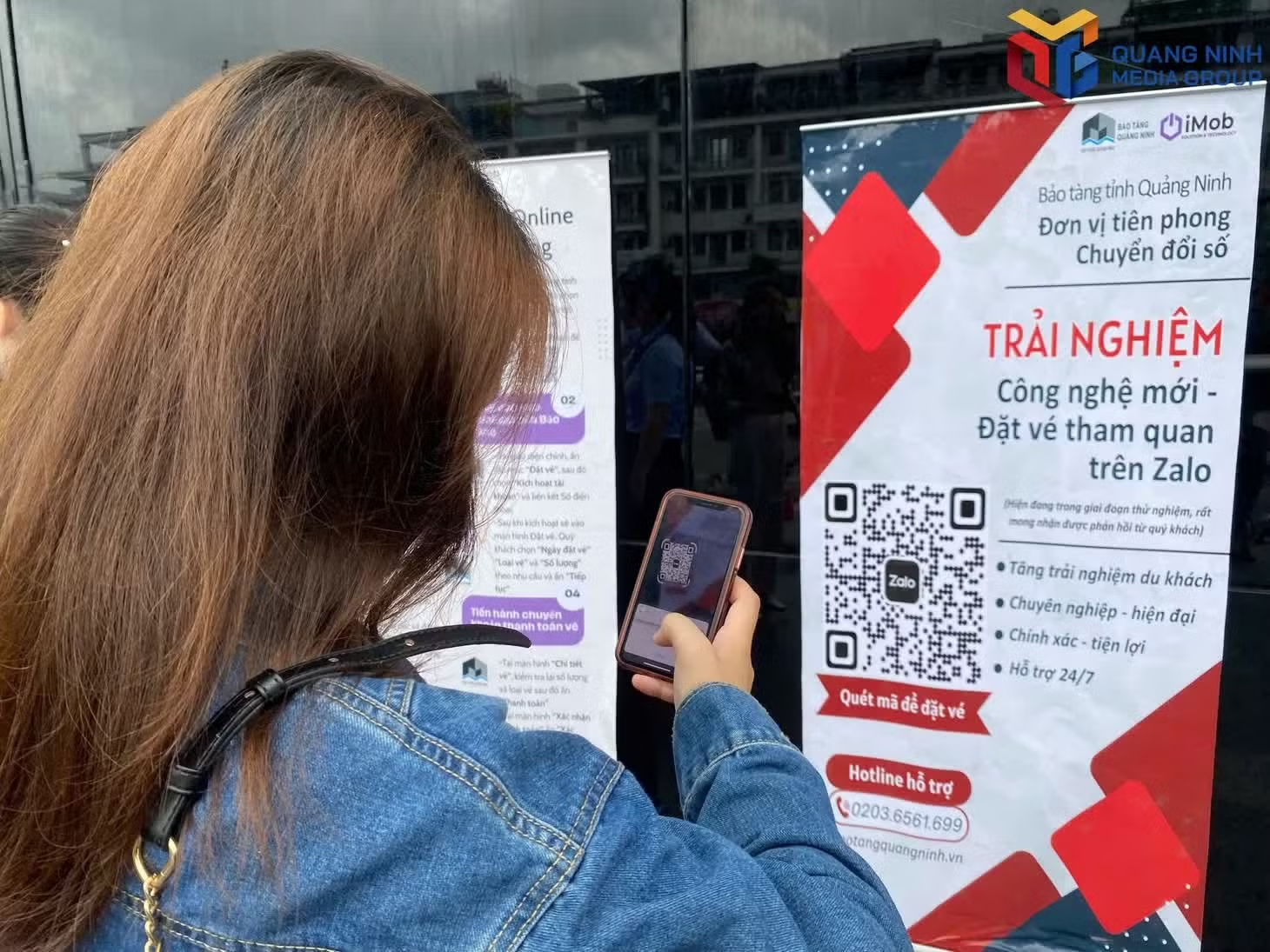
Keeping pace with this trend, Quang Ninh has taken concrete steps towards digital transformation. Many travel businesses are using OTA platforms, digital marketing and online sales. Several localities have introduced digital maps, tourism information portals, e-tickets and smart operation centres. Hong Gai Ward, for example, has been operating the “Hong Gai Smart” Zalo Mini App since early 2026, while Co To Special Zone is operating “Co To Digital” and Van Don Special Zone is developing “Van Don Digital”.
One notable direction in Quang Ninh is to use heritage as a foundation for digital transformation. By the end of 2025, the locality had completed the digitisation of 17 tangible cultural heritage sites and 7 intangible cultural heritage assets. Quang Ninh Museum has digitised more than 25,000 artefacts, including many national treasures recreated using 3D technology. At Yen Tu, VR360 technology, 3D models and multilingual QR codes are being used to expand access to heritage.
Under the 2026–2030 digital transformation plan, the culture, sports and tourism sector has identified five pillars: digital government; digital infrastructure and data; the digital economy and digital society; information security; and digital human resources. Among the key tasks are developing a shared data repository and advancing digital governance.
At the 2026 National Travel Conference and the 2026 National Tourism Promotion Conference held in Quang Ninh on September 24, delegates contributed ideas on applying technology and AI in tourism to enhance visitor experiences and attract tourists.
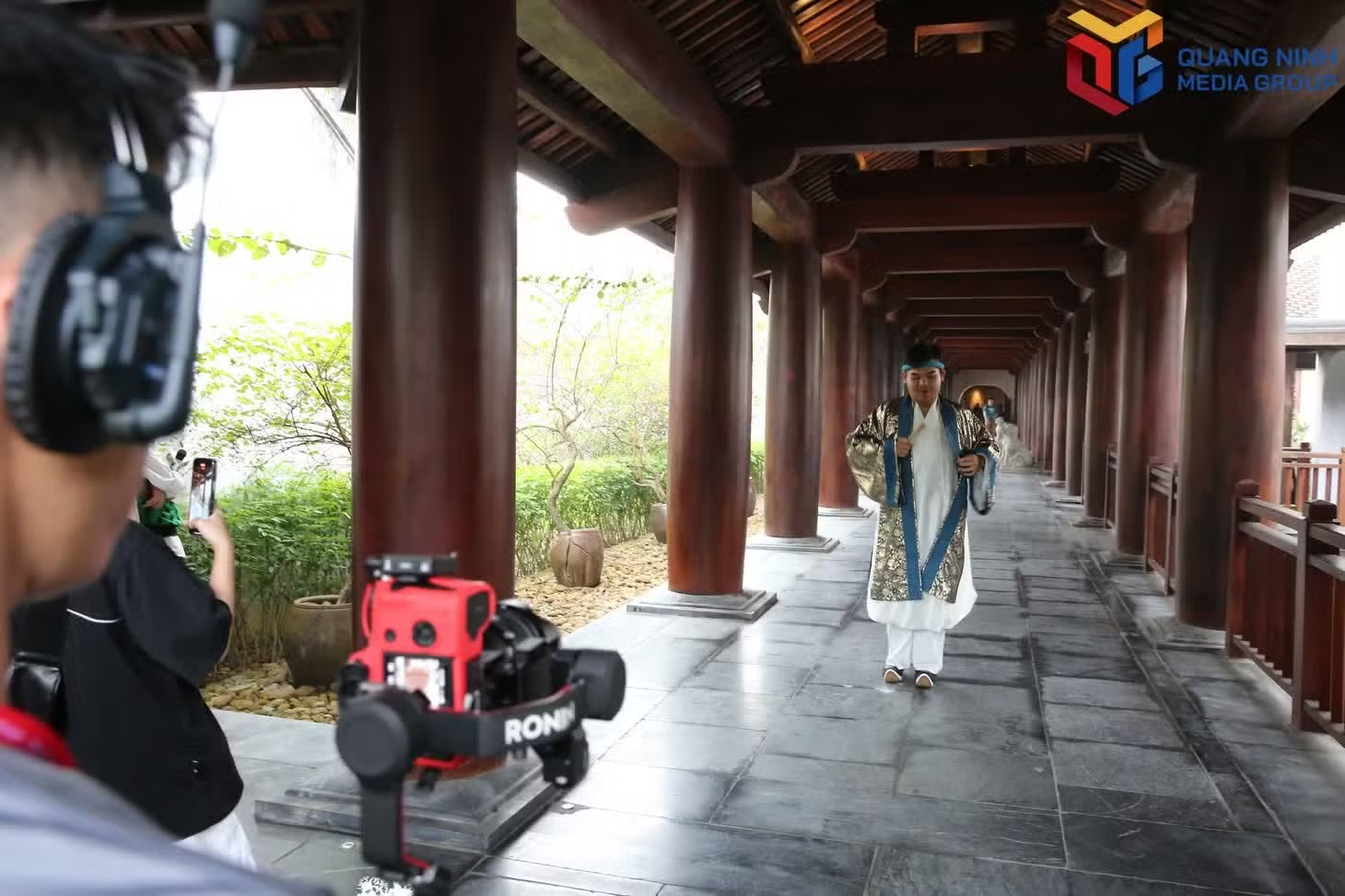
Digital transformation, particularly AI, is opening up new approaches to tourism in Quang Ninh: smarter management, greater business efficiency and more convenient and personalised visitor experiences. To make technology a genuine driver of growth, the tourism sector needs to further develop its data infrastructure, connect digital platforms and strengthen the participation of management agencies, businesses and local communities. When data is effectively harnessed and AI is applied in the right direction, Quang Ninh will have a stronger foundation for enhancing the value and competitiveness of its destination and building a smart tourism ecosystem, gradually realising its goal of becoming a world-class international tourism hub.
By Hoang Quynh