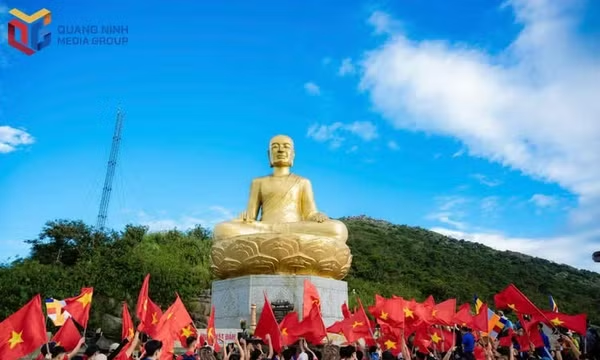
Quang Ninh’s highland communes are gradually developing ecotourism, adventure and community-based tourism experiences, opening up new avenues for economic development, helping improve local livelihoods while preserving traditional cultural values.
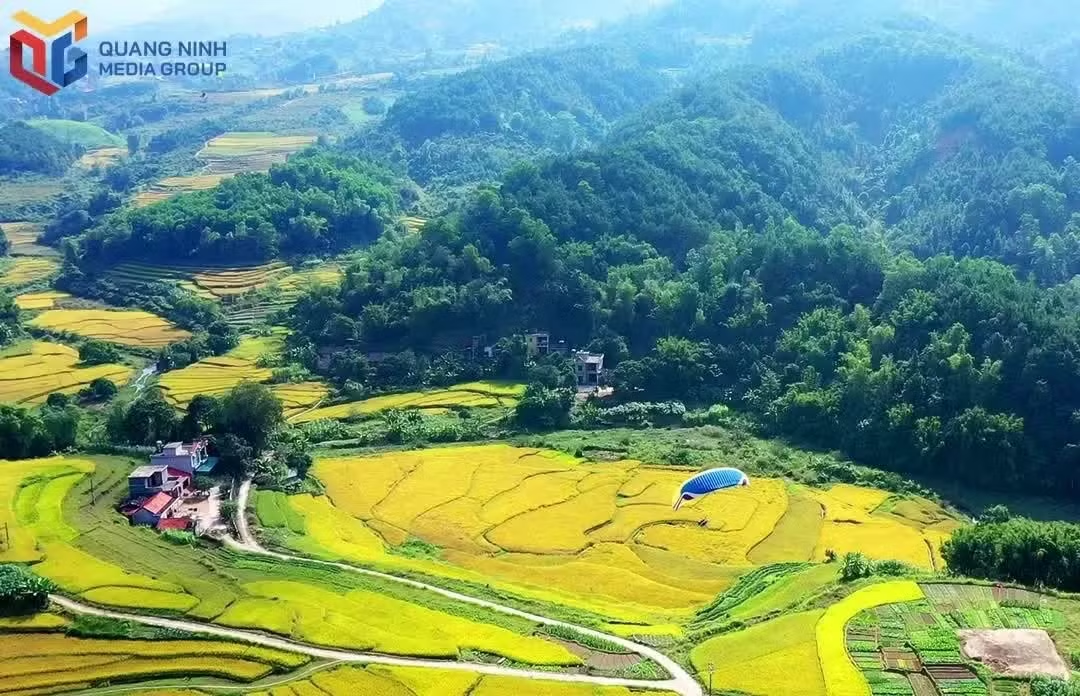
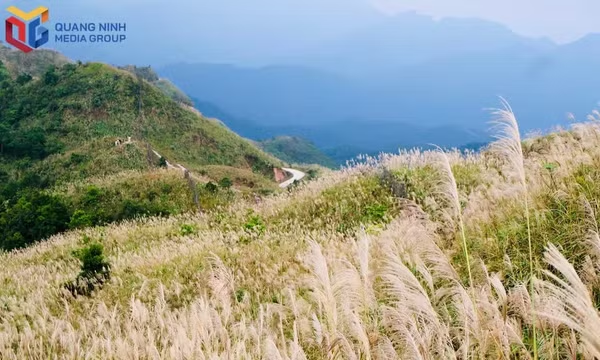
In early November, Luc Hon is at its finest, as the terraced fields in Cao Thang, Ngan Vang, Ngan Meo, Khe O and Ngan Pat turn into golden carpets stretching along the mountain slopes. Against the backdrop of spectacular mountains and lush forests, the golden hues of ripe rice create a captivating natural landscape that invites visitors to explore the region. Beyond its distinctive scenery, Luc Hon is also home to the rich cultural heritage of the Tay, Dao and San Chi ethnic communities, as reflected in their traditional festivals, folk songs, costumes, cuisine and unique customs. These natural and cultural assets provide a valuable foundation for developing tourism experiences that combine nature-based activities with opportunities to discover local culture.
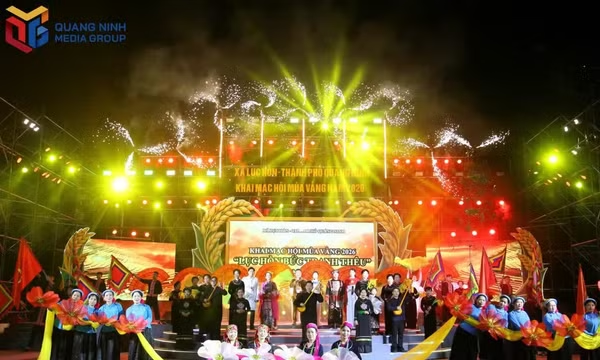
Building on its existing advantages, Luc Hon Commune organises the annual Golden Season Festival to showcase its scenic landscapes, promote local cultural identity and attract visitors. This year's festival, running from October 17 to November 22, features a diverse programme of cultural, sporting and community-based activities. Highlights include the "Conquering Cao Xiem Peak-Camping to Welcome the Golden Season" trekking event; a friendly women's football tournament featuring teams from Luc Hon, Binh Lieu and Hoanh Mo communes; displays of OCOP products, local agricultural produce and cuisine; and the "Colours of the Golden Season" fashion design and performance contest.
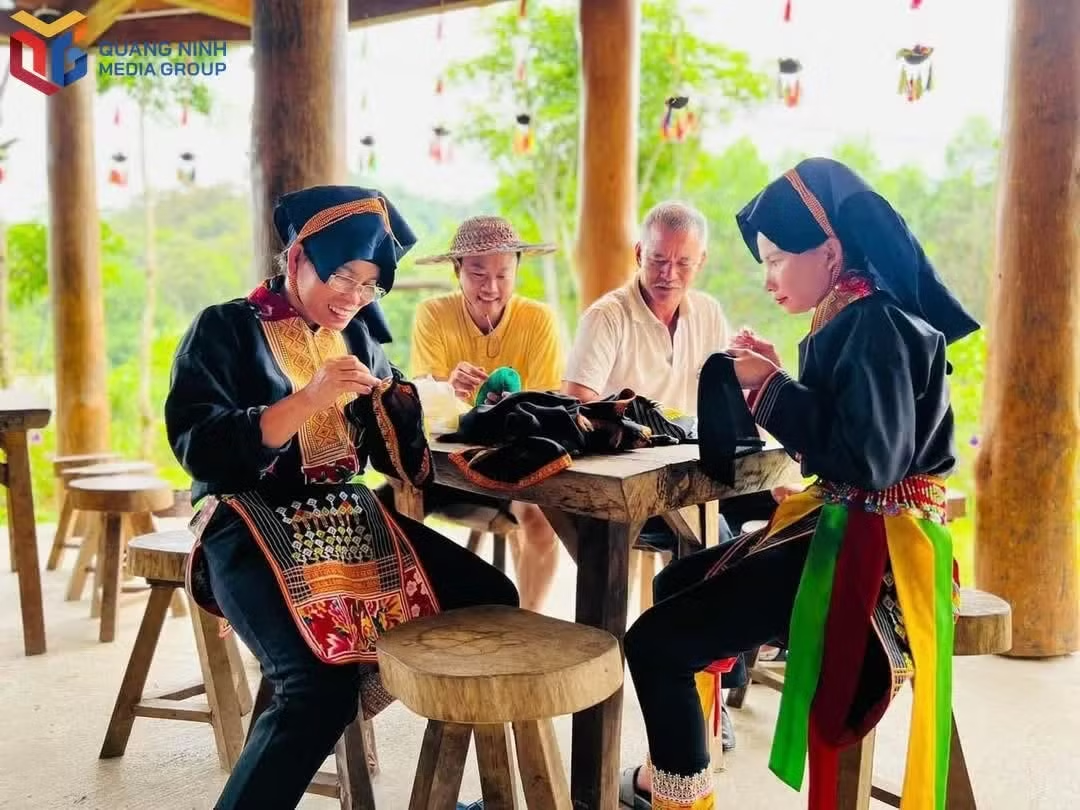
What makes the Golden Season Festival particularly appealing is its range of immersive activities that offer visitors a glimpse into the everyday lives of local ethnic communities. On Saturdays and Sundays, visitors can try their hand at making banh day, a traditional glutinous rice cake of the San Chi people; discover the intricate embroidery techniques used in the traditional costumes of the Dao Thanh Phan and Dao Thanh Y groups; and join in traditional ethnic sports activities. They can also admire the picturesque terraced fields of Cao Thang, Ngan Vang and Ngan Meo and experience the rice harvest firsthand. A special highlight is the opportunity to discover the Tay people's "New Rice Celebration", which is held from October to November. Through these immersive experiences, visitors can gain a deeper appreciation of local traditions, while traditional cultural values become a distinctive attraction of community-based tourism.
In Ky Thuong Commune, preserving and promoting the cultural identity of the Dao and San Chay ethnic groups has also become a key focus, in line with the locality's orientation towards sustainable community-based tourism development. In recent years, the commune has organised various activities to revive traditional rituals, worked with cultural authorities to conduct inventories of intangible cultural heritage, and compiled management dossiers for local historical sites. Residents are also encouraged to preserve and develop traditional handicrafts, such as weaving and embroidering ethnic costumes, while gradually creating handcrafted souvenirs for visitors. Notably, community cultural heritage preservation clubs have been established and maintained in local villages, serving as gathering places where people of different generations can interact, exchange experiences and pass on traditional cultural knowledge.
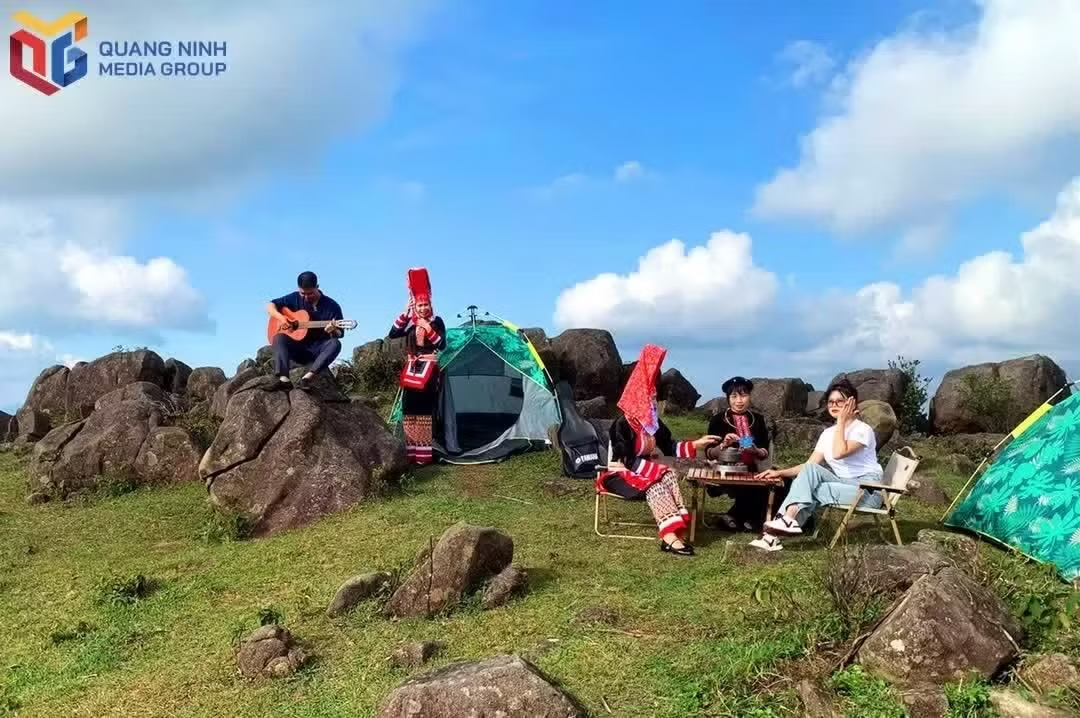
Alongside investment in infrastructure and tourism promotion, localities need to place landscape conservation, cultural preservation and the active involvement of local communities at the heart of tourism development. When residents actively participate in tourism activities, benefit from the opportunities they bring and take responsibility for safeguarding local natural and cultural resources, the unique values of mountain landscapes and traditional villages can become lasting assets for sustainable development. Building on these strengths is key to unlocking the tourism potential of Quang Ninh's highlands, creating new livelihood opportunities, improving local people's living standards and further enriching the city's diverse tourism offerings.
By Nguyen Ngoc