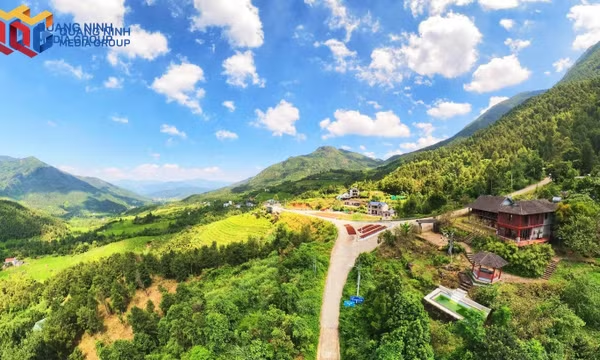
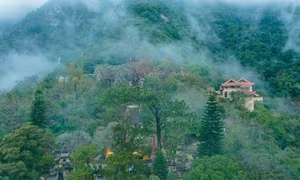
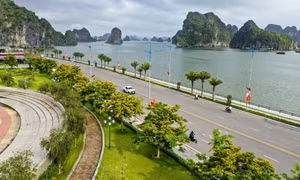
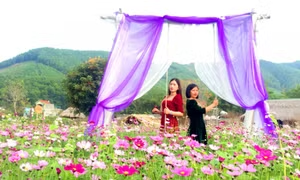
Located about 2 kilometres north of the centre of Uong Bi Ward, Lung Xanh ecotourism area captivates visitors with its clear streams, cascading waterfalls and lush vegetation. Behind Lung Xanh lies the Thanh Dang-Binh Huong mountain range, standing out amid the surrounding mountain scenery with sweeping grass-covered slopes, green pine forests and natural rock formations that create a scenic setting changing with the seasons. With their distinctive natural landscapes, Lung Xanh and Thanh Dang-Binh Huong hold considerable potential for ecotourism development and are expected to become notable attractions in Uong Bi Ward’s tourism development plans in the years ahead.
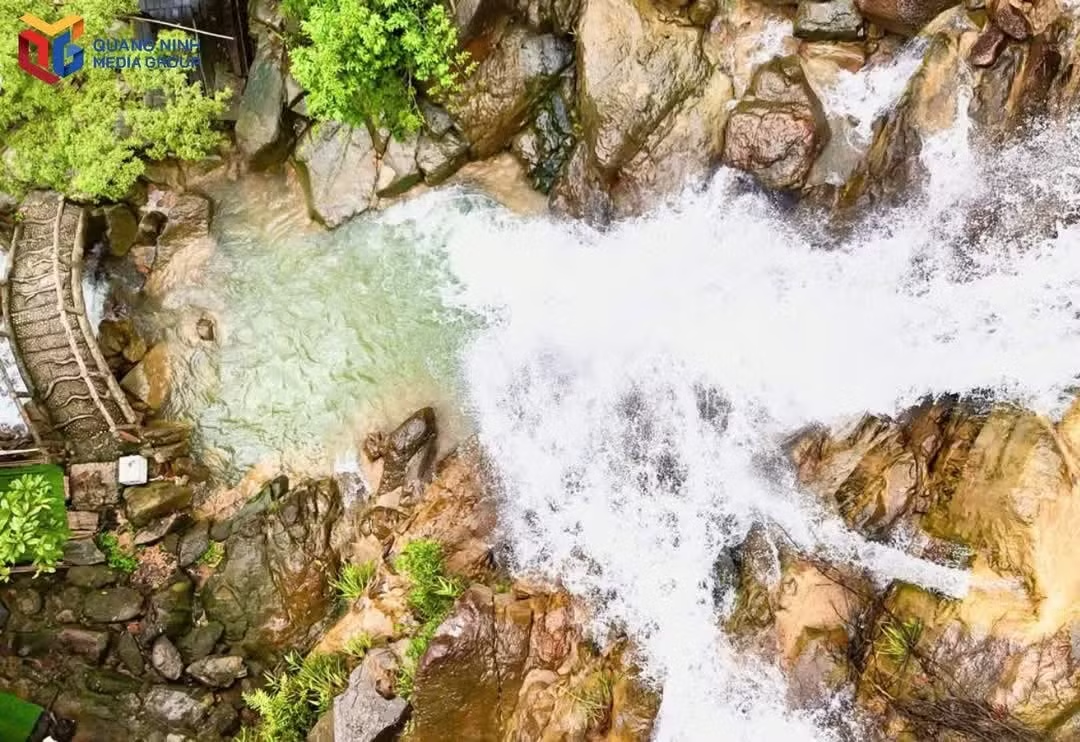
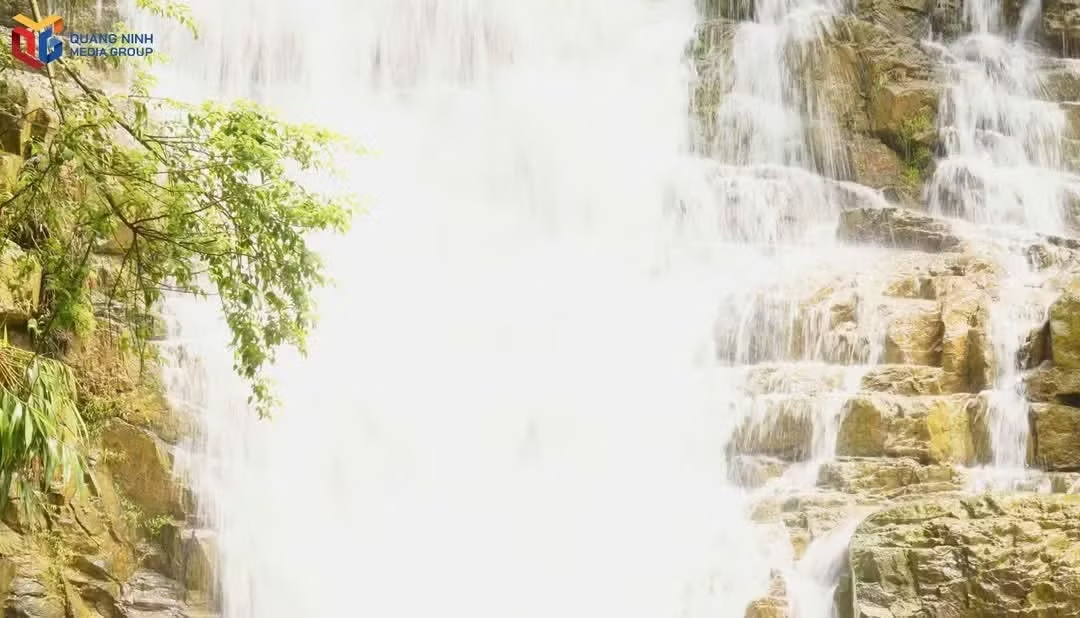
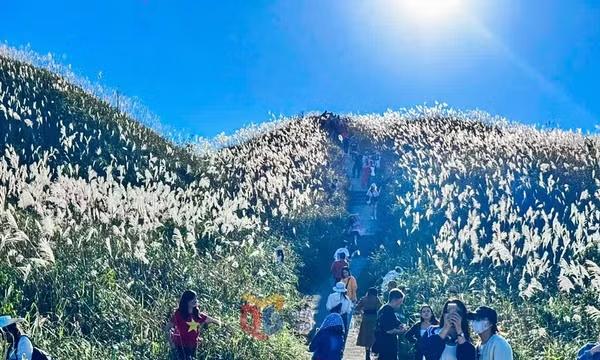
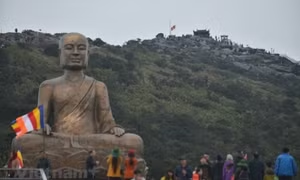
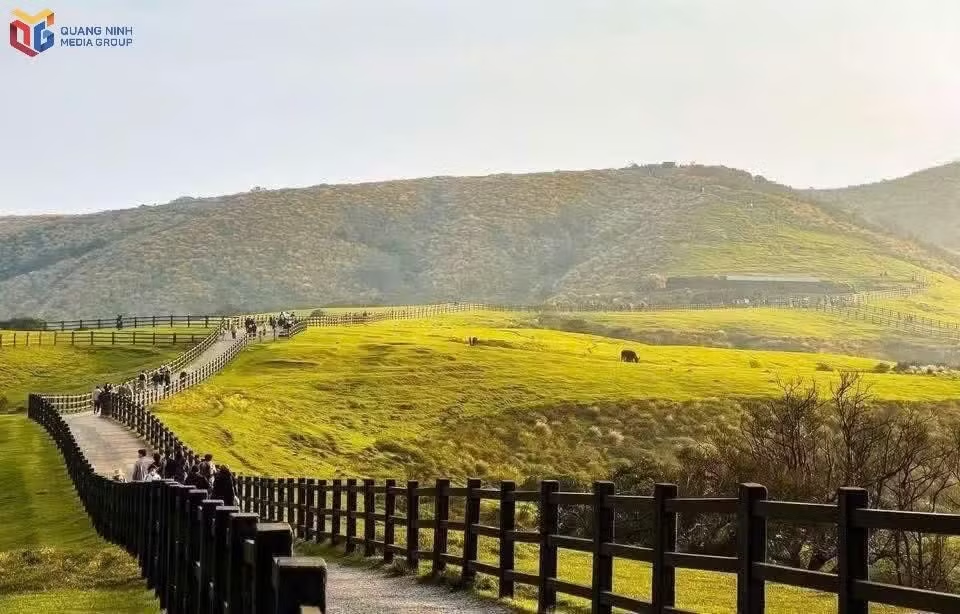
While Lung Xanh impresses visitors with the harmonious interplay of rocks, water and woodland, Thanh Dang- Binh Huong captivates them with its expansive mountain scenery, lush forests and rolling grass-covered slopes. Originating halfway up Ba Vang Mountain, the stream winds through mountain crevices, forming three tiers of waterfalls, each with its own distinctive character. Water cascades down rocky cliffs, flows over smooth stones and gathers in clear pools at the foot of the falls. The sound of cascading water, the refreshing flow of the stream and lush vegetation combine to create an unspoilt natural setting, ideal for hiking, sightseeing and outdoor experiences. Rising to an elevation of around 470 metres and stretching for approximately 4 kilometres, Thanh Dang -Binh Huong offers expansive views of grass-covered slopes, pine forests and natural rock formations. On clear days, visitors at the summit can enjoy panoramic views of Yen Tu Mountain, Ba Vang Pagoda, the Bach Dang River and the surrounding Uong Bi area.

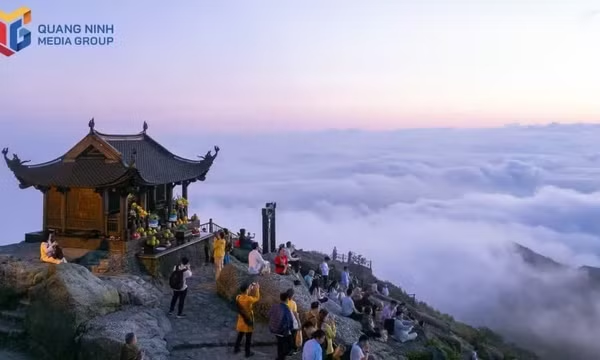
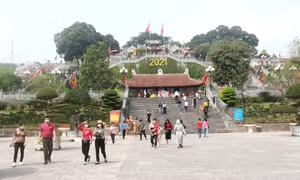
Beyond their distinctive natural landscapes, Lung Xanh and Thanh Dang- Binh Huong also benefit from their geographical proximity to Ba Vang Pagoda and their potential connections to other tourist attractions in the area. These advantages provide favourable conditions for developing an integrated tourism area that combines nature exploration, ecotourism experiences and cultural and spiritual tourism, helping to diversify tourism products and make Uong Bi an attractive year-round destination.
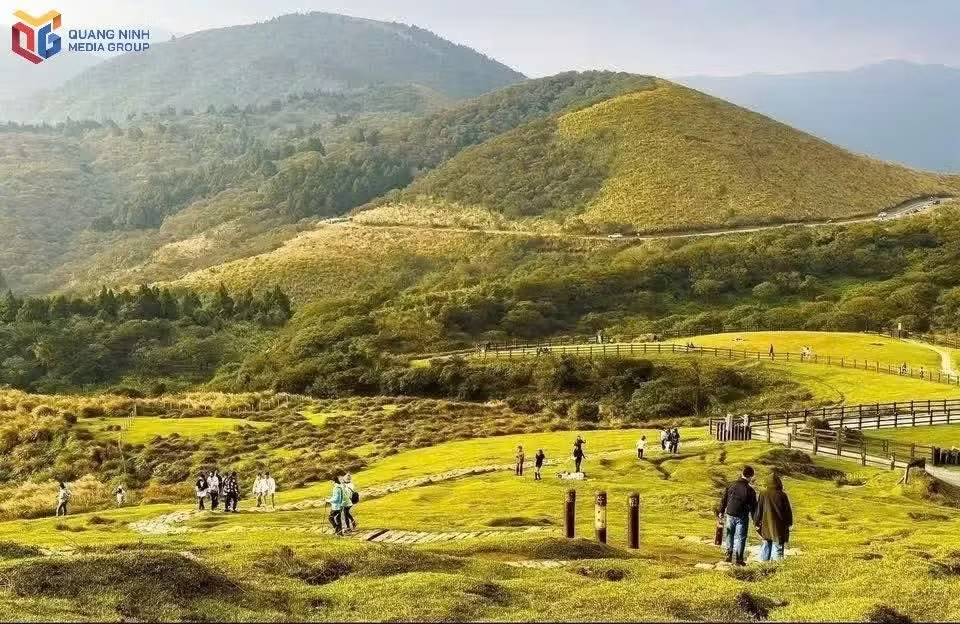
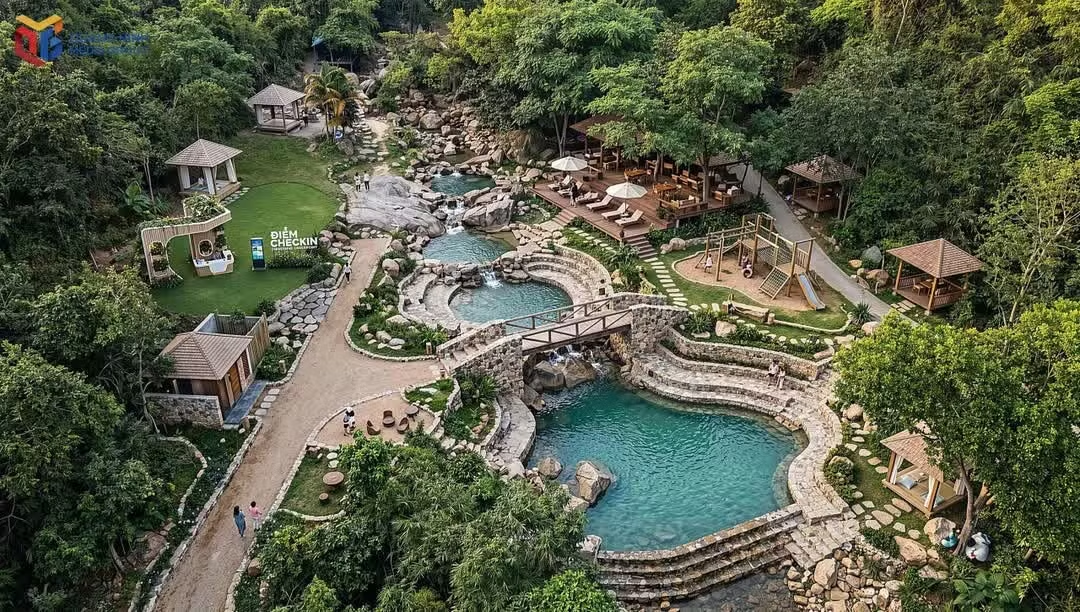
Investment planning for Lung Xanh and Thanh Dang-Binh Huong should focus on capitalising on their existing strengths while ensuring that tourism development goes hand in hand with the protection of forests, water resources, landscapes and the ecological environment. Key priorities include studying ways to improve access infrastructure, develop visitor facilities, organise sightseeing areas, improve visitor safety and create nature-based experiences.
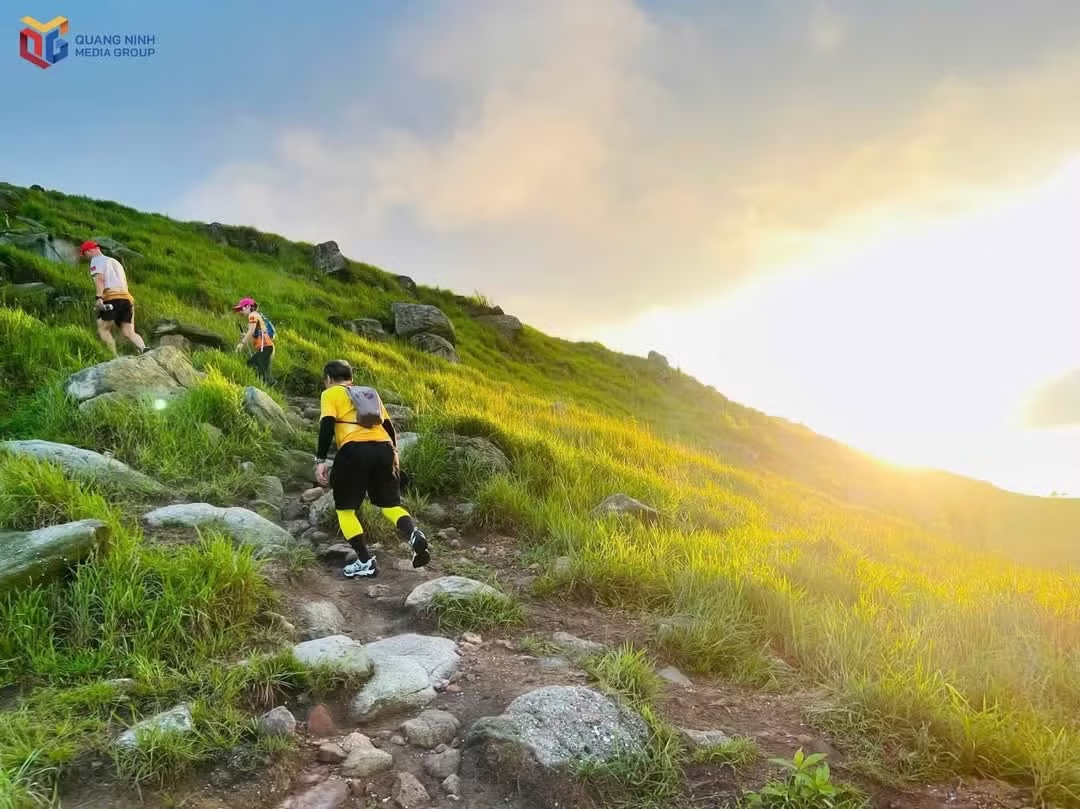
With thorough planning and appropriate investment, Lung Xanh and Thanh Dang- Binh Huong have the potential to become important destinations within Uong Bi’s ecotourism landscape, offering visitors more experiences alongside the cultural and spiritual tourism products for which the area has already established a reputation. This would help diversify tourism and service activities, create new opportunities for economic development and gradually turn the area’s natural landscapes into an asset for long-term sustainable development.
By Phuong Lan