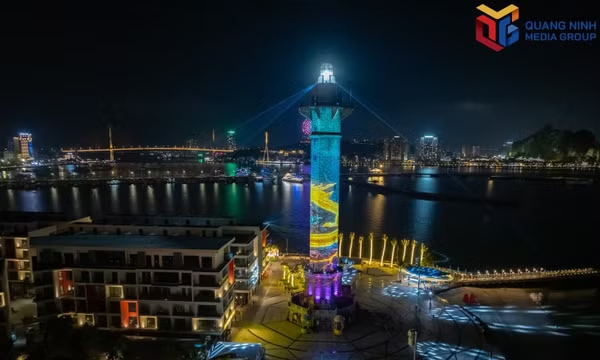
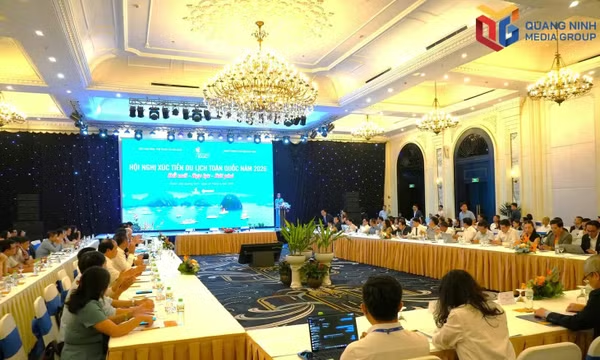
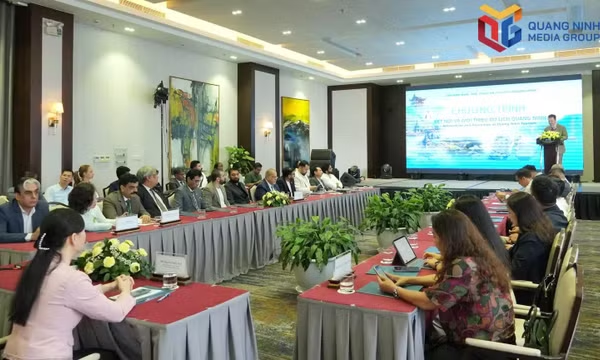
Marrying mariculture, community culture, and pristine nature, Van Don is systematically transforming its local assets into immersive tourism products. By designing deeply authentic journeys and expanding local cultural pathways, this approach is paving the way for meaningful, experiential-driven tourism growth.
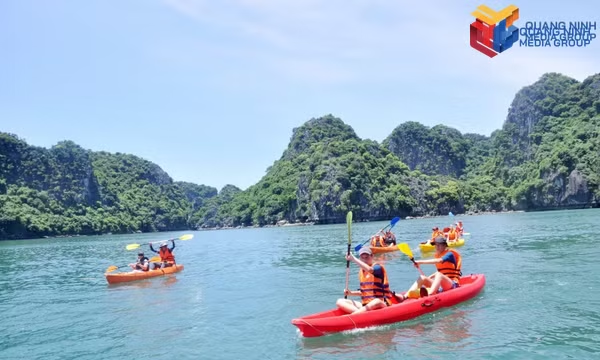
Nestled within the breathtaking expanse of Bai Tu Long Bay, the Cong Lao Vong fishing village preserves the time-honored livelihoods of Van Don’s coastal residents. Leveraging local oyster, fish, and mollusk farms, the community is pioneering experiential tours that allow visitors to explore aquaculture zones, learn seafaring traditions, directly harvest and process seafood, and immerse themselves in daily island life.
This initiative anchors a new pilot program integrating marine eco-tourism with aquaculture across 16 designated farming zones. Slated to boost aquaculture production value by 15% to 17% compared to traditional farming alone, the model aims to transition 500 to 700 workers from pure fishing to combined tourism services throughout 2026, targeting over 90,000 visitors.
The model’s innovation lies in capturing added value directly from the production process rather than simply selling seafood. Upgraded, eco-friendly farming rafts equipped with guest facilities offer travelers a "A day as a fisherman" experience, fostering a cohesive "Cultivation - Processing - Tourism" value chain that stimulates auxiliary sectors like transport, lodging, and dining.
"Residents are eager to learn hospitality and customer service, and we hope for support to upgrade our facilities so we can run experiential tourism effectively", said Tran Thi Mo, Deputy Director of the Bai Tu Long Fishing Village Cooperative.
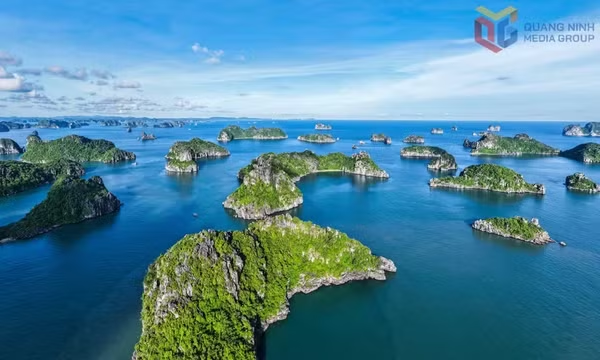
Van Don boasts distinct advantages for this niche, featuring vast marine spaces, a rich ecosystem, and deep cultural heritage. Spanning over 551.3 square kilometers of land with more than 600 islands, roughly 1,620 square kilometers of sea, and the 15,783-hectare Bai Tu Long National Park, the district pairs renowned beaches like Quan Lan, Minh Chuong, and Ngoc Vung with 44 historical and cultural sites, notably the Van Don Trading Port Special National Relic.
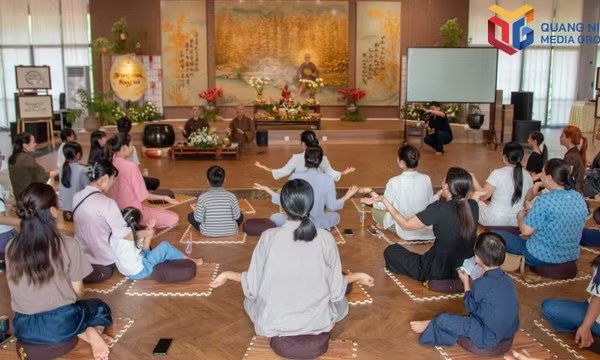
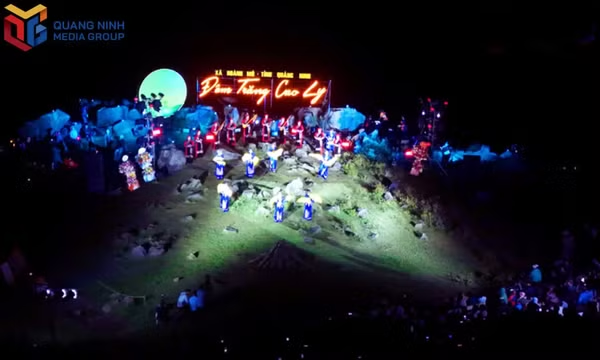
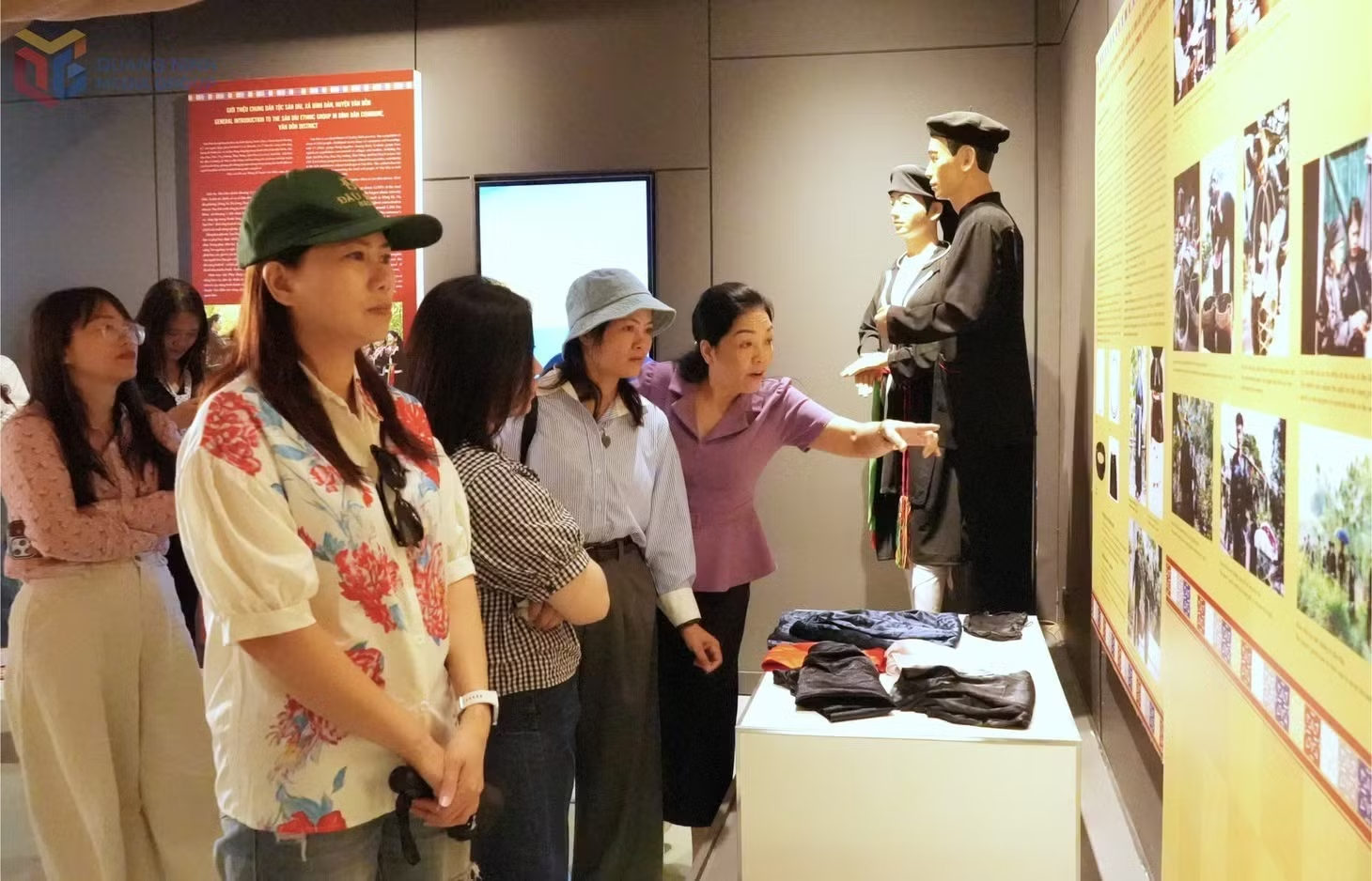
Indigenous culture is also taking center stage. The San Diu Ethnic Cultural-Tourism Village, featuring authentic artifacts, labor tools, and community spaces, adds a rich cultural dimension, while traditional arts, local cuisine, and everyday rituals are being cultivated to forge a unique destination brand.
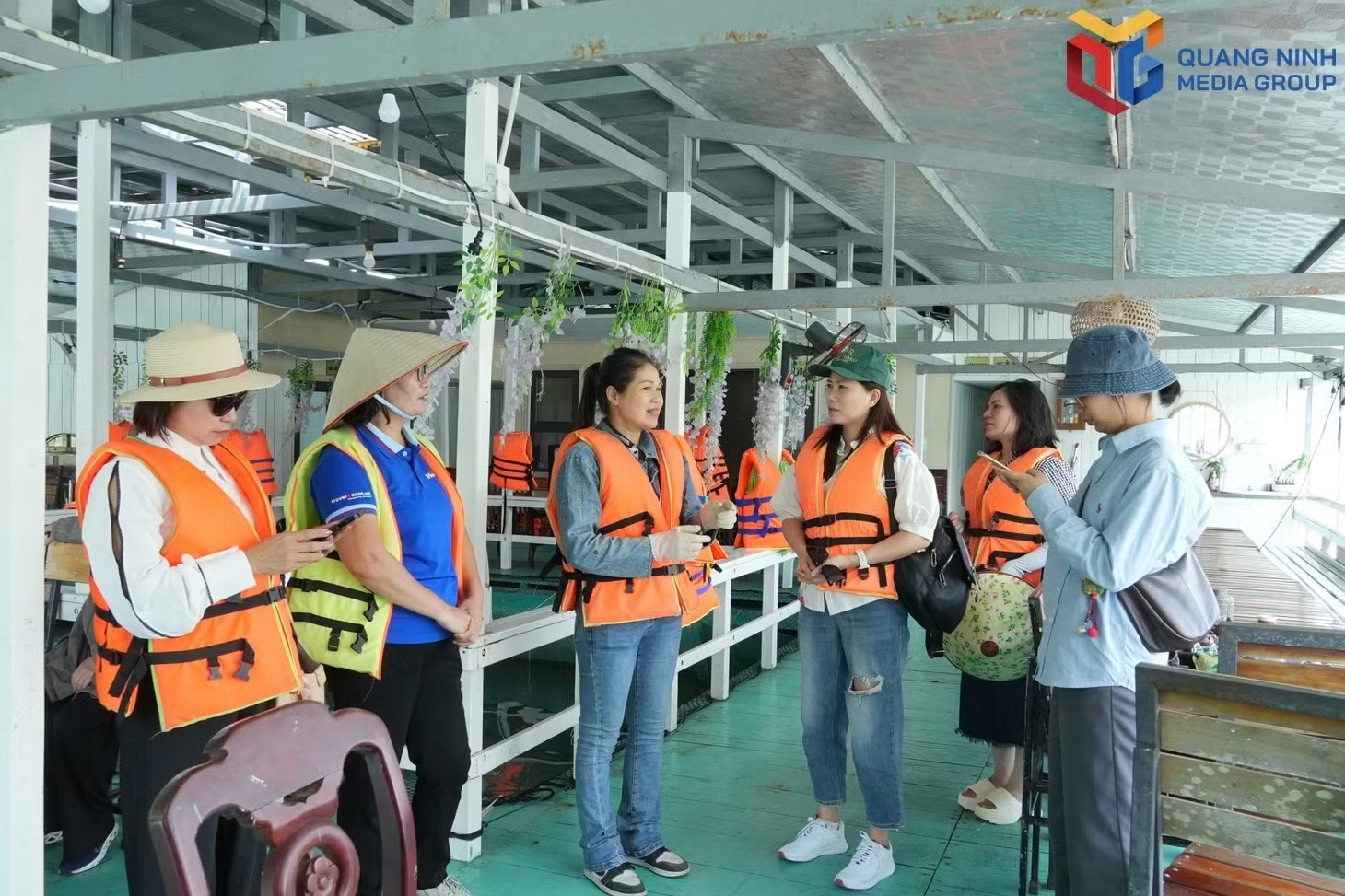
According to Ngo Duy Ninh, Director of Vietnamtourism’s Quang Ninh branch, crafting compelling community-based tourism requires embedding authentic local identity into every offering. "This not only enriches visitor experiences, but also generates supplementary income, encouraging communities to actively preserve their heritage”, he noted.
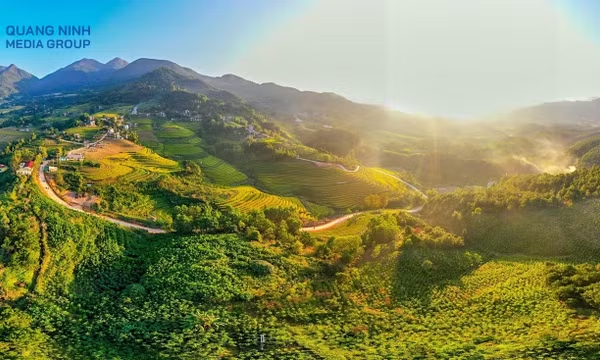
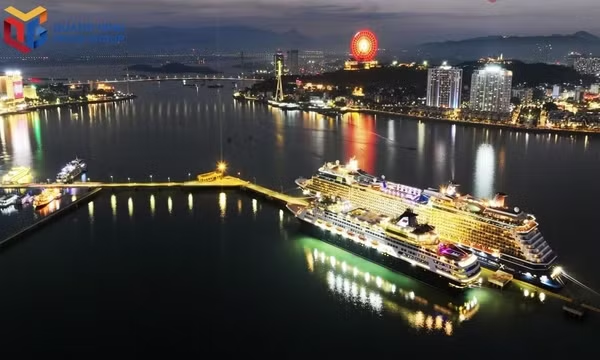
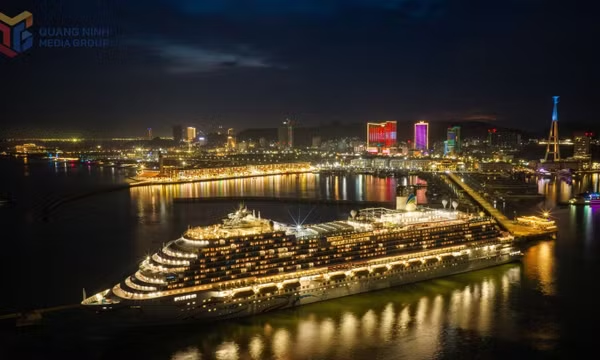
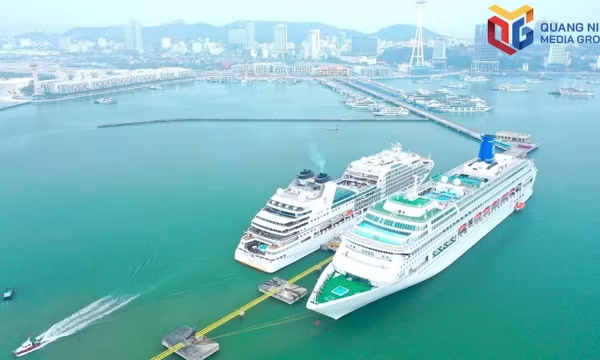
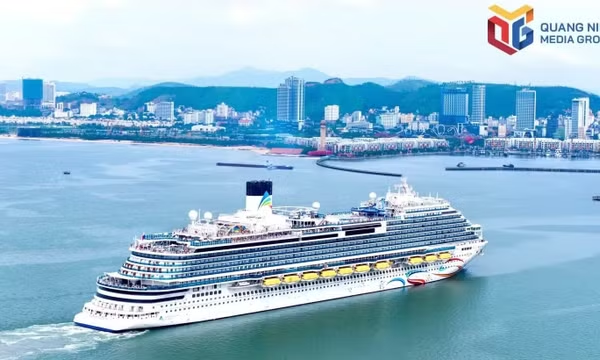
Enhanced connectivity, anchored by the Van Don International Airport, modern expressways, and the Ao Tien luxury cruise port, has helped expand the district's tourist markets. Alongside island and cultural offerings, Van Don is pioneering new segments like agricultural tourism tied to the Van Yen orange-growing region, blending sightseeing, fruit-tasting, and OCOP promotions.
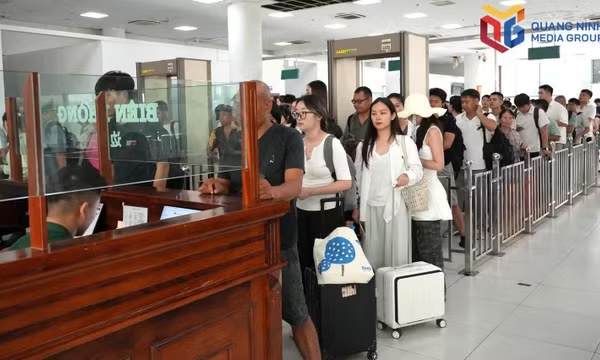
Early successes are reflected in increasing tourist arrivals. In the first nine months of 2026, Van Don welcomed roughly 3 million visitors, up nearly 53% year-on-year.
Rather than relying on passive sightseeing, Van Don is moving beyond a reactive approach to craft deeply authentic journeys, allowing travelers to not just witness, but actively live and breathe its rich seafaring heritage, local culture, and regional bounty.