Beyond the world-famous emerald waters of Ha Long Bay lies a lesser-known facet of Quang Ninh: its soaring northern mountains and enduring ethnic minority heritage. Nestled in the highland commune of Luc Hon within the city of Quang Ninh, Ban Cau village quietly preserves the distinctive marks of Tay culture, spanning traditional architecture, timeless crafts, indigenous customs, language, and community life. Safeguarding these values is a journey that local authorities and residents are steadily undertaking together, step by practical step.
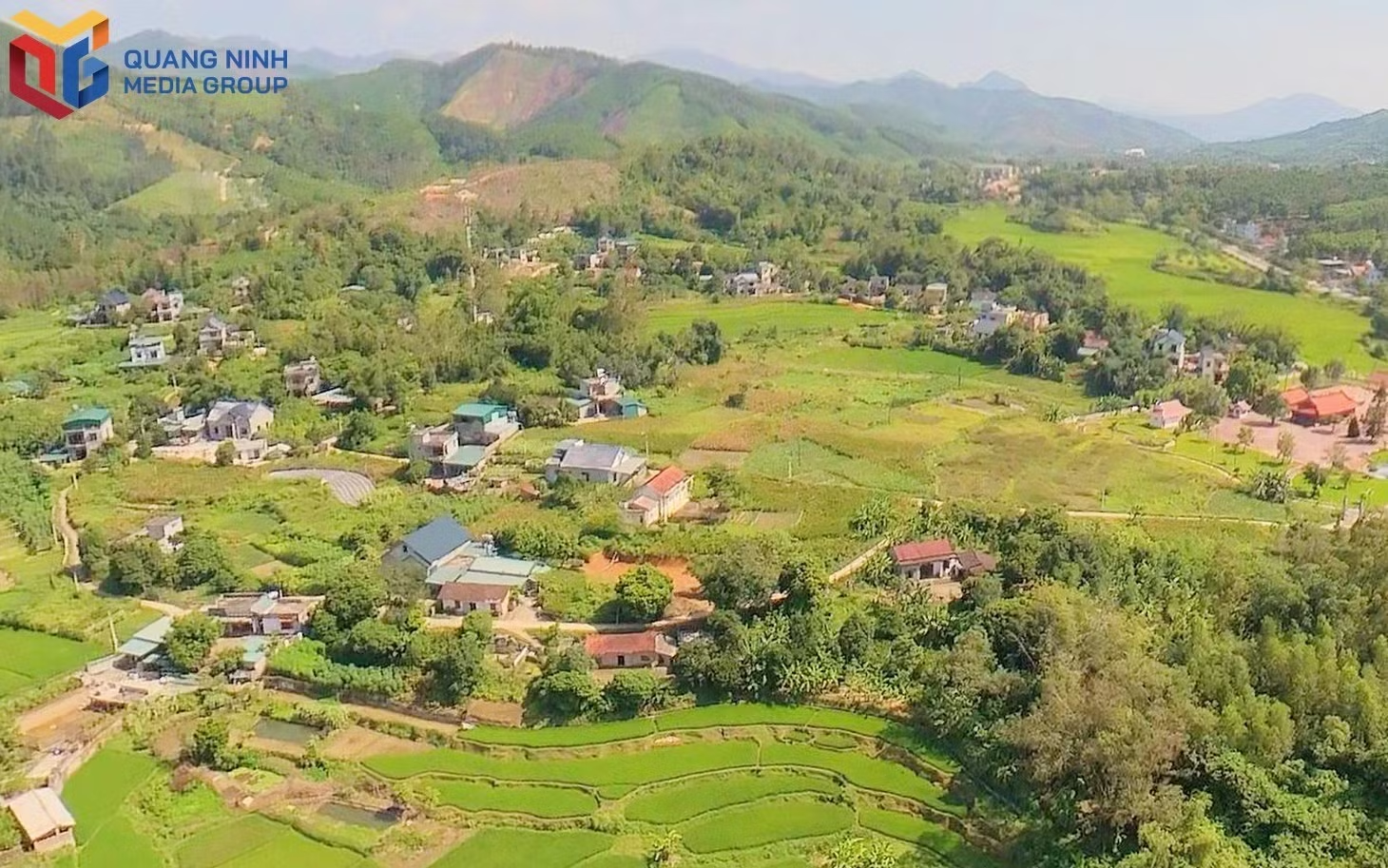
Beginning from Luc Na Communal House in Luc Hon Commune, a narrow pathway winds directly into Ban Cau. Traditional houses sit close to one another, interspersed with lush home gardens, patches of canna, and verdant rows of trees. In certain spots, what appears to be a garden wall along the path is actually the earthen wall of an old home. Their dark earthen tones, low roofs, and modest courtyards evoke the quiet grace of a bygone era amidst newly constructed buildings.
Visiting the remaining earthen homes in the village, conversations with residents Ly Thi Hoang and Be Thi Kim bring those memories into sharper focus. In the past, earthen houses dominated the landscape, while modern brick dwellings were rare. Yet more memorable than the structures themselves was the spirit of community that surrounded them.
Ly Thi Hoang recalls, "Whenever a house was built, the entire village came to help". Neighbors contributed their labor without demanding wages; during the construction days, homeowners prepared simple pots of porridge for everyone, sharing a modest meal with meat only upon completion to express gratitude. It remains a beautiful custom and way of life that the community continues to cherish.
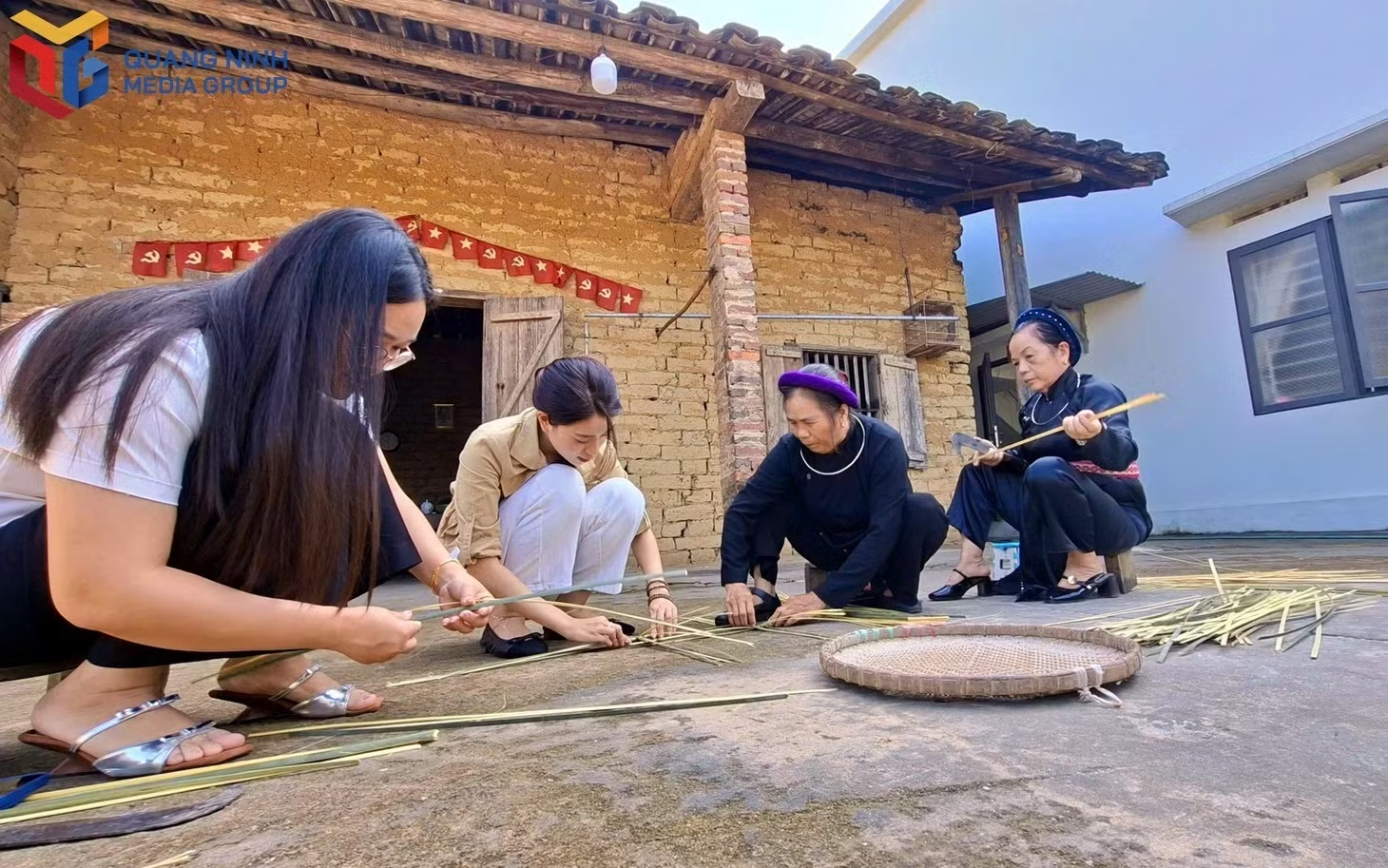
From architecture, the conversation naturally turns to the craft of weaving. Be Thi Kim shares that while many women in the village once knew how to spin silk and weave, few masters of the craft remain today. "Looms can always be rebuilt, but the people who know how to weave are scarce". Her words capture the very core of conservation challenges: physical artifacts can be replicated, but traditional knowledge and living practitioners will fade if not consciously passed down.
For this reason, preserving Ban Cau cannot stop at simply maintaining a few houses or restoring a wooden loom. According to Vi Tien Vuong, Chairman of the Luc Hon Commune People's Committee, safeguarding cultural values must remain deeply anchored in the village community. By weaving these unique cultural elements into experiential tourism activities, local residents serve both as the rightful custodians of heritage and active participants in its promotion.
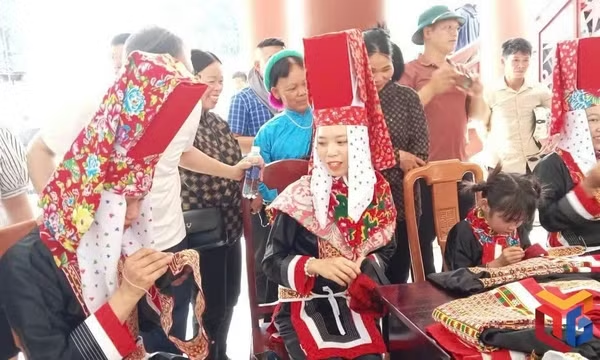
Guided by this vision, the locality is translating policy into concrete actions. Through comprehensive surveys, 14 traditional earthen-walled houses in Ban Cau have been placed on a conservation and restoration list. Twelve remain actively inhabited, while two are disused, with one experiencing mild deterioration. Preservation efforts are integrated within the broader framework of protecting the village's residential layout, natural landscape, and its historical connection to Luc Na Communal House. Apart from architecture, the Tay language, traditional attire, cuisine, customs, and folk arts continue to be carefully nurtured.
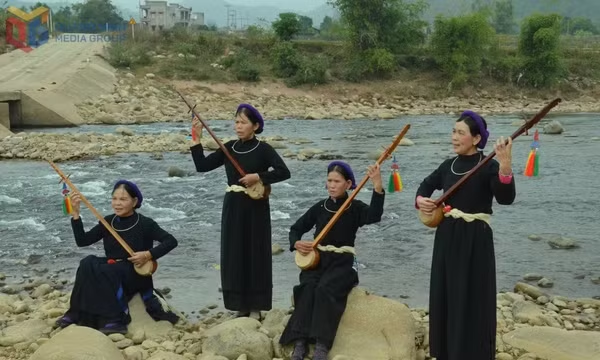
Moving beyond tangible preservation, current strategies focus heavily on recreating living cultural spaces. The commune is dedicated to teaching the Tay language, Then singing accompanied by the Tinh lute, traditional culinary arts, attire, customs, and weaving crafts, while also establishing folk performance troupes, local guide teams, and younger successor generations.
Traditional livelihoods and agricultural products such as wet-rice cultivation, canna arrowroot, new-season sticky rice, five-color rice, and traditional cakes are being developed into immersive visitor experiences. According to locals, reviving the traditional cycle of mulberry cultivation, silkworm rearing, silk spinning, and textile weaving could, with careful guidance, breathe new life into an ancient craft while offering visitors a deeply engaging experience.
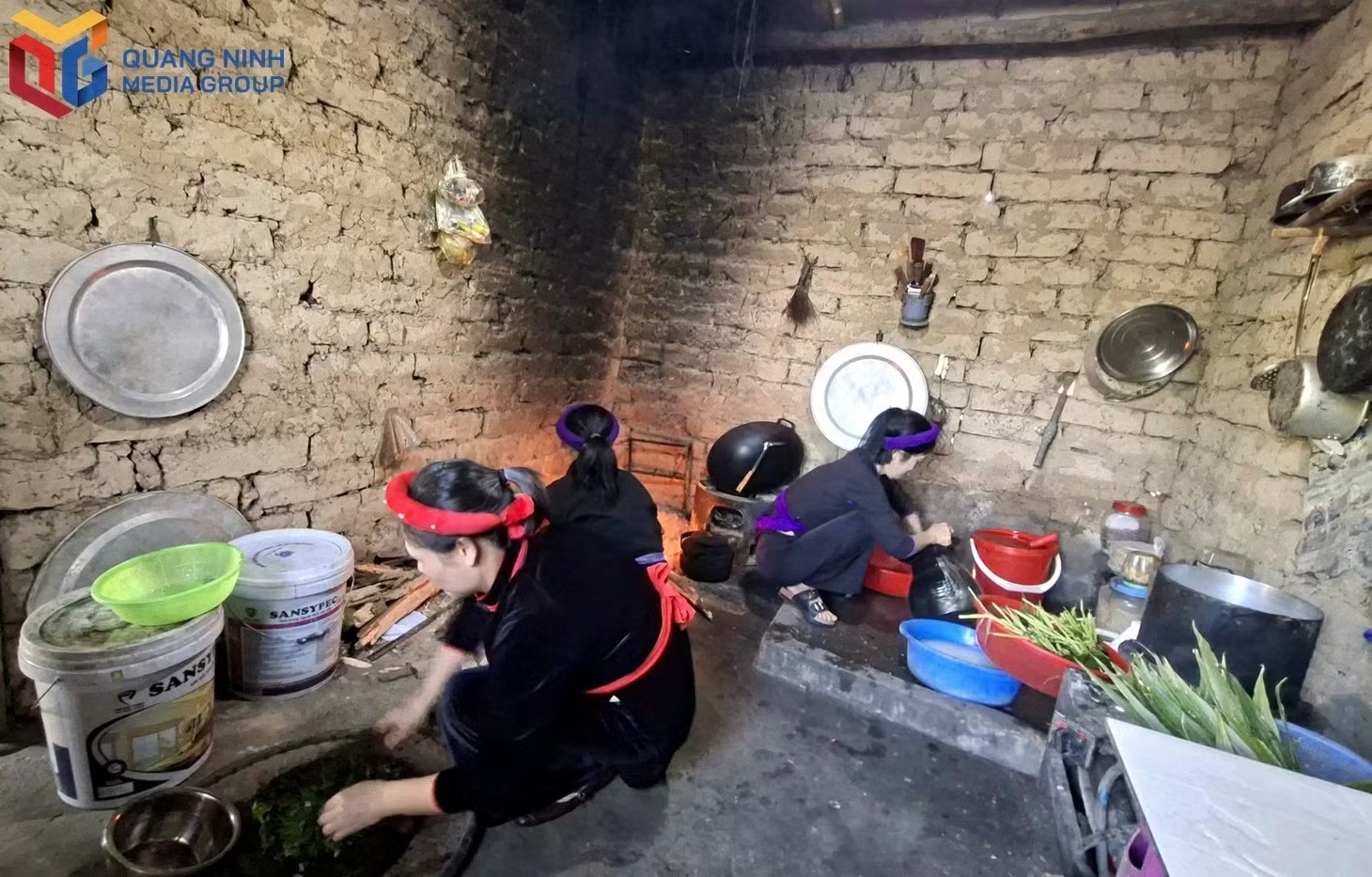
In addition to preservation, Ban Cau is gradually integrating its cultural heritage into community-based tourism, connecting the Luc Na Communal House route with the Ban Cau Tay Ethnic Village. Between July 2025 and September 2026, 20 local residents received professional training in community tourism skills. The locality is also working to standardize visitor routes while expanding culinary services, agricultural experiences, basketry, and handicraft sales.
While local infrastructure and experiential offerings remain a work in progress, and human and financial resources for heritage preservation are still constrained, with certain cultural values remaining dependent on a handful of elders who still hold and practice them, the path forward remains clear.
Along the narrow lanes of Ban Cau today, old earthen walls still stand side-by-side with modern homes. Preserving this architectural silhouette as well as the people who still remember the crafts, honor the old customs, and cherish their traditional lifestyle is the surest way for the identity of Ban Cau to endure and flourish sustainably through time.