On January 21, Ha Long University held a ceremony to inaugurate the Recycling Technology Demonstration Space and signed a memorandum of understanding with members and partners of the REVFIN Project on “Preventing, Reducing and Recycling Fishing Gear Waste in Vietnam’s Marine Areas”.
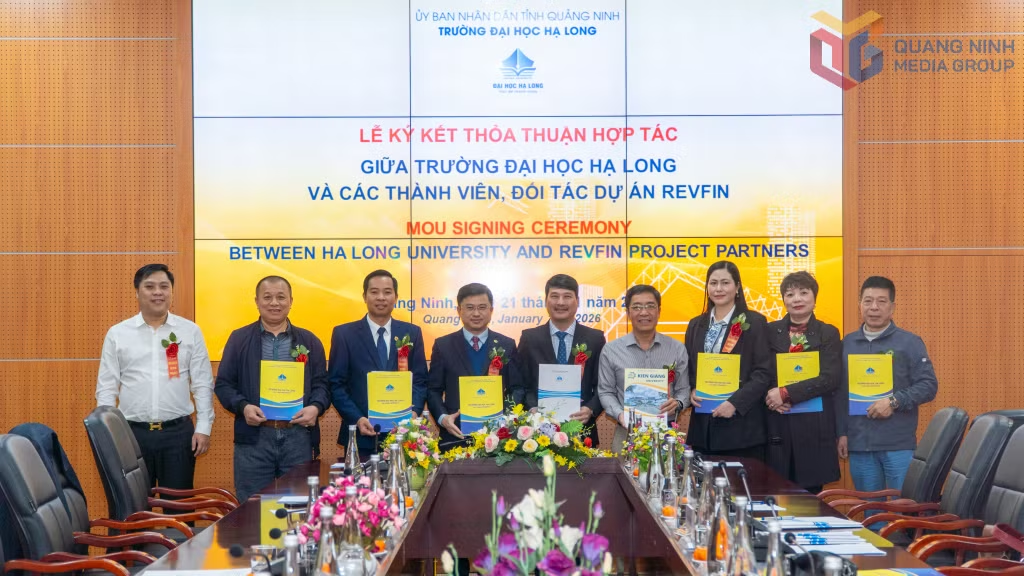
REVFIN is a research and development project aimed at preventing and addressing fishing gear waste in Vietnam’s coastal regions. The project is funded by the German Federal Ministry for the Environment, Nature Conservation, Nuclear Safety and Consumer Protection and led by Ostfalia University of Applied Sciences, in cooperation with Vietnamese universities and research institutes. As one of the project’s partners, Ha Long University participates in research, technology demonstration and knowledge transfer in recycling, contributing to the protection of marine resources and environment, as well as to the sustainable development of the marine economy.
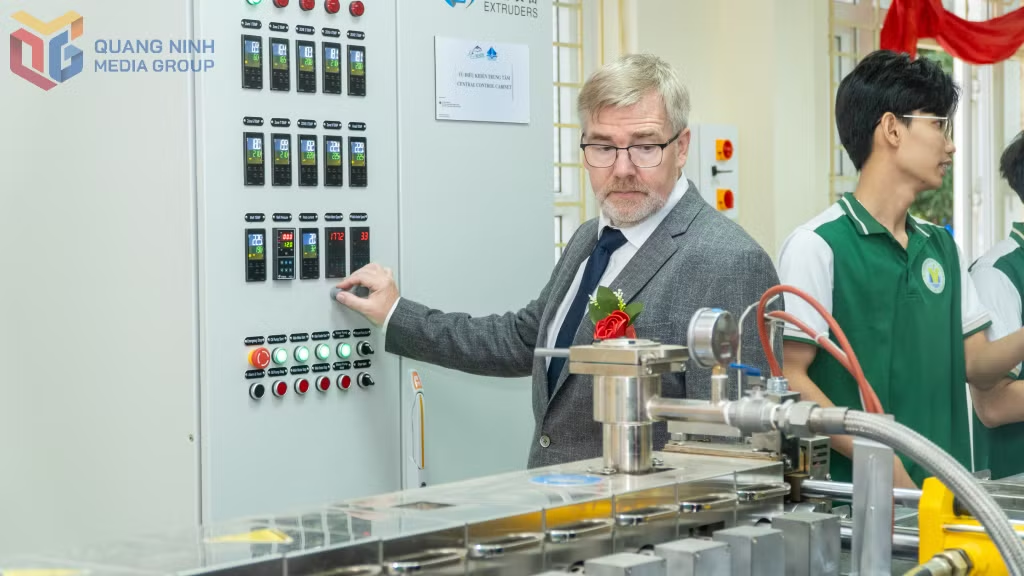
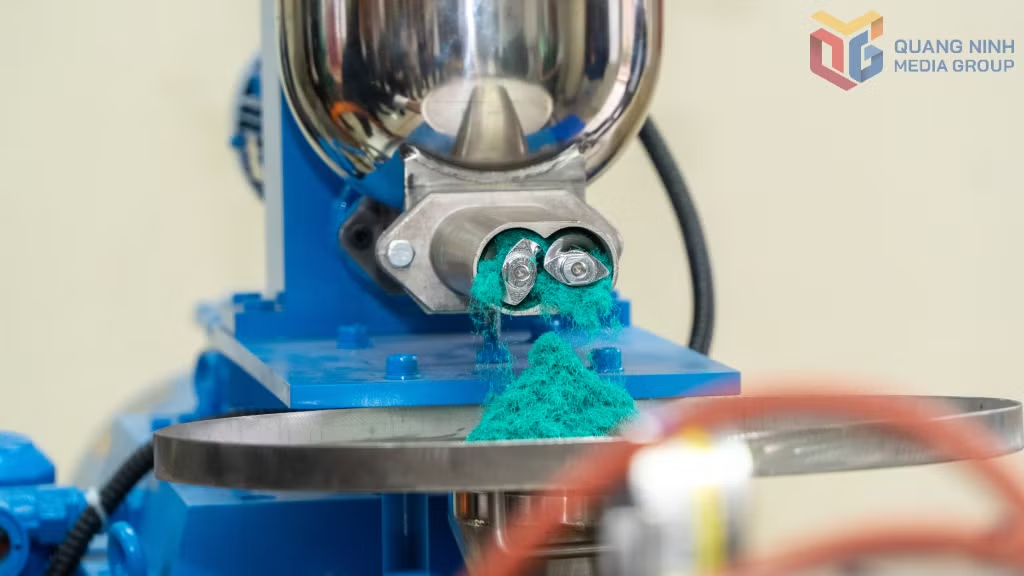
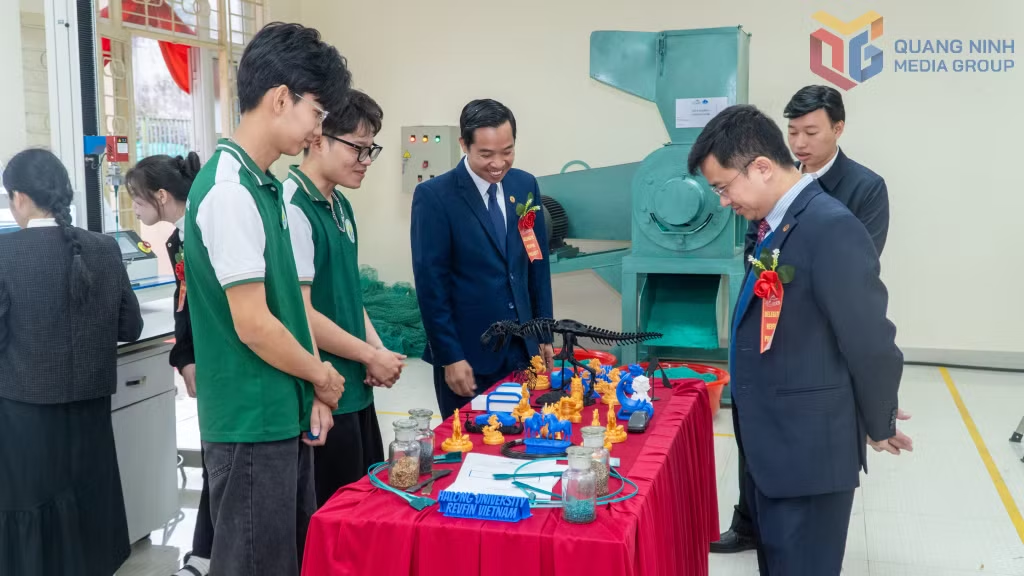
The recycling technology demonstration space has been developed as a closed-loop system, covering the entire process from recycling plastic waste into pellets to producing plastic filament used as input material for 3D printing. This model offers a clear and practicalillustration of the circular economy in the plastics and fishing gear area. The inauguration of the space and the signing of cooperation agreements are expected to strengthen linkages among universities, scientists, businesses and management agencies, thereby creating a foundation for innovative solutions to reduce plastic and fishing gear waste in marine environments in a sustainable manner.
By Thu Phuong