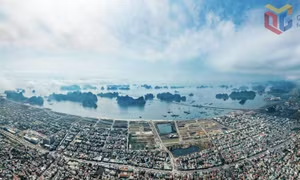
Ha Long Bay is often likened to a vast open-air “stone museum” rising from the sea, where nature has patiently sculpted thousands of limestone islets over hundreds of millions of years. This majestic and ever-changing landscape has become an endless source of inspiration, encouraging photographers to capture the World Natural Heritage site through diverse perspectives and the subtle interplay of light across different moments of the day.
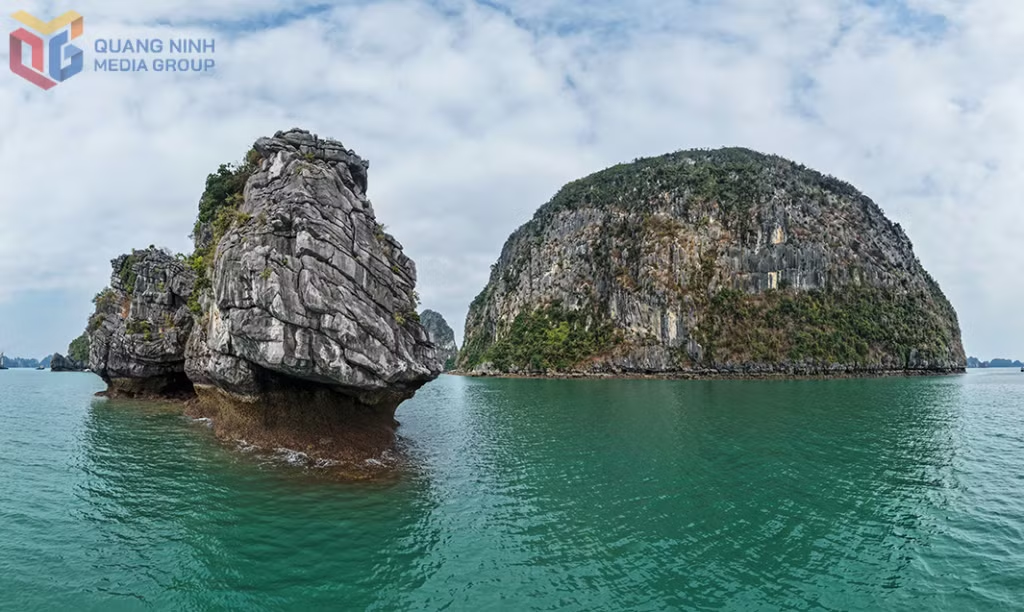
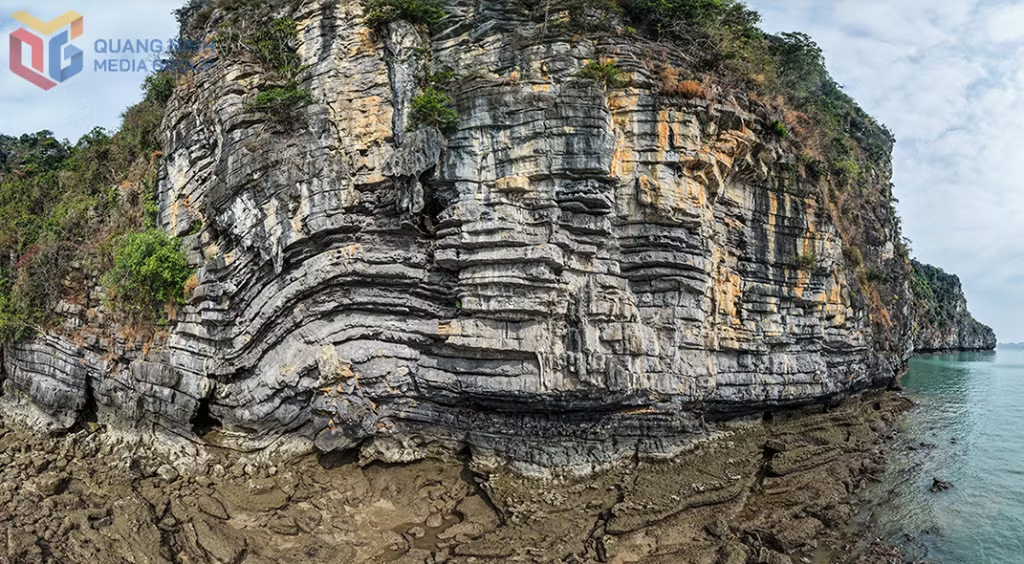
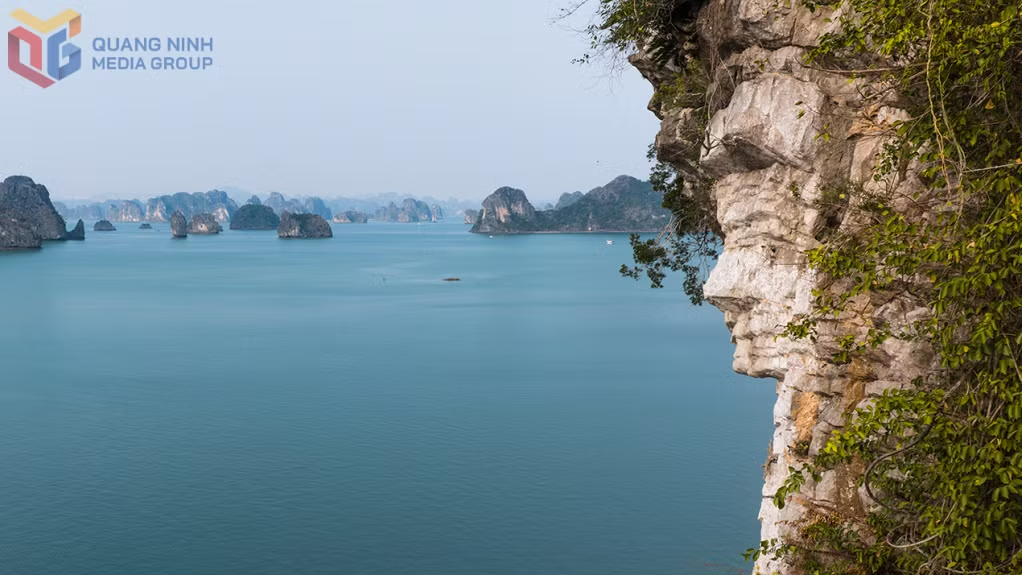
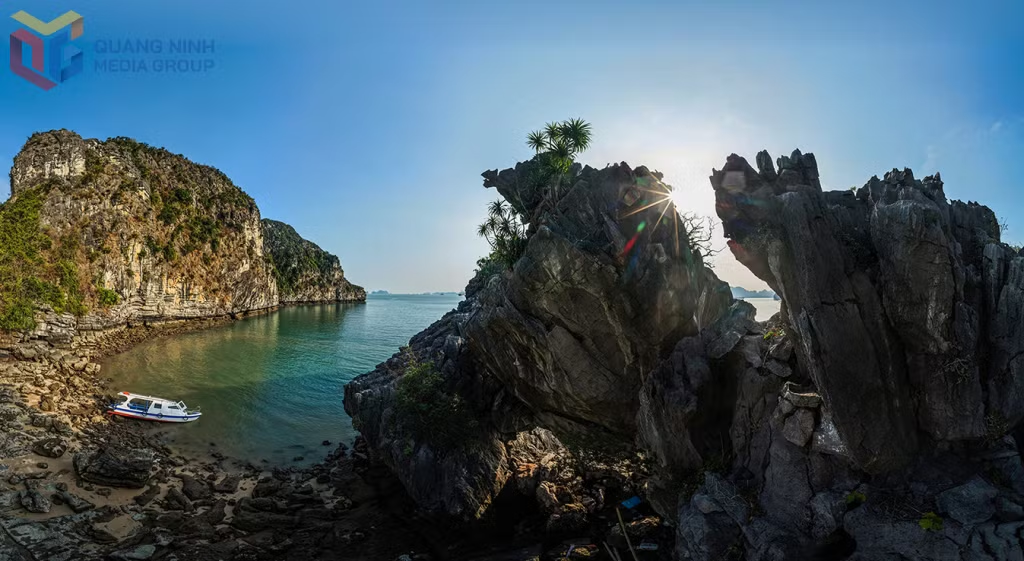
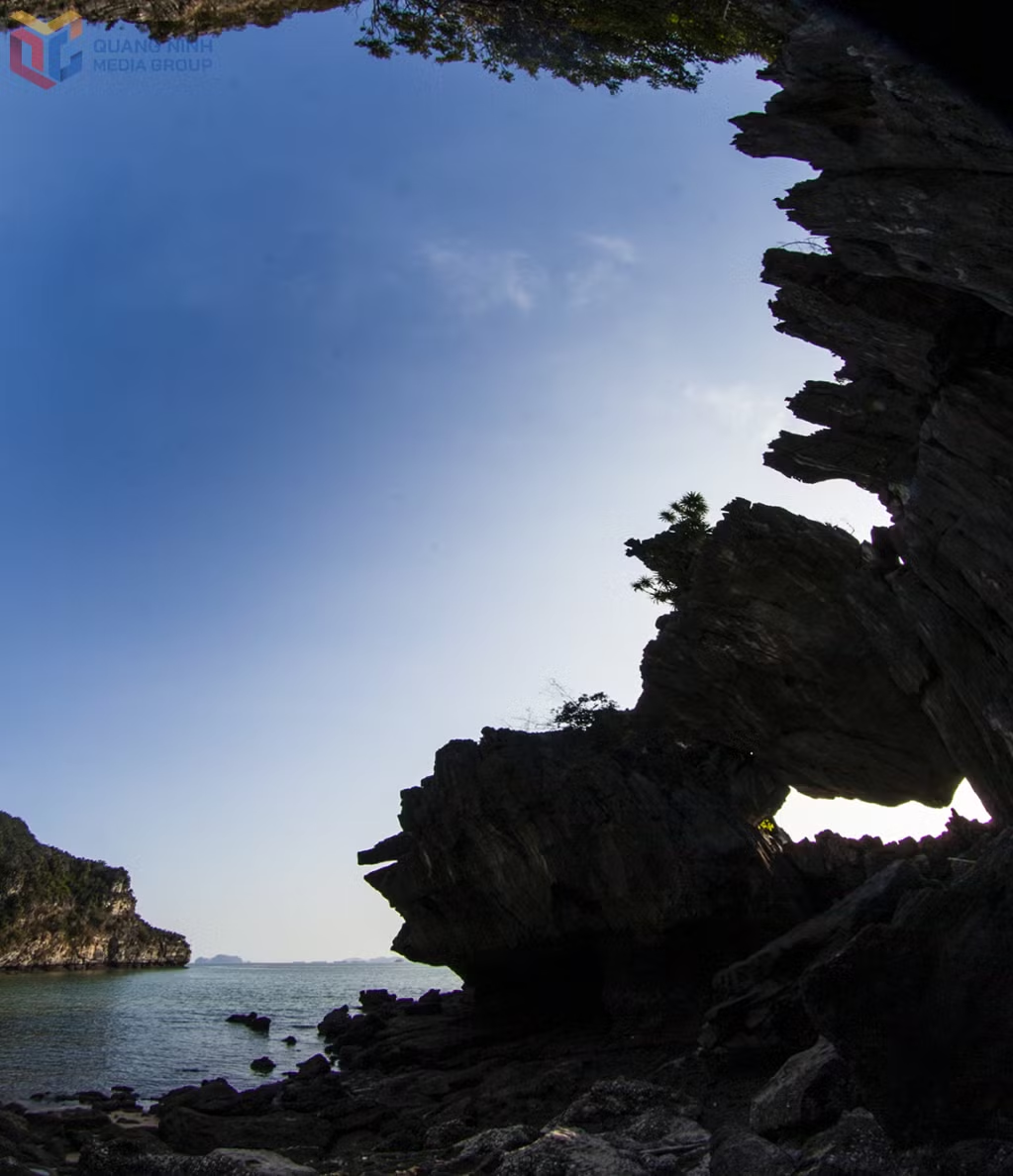
According to scientists, Ha Long Bay was formed through karst erosion and weathering over 250-289 million years, making it a natural masterpiece.Rock formations at Cap Islet, sculpted by wind and water over hundreds of millions of years.A mystical cliff face shaped like the profile of a young woman.
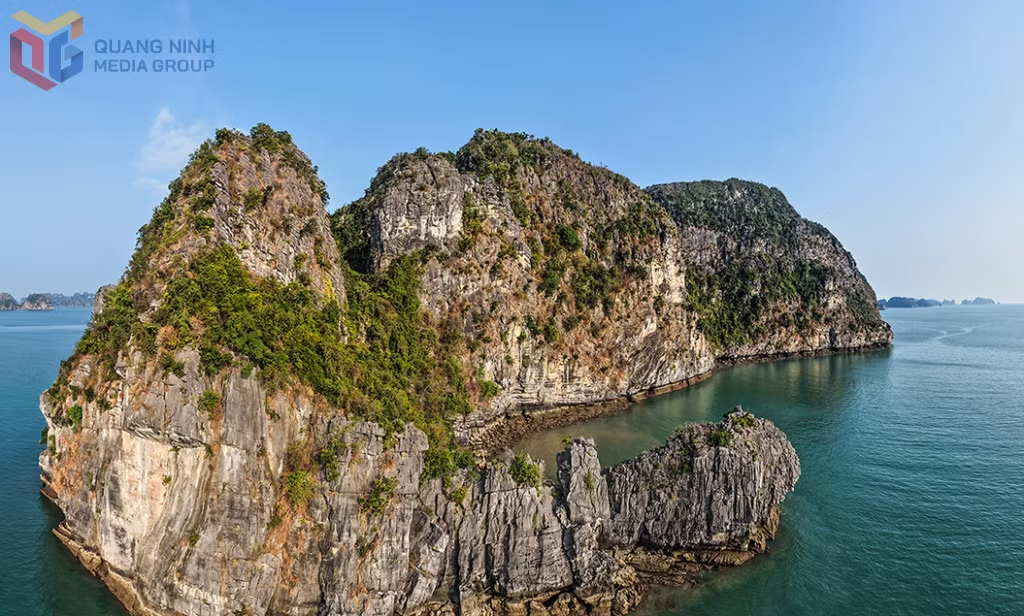
A limestone island curving like a giant bow.
From different angles, limestone islands resemble stone dragons descending into the sea.
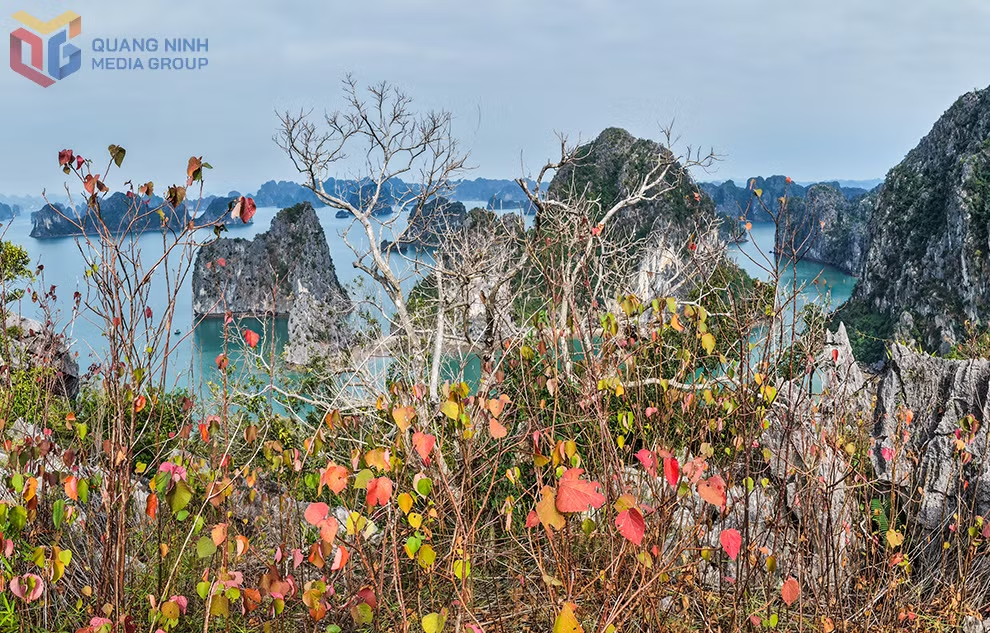
Beyond gray limestone, Ha Long Bay comes alive with forests in seasonal transition.
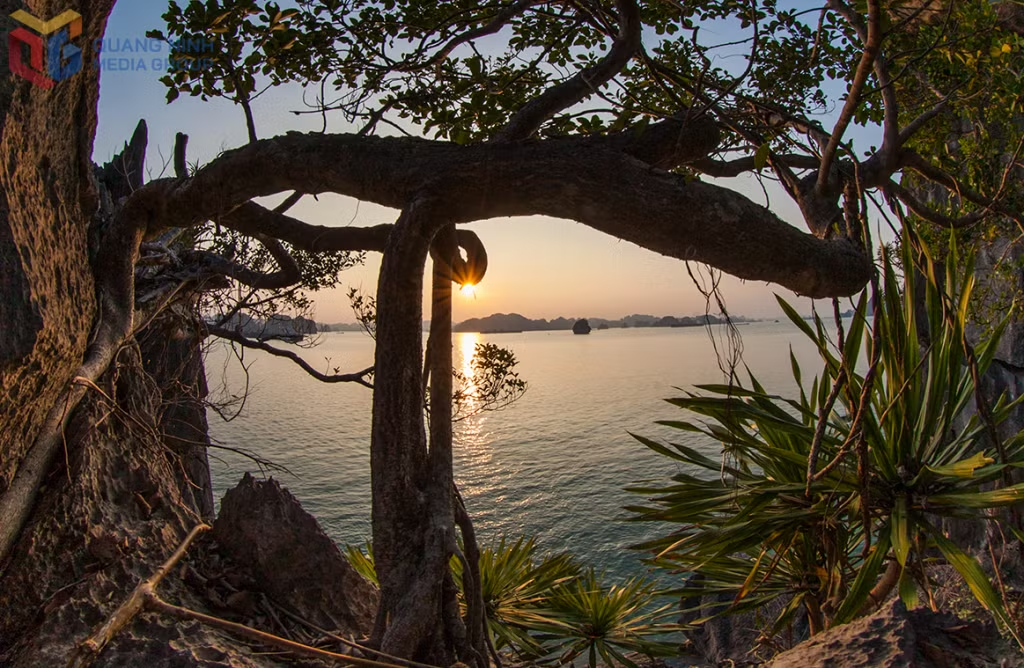
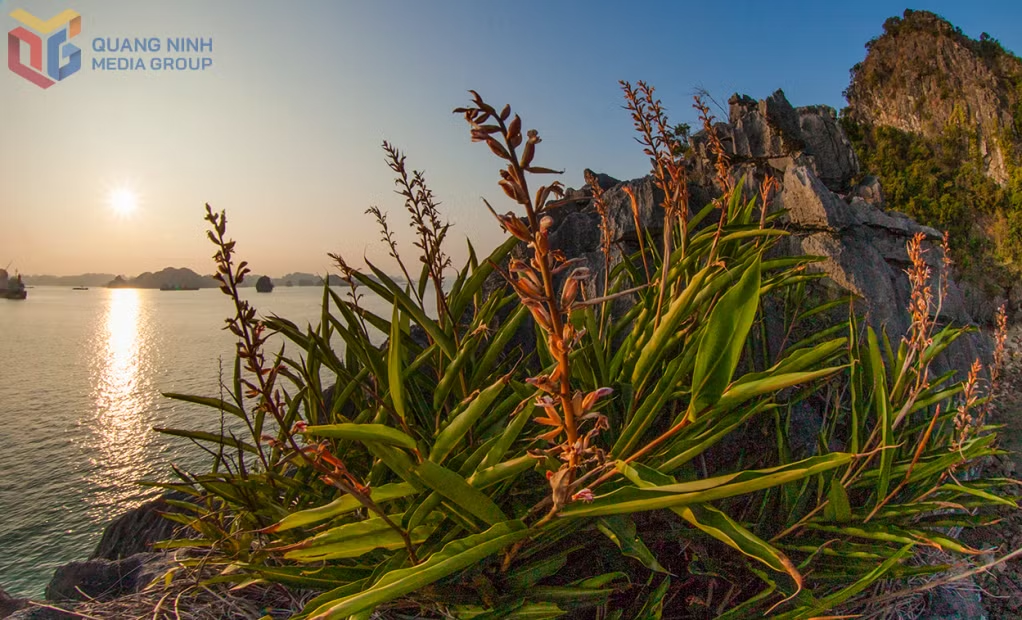
Alpinia galanga, one of Ha Long Bay’s endemic plant speciesa, in bloom, adding vibrant colors to the World Natural Heritage site.