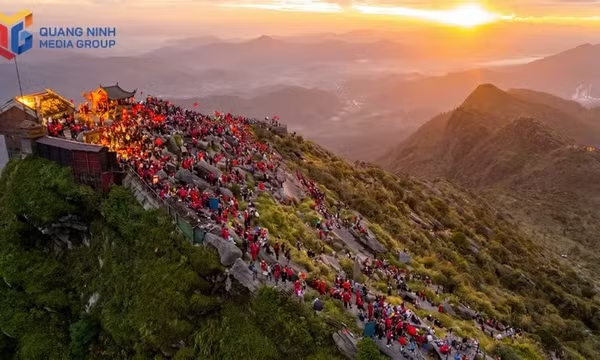
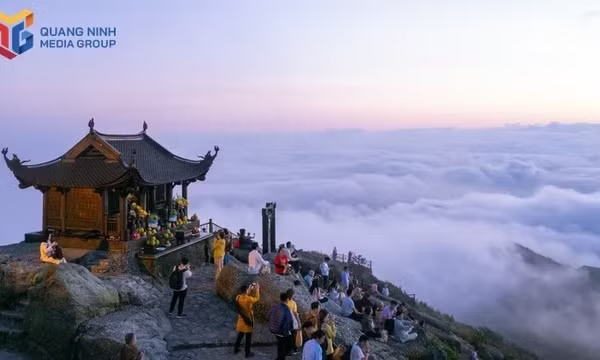
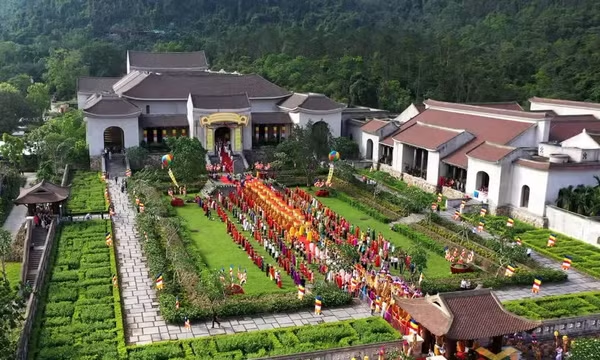
On July 31, 2026, the Quang Ninh City People’s Committee issued Decision No. 2778/QD-UBND approving a project to protect, harness and promote the values of the Ha Long Bay-Yen Tu World Heritage Site in conjunction with Bai Tu Long Bay. To implement the plan developed by the Economic Zone Authority, the Ha Long Bay-Yen Tu World Heritage Site Management Board formulated Plan No. 57 on October 28, 2026. The plan identifies key priorities and translates the project’s tasks and solutions into specific actions to ensure effective implementation. These measures aim to strengthen state management, ensure the sustainable conservation and effective promotion of the interconnected heritage ecosystem, and help establish Quang Ninh as an internationally recognised hub for heritage-based economic, cultural and tourism development.

Under the project, Quang Ninh has set a series of ambitious targets. By 2030, the carrying capacity of all visitor sites across Ha Long Bay, Yen Tu and Bai Tu Long Bay is expected to be monitored. Data on heritage values, environmental conditions and tourism infrastructure will be fully digitised and managed on digital platforms. All newly developed tourism products will follow an ecotourism-oriented approach. In addition, tourism service transactions across Ha Long Bay, Yen Tu and Bai Tu Long Bay are targeted to be fully cashless.
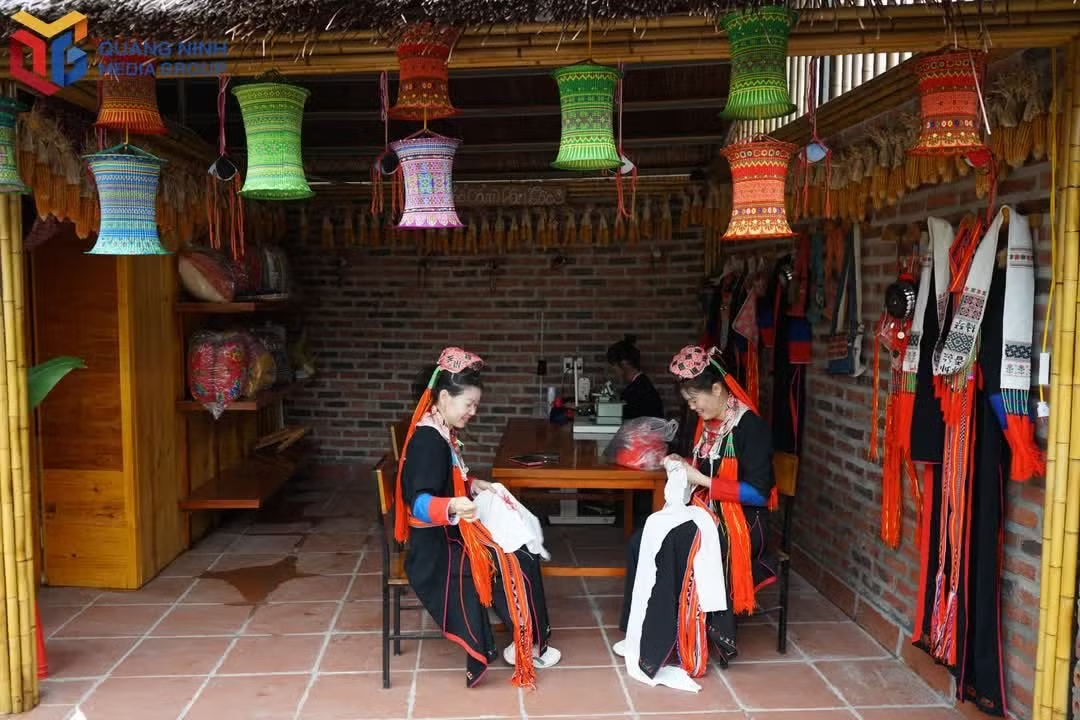
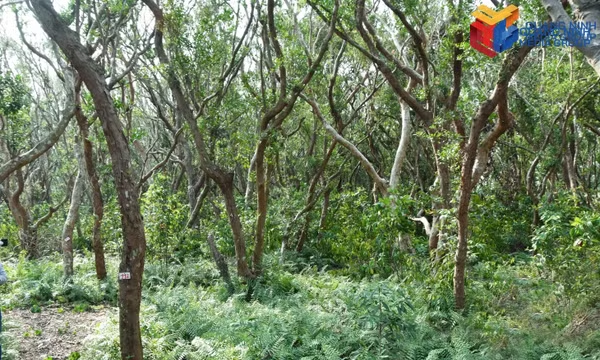
Tourist sites and tourism service establishments are expected to adopt renewable energy, install modern, integrated wastewater treatment systems to prevent the direct discharge of wastewater into the environment, and phase out single-use plastic products and non-biodegradable plastic bags. Environmentally sensitive areas will be monitored and protected using AI-powered cameras, remote sensing, geographic information systems (GIS) and other appropriate technologies.
The project also aims to develop and put at least one new tourism product into operation each year. Annual visitor numbers are targeted at around 10-11 million for Ha Long Bay and Bai Tu Long Bay combined, and approximately four million for Yen Tu. Annual revenue from tourism and related services is projected to reach VND 52 trillion for the two bays combined and VND 10 trillion for Yen Tu. The Ha Long Bay-Yen Tu World Heritage Site Management Board has already been working towards many of these targets.
To achieve these targets, the Ha Long Bay-Yen Tu World Heritage Site Management Board has assigned specific tasks, responsibilities and implementation timelines to each of its subordinate units.
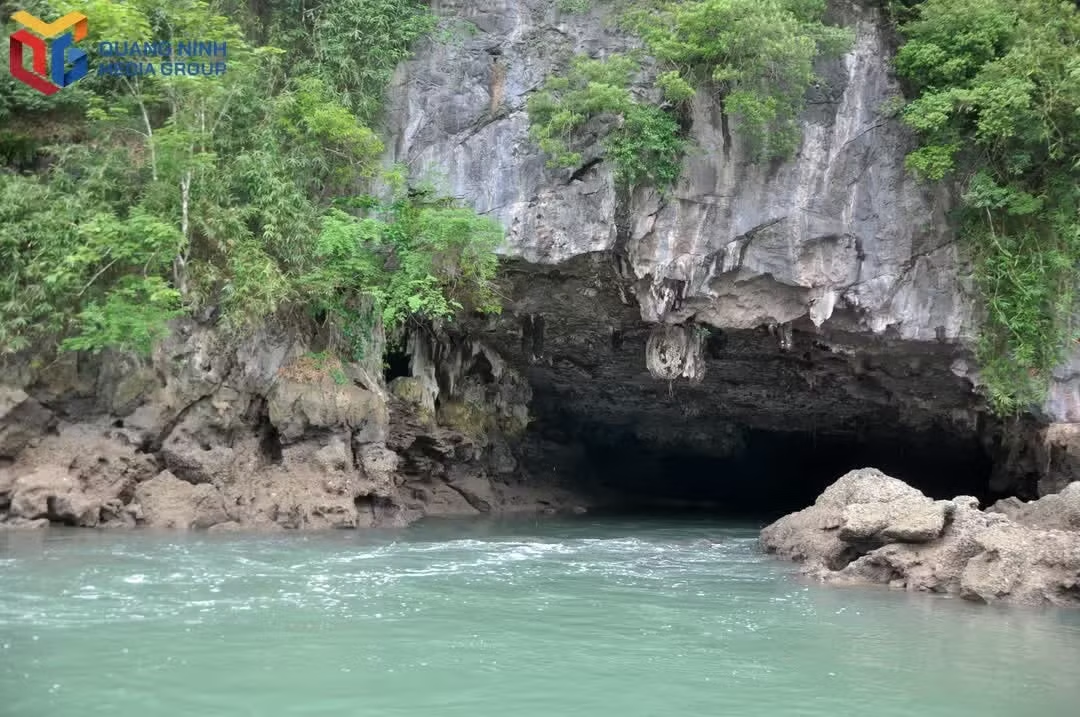
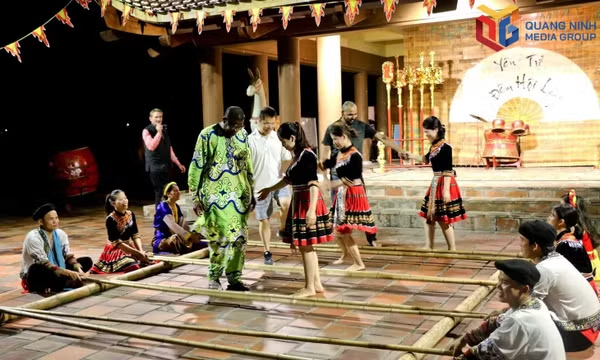
In terms of communications, tourism promotion and market development, the Management Board aims to develop an internationally recognised Heritage Identity System for Ha Long Bay-Yen Tu-Bai Tu Long Bay. It will also study the potential for developing cultural tourism villages, as well as orientations for homestays and farmstays in areas around Yen Tu that are suitable for community-based tourism.
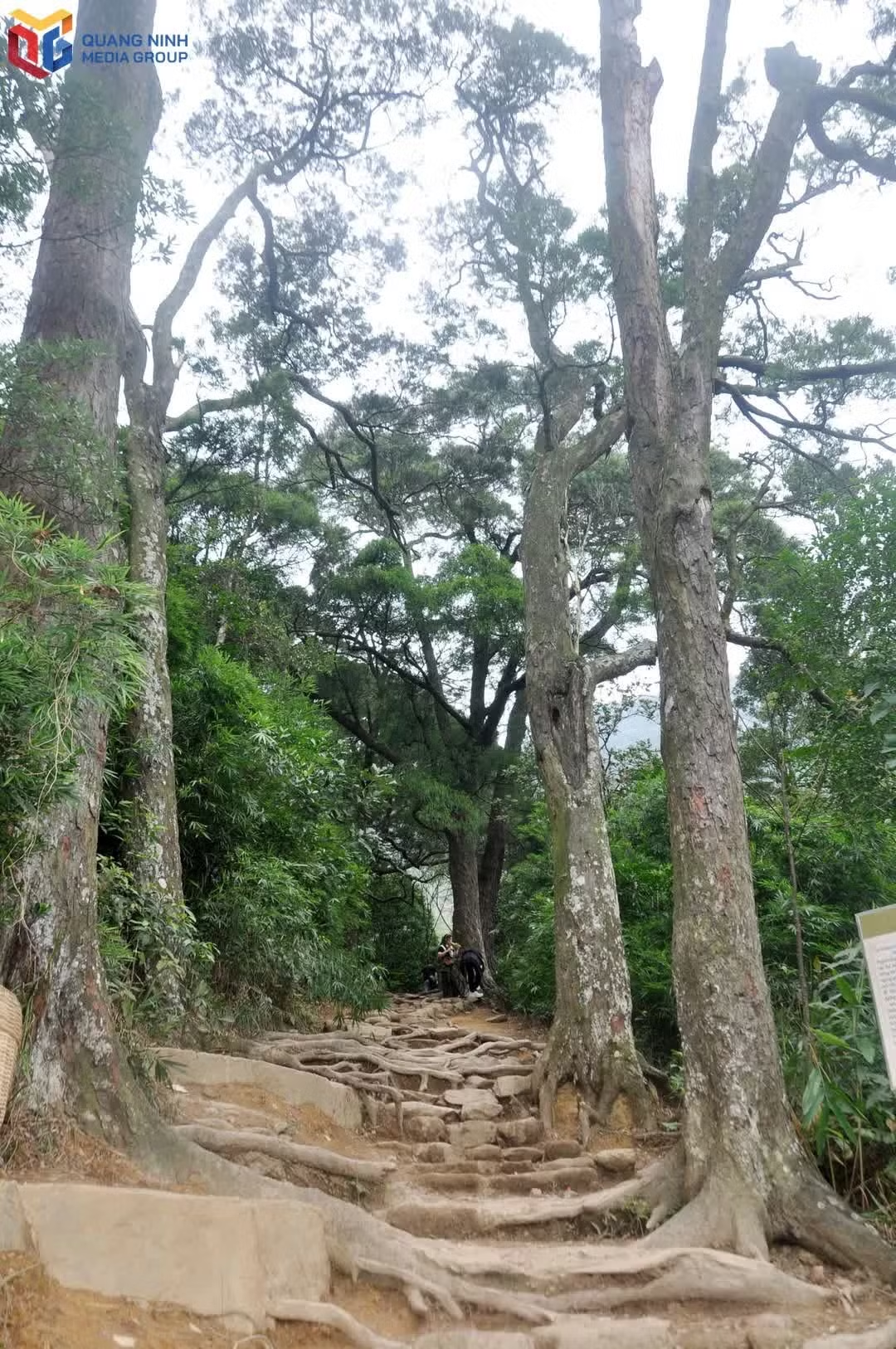
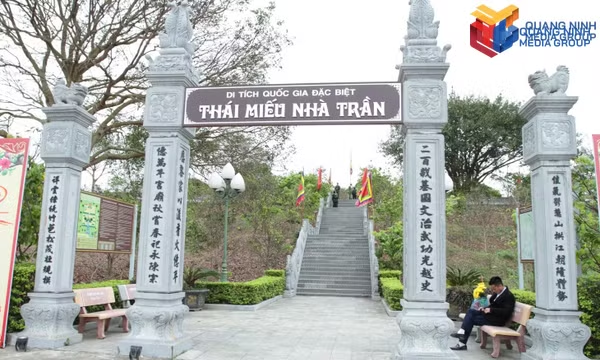
As part of its scientific research agenda, the Management Board plans to study and propose the establishment of an archaeological park in the Tran Dynasty heritage area and a Bai Tu Long Geopark. These areas have distinctive scientific and heritage value but remain relatively little known and have yet to be widely explored or developed for tourism. Establishing the two parks would enhance their scientific value while offering visitors new opportunities to explore and experience the distinctive heritage of both areas.
By Phan Hang