Blessed with the rare convergence of forests, seas, borderlands and heritage sites, Quang Ninh is steadily reinforcing its position as a leading tourism destination of Viet Nam and the region. Beyond its outstanding natural landscapes, Quang Ninh is also making its mark with a development orientation centred on green and sustainable tourism, closely aligned with heritage conservation, environmental protection and the promotion of local cultural identity.
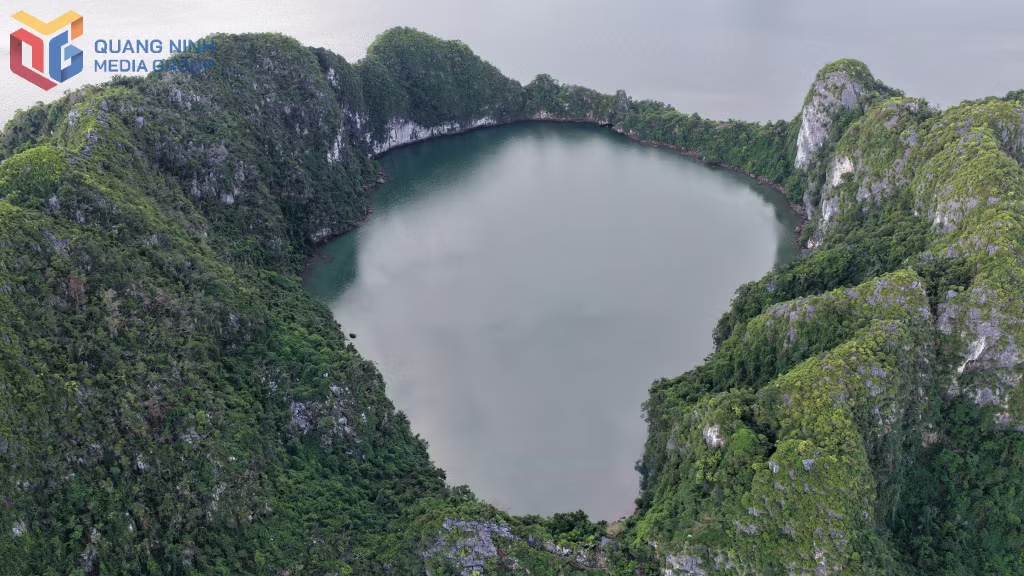
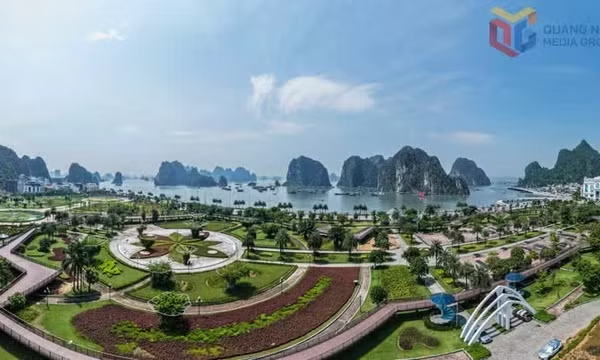
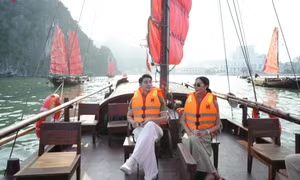
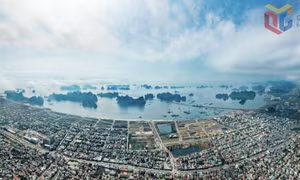
The journey “down to the sea” takes visitors to iconic bays such as Ha Long Bay and Bai Tu Long Bay— vast seascapes featuring thousands of limestone islets, diverse ecosystems and breathtaking scenery. Tourism products on the bays are being continuously refreshed along environmentally friendly lines, combining sightseeing, leisure, eco-tourism experiences and opportunities to explore the cultural life of coastal fishing communities. Measures such as controlling the number of vessel, raising service standards and strengthening marine environmental protection are contributing to the preservation of the bay’s long-term value and sustainability.
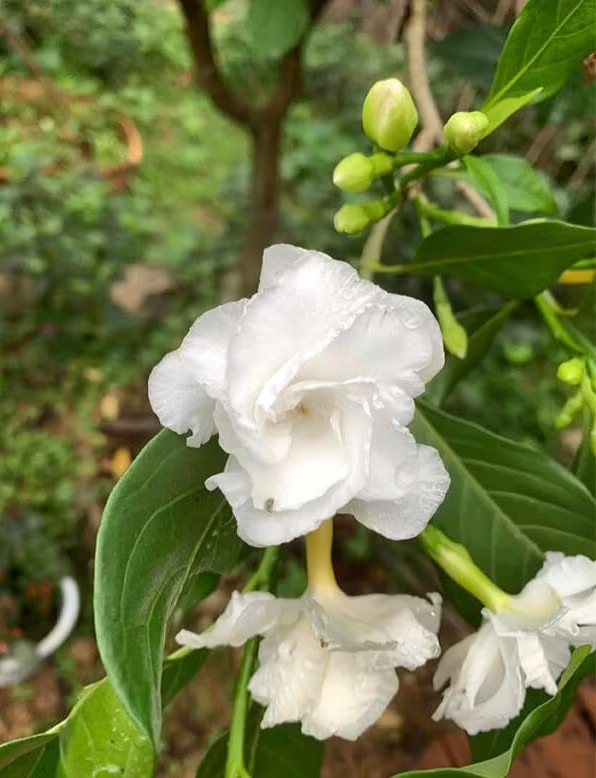
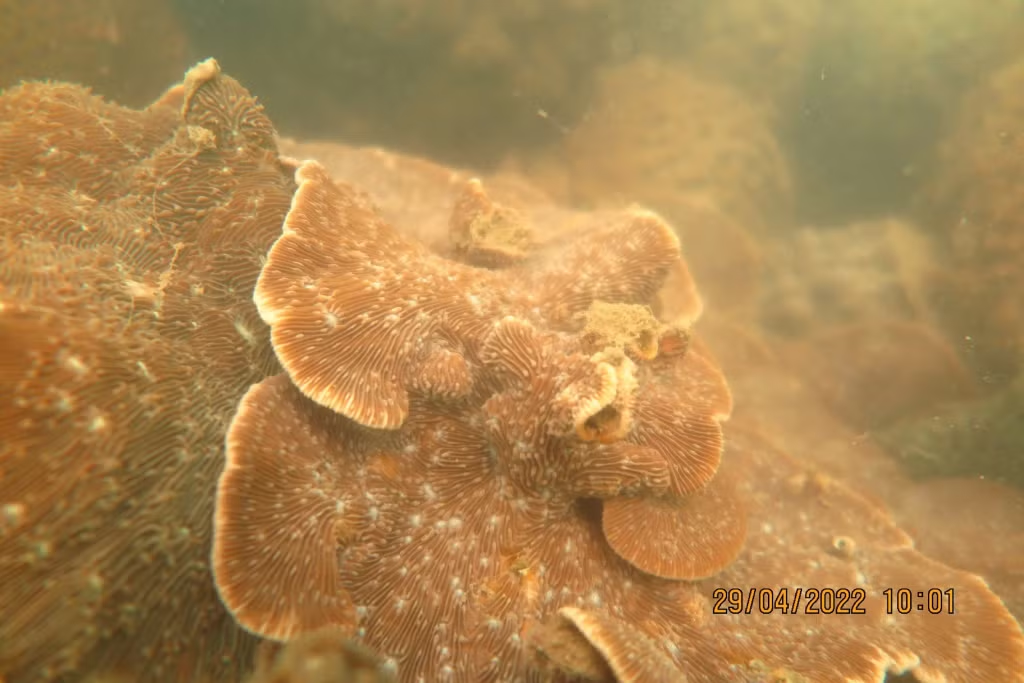
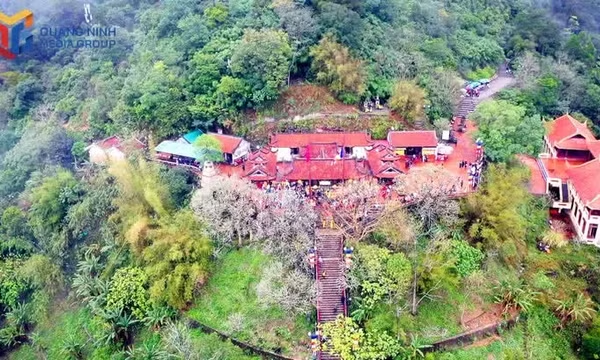
Complementing island and marine tourism, the journey “up to the forests” reveals a richly distinctive Quang Ninh in its mountainous and border areas. Bình Liêu stands out for its majestic mountain landscapes, forest trekking routes, seasonal terraced rice fields and the unique cultural life of ethnic minority communities.
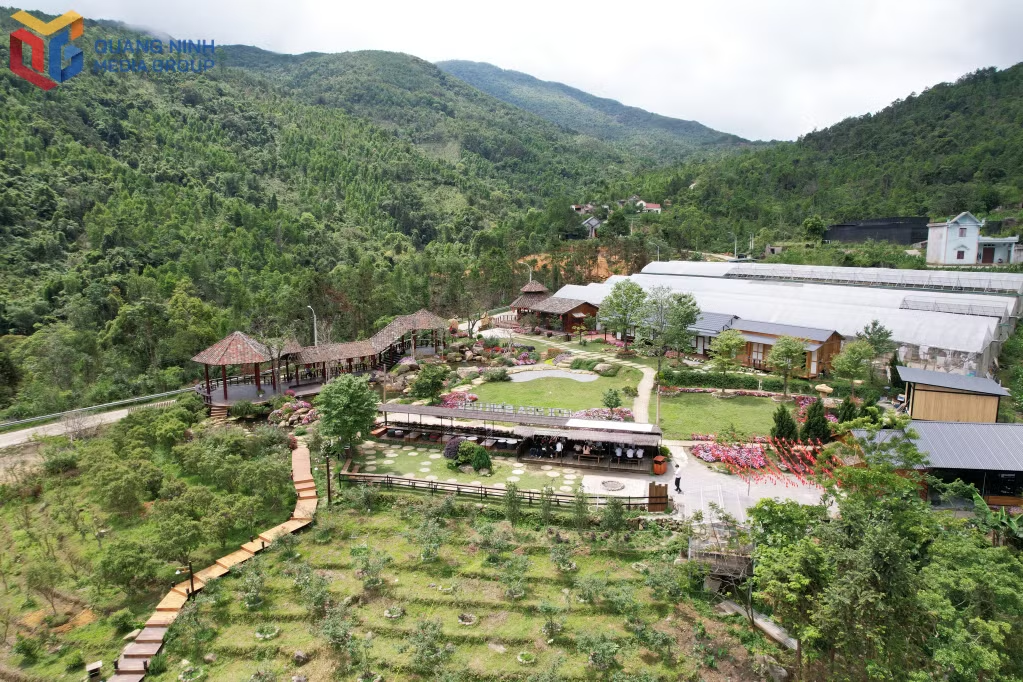
Hoanh Mo commune is home to Cao Ly Mountain, the Cao Son Flower Garden, and traditional homestays. Notably, the Hoanh Mo (Vietnam) – Dongzhong (China) Bilateral Border Gate serves as an important gateway for international visitors, creating a driving force for the regional tourism development. Meanwhile, Luc Hon commune features the Luc Na Communal House and the province-level scenic site of terraced rice fields. Community-based tourism here is developed in line with sustainable livelihoods, and the preservation of traditional architecture, folk festivals and indigenous cuisine, offering visitors authentic and close-to-nature experiences.
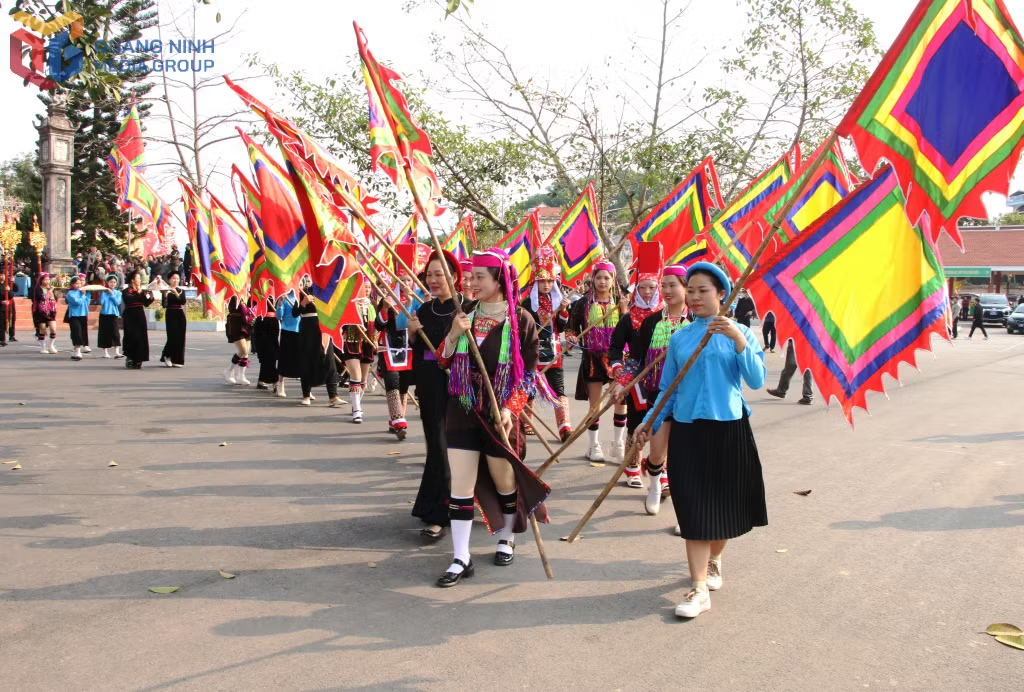
The harmonious linkage between forests and sea has created a diverse range of tourism products, meeting the growing demands of both domestic and international travellers from high-end resorts and nature exploration to cultural and community-based experiences. At the same time, continued investment in transport infrastructure, tourism services and large-scale cultural and artistic events are enhancing the destination’s overall competitiveness.
With a long-term vision and a methodical approach, Quang Ninh is gradually shaping its image of a “green, safe and experience-rich” destination, where every journey from forest to sea is not merely a trip, but a meaningful exploration of nature, culture and the distinctive rhythms of life in Viet Nam’s northeastern gateway.
By Dao Linh