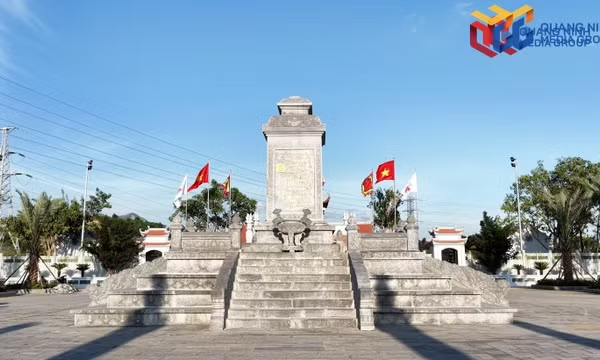
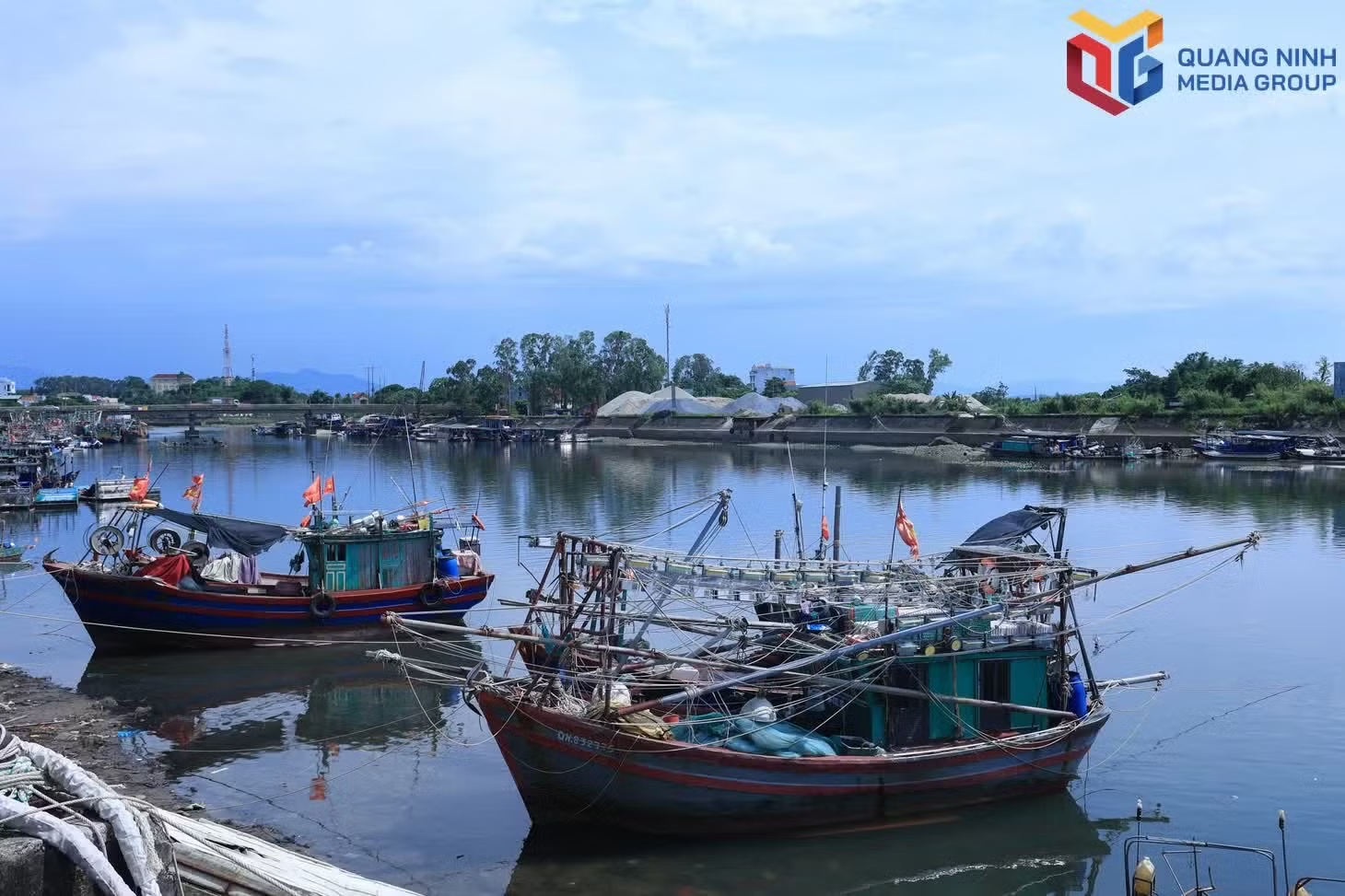
Nestled peacefully along the gentle Ha Coi River, Tran Hung Dao Temple is not only a sacred cultural and spiritual site for local residents but also a testament to the Vietnamese tradition of “Drinking water, remember its source” as well as the nation’s enduring determination to protect its borders.
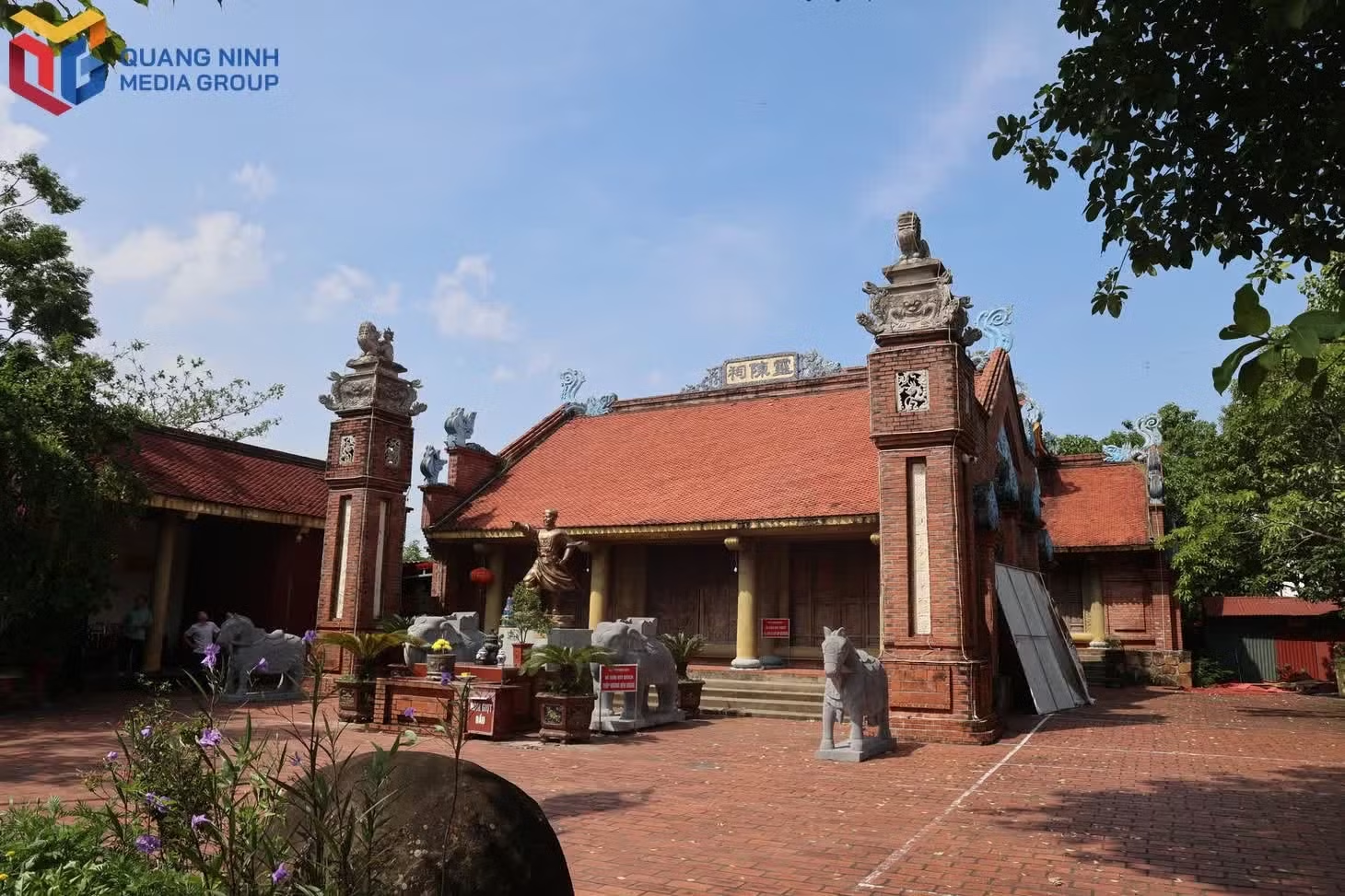
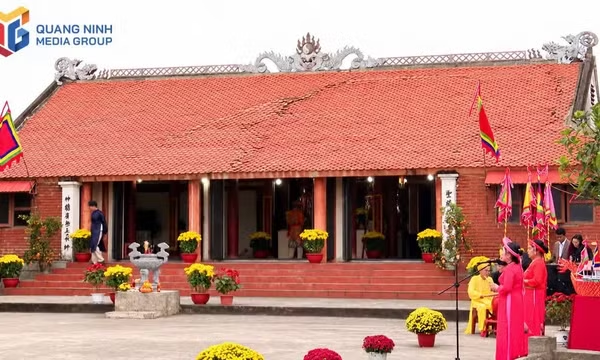
Tran Hung Dao Temple, formerly known by its Sino-Vietnamese name “Tran Linh Dien”, is located in Phu Hai Commune, Hai Ha District, now Quang Ha Commune, Quang Ninh City. The temple stands on a high, flat mound in Xom Bac, formerly Mi Son Village, at the confluence of the Ma Te and Ha Coi rivers. According to local feng shui beliefs, the site is considered a gathering place of spiritual energy, with a harmonious balance of the five elements and a picturesque combination of mountains and water, believed to bring peace and protection to the village.
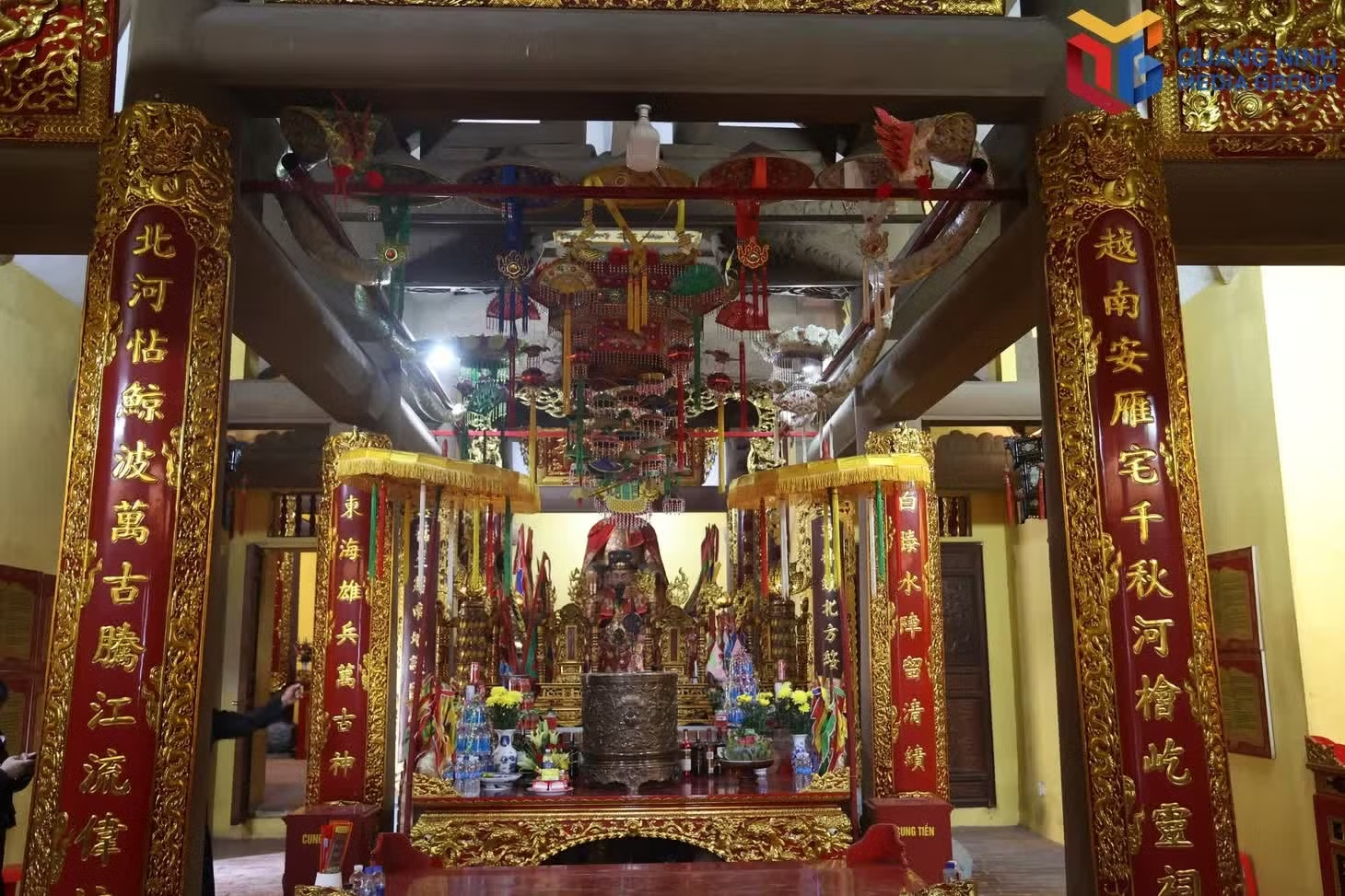
The decision by residents of a coastal village to build a temple in honour of the renowned general who defeated the Mongol–Yuan invaders three times and chose him as the village’s tutelary deity reflects a deeply rooted cultural tradition. It represents not only gratitude to the nation’s forebears but also a kind of affirming the spirit of self-reliance, resilience and the cultural identity of Dai Viet in the country’s northeastern frontier region.
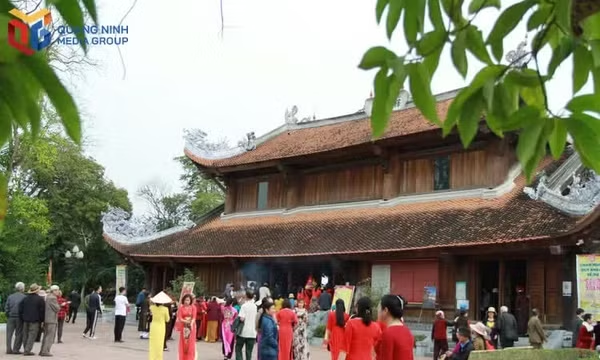
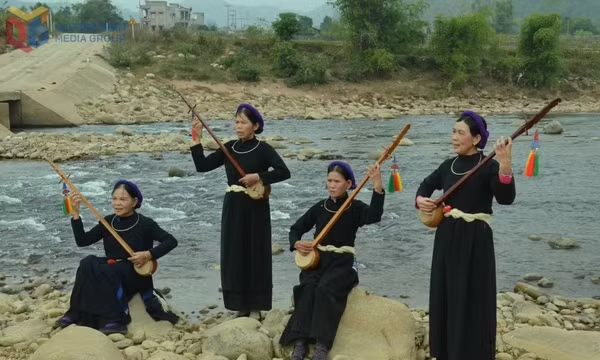
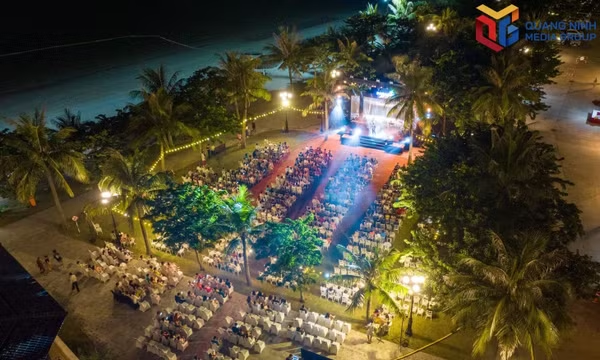
If the temple is regarded as the spiritual heart of the community, the traditional Tran Hung Dao Temple Festival serves as a bond that brings villagers together. Each year, from the 15th to the 19th day of the eighth lunar month, the temple welcomes large numbers of local residents and visitors. Alongside solemn rituals and the procession of Saint Tran’s palanquin, the festival features activities recreating the heroic spirit of the Dai Viet naval forces in the past, including boat races on the Ha Coi River, as well as lively folk games such as duck-catching swimming, traditional card games and nha to singing.
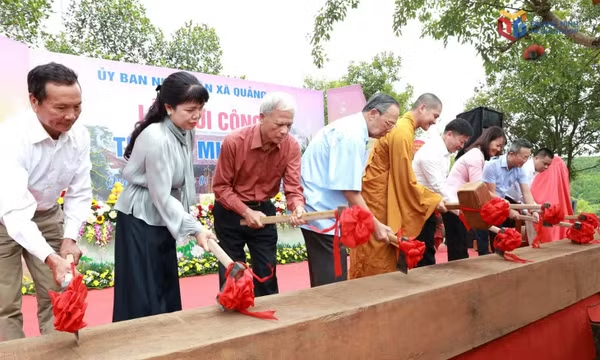
The temple not only serves the spiritual needs of residents in Quang Ha Commune but also provides a place for educating younger generations about patriotism and national pride in the border region. Amid the country’s renewal and integration, the temple underwent restoration and renovation, which was completed in 2023. Its architecture, decorative motifs and patterns were crafted based on designs from the Tran dynasty, drawing inspiration from models at the Thang Long Imperial Citadel and Tran Temple in Kiep Bac. The restoration and recognition of Tran Hung Dao Temple as a historical and cultural relic have helped preserve a longstanding moral tradition of gratitude and respect for past generations, together with the enduring determination to safeguard the nation’s territory and sovereignty.
By Pham Hoc