Tourism cooperation between Quang Ninh province of Vietnam and the Guangxi Zhuang Autonomous Region of China continues to be deepened under their bilateral cooperation framework, within the broader context of growing friendship and sustainable development between the two countries.
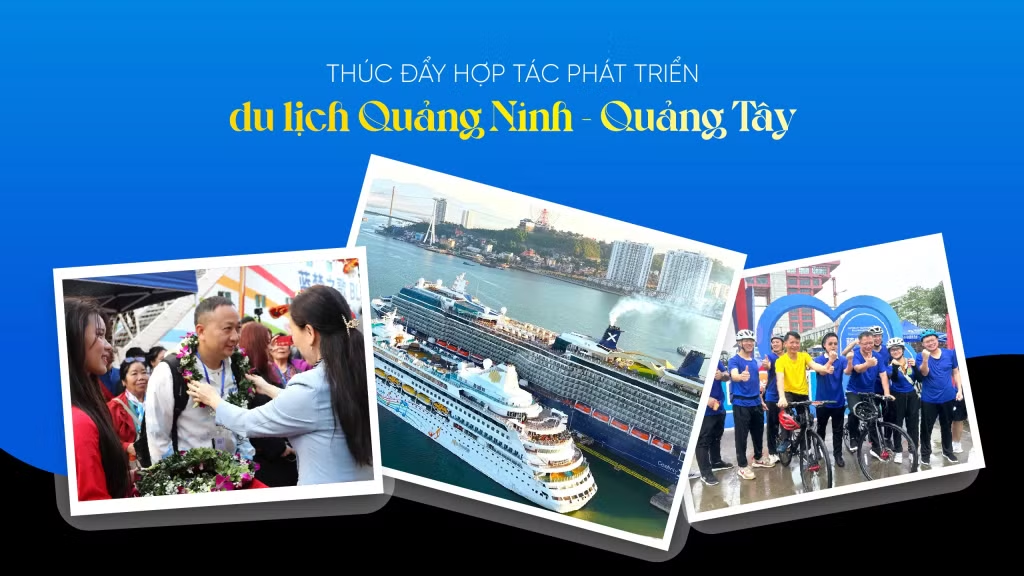
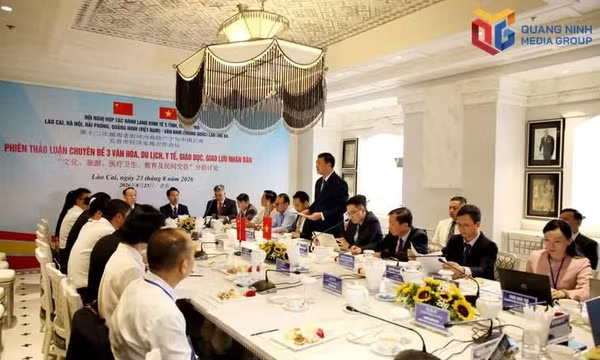
Both localities have identified tourism as a key pillar of cooperation, capitalizing on their geographical proximity, well-integrated transport infrastructure—including land border crossings, seaports and international air connectivity—and rich tourism resources. In early 2024, the two sides signed a tourism development cooperation agreement, laying an important foundation for expanding two-way visitor flows, promoting cruise tourism, and strengthening linkages among travel agencies, hospitality providers and destinations.

As part of the agreement’s implementation, Quang Ninh has taken part in a number of tourism promotion events hosted by Guangxi, including the 2025 Vietnam–China International Trade and Tourism Fair. The event attracted strong interest from tourism businesses and management authorities on both sides, helping to strengthen cultural and tourism exchanges, promote destinations, and create new opportunities for trade cooperation and the development of cross-regional tourism products.
In 2025, Quang Ninh recorded 721,000 overnight visitors from China. Nearly 477,600 Chinese tourists entered Vietnam for tourism purposes via the Mong Cai International Border Gate, while 60,564 Vietnamese travelers exited the country for outbound tourism through the same border crossing. These figures highlight strong and sustained demand for tourism exchanges between the two sides, underscoring significant potential for further cooperation and growth.
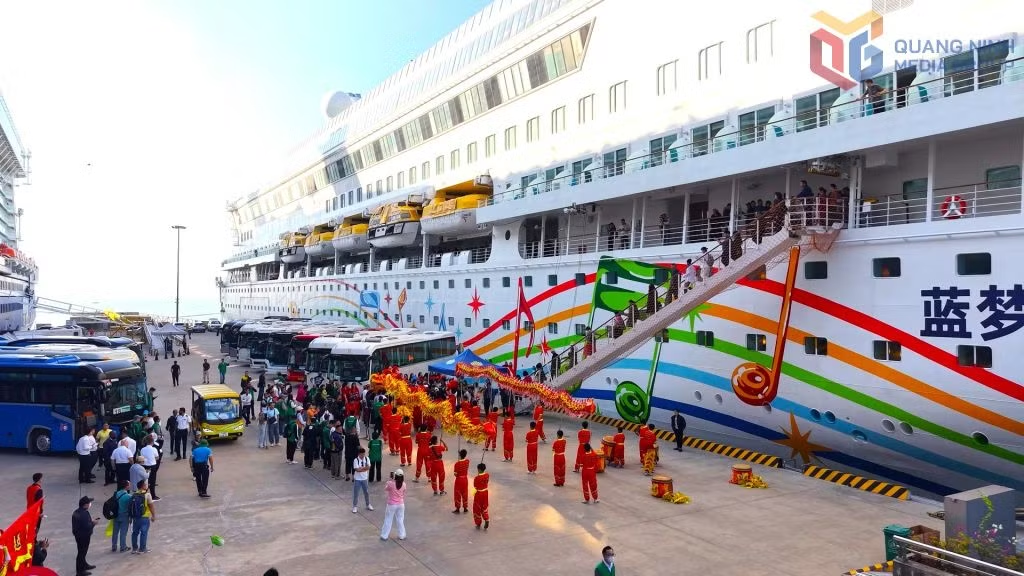
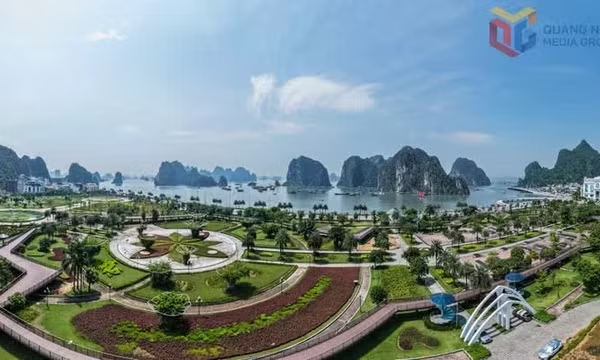
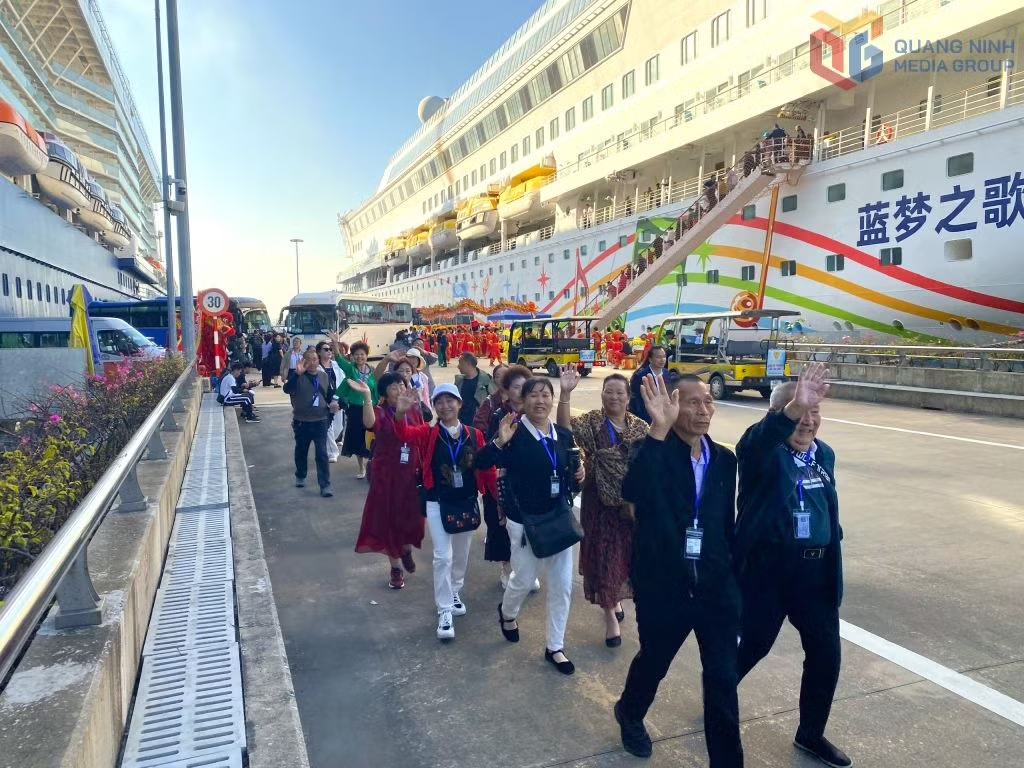
A notable milestone in bilateral tourism cooperation was the arrival of the cruise ship Blue Dream Melody from Beihai (Guangxi) at Ha Long International Cruise Port, carrying more than 1,100 international visitors to Quang Ninh. The event marked a significant step forward in bilateral maritime tourism connectivity and is expected to contribute to an increase in cruise services during peak travel periods.
By Hoang Quynh