As travellers increasingly seek experiences that promote mental well-being and foster connections with nature and culture, healing tourism has emerged as a promising trend in modern travel. The approach is being shaped through a harmonious balance between economic development and environmental protection.
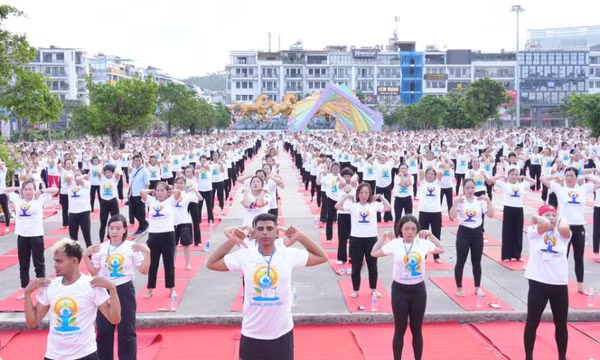
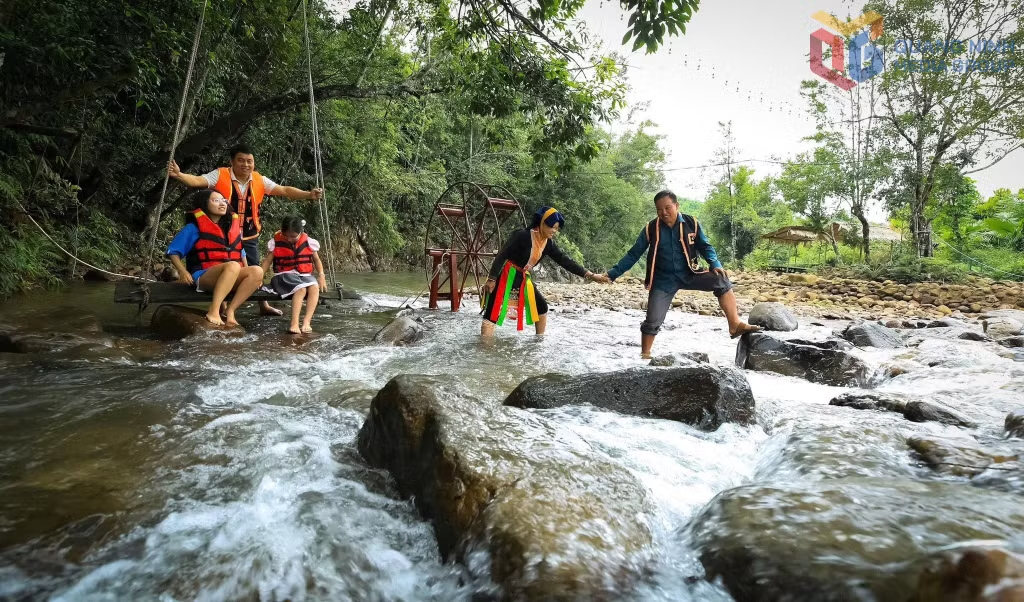
Healing tourism focuses on the use of natural settings, experiential activities and cultural interactions to support visitors’ physical, mental and emotional well-being. Unlike conventional tourism, which often centres on sightseeing and shopping, healing tourism places people and local communities at its core, creating dual benefits. It not only contributes to improving local people’s quality of life but also offers travellers more meaningful and enriching experiences. The trend aligns with contemporary lifestyles, as many people seek to reconnect with nature and restore balance amid the pressures of modern life.
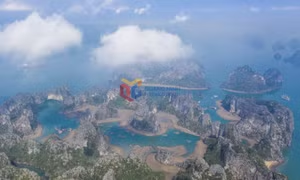
Many cooperatives across Quang Ninh are shifting towards community-based tourism, homestays, experiential tours and environmental education activities. According to statistics, Quang Ninh currently has 1,241 active cooperatives. Models such as Coto Village, Hong Hai Cooperative, the Fairy Tale Ferry Cooperative in Ha Long Bay and Phat Co Cooperative in Van Don demonstrate close integration among accommodation, transportation, culinary services and experiential activities, forming coordinated and environmentally friendly tourism service chains.
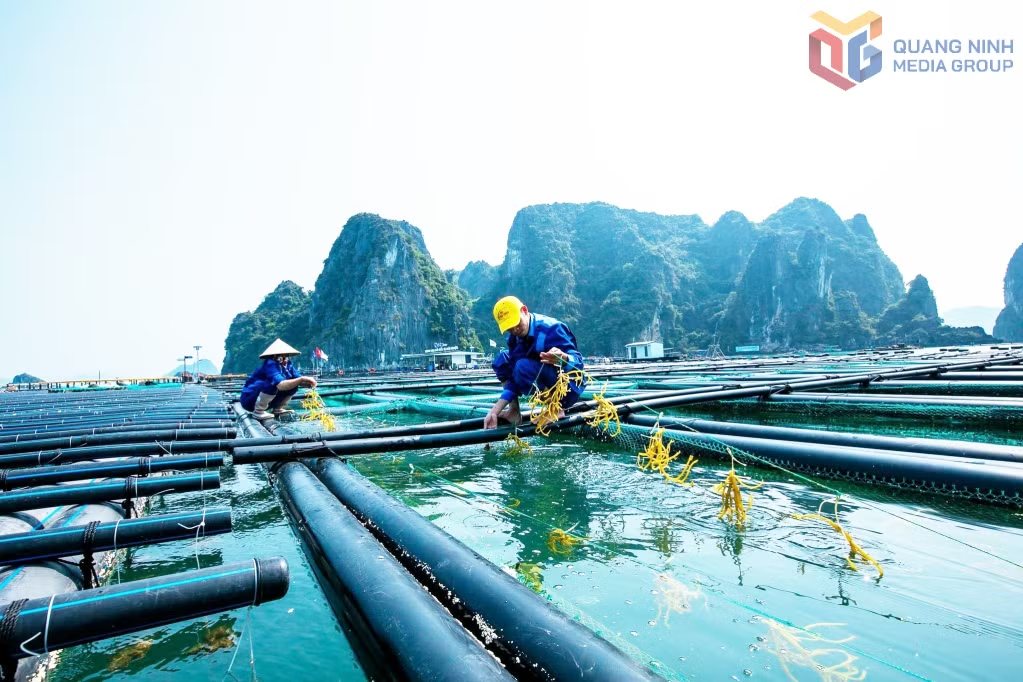
Through these models, visitors can take part in rice planting, beach and coastal clean-up activities, experience the daily lives of fishing communities and enjoy fresh seafood directly at floating aquaculture farms. Such activities provide rewarding experiences for both visitors and local residents.
The long-term benefits of healing tourism are also reflected in its emphasis on green tourism, reducing negative environmental impacts, supporting the regeneration of aquatic resources and preserving marine ecosystems. According to Associate Professor Dr Nguyen Huu Dung, Chairman of the Vietnam Mariculture Association, Quang Ninh is currently a national pioneer in combining high-tech marine aquaculture with experiential tourism. The model helps create new livelihoods for fishermen while reducing pressure on natural resource exploitation.
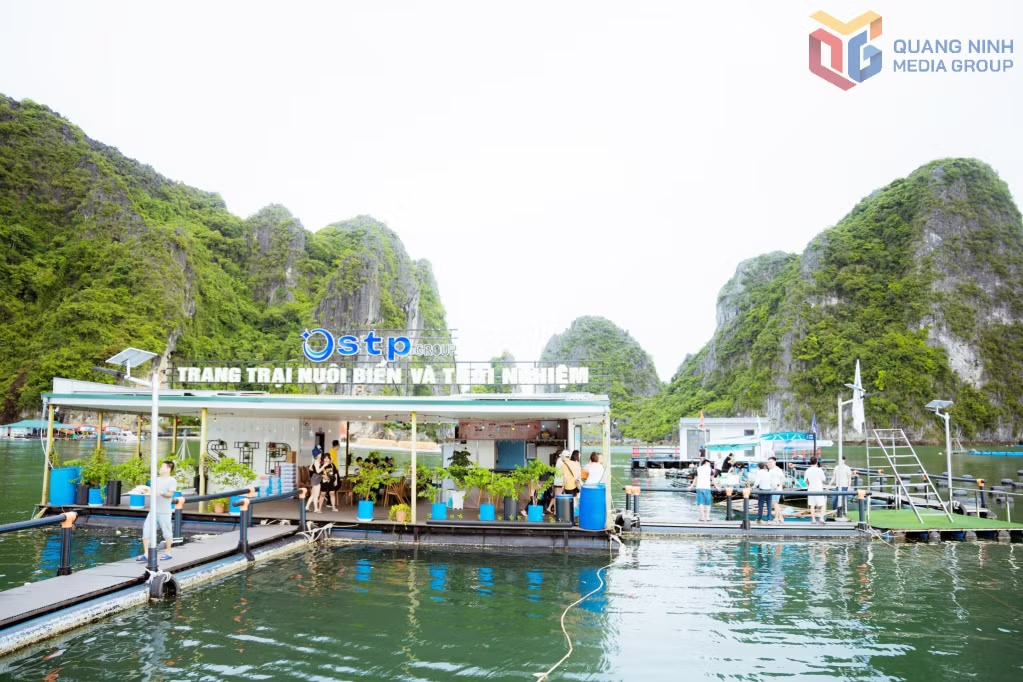
Activities such as visiting aquaculture farms, experiencing traditional marine occupations, enjoying seafood on site and learning about marine ecosystems are gradually becoming new tourism products. Community-based ecological mariculture models enable fishermen not only to engage in production but also to participate directly in tourism activities and introduce the culture of coastal fishing communities. This contributes to the formation of new value chains in which production, tourism and conservation are closely interconnected.
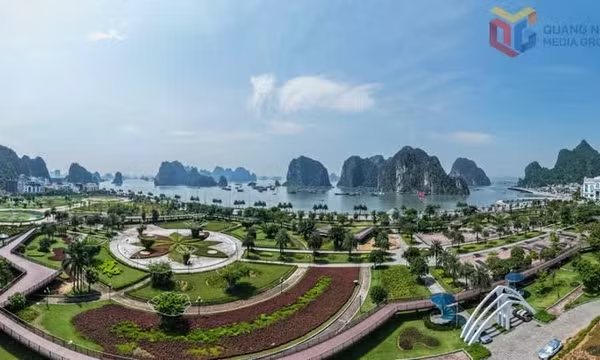
Looking towards 2030, Quang Ninh is investing in infrastructure to accommodate growing tourist arrivals while maintaining its commitment to sustainable development. Healing tourism is not simply a tourism product but part of a comprehensive development strategy that places human well-being, cultural identity preservation, cultural value promotion and harmony with nature at its core. It represents a future-oriented approach in which economic growth goes hand in hand with human values and the conservation of natural heritage.
By Huynh Dang