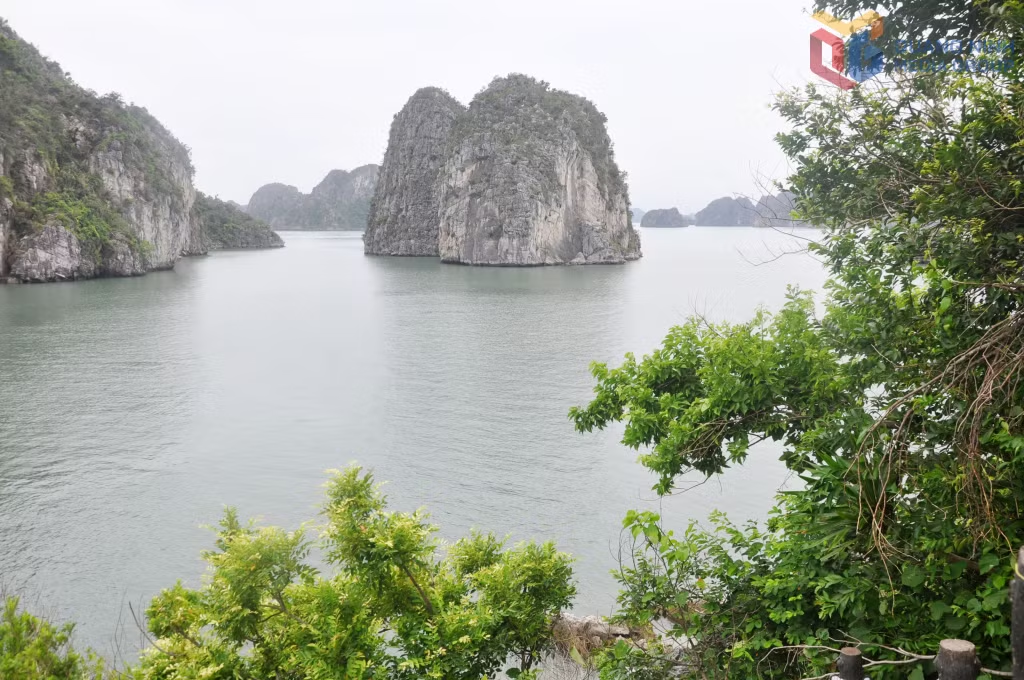
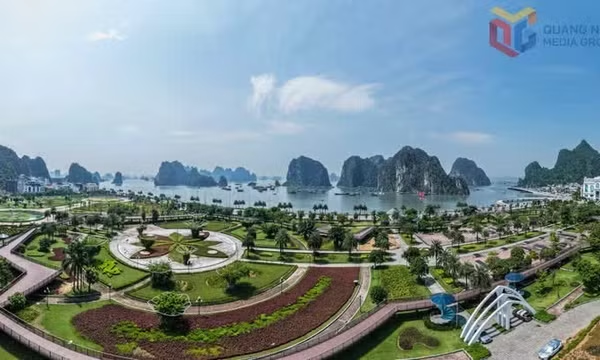
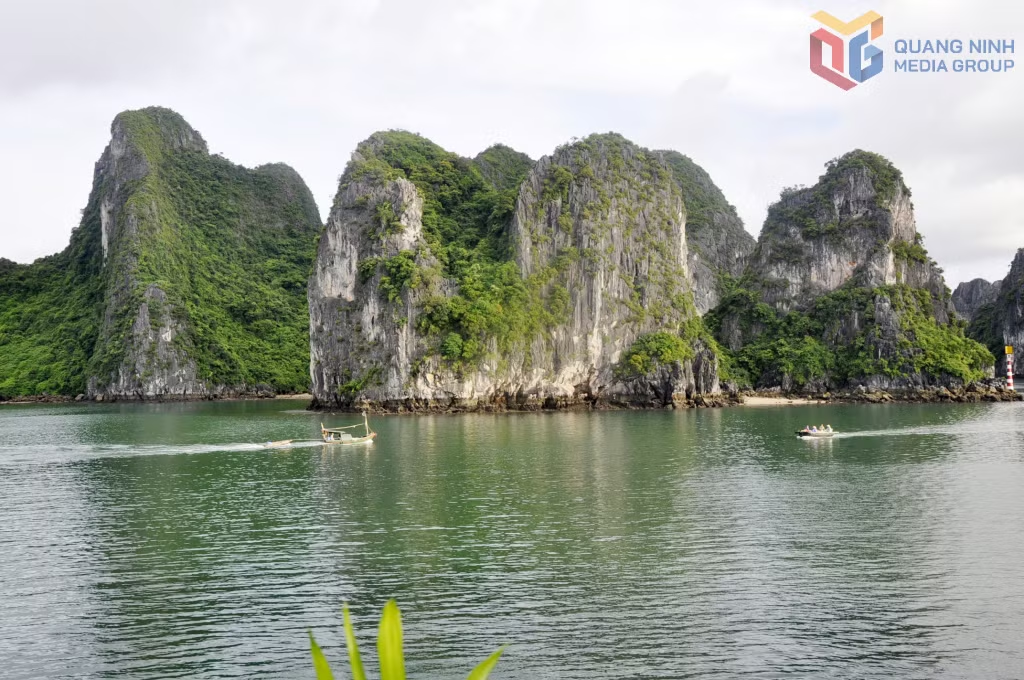
With nearly 2,000 limestone islands rising from emerald waters, Ha Long Bay forms one of the world’s most extraordinary geomorphological and ecological landscapes. Beyond the iconic seascapes admired from cruising boats, many of these islands conceal a hidden world within, spectacular limestone caves sculpted by nature over millions of years.
Adorned with impressive stalactites and stalagmites, these caves have become highlights of the bay’s sightseeing routes, inviting travelers to step into a realm of timeless beauty and geological wonder.
Timeless natural wonders
Located close to shore on Dau Go island, Thien Cung cave and Dau Go cave are among the most accessible and celebrated caves in Ha Long Bay. From the shared landing pier, visitors follow a gently winding walkway carved into the cliff face, leading toward the mountainside. Even before entering the caves, travelers are immersed in a lush natural setting where ancient trees and cascading vines cling to the limestone walls, creating a serene, almost mythical atmosphere.
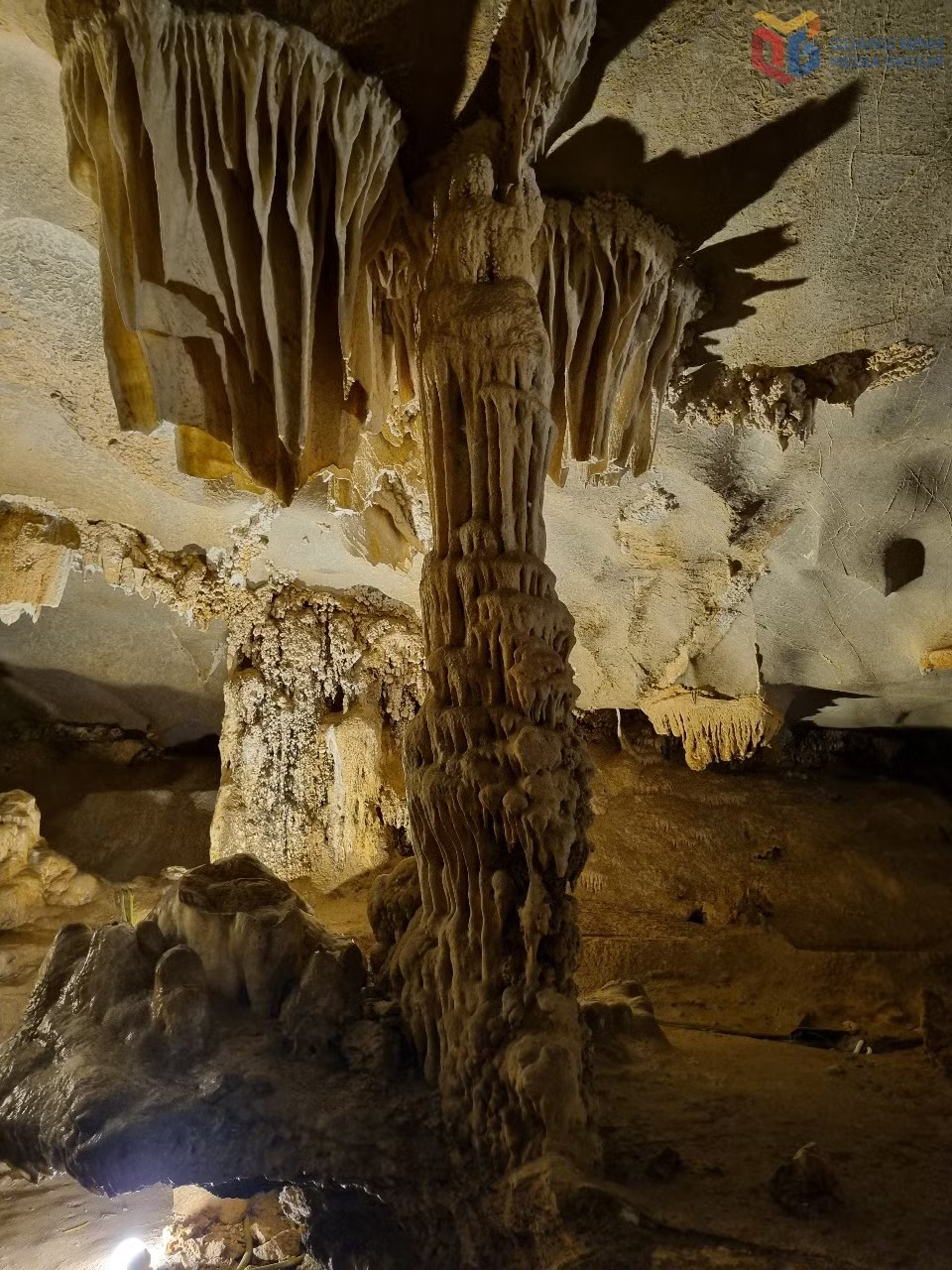
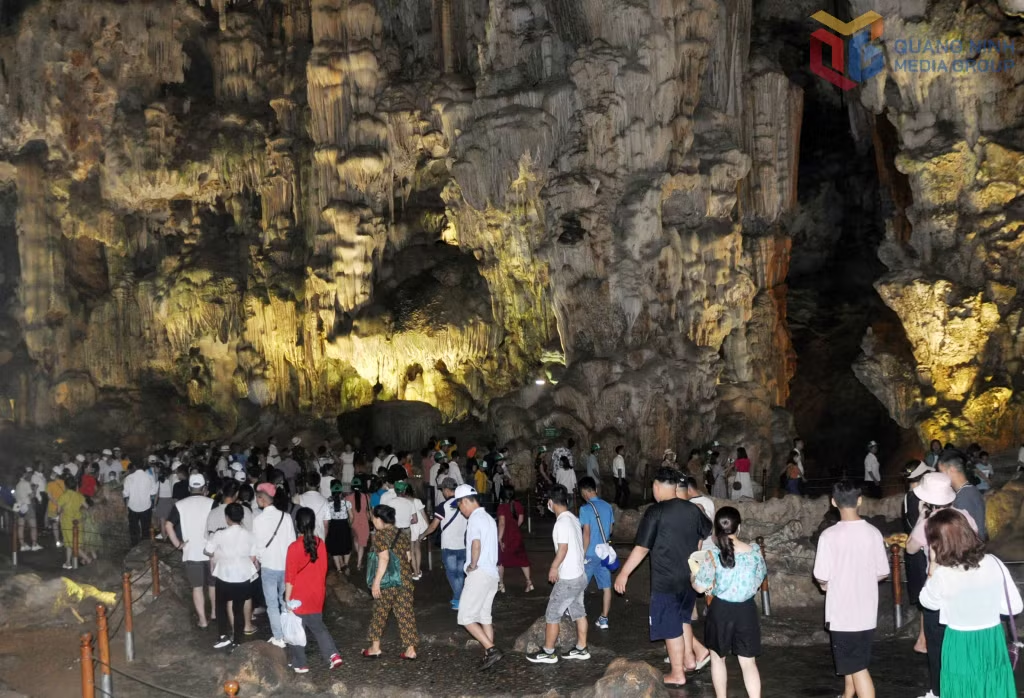
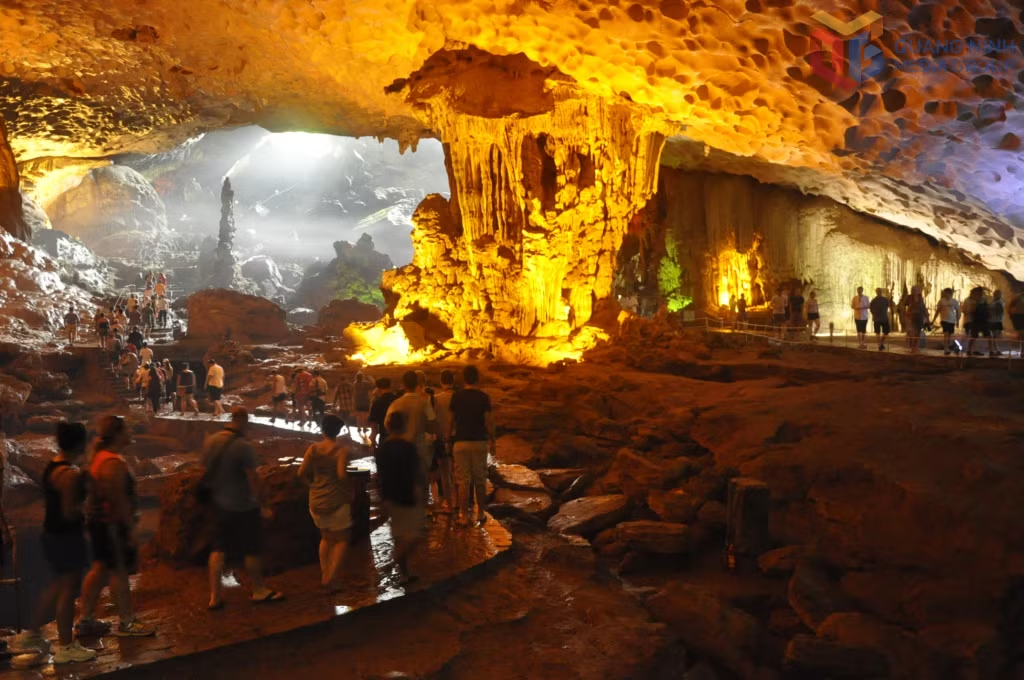
True to its name, Thien Cung, meaning “Heavenly Palace”, reveals a majestic interior of three expansive chambers. Countless stalactites and stalagmites form dramatic natural sculptures, illuminated to highlight their fantastical shapes inside the cave. Towering columns shimmer like crystal pillars, cloud-like rock formations drift across the ceiling, and the interplay of light and stone evokes the grandeur of a celestial palace carved entirely by time and water.
Adjacent to Thien Cung, Dau Go cave offers a different yet equally compelling experience. Renowned for its ancient, solemn character, the cave unfolds into a vast, theatre-like space where light and perspective transform with every step. Once known as the “Cave of wonders,” Dau Go has even hosted musical performances, blending natural grandeur with cultural expression. Deep within, monumental stalactite formations resemble immense stone murals, or nature’s own masterpieces, powerful and enduring.
Dau Go Cave also bears historical significance. During his visit, Emperor Khai Định composed a poem praising its beauty, later engraved on a stone stele that still stands near the cave entrance, an enduring tribute to its timeless allure.
Among the bay’s most iconic attractions, Sung Sot cave is truly unmissable. Located on the Bo Hon island range, Sung Sot, meaning “Surprise cave”, was named by a French expedition in 1946, a fitting title for a cave that continues to astonish visitors today.
Covering nearly 10,000 square meters and stretching over 200 meters in length, Sung Sot Cave features a dramatic two-chamber structure. The first chamber feels intimate and enclosed, adorned with delicate stone curtains and stalactites cascading beside tranquil pools. The second chamber opens suddenly into a vast hall with undulating floors, massive rock formations, and an extraordinary ceiling dotted with smooth, luminous hollows. Subtle lighting creates a misty, dreamlike ambiance, serene yet filled with wonder at every turn.
Beyond its geological splendor, the Sung Sot Cave area holds remarkable ecological value. It supports two characteristic ecosystems of Hạ Long Bay: cave ecosystems inhabited by swallows, rock thrushes, and bats, and evergreen forests thriving on limestone slopes. Endemic plant species, including rare Hạ Long cycads clinging to the northeastern cliffs, further enrich the site’s biodiversity.
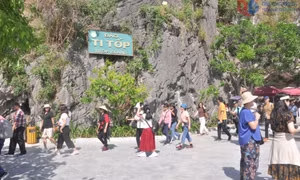
Today, Thien Cung and Dau Go Caves feature on the VHL1 and VHL5 routes, alongside iconic landmarks such as Cho Da Islet, Ba Hang Cave, Dinh Huong Islet, and the famous Fighting Cocks Islets. Sung Sot Cave lies along the VHL2 route, the most cave-rich itinerary in Hạ Long Bay, connecting highlights such as Soi Sim beach, Titop island, Tung Sau lagoon, Me Cung cave, Bo Nau cave, Luon cave, Trong cave, Trinh Nu cave, and Dong Tien lake.
“Many-in-one” value
According to statistics, the core zone of the World Heritage site Ha Long Bay is home to around 70 caves. Of these, 12 have been opened for tourism. In addition to well-known caves such as Thien Cung cave, Dau Go cave, and Sung Sot cave, visitors can explore other remarkable sites including Me Cung, Tien Ong, Trinh Nu, Trong, Ho Dong Tien, Luon, Co, Thay, and Cap La.
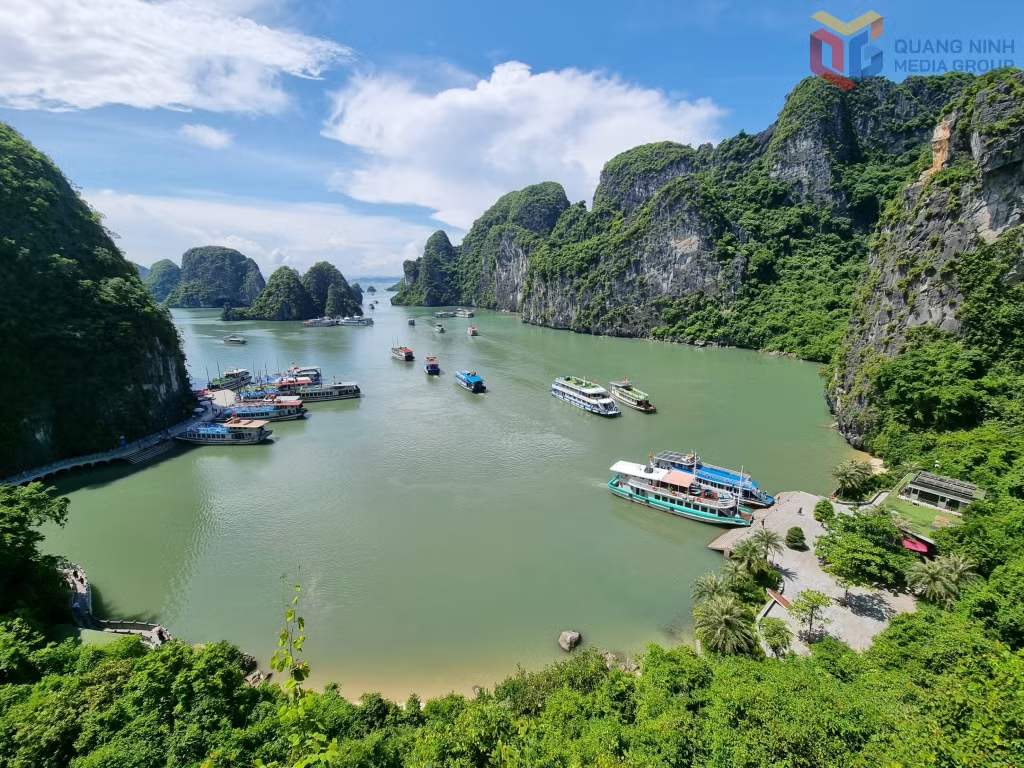
Formed over hundreds of millions of years, these karst caves are not only visually spectacular but also distinct in character, revealing their full charm only through first-hand exploration. Beyond their outstanding geological and geomorphological value, many caves also carry deep cultural and historical significance, preserving archaeological remains linked to the ancient Ha Long culture, where prehistoric communities once lived.
A notable example is Tien Ong cave, often described as a “prehistoric home” and the only cave on Ha Long Bay featuring an on-site archaeological exhibition. Trinh Nu cave and Trong cave are associated with a romantic local legend about a faithful young couple longing for one another. Co cave, small and charming, lies amid a dreamlike setting of clouds, water, limestone mountains, and sandy beaches. Meanwhile, Luon cave captivates visitors with kayaking and bamboo-boat journeys through a tunnel-like cave that opens into a crystal-clear lagoon nestled within a lush valley.
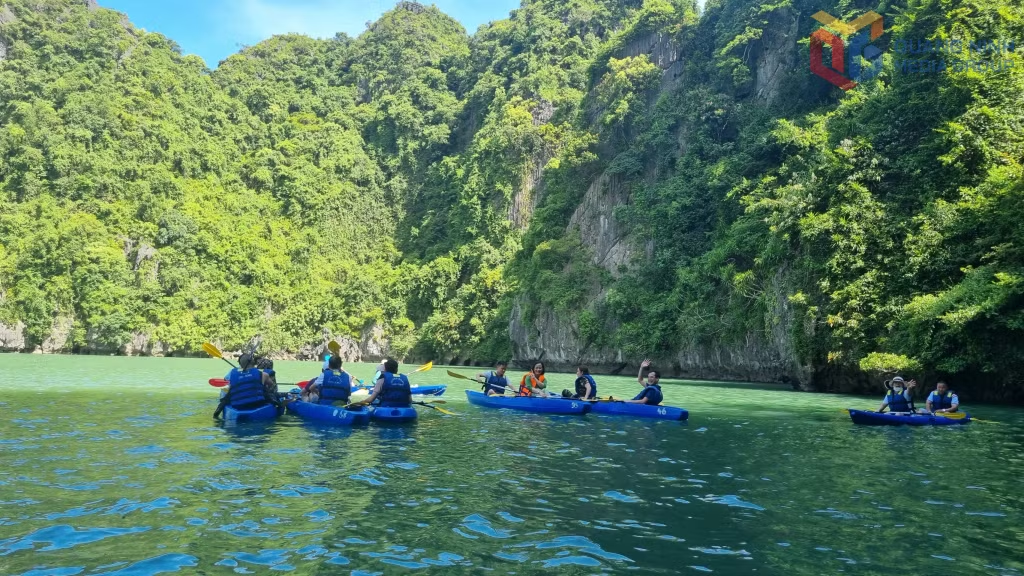
Located closer to shore and blessed with striking natural scenery, Thien Cung cave, Sung Sot cave, and Luon cave have become among must-visited attractions in Ha Long Bay.
Together, Ha Long Bay’s cave system has become a unique site where breathtaking landscapes, geological heritage, cultural narratives, and immersive experiences converge, offering visitors layers of discovery within a single destination.