Bong moc – A Red Book plant of Ha Long Bay's World Heritage Site

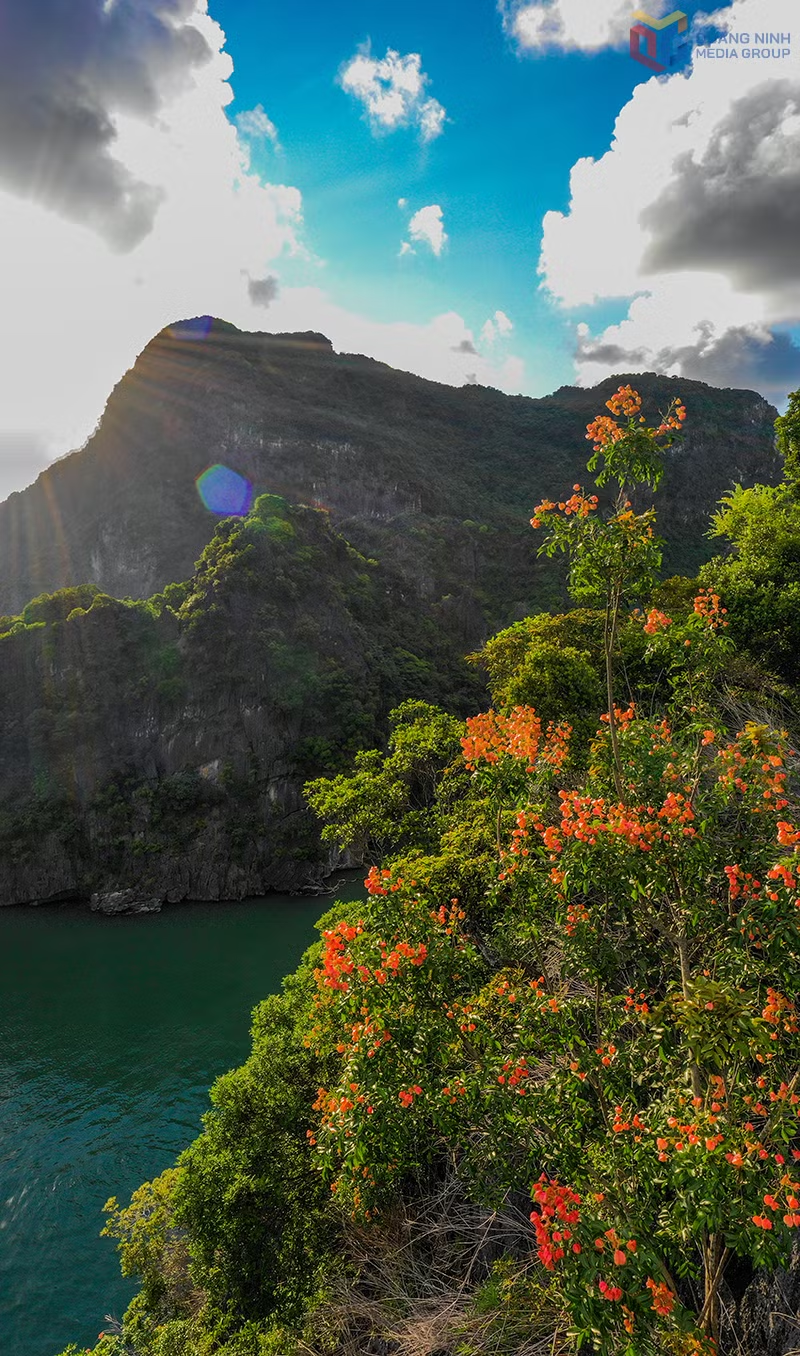
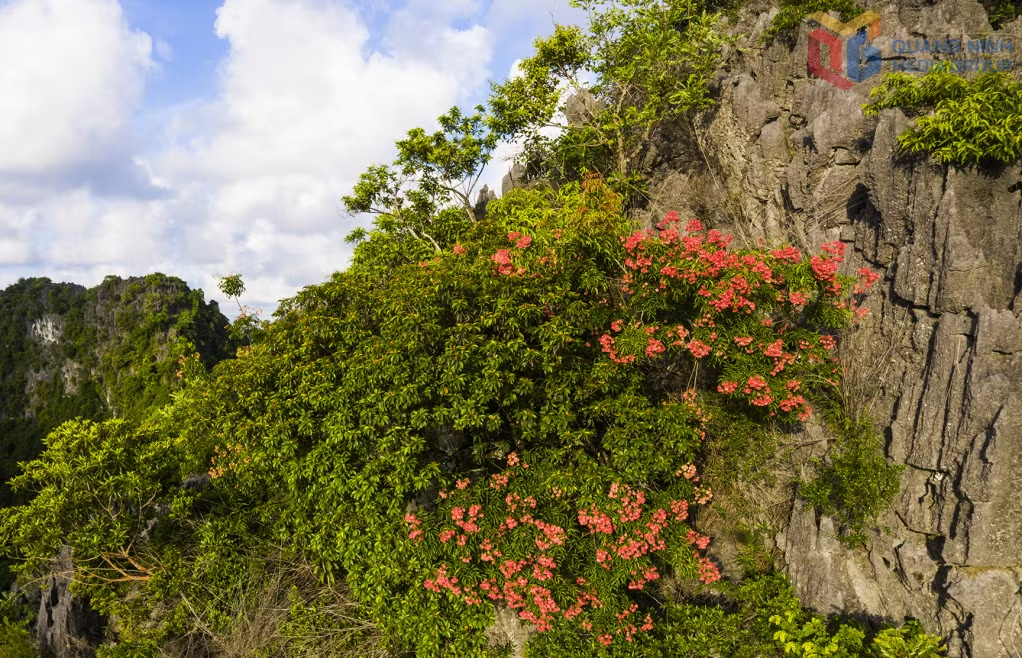
Amid the thousands of limestone islands of Ha Long Bay, the Bong moc plants quietly take root on sheer limestone cliffs, forming a unique part of the World Heritage site's ecosystem. Beyond adding a vibrant splash of colour each season, this rare plant is listed in the Vietnam Red Data Book and stands as the sole representative of the endemic Vietnamese genus Sinoradlkofera minor.

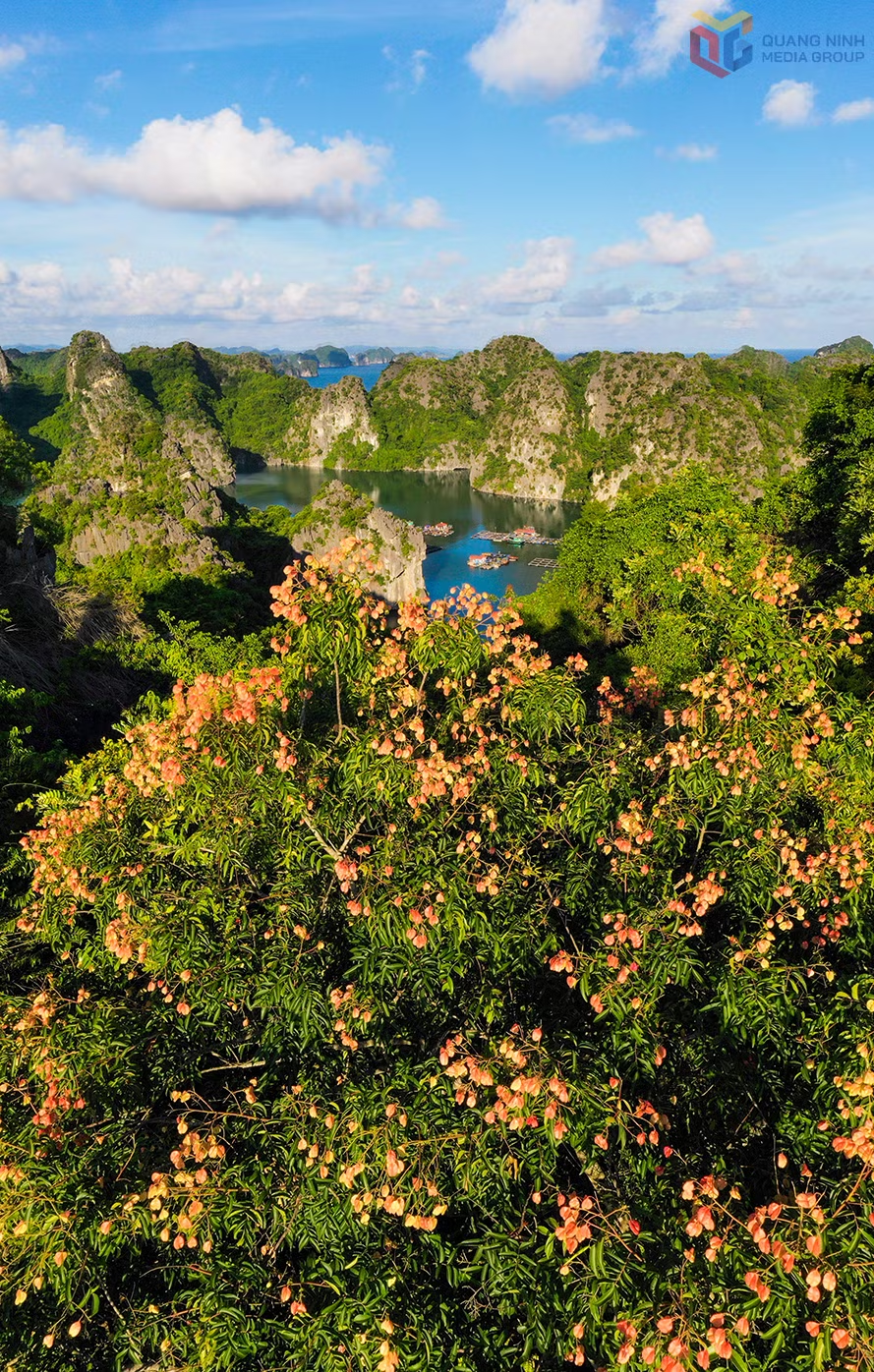
During the flowering season, bong moc unveils a beauty entirely its own. Clusters of tiny flowers bloom around June, forming later maturing into striking red blossoms that stand out brilliantly against the emerald sea, azure sky, and grey limestone cliffs.

Given its narrow natural distribution and small population, bong moc plants have, over the years, the Ha Long Bay–Yen Tu World Heritage Management Board has actively propagated and planted bong moc across various locations to conserve its precious valuable genetic resources and safeguard biodiversity.
Bong moc – A Red Book plant of Ha Long Bay's World Heritage Site ảnh 2

Bong moc – A Red Book plant of Ha Long Bay's World Heritage Site ảnh 3

The blooming season of bong moc adds another layer of poetic charm and allure to Ha Long Bay.
Under the golden sunshine, the harmonious blend of limestone cliffs, emerald waters, and brilliant red blossoms creates the breathtaking, ethereal beauty of Ha Long Bay, a UNESCO World Natural Heritage Site.

By Do Giang

Other News