Capitalizing on its outstanding marine potential and advantages, in recent years, Quang Ninh has consistently prioritized the development of a modern and synchronized seaport system. This approach has helped enhance competitiveness and gradually realized the province’s goal of becoming a marine economic hub and an important transshipment gateway of Southeast Asia.
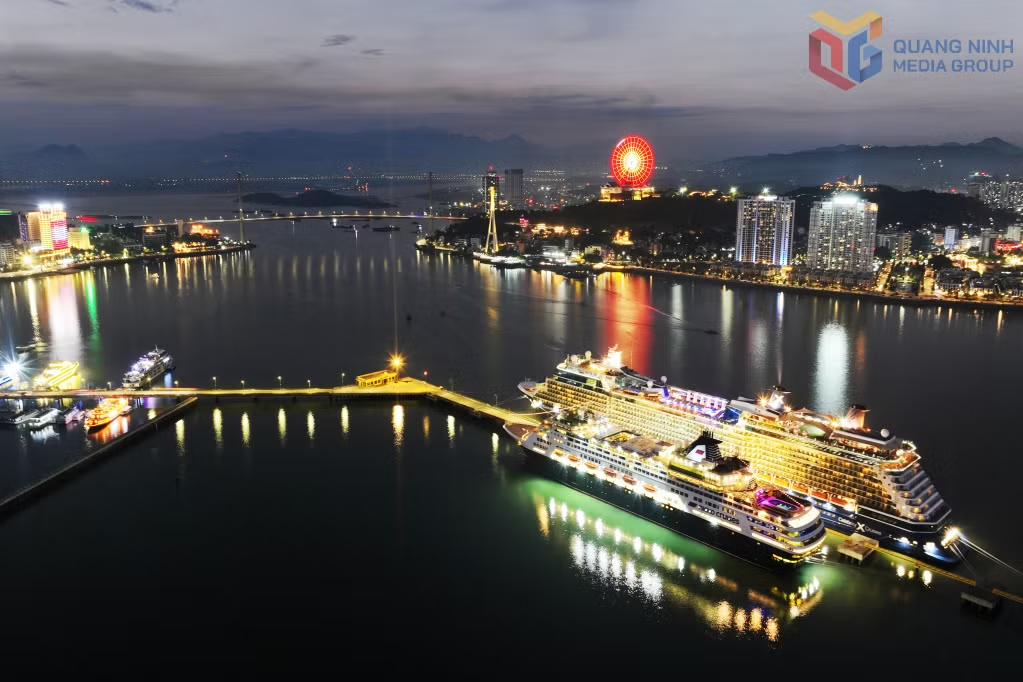
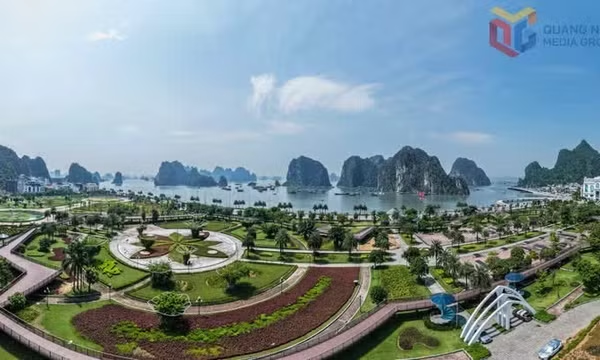
Ha Long International Passenger Port.
Currently, Quang Ninh accounts for over 40 percent of the total cargo volume handled by seaports in northern Viet Nam. Seaport operations in the province have maintained stable growth, averaging 8–10 percent annually, making a significant contribution to overall economic growth. These achievements stem from the coordinated implementation of flexible management solutions, together with prioritized investment in seaport infrastructure.
The province currently has 15 seaports with 44 wharves, totaling nearly 7 km in length, and three buoy berths. There are also 11 maritime channels, including Hon Gai–Cai Lan, Cam Pha and Van Gia with a combined length of 119.82 km. Connectivity infrastructure has been developed in a relatively comprehensive manner, comprising eight national roads and two highways with a total length of 633.07 km. This network effectively links major port areas such as Cai Lan, Yen Hung, Cam Pha, Van Gia and Mui Chua, meeting diverse operational demands and promoting growth in both domestic and international cargo and passenger transport.
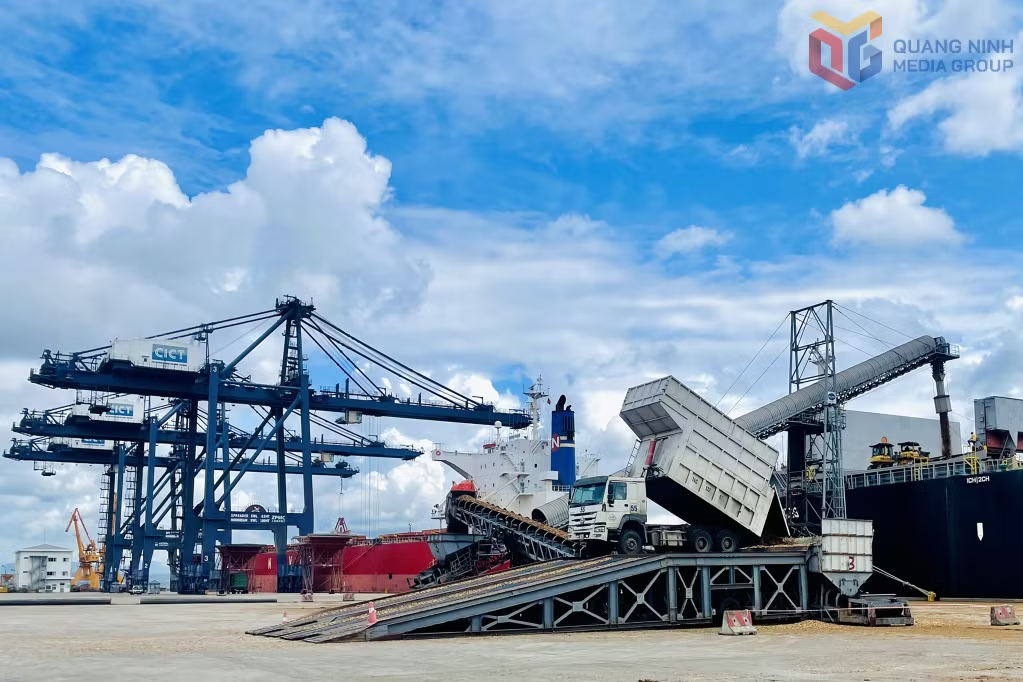
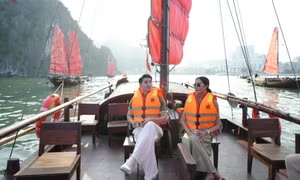
Cargo handling operations at Cai Lan Port.
Notably, Quang Ninh has established an interconnected and modern infrastructure system by expanding cooperation with major domestic and foreign investors to develop key seaports, including Cai Lan Port, Ha Long International Passenger Port, Tuan Chau International Passenger Port, Cam Pha Port, Van Ninh Port and Hai Ha Seaport. At the same time, the province continues to attract investment in new projects such as the Hon Net – Con Ong Port. Quang Ninh’s seaports have effectively leveraged their capacity, regularly receiving large vessels, including ships of up to 120,000 DWT at the Hon Net – Cam Pha anchorage area.
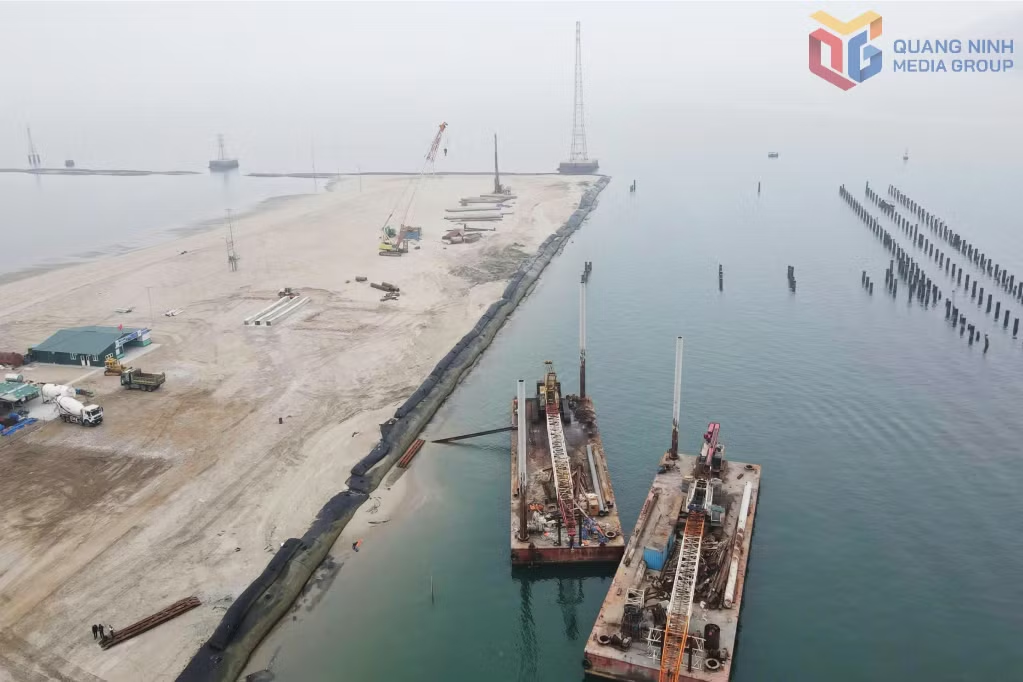
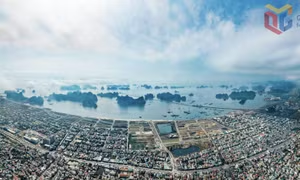
Construction activities at the Van Ninh Port Project, seen from above.
Alongside infrastructure investment, Quang Ninh has reorganized port facilities, gradually relocating operations with high pollution risks, and adjusting port scale and functions in line with development orientations. Efforts have also been made to develop high value-added services, integrating seaports with tourism, services, logistics and coastal urban development.
Toward the goal of becoming a sustainable marine economic hub and one of Viet Nam’s key logistics centers by 2030, Quang Ninh continues to refine its long-term planning, intensify investment attraction, improve service quality, and promote its seaport system in international markets, while aligning marine economic development with cultural preservation and sustainability.