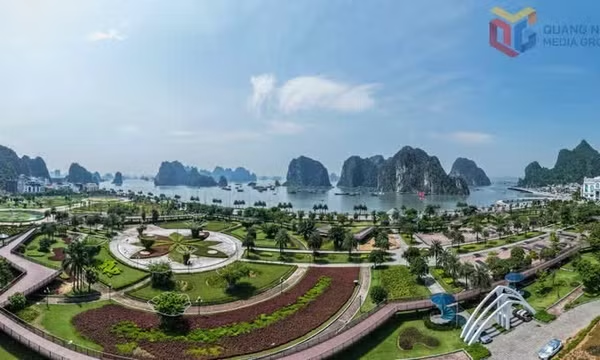
Ha Long Bay is famous worldwide for its towering limestone peaks and emerald waters, yet its beauty runs far deeper than the landscape itself. Hidden within this iconic seascape is a rich tapestry of cultural heritage, or layers of history, belief, and community life that have shaped the identity of Quang Ninh for millennia.
Experts note that Ha Long bay is not only a natural world heritage site but also a cradle of ancient coastal civilization. Deputy Director of Center No. 2 under the Ha Long Bay - Yen Tu World Heritage Management Board, Nguyen Ba Can, emphasizes that many of the bay’s landmarks are simultaneously scenic, archaeological, and spiritual, adding cultural depth to the natural wonder.
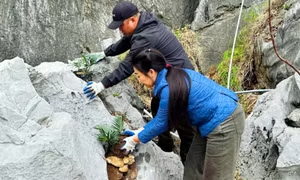
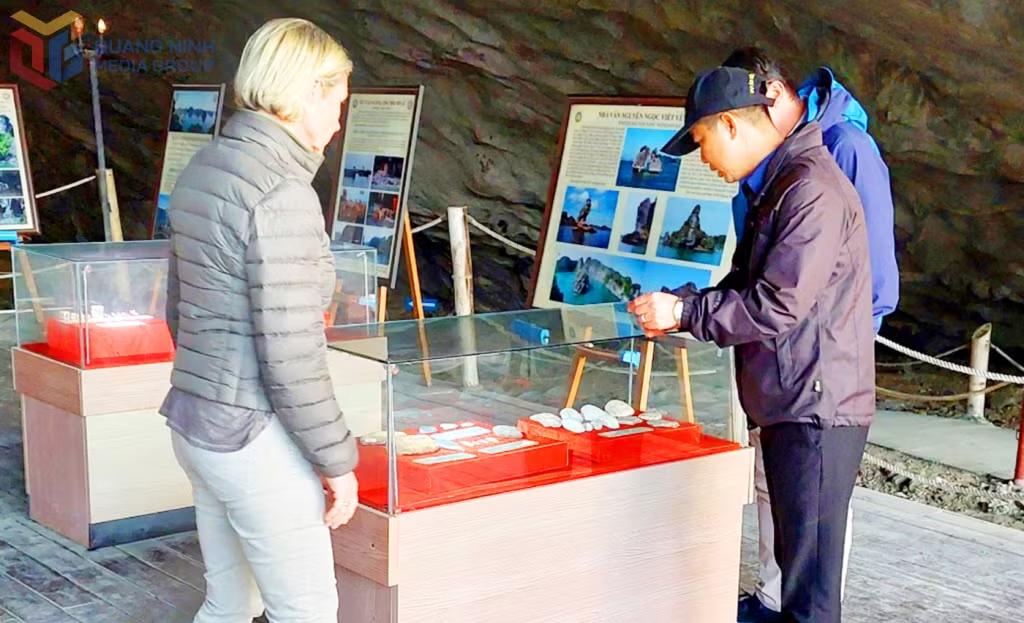
Among these, Tien Ong cave stands out as a “miniature museum” within the bay. Its spacious chambers and striking stalactites evoke the image of a legendary mountain sage. Here, archaeologists uncovered traces of ancient Vietnamese from the Soi Nhu culture, dating back 8,000-10,000 years, shedding light on early human adaptation to the sea. Artifacts preserved at the Quang Ninh Museum bring this prehistory vividly to life, while the cave’s pristine condition allows visitors to feel as though they are stepping directly into the past.
Me Cung cave on Lom Bo island is another important prehistoric site. With winding corridors resembling a natural labyrinth, it has revealed stone tools, shell remains, and hearths from 7,000-10,000 years ago. From its entrance, the peaceful Me Cung lake unfolds, a landscape that blends natural serenity with archaeological significance, creating a rare “living museum” set right at the site of its original excavation.
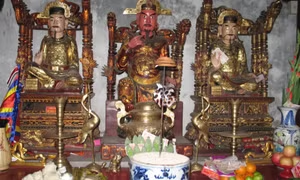
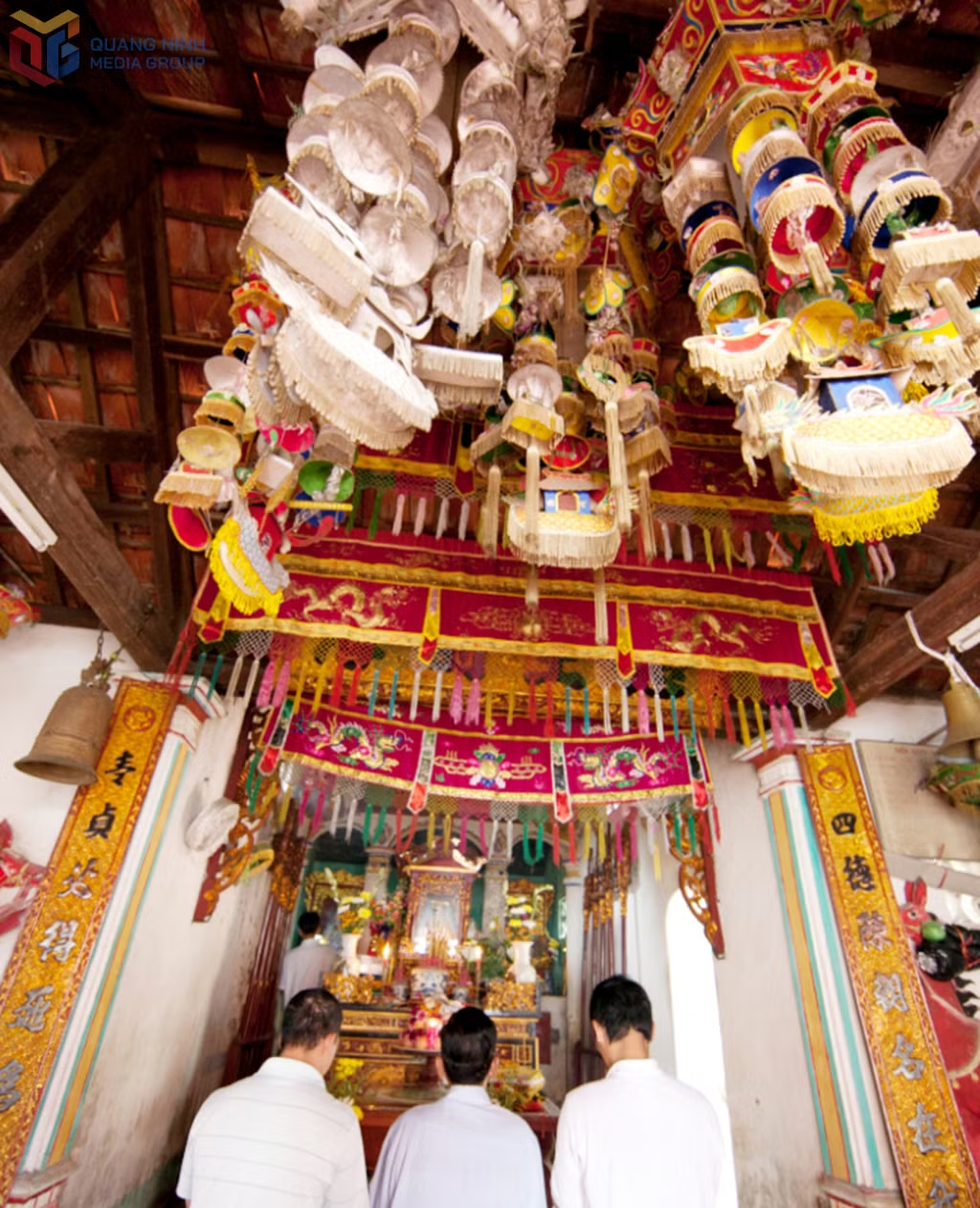
Ba Men temple highlights the spiritual traditions of Ha Long’s fishing communities. Dedicated to the Sea Goddess Ba Men, protector of sailors, the temple remains a focal point of local rituals. Each year, fishermen anchor their boats around the shrine to pray for safe voyages, creating a humble yet powerful reflection of life at sea.
Further across the bay, the former floating village of Vung Vieng preserves the cultural imprint of generations who lived entirely on the water. Although many residents have moved ashore, the village remains an experiential cultural space where visitors can observe traditional net-making, fishing practices, and the distinctive rhythm of daily life on the bay.
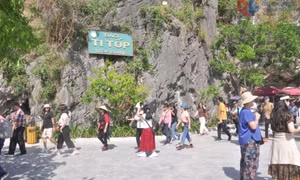
The cultural richness of Ha Long Bay extends to other notable sites: Cua Van, Cong Dam, and Ba Hang, once vibrant floating villages known as “open-air museums” of maritime heritage, the iconic Trong Mai Islets, and Titov Island commemorating the historic meeting between President Ho Chi Minh and Soviet cosmonaut Gherman Titov.
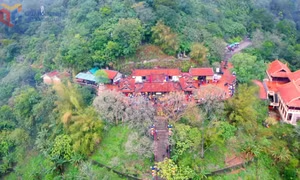
The Ha Long bay - Yen Tu world heritage management board continues to preserve archaeological sites, upgrade interpretive displays, and restore cultural centers such as Cua Van Floating Cultural Center, which is being revitalized to enhance connectivity with nearby heritage spaces like Cai Beo in Hai Phong.
Ha Long Bay stands not only as a masterpiece of natural beauty but also as a vibrant cultural landscape, an open, living museum where visitors can explore the deep and fascinating history of Vietnam’s coastal communities.