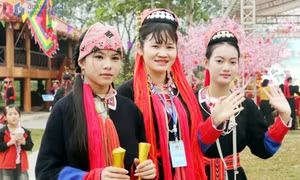
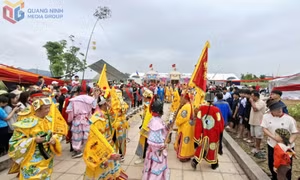
On the evening of October 25, the Yellow Harvest Festival officially opened at Luc Na Communal House in Luc Hon commune. This event marks the beginning of the local autumn-winter tourism season and is part of the commune’s 2025 tourism development plan. The festival takes place right at the height of the rice harvest, when the terraced fields shimmer with brilliant yellow hues.
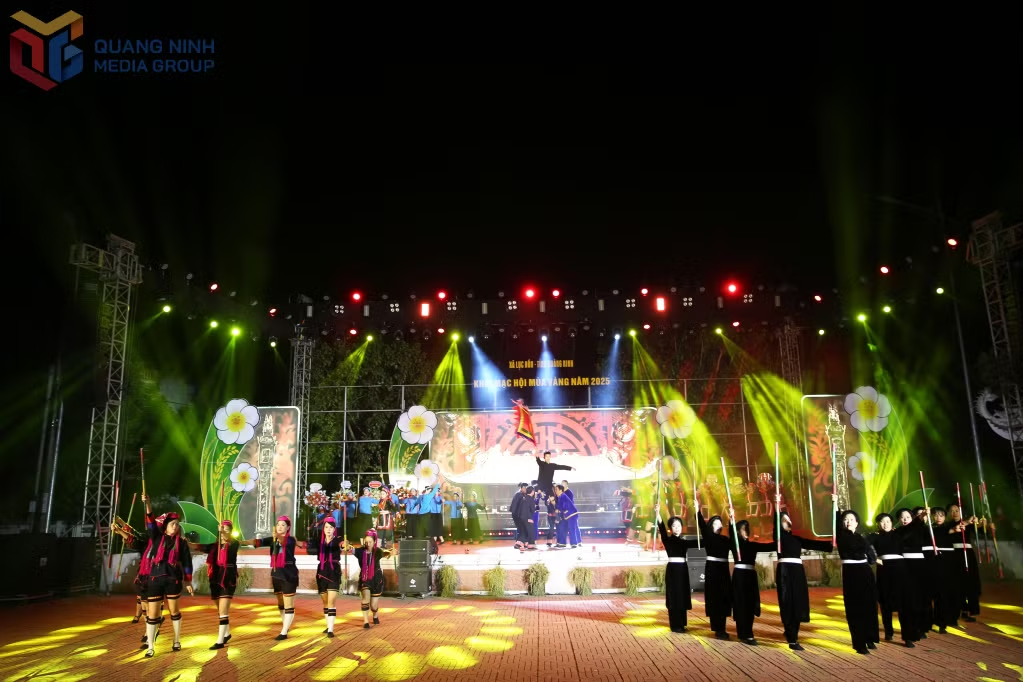
The festival aims to showcase Luc Hon’s tourism potential and celebrate its unique cultural heritage, creating a distinctive attraction for visitors. Throughout the event, the commune hosts a wide range of cultural and experiential activities such as going sightseeing, taking photos, harvesting rice on terraced fields, joining the Tay ethnic group’s New Rice Celebration, etc.
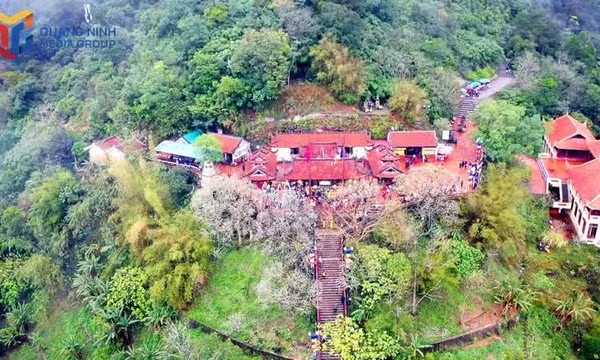
They can also experience the “Flying over the yellow season” paragliding adventure, and trekking to conquer Cao Xiem Peak.
The One Commune One Product (OCOP) fair is open to the public, featuring a wide range of local specialties that visitors are encouraged to taste and take home as souvenirs.
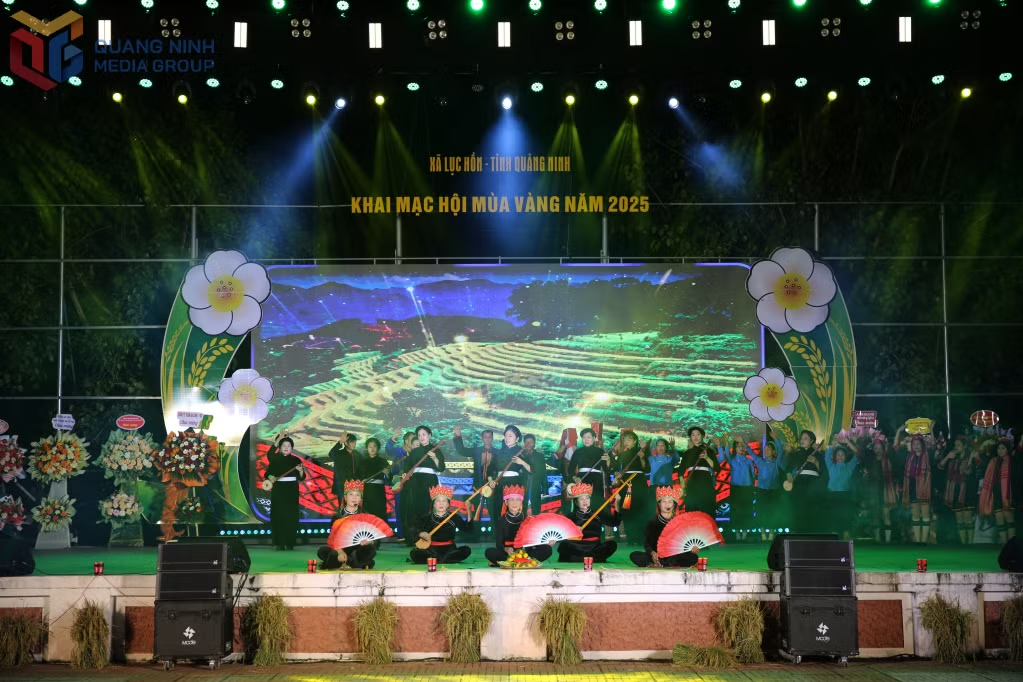
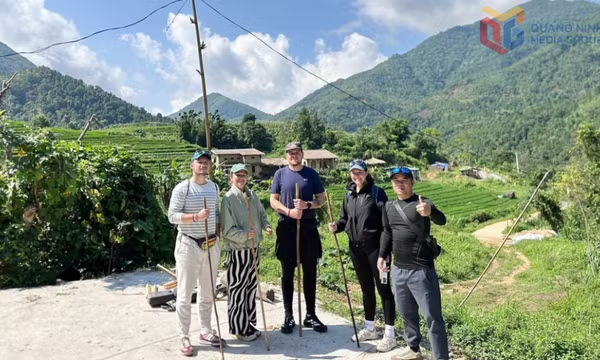
A highlight of this year’s festival is the expansion of community-based tourism, featuring the tour “Stay in the village - Dine with locals - Work with the community.” Visitors can check in at the Tay ethnic village, experience local lifestyles, and take part in sports and cultural activities across the commune. These programs promise to bring both residents and visitors authentic, memorable experiences in the picturesque, peaceful land of Luc Hon renowned for its warm-hearted, hospitable people and vibrant cultural traditions.

The 2025 Yellow Harvest Festival is not only an opportunity to promote ethnic cultural values and showcase the beauty of local heritage, but also a step toward building green and sustainable tourism while honoring the provincial heritage of terraced fields. It contributes to strengthening Luc Hon’s tourism brand, encouraging travel enterprises and investors, and fostering immersive, culture-based tourism experiences that connect visitors with local life.
Ultimately, the festival stands as a symbol of pride and a signature tourism product of Luc Hon Commune, reflecting its aspiration to become a shining example of community-based tourism in the border region.