Beyond being commercial places, traditional markets preserve local cuisine, livelihoods, communication styles and the everyday rhythms of community life. From coastal to highland markets, Quang Ninh has abundant cultural resources to craft rich, authentic travel experiences.
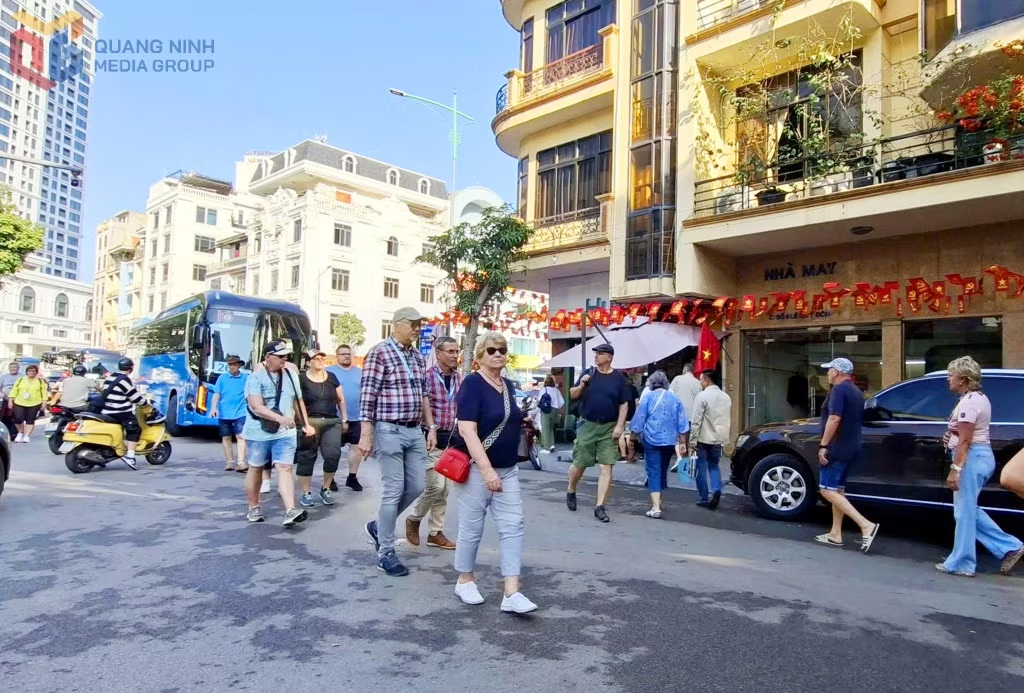
According to tourism experts, travelers visit local markets not only to buy souvenirs but also to taste local dishes, observe traditional cooking techniques, and immerse themselves in local life. This trend is becoming increasingly evident as many localities develop markets into tourism products. Bac Ha links its weekly markets with local culture and tourist attractions, Ha Giang turns highland markets into experiential spaces, while Can Tho is known for Cai Rang Floating Market.
Within this flow, Quang Ninh boasts its own distinctive assets, with each market offering a different character. Ha Long 1 Market stands out for its fresh seafood, squid cakes and the vibrant coastal city pulse. Binh Lieu Market, meanwhile, is rich in the cultural colours of the Tay, Dao and San Chi ethnic groups, featuring traditional costumes and highland products that appeal to tourists seeking authentic local experiences. Dong Van Market in Hoanh Mo commune has also been included in tourism routes and attracts particularly large numbers of visitors at weekends and during festivals. Ha Lau Market in Dien Xa commune has been revived as a space combining agricultural products, cuisine, handicrafts and Dao culture, and initially gaining strong traction. Other markets across the province, including Mong Cai Market, Cai Rong Market, Tien Yen market street, Luong Mong highland market... also contribute to diversifying local tourism products.
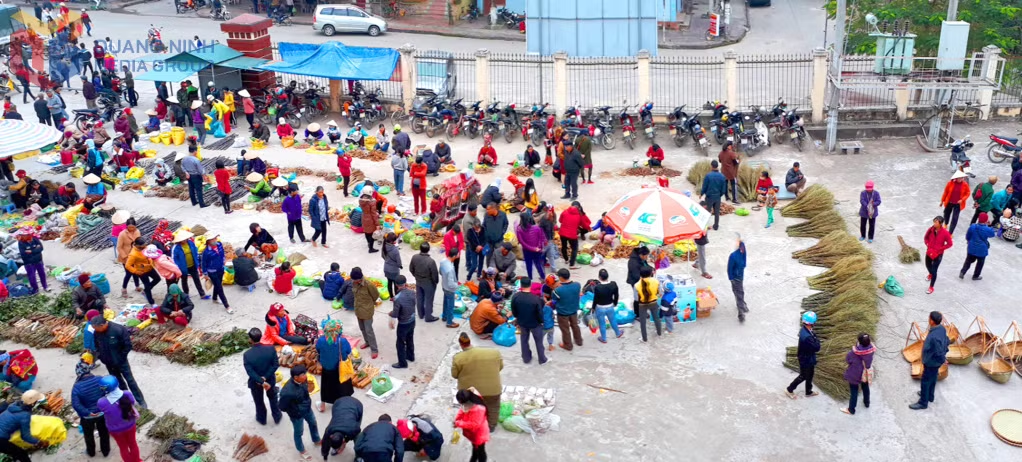
Associate Professor Pham Hong Long (University of Social Sciences and Humanities under Vietnam National University, Hanoi) noted that a destination brand is built not through staging, but through the authenticity of local life and indigenous knowledge. For local markets, value lies in the entire process of making a product. Tourists enjoy watching squid being hand-pounded for patties, watching the preparation of stir-fried “pho” noodles or observing brocade embroidery, while listening to stories about the ingredients and their cultural significance.
In practice, a market becomes a strong tourism product only when it is integrated into a broader experiential chain. Bac Ha, for example, connects its market fair with the Hoang A Tuong Mansion, local villages, homestays, horse-racing festivals and the night street. Ha Giang arranges dedicated areas for local specialities, cuisine, souvenirs and community cultural activities, while connecting its markets with tourism villages and journeys through the Dong Van Karst Plateau. In Can Tho, Cai Rang Floating Market is linked with boat tours, breakfast experiences on the river, scenic stopover and tourism festivals.
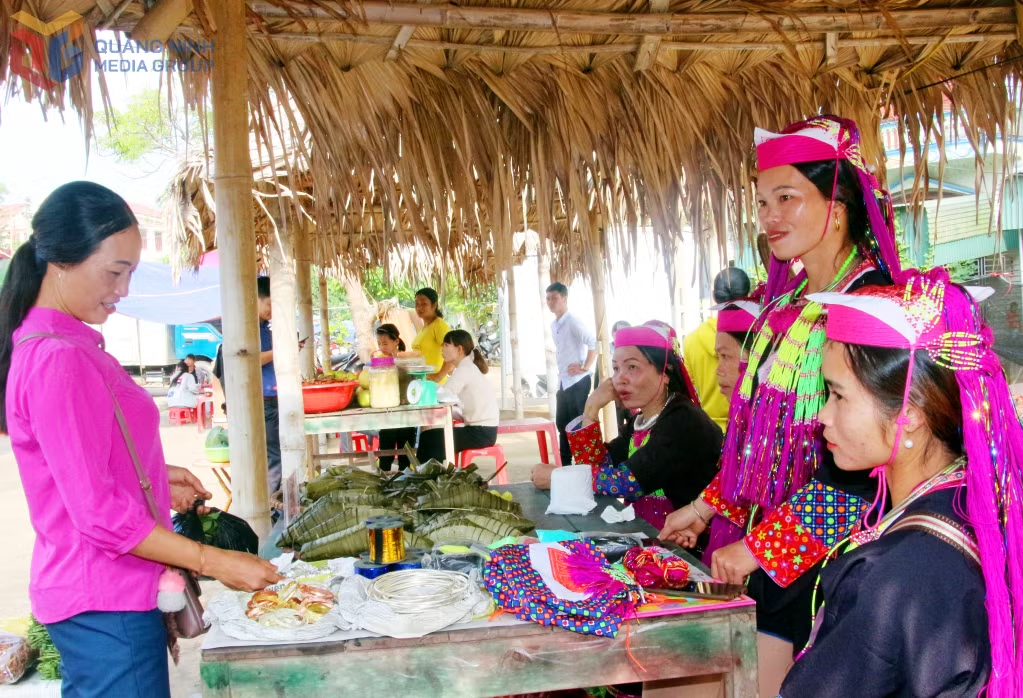
Ultimately, traditional markets retain their long-term appeal only when they remain authentic spaces for local people, allowing tourists to engage more deeply and conveniently with local life, leaving far more than just a souvenir.
By Ha Phong