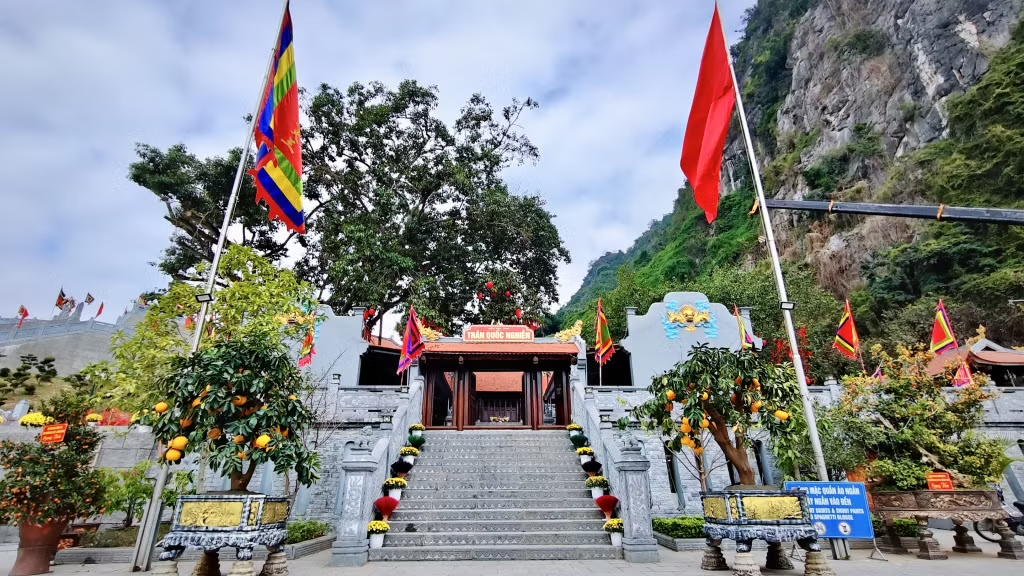
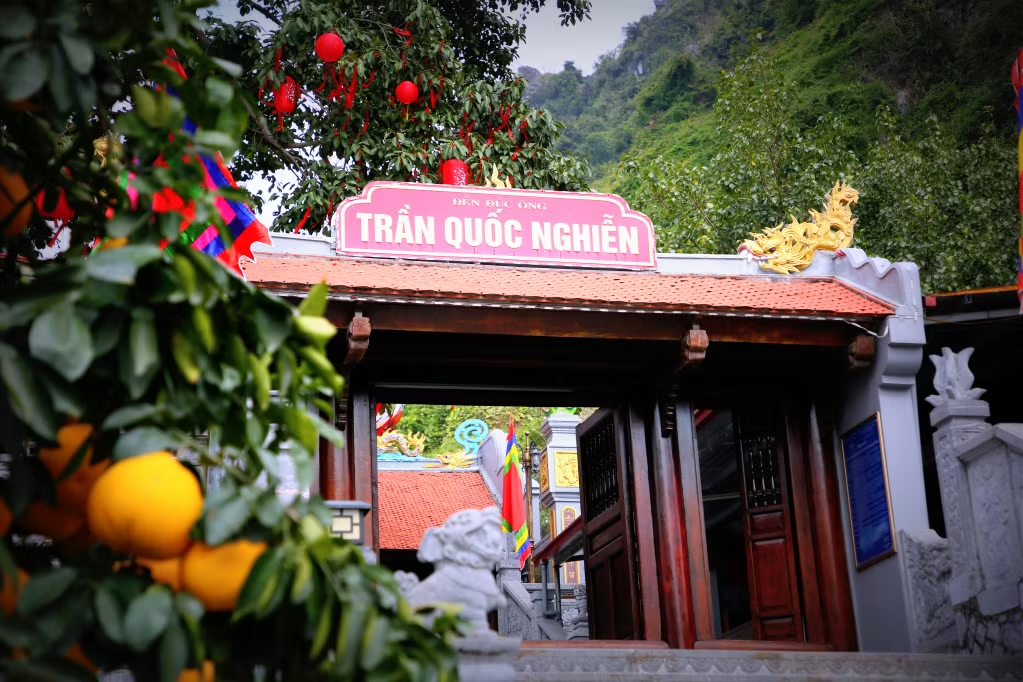
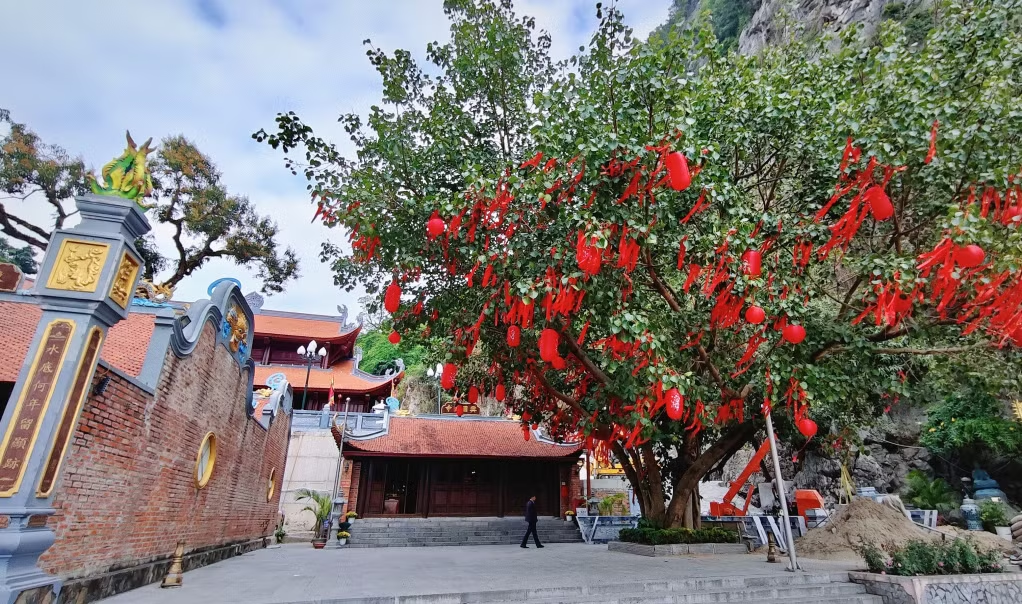
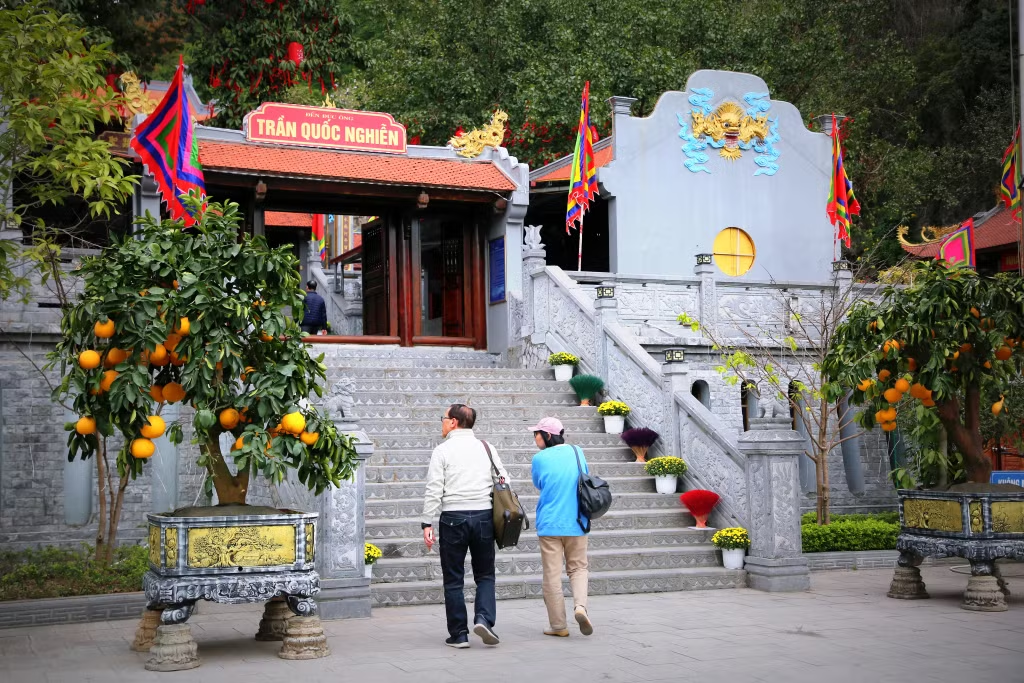
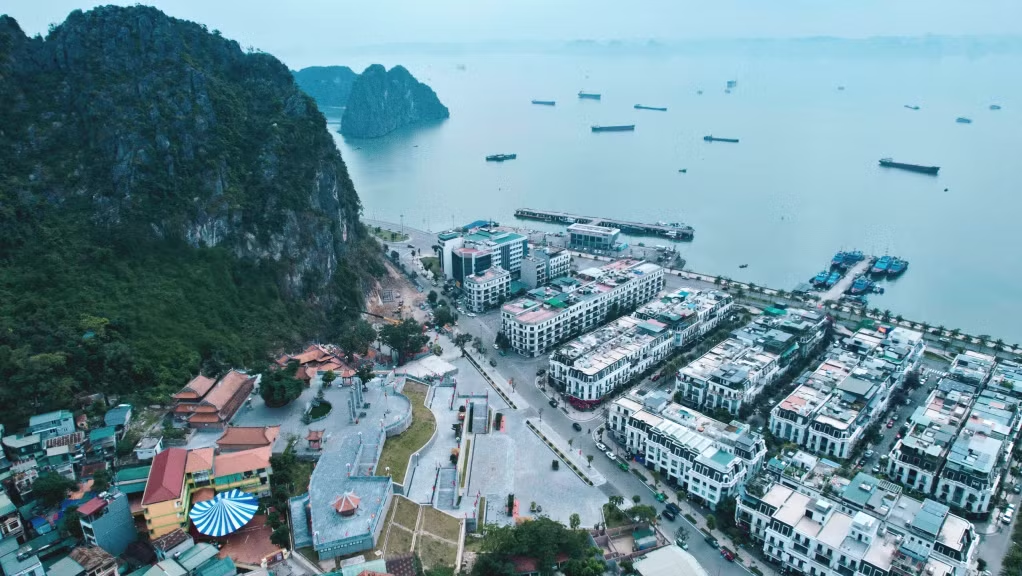
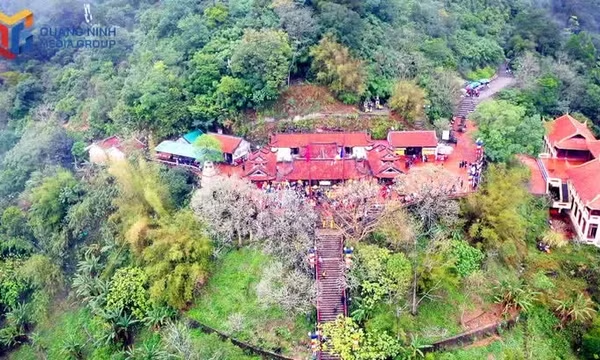
The relic complex of Bai Tho Mountain and Tran Quoc Nghien Temple, located in Hong Gai Ward, have long been recognised as a prominent cultural and spiritual destination. The recent completion of the project to develop the square, green spaces and technical infrastructure of the Bai Tho Mountain Cultural Area, together with the expansion, restoration and renovation of Tran Quoc Nghien Temple ahead of the Lunar New Year 2026, has added a new highlight to the landscape. The site has become an attractive destination for sightseeing and spiritual tourism, serving both local residents and visitors from across the country.
Tran Quoc Nghien Temple is dedicated to Tran Quoc Nghien, bestowed the title Hung Vu Dong Hai Dai Vuong, the eldest son of Grand commander Tran Quoc Tuan (Tran Hung Dao), the grandson of Prince An Sinh Tran Lieu and the nephew of King Tran Thai Tong. Renowned as a talented military commander, Tran Quoc Nghien played a significant role alongside his father and other generals in the resistance wars against the Mongol–Yuan invaders.Most notably, he made a significant contribution to the third Bach Dang River battle in 1288, helping defeat invading forces in the Northeast. In recognition of Tran Quoc Nghien’s legacy, boat owners passing by Bai Tho Mountain jointly built a temple in his honor in the late 13th century.
Over the course of history, the Duc Ong Tran Quoc Nghien Temple has undergone several rounds of restoration and renovation. Today, it forms part of the Bai Tho Mountain – Long Tien Pagoda complex, which was designated as a National Historical and Scenic Site in 1992.Beyond its spiritual and cultural significance, the Tran Quoc Nghien Temple has become a well-known popular sightseeing location, attracting many residents and visitors when travelling to Quang Ninh.
The expansion, restoration and embellishment of the Duc Ong Tran Quoc Nghien Temple and the Bai Tho Mountain Cultural Area have significantly enhanced the value of this national historical and scenic site located at the foot of historic Bai Tho Mountain.