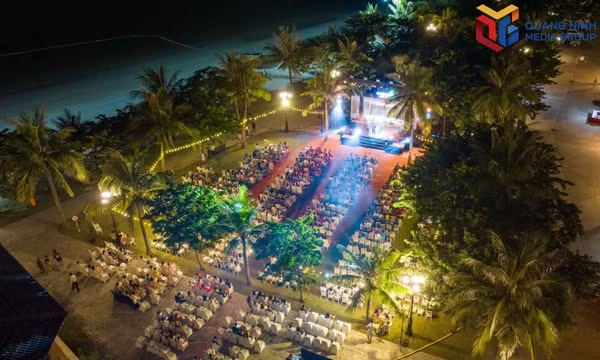
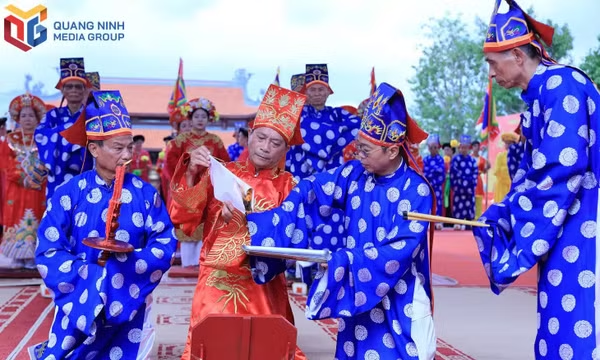
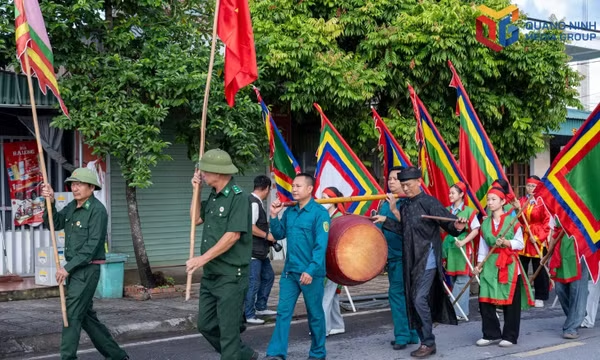
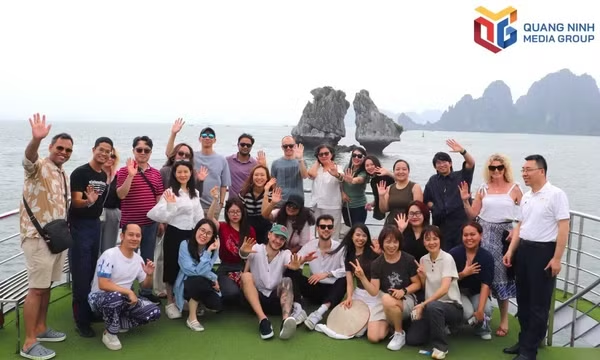
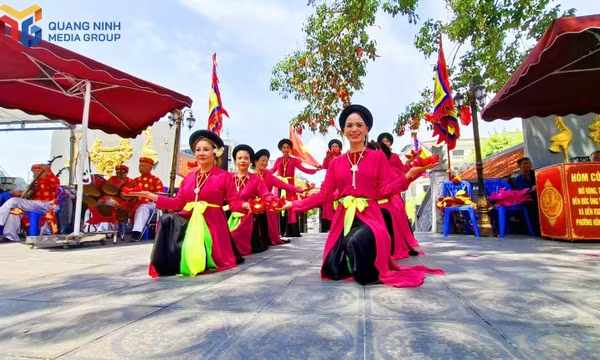
Less lively than the early-spring festival, the Cua Ong Temple Festival in the eighth lunar month has a distinctly solemn and contemplative atmosphere. Amid the sounds of drums and gongs resonating through the ancient setting, drifting incense smoke and a succession of traditional rituals, visitors have the opportunity to explore the story behind the festival in greater depth.
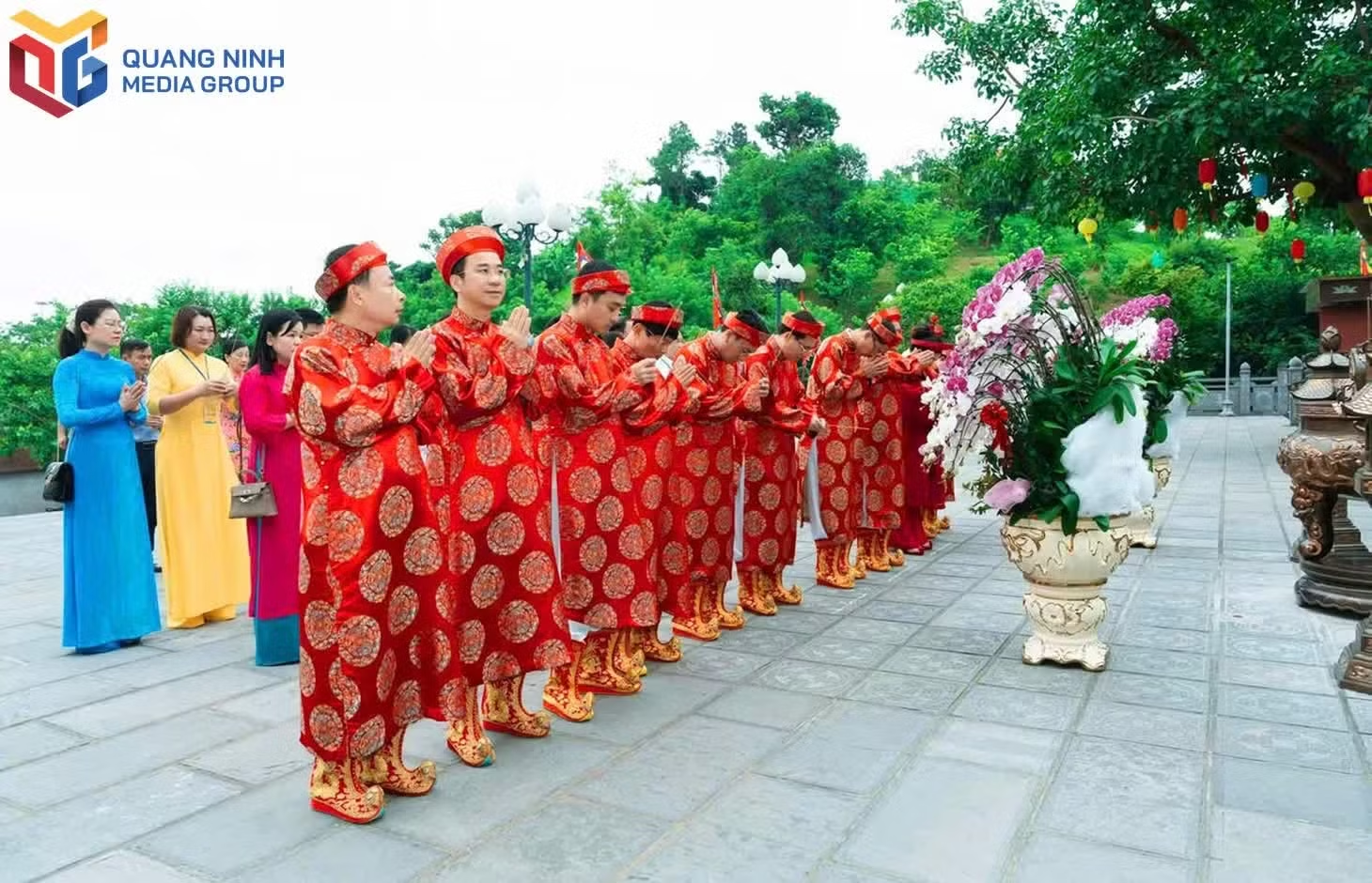
For visitors who have experienced Cua Ong Festival in the second lunar month, the autumn version offers a different impression. With fewer bustling festive activities, the eighth lunar month devotes more space to rituals, quiet reflection, and the historical and spiritual stories behind each offering of incense.
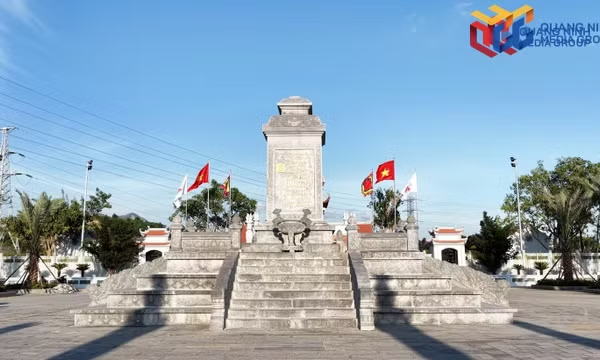
The appeal of this journey begins with the story of the figure worshipped at the temple. Grand Prince Hung Nhuong Tran Quoc Tang was the third son of Grand Commander Hung Dao Tran Quoc Tuan. He was twice assigned to guard Cua Suot, a strategic position in the northeastern region, and achieved many military successes during the resistance wars against the Mongol-Yuan invaders, contributing to the defence of Dai Viet’s frontier. After his death, local people built a temple in his honour at Cua Suot, now Cua Ong.
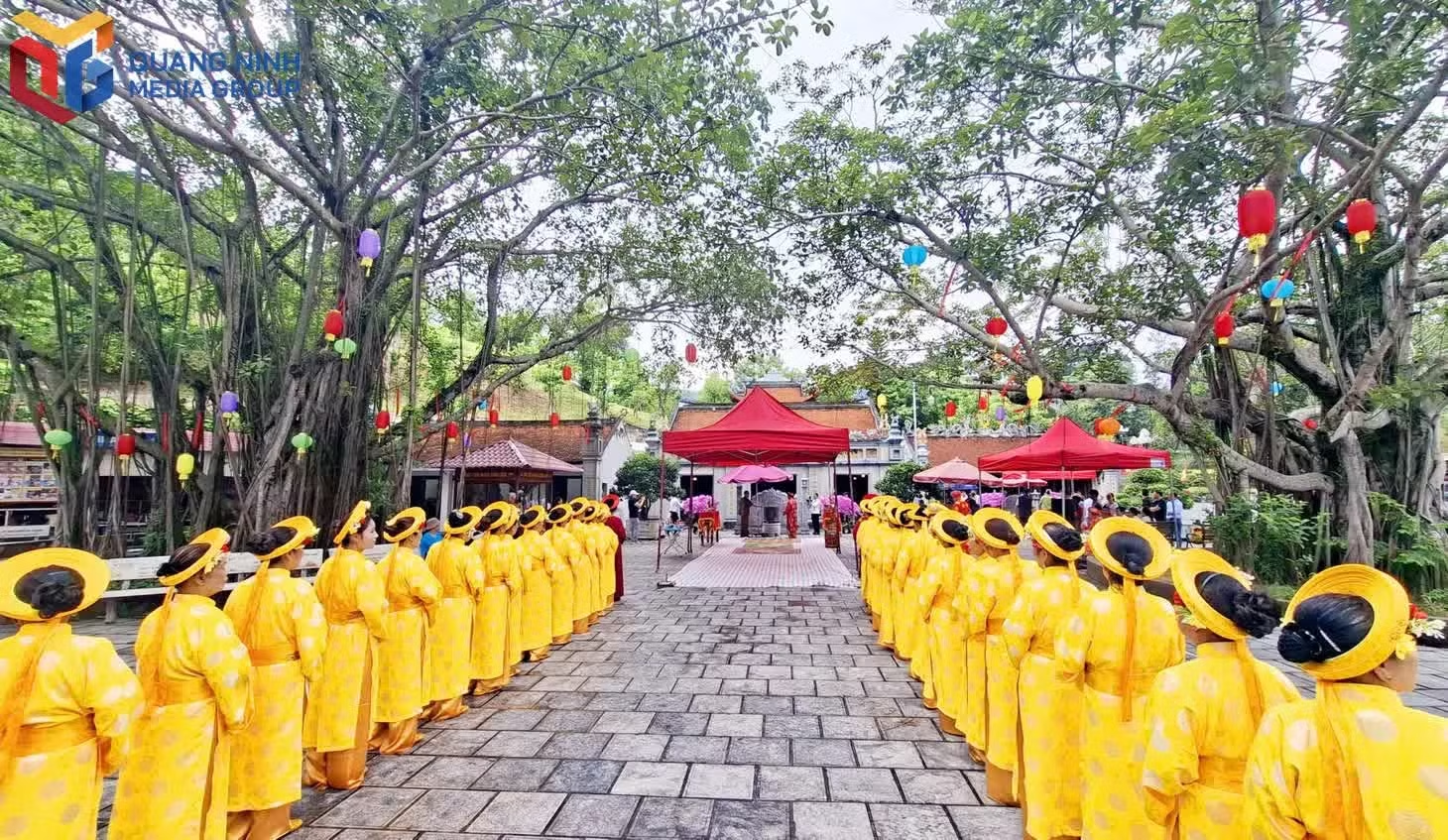
For that reason, a visit to the festival is about more than offering incense and praying for peace. From the temple complex high above the northeastern sea, visitors can imagine returning to an ancient frontier pass, where traces of centuries-old history have blended with folk beliefs, giving the relic site enduring vitality.
The festival in the eighth lunar month focuses mainly on traditional rituals, from the ceremony seeking permission to open the festival on the first day to the official opening on the third day of the lunar month. After the opening, the ritual programme continues with an incense-offering ceremony on September 26, or the 16th day of the eighth lunar month, to commemorate the 713th anniversary of the death of Grand Prince Hung Nhuong Tran Quoc Tang. On September 30, or the 20th day of the eighth lunar month, a ceremony will mark the 726th anniversary of the death of Grand Commander Hung Dao Tran Quoc Tuan, together with the festival-closing ritual. These are key dates for visitors choosing when to come to the temple, both to pay their respects and to fully experience the atmosphere of the autumn festival.
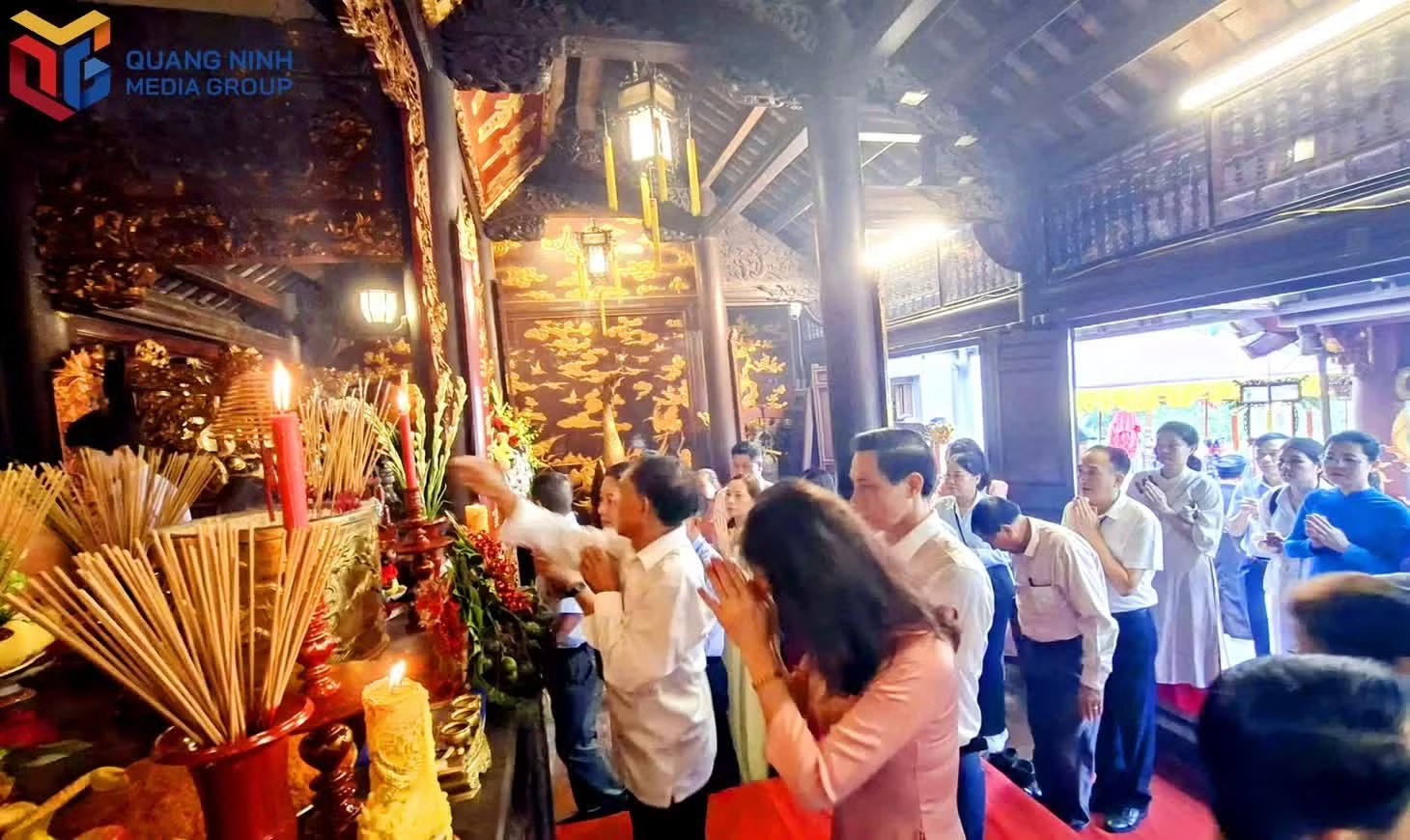
Revived in 1996 after a period of interruption, the Cua Ong Temple Festival has increasingly become an important part of the spiritual and cultural life of local residents and visitors from across the country. In 2016, the festival was inscribed on the National Intangible Cultural Heritage List, and in 2017, Cua Ong Temple was recognised as a Special National Relic Site.