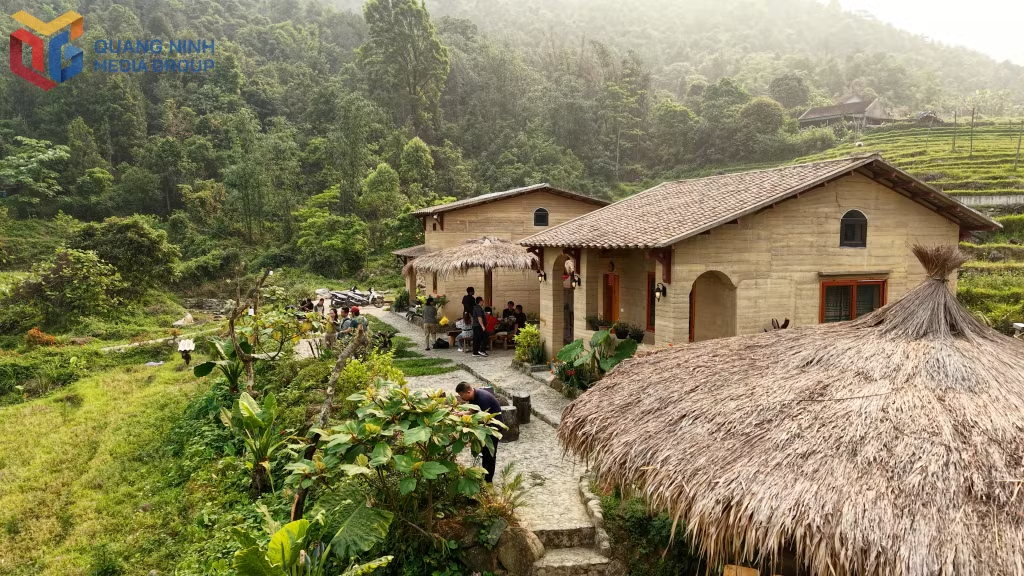
By sustainably tapping into its advantages, from vast star anise forests and centuries-old ancient tea forests to rich indigenous cultural life, Hoanh Mo Commune is gradually transforming into a unique eco-cultural experience destination, particularly attractive to international visitors who love nature and exploration.
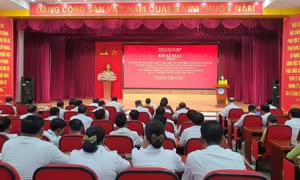
Under the project “Enhancing the capacity of ethnic minority communities to participate in tourism development activities in Binh Lieu, Luc Hon and Hoanh Mo communes of Quang Ninh,” funded through non-refundable aid from the Japan International Cooperation Agency (JICA) and managed by the Department of Culture, Sports and Tourism, Hoanh Mo has developed a model tour featuring trekking through ancient tea forests, learning about medicinal plants, experiencing star anise harvesting, making “cooc mo” cakes, relaxing with herbal foot baths, and joining local residents in preparing traditional dinners.
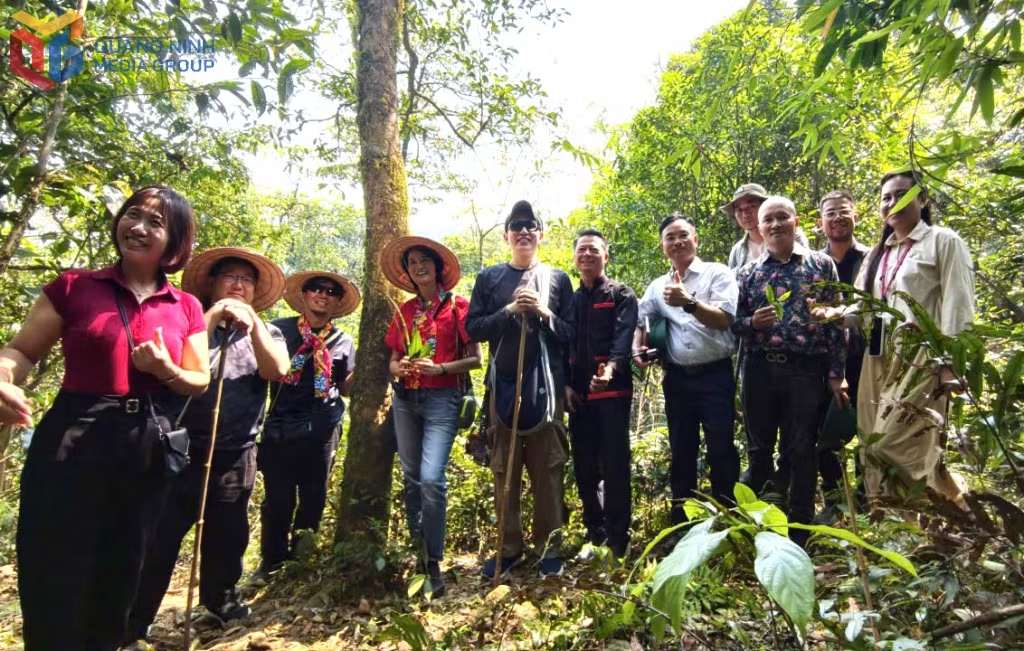
The journey begins in Khe Tien Village, where 100% of residents are Dao Thanh Phan ethnic people. Before entering the ancient tea forest trekking route, visitors are invited to enjoy cups of hot village tea, picked from ancient tea trees on the mountain peak, pan-dried by hand and brewed with crystal-clear spring water from the forest source.
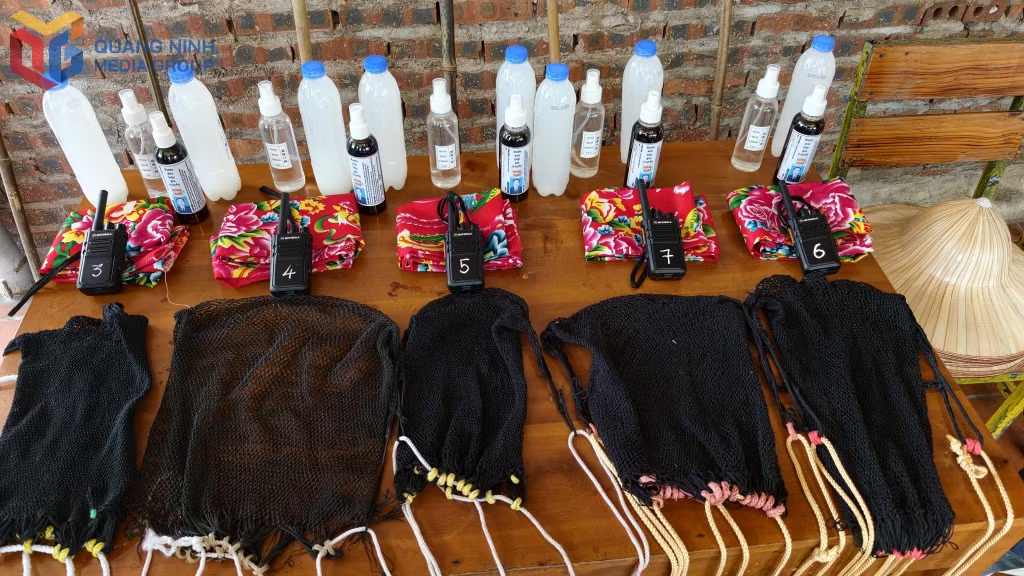
Preparation for the trekking journey is organised carefully. In addition to familiar items such as bamboo walking sticks, personal bags and insect repellent spray, visitors are especially impressed by the “porridge water bottle,” a traditional Dao drink that helps restore energy during forest journeys. These small but meaningful details, rich in indigenous knowledge, are what make the experience distinctive.
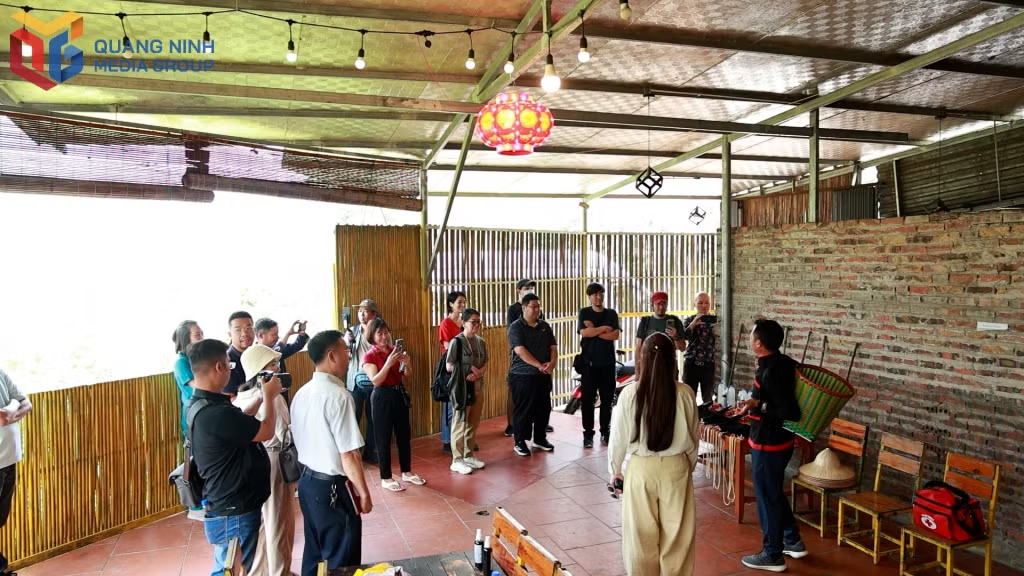
Chu Anh Tuan, a tour guide from HIS Song Han Travel Company, said: “What impressed me most during this journey was the harmony between people and the environment, reflected in the way local residents use natural ingredients to prepare food and drinks. It is a surprising experience because visitors do not simply walk and look around, but also gain a deeper understanding of indigenous culture.”
After the trekking journey, visitors return to Huong Hoi Que traditional earthen homestay, where they join local residents in preparing local dishes such as stir-fried “pho”, wild bamboo shoots, braised local pork with ginger, free-range chicken and stream fish. With guidance from Japanese culinary experts, the dishes have been adjusted in presentation and arrangement to better meet the expectations of different groups of visitors.
According to Japanese culinary expert Hasuike Yoko, Dao ethnic cuisine contains many elements well suited Japanese tastes, such as fresh ingredients, simple preparation methods and the preservation of natural flavours.
The combination of “indigenous culture” and “international standards” has helped the ancient tea forest trekking tour and the experience of living alongside Dao ethnic residents become a tourism product with depth and distinction.
By Dao Linh