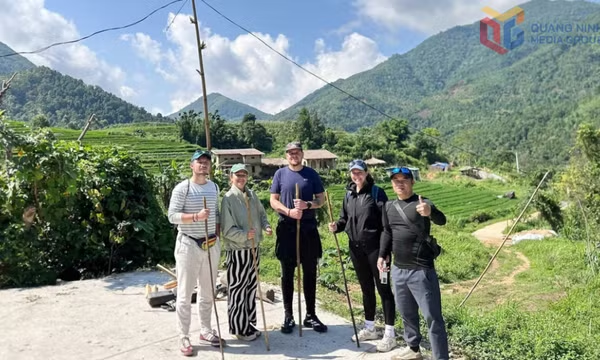
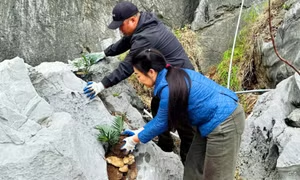
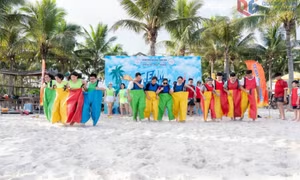
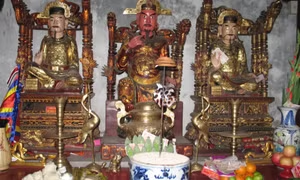
Hai Son commune lies at the intersection of mountainous landscapes, rich ethnic minority culture, and a 12km-long border corridor. It possesses all the essential resources to develop experiential tourism linked with cultural preservation and livelihood improvement for local communities.
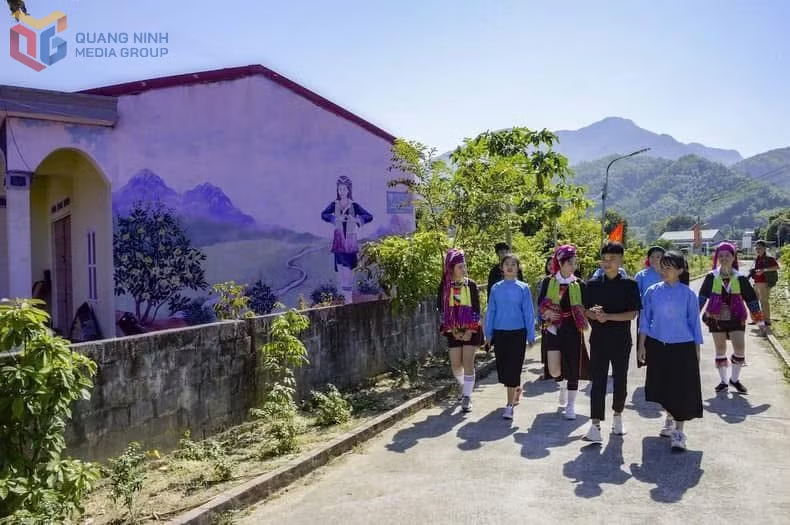
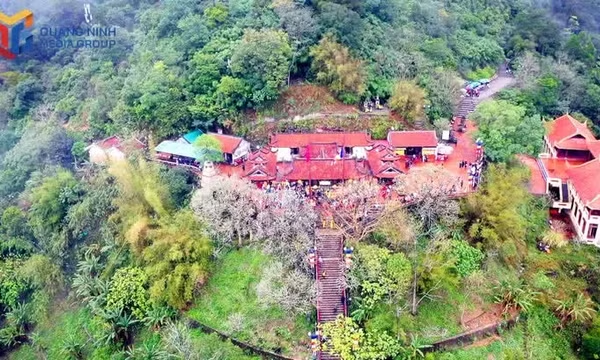
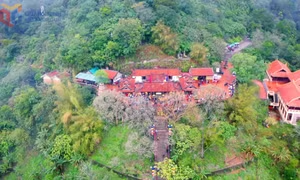
Blessed with beautiful natural landscapes including forests, valleys, small streams, the Po Hen - Than San border trading gate, and local historical sites, Hai Son is an appealing destination for travelers seeking “slow tourism” and community life experiences.
These elements enable the development of short cultural-immersion tours including village walks, seasonal agricultural activities, traditional craft workshops (weaving, embroidery), ethnic cuisine at homestays, and performances of folk arts.
Hai Son is home to more than 700 households and over 3,600 residents, over 90% of whom belong to ethnic minority groups.
“Developing community-based tourism in connection with new rural development is a priority for Hai Son today. We focus on leveraging our natural landscape and ethnic cultural strengths, while applying technology in agriculture and forestry to improve livelihoods”, said Vice Chairman of Hai Son Commune People’s Committee, Le Van Hung.
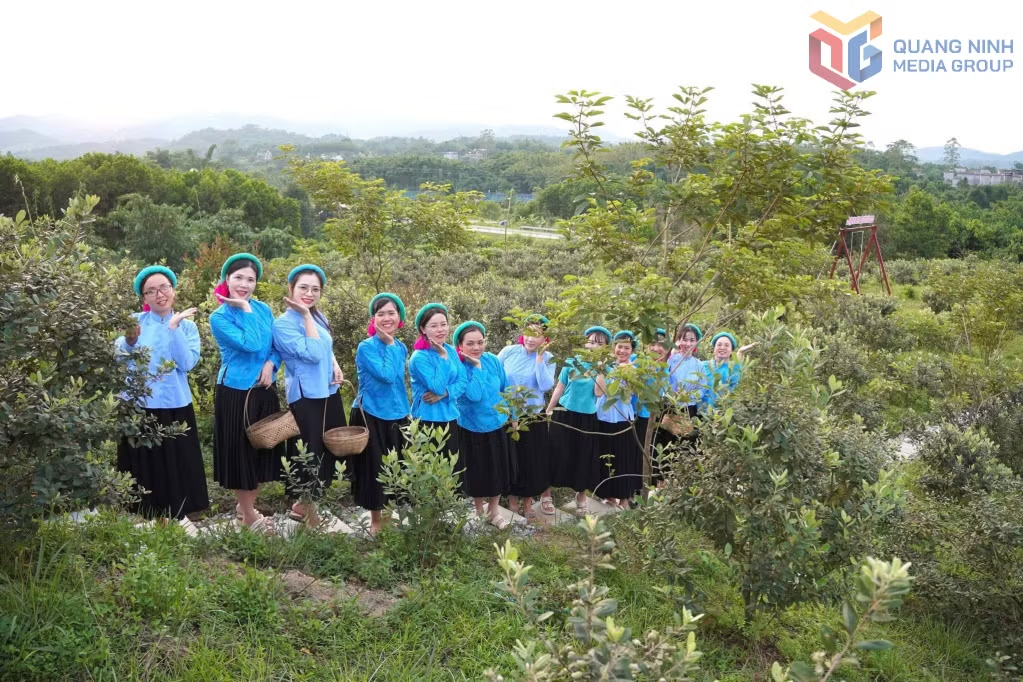
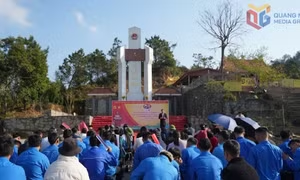
In line with this orientation, Hai Son has been developing several tourist attractions, such as the Dao Thanh Y Cultural Village, Ma Thau Son Mountain, and the 72-Gian Waterfall. Among them, the “Blooming Sim flowers on the border” festival has emerged as a signature tourism product, drawing visitors with cultural activities and traditional cuisine including grilled stream fish, black Muscovy duck, purple sticky rice cakes, and sim wine.
Po Hen village is a highlight of any journey to Hai Son’s borderlands. The village has 160 households, 78% Dao ethnic minority, and has been selected as a pilot community cultural tourism village.
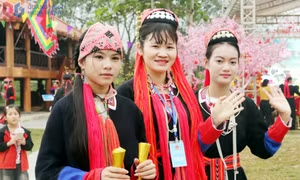
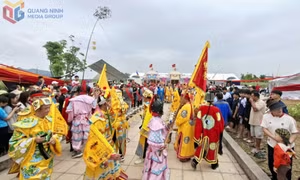
In order to promote sustainable tourism, the commune preserves traditional rituals of the Dao and San Chi people, such as the Cap Sac (maturity ceremony), the harvest prayer festival, the field-opening festival, and village festivals. Residents help beautify the landscape, create photogenic check-in areas, and host experiential activities like brocade weaving and ethnic cooking.