With a clear development orientation, Duong Hoa Commune is gradually turning its potential into advantages, aiming to become an attractive new tourism destination in Quang Ninh.
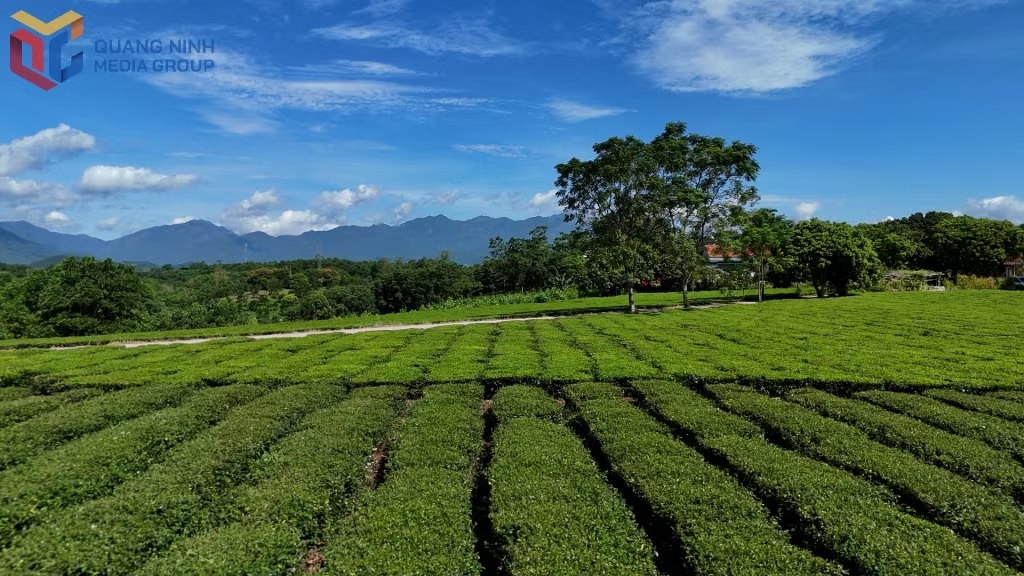
In mid-June, the Duong Hoa Commune People's Committee conducted a field survey of an experiential tourism route and assessed a cluster of ancient tea trees in Ly Quang Village as part of efforts to prepare a dossier seeking recognition of the trees as Vietnam Heritage Trees. The survey identified three ancient tea trees estimated to be between 250 and 300 years old, growing at elevations ranging from 900m to more than 1,000m above sea level. These trees are not only valuable genetic resources contributing to biodiversity conservation but also evidence of the favourable natural conditions for tea cultivation in the area.
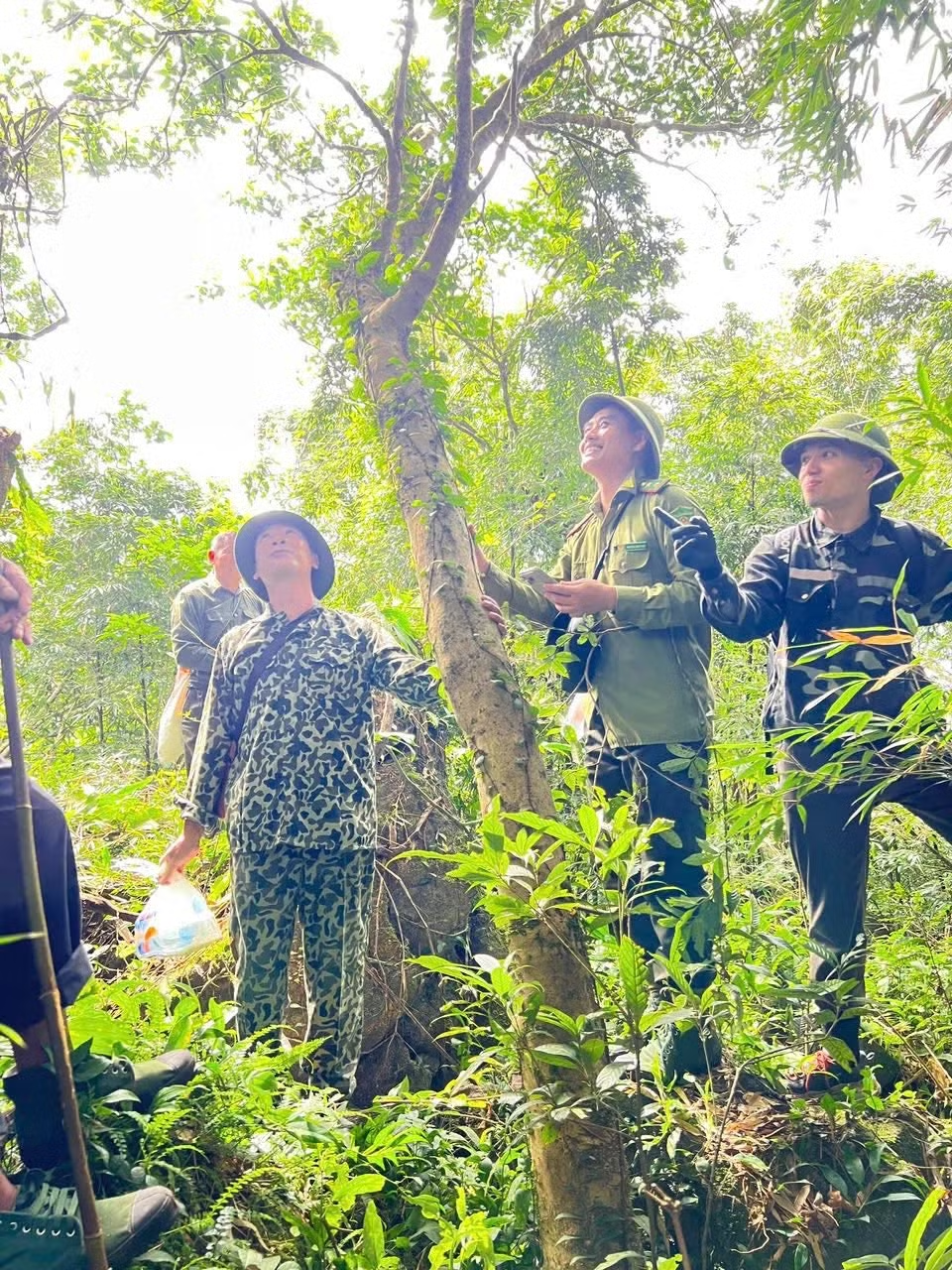
The discovery of the ancient tea tree cluster has also opened up opportunities to develop tourism products linked to tea culture, nature-based experiences and the ecosystem of the Quang Nam Chau Species and Habitat Conservation Area, which is home to a rich natural forest ecosystem with many endemic species. The survey team also explored Long Xi Waterfall within the conservation area. This pristine waterfall cascades from a height of around 50m. In addition to creating a striking natural landscape, Long Xi Waterfall offers strong potential for the development of nature exploration, trekking and eco-tourism experiences.
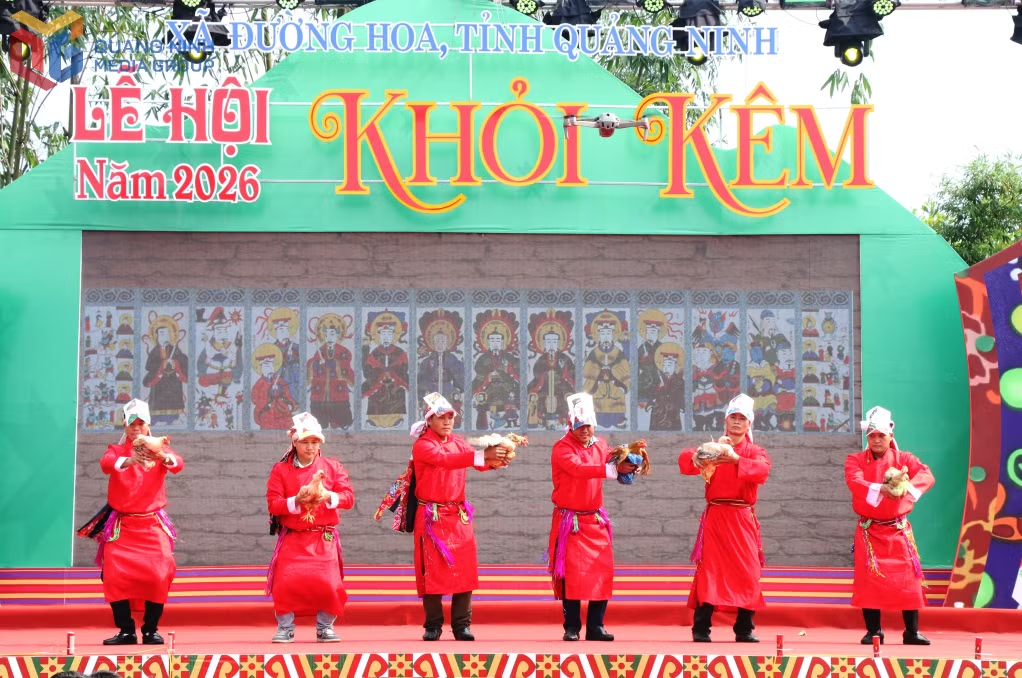
Earlier, in mid-April 2026, Duong Hoa Commune revived the Khoi Kem Festival and organised it on a large scale for the first time. More than a unique forest-opening ritual, the festival showcases many distinctive cultural values of the Dao ethnic community, including traditional dances, wedding customs, folk singing and community activities. The festival attracted more than 7,200 visitors and became one of the most notable ethnic cultural events in the eastern region of Quang Ninh in 2026.
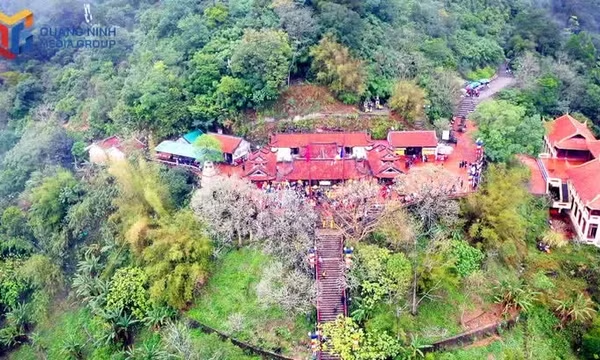
According to the Resolution of the First Party Congress of the Duong Hoa Commune for the 2025 - 2030 term, the commune has outlined a tourism development roadmap built around three key tourism spaces. Under the plan, the Quang Long tea-growing area along National Highway 18A will serve as a hub for tea culture tourism and experiential agricultural tourism. The northern area, associated with Dao cultural villages, Truc Bai Son Lake, Vay Cave and the border route, is planned for community-based and eco-tourism development. Meanwhile, the southern area, home to To Communal House, Duong Hoa Pagoda and traditional occupations, will focus on cultural, spiritual and fishing-community experience tourism.
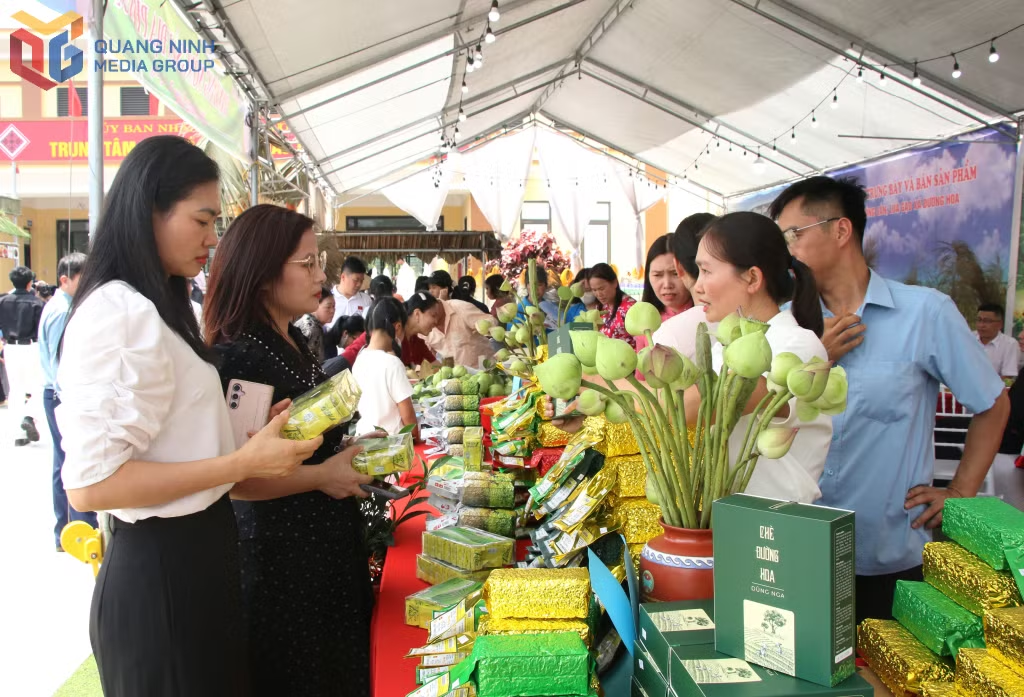
The development scheme proposes five key tourism models: a Dao ethnic community-based cultural tourism village in Mo Kiec Village; tea hill tourism associated with the Duong Hoa Tea Festival; vay Cave border tourism; eco-resort tourism around Truc Bai Son Lake; and cultural and spiritual tourism centred on To Communal House in connection with coastal village festivals.
To realise these goals, Duong Hoa plans to mobilise more than VND35 billion from state budget allocations, businesses and local communities. The commune will also implement measures to upgrade transport infrastructure, develop a digital tourism map, introduce QR-code-based interpretation systems, train local tourism workforce and support residents in developing homestays and OCOP products serving the tourism sector.
By Hoang Lam