Cai Lan International Container Terminal (CICT) is expanding its use of digital technology and modern cargo-handling equipment to improve productivity, shorten vessel turnaround times, reduce cargo losses and strengthen its competitiveness in port operations.
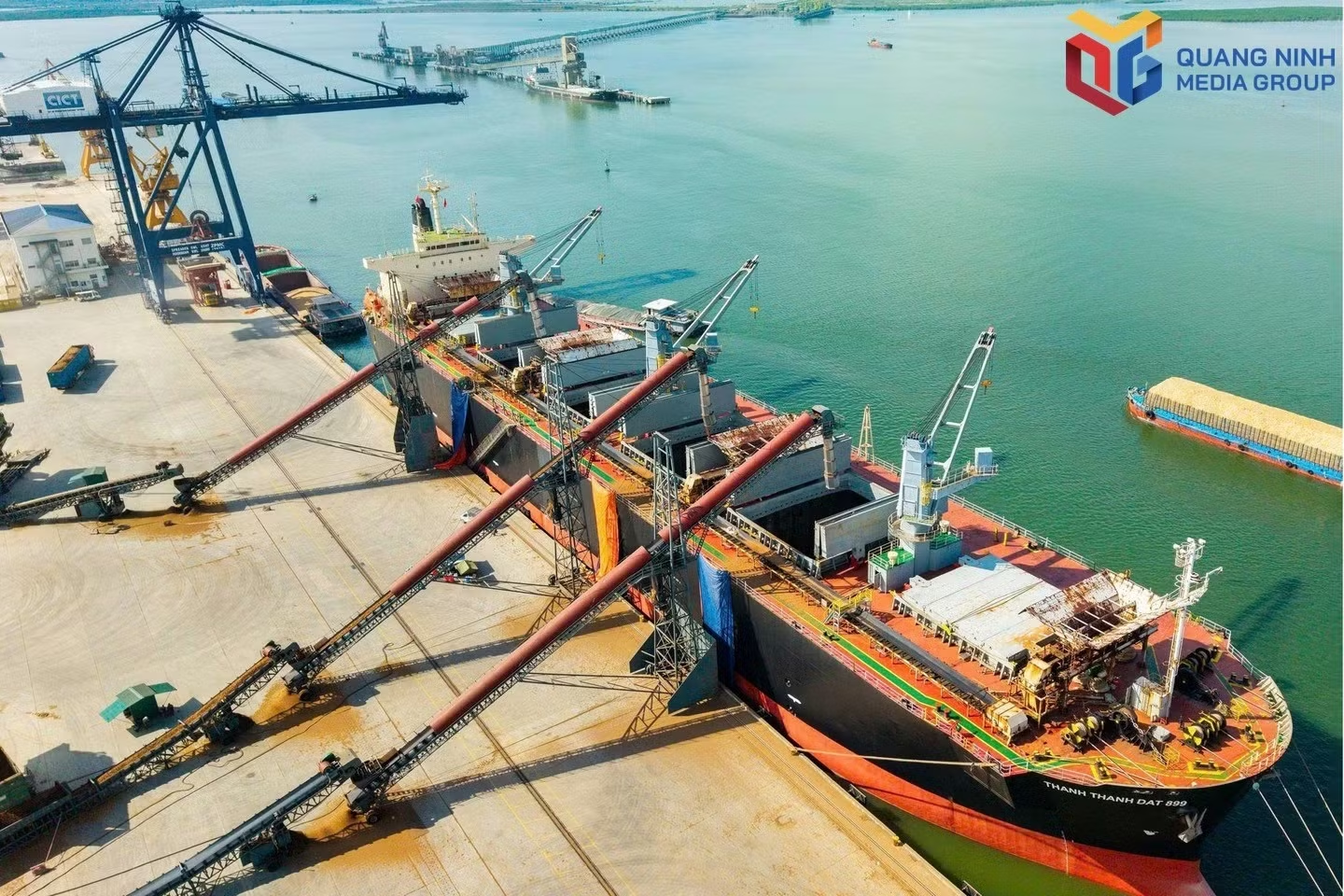
CICT handled nearly 5.5 million metric tons of bulk cargo in the first 10 months of 2026, mainly agricultural products, wood chips and wood pellets. These high-volume commodities require careful handling, storage and transportation.
With growing pressure to improve efficiency and meet customer demands, the terminal has made technological upgrades and operational improvements key priorities.
Improving cargo-handling efficiency
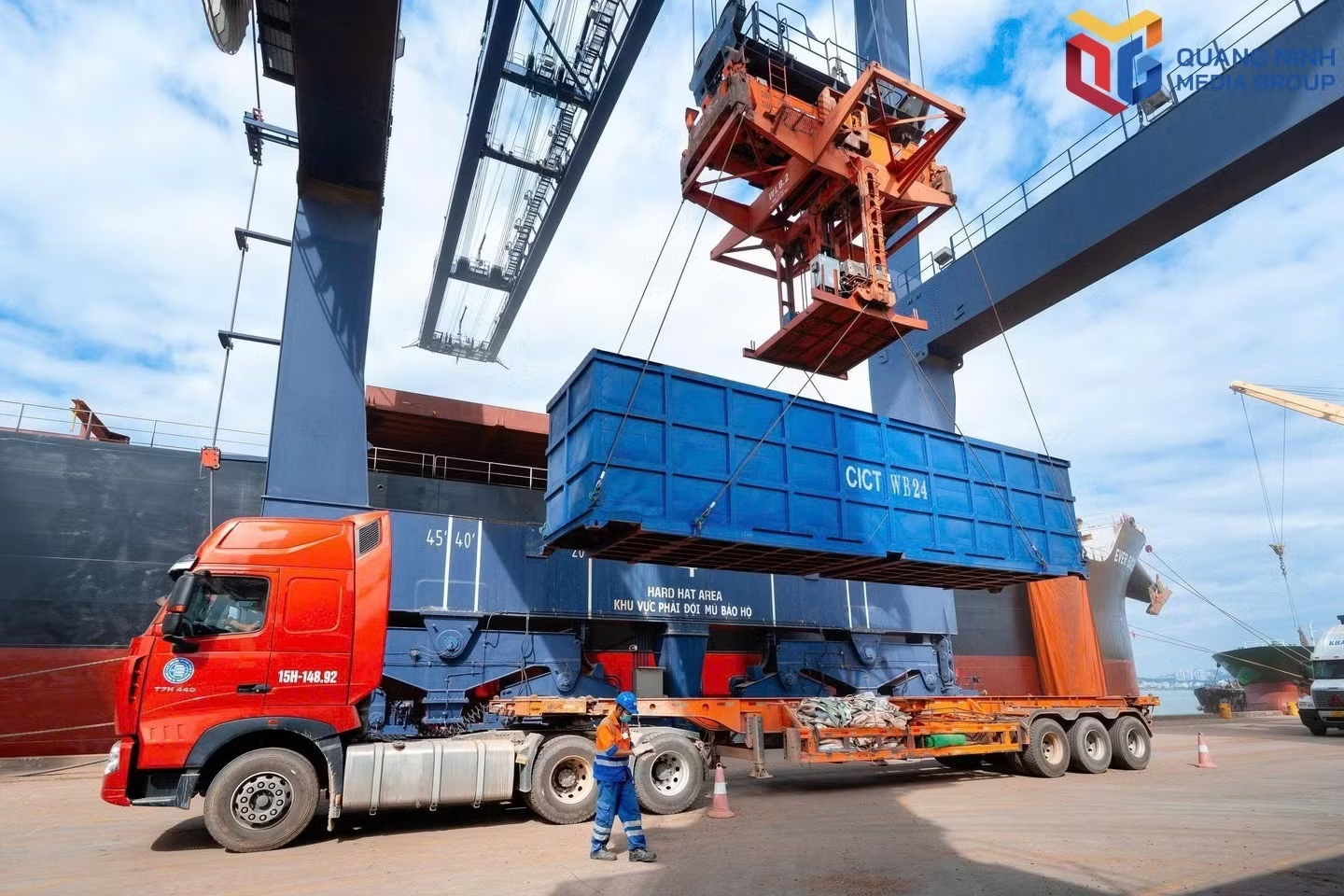
CICT has continued to upgrade its equipment and expand its capacity to handle larger vessels. The terminal operates Panamax ship-to-shore (STS) cranes, electric rubber-tired gantry (ERTG) cranes, forklifts, terminal tractors and other specialized cargo-handling equipment.
With a water depth of approximately 13 meters alongside its berths, the terminal can accommodate large vessels serving import and export operations.
CICT has also adjusted its operations to meet the specific requirements of different cargo types. For agricultural products, wood chips and wood pellets, the terminal organizes storage areas, equipment and workers according to individual handling plans.
Improved yard layouts and traffic arrangements help trucks move more efficiently through the terminal, reducing waiting times during cargo deliveries and collection.
The combination of upgraded equipment and more efficient operating procedures has increased handling productivity for wood chips and agricultural products by about 10%, helping shorten cargo operations and improve equipment utilization.
Cargo loss prevention is another priority. CICT uses electronic weighing systems linked to its data management platform to record incoming and outgoing cargo volumes.
Multiple layers of cargo checks, supported by scanning equipment and reconciliation software, help staff identify discrepancies between actual shipments and recorded data.
A 24-hour closed-circuit television (CCTV) surveillance system, together with security personnel, helps protect cargo in storage and handling areas.
Digital systems streamline port management
CICT is expanding its use of information technology to improve operational management and customer services.
The terminal has upgraded its web portal, allowing customers to check shipment information, vessel schedules and invoices, as well as complete certain procedures online.
Digitizing these services reduces processing times, limits paperwork and improves transparency and convenience for port users.
CICT has also installed 4G-connected cameras at remote operating locations, allowing managers to monitor activities in real time and respond quickly to problems.
For weighing stations without internet access, the terminal has developed a solution to synchronize data with its central management system, ensuring timely and accurate updates on cargo weights.
One of the most significant improvements is the introduction of tablets connected directly to the STOS system at cargo-handling sites.
Instead of relying on multiple manual reporting and data-entry procedures, employees can now check and verify cargo information directly in a vessel's hold.
The system helps reduce processing times and minimize errors during loading and unloading operations.
Real-time cargo volume reports also allow terminal managers and customers to monitor progress, coordinate vehicles and plan cargo deliveries more effectively.
AI supports smarter port operations
CICT is introducing artificial intelligence to recognize truck license plates, helping automate vehicle entry and exit controls.
The technology reduces the workload for staff at checkpoints while improving accuracy and operational safety.
The initiative is part of CICT's efforts to develop a smart port model in which connected data systems support more efficient management and decision-making.
Beyond increasing cargo-handling productivity, CICT's technological improvements are helping streamline the entire port service chain, from cargo reception and storage to inventory checks, delivery and transportation.
These upgrades are expected to improve service quality and strengthen the terminal's ability to handle large shipments and meet tight delivery schedules for importers and exporters.