Quang Ninh is exploring opportunities to develop a low-altitude economy, using aviation technology to support maritime industries, tourism, logistics, environmental protection and other key sectors.
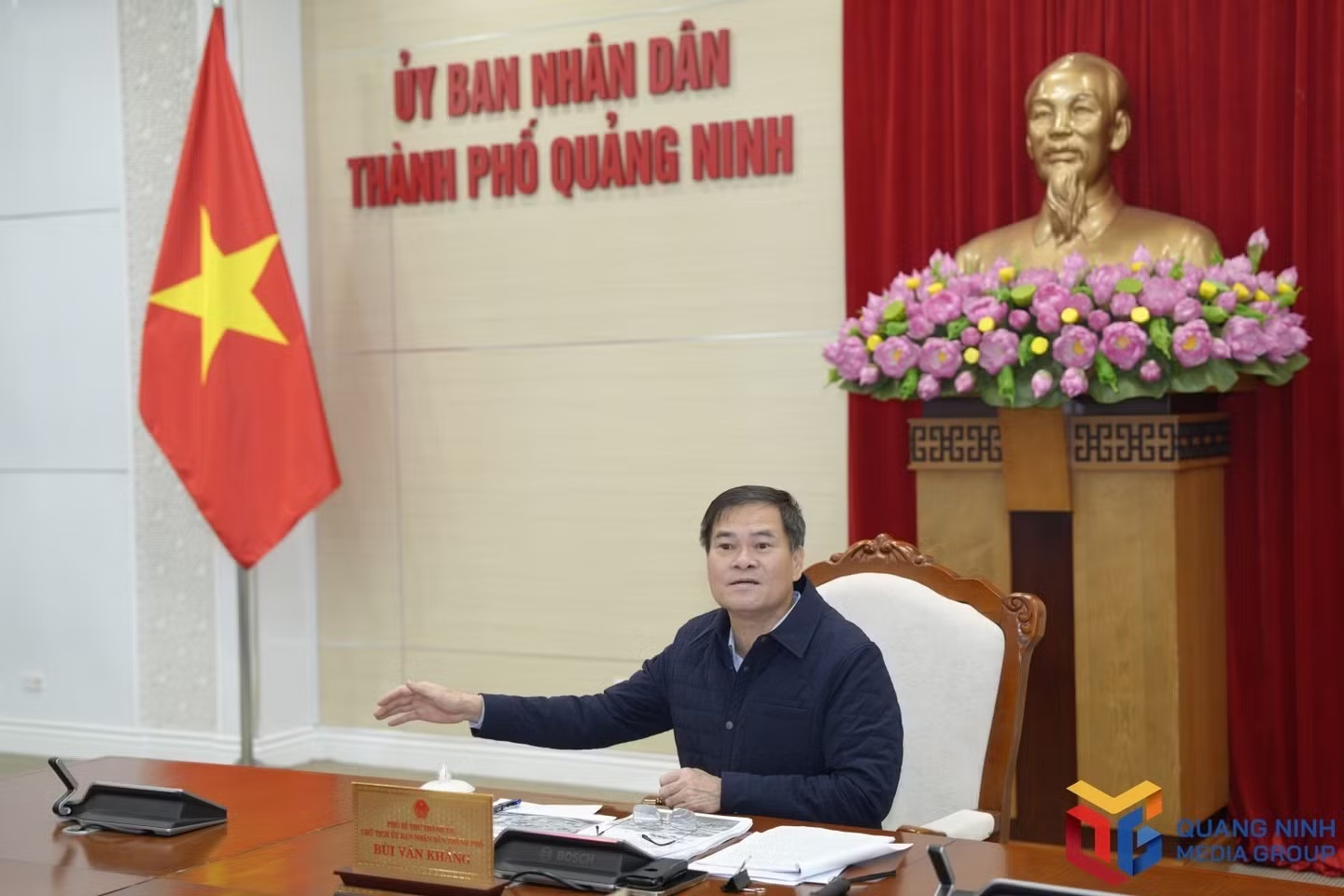
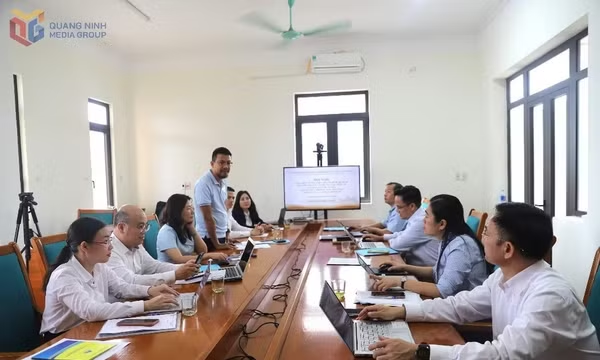
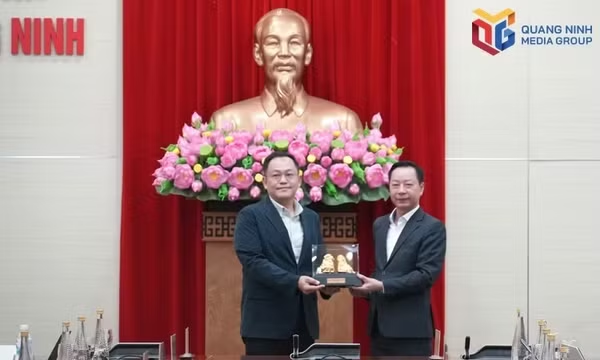
On November 19, Mr. Bui Van Khang, Deputy Secretary of the Quang Ninh City Party Committee and Chairman of the municipal People's Committee, met with representatives of Avitra Company and the Low-Altitude Economy Institute to discuss proposals for applying aviation science and technology to the city's economic and social development.
At the meeting, Avitra representatives presented an initial assessment of Quang Ninh's potential and current conditions, along with preliminary plans for developing a low-altitude economy.
The proposals focus on using drones and other low-altitude aircraft to support the city's strengths in maritime industries, tourism, manufacturing, seaports and logistics.
Potential applications include transporting goods, supporting logistics services and monitoring operations at ports, industrial facilities and mining sites.
Drones could also help detect pollution, provide early warnings of forest fires and natural disasters, support search-and-rescue operations and improve urban management and public services.
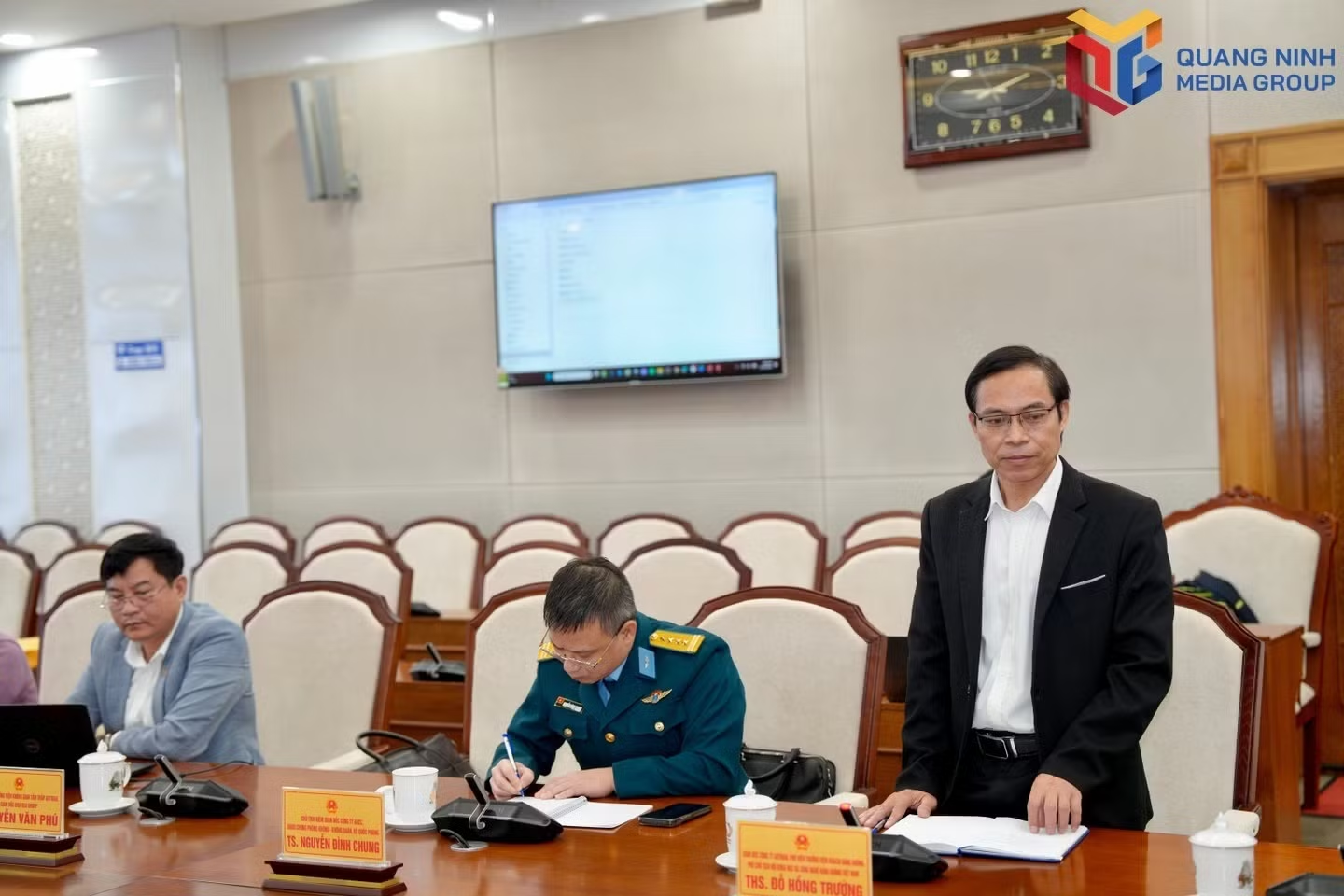
The company also outlined infrastructure requirements, including takeoff and landing sites, parking areas, charging stations, data systems and flight management facilities.
Other proposals involve developing skilled workers, supporting businesses and building a network of related services.
The use of low-altitude airspace would need to comply with regulations on airspace management, aviation safety, national defense and security.
Speaking at the meeting, Mr. Bui Van Khang said the low-altitude economy is an emerging sector that could create new opportunities for economic growth, in line with Quang Ninh's goal of becoming a modern, smart, green and sustainable city.
He asked Avitra to work closely with municipal departments and local authorities to conduct further surveys and assess the potential and practical needs of different areas and industries.
The chairman emphasized that development plans must align with the city's existing planning framework and avoid conflicts between different services.
He also called for further research into specific models and proposals for central government approval to pilot a low-altitude economy development center. The city will also explore opportunities to attract investment in manufacturing specialized equipment for the sector.

According to the chairman, development should follow a comprehensive but focused approach, giving priority to projects with clear practical demand, feasibility and economic and social benefits.
Potential pilot applications include drone-based logistics and transport, environmental monitoring, urban management, maritime operations and emergency response.
He also stressed the need to assess infrastructure, technology, investment resources, management mechanisms and opportunities for business participation, while strengthening coordination with aviation authorities.
Environmental protection, natural landscapes, cultural heritage and community interests must be considered throughout the research and development process, he said.
The city should also make effective use of existing infrastructure and resources, avoiding scattered or unnecessary investment.
Based on the survey results, Avitra and relevant agencies will develop a detailed implementation roadmap, with clearly defined tasks and responsibilities.
The research is expected to provide a practical foundation for Quang Ninh to gradually develop low-altitude aviation services, create new economic opportunities and support sustainable growth.