More than a decade after launching its One Commune One Product (OCOP) program, Quang Ninh is shifting its focus toward higher-quality products, sustainable production and stronger market connections, using local agricultural resources and cultural heritage to support rural economic growth.
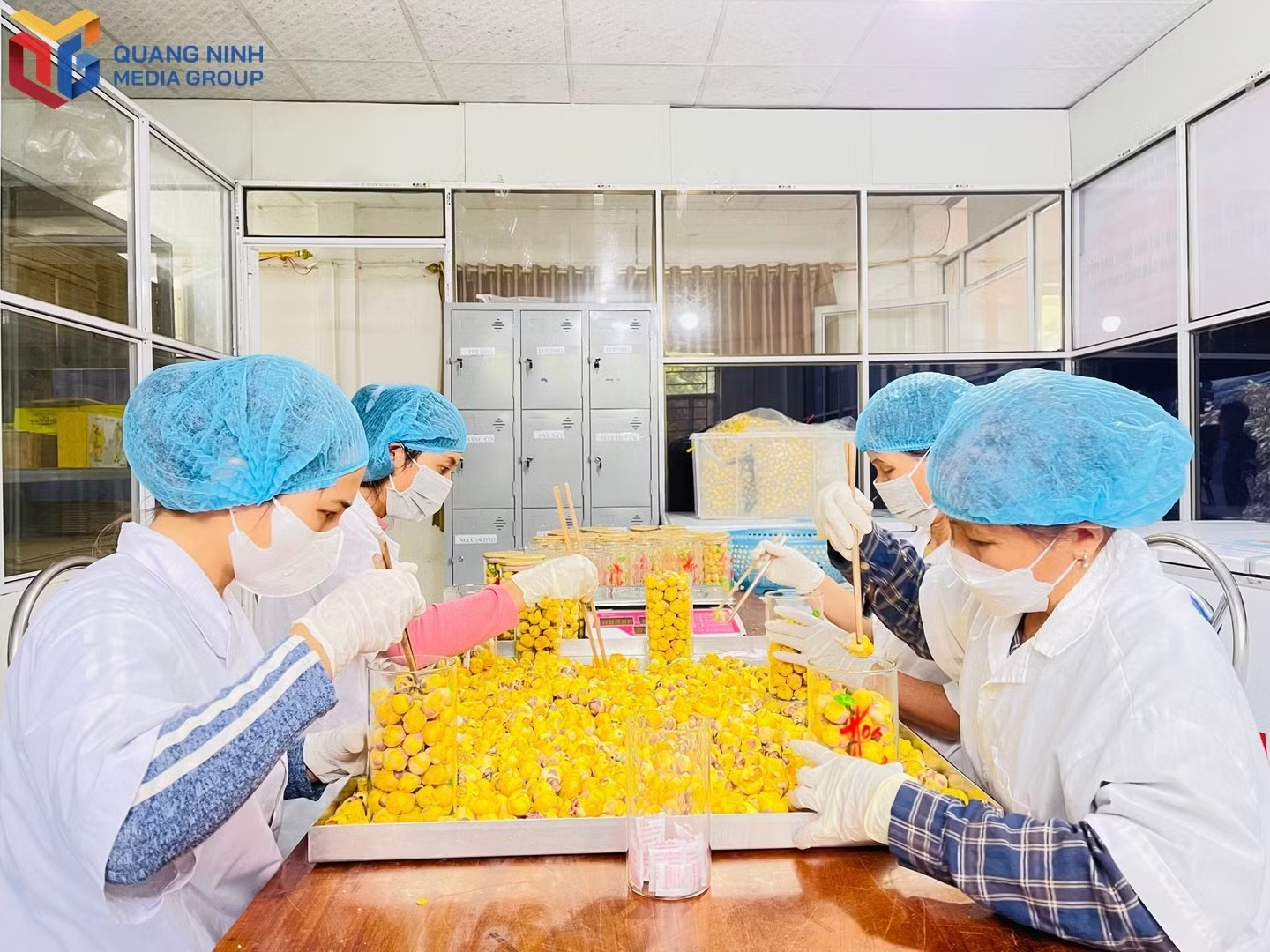
The city is working to improve production standards, strengthen supply chains and expand market access while helping businesses, cooperatives and farming households turn distinctive local products into competitive brands.
The approach reflects Quang Ninh's broader efforts to develop a sustainable rural economy that creates jobs, raises household incomes and protects the natural and cultural resources on which local communities depend.
Turning local resources into economic opportunities
Ky Thuong commune, known for its forest resources and agricultural potential, is among the localities seeking to build stronger OCOP products around its natural advantages.
The commune has developed an OCOP plan for 2026-2030, focusing on products with market potential and encouraging cooperatives, producer groups and farming households to take part.
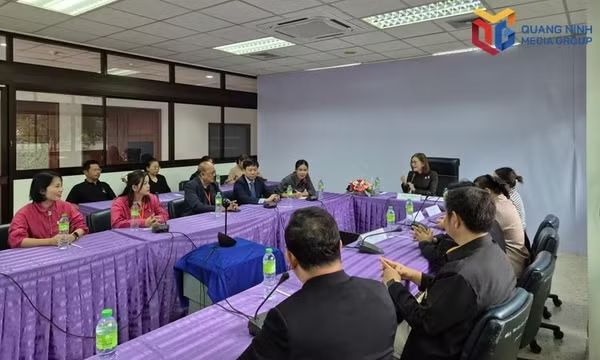
Local authorities recently met with Am Vap Farm Joint Stock Company to discuss proposals for developing OCOP products from locally available resources.
The company proposed exploring partnerships to purchase and market bamboo shoots and apricots harvested by local residents in compliance with forestry regulations.
It also outlined plans to invest in processing equipment, improve food safety standards, establish product traceability systems and develop recognizable brands.
Khieu Anh Tu, deputy secretary of the commune Party Committee and chairman of the Ky Thuong People's Committee, said local authorities encourage businesses to explore investment and production opportunities that match the area's strengths.
The goal is to make better use of local resources, increase the value of agricultural products and create more jobs and income for residents.
The initiative illustrates how stronger links between producers and businesses can help rural communities move beyond selling raw materials toward processed products with greater commercial value.
Raising standards and strengthening traceability
Across Quang Ninh, the OCOP program has increasingly focused on product quality, reliable supplies and stronger management.
During 2021-2025, the city improved its policy framework and management arrangements, assigning personnel in every locality to oversee the program.
Training, technical advice and guidance on product development, assessment and classification have also expanded.
Quang Ninh has strengthened the development of designated production areas to improve quality control and ensure more stable supplies.
The city has currently had 322.35 hectares certified under VietGAP, Vietnam's Good Agricultural Practices standards, and more than 460 hectares certified for organic production.
It has also established 33 registered growing-area codes covering more than 800 hectares, along with 10 registered packing facilities serving export markets.
These measures are intended to improve product safety, support traceability and help local producers meet increasingly demanding market requirements.
Digital technology has become another important part of the program. Nearly all OCOP products now carry QR codes on their packaging, allowing consumers to access product information.
About 70% of products rated three stars or higher have registered and received intellectual property protection.
Quang Ninh is also encouraging producers to improve packaging, labeling and branding while using digital platforms to promote and sell their products.
More than 350 products hold valid OCOP ratings
Quang Ninh has recorded 451 OCOP products that have received ratings of three stars or higher since the program began.
As of August 31, 2026, 358 products held valid certifications, including 263 three-star products, 79 four-star products and 16 five-star products.
The certified products came from 139 producers, including 45 businesses, 45 cooperatives and 49 households or other production and trading establishments.
The OCOP rating system evaluates products against criteria such as quality, production capacity, market potential and community value. Higher ratings indicate stronger performance against the program's standards.
In order to maintain quality and consumer confidence, Quang Ninh is reviewing products whose certifications are due to expire.
In 2026, 86 products are scheduled for reassessment. More than 50 applications for reassessment and nearly 40 applications for first-time evaluation have been submitted for the second assessment round, expected in late November.
Trade fairs, product exhibitions, cultural events and tourism activities have also become important channels for introducing OCOP products to consumers.
At the "Quang Ninh Autumn Colors 2026" OCOP Fair and Regional Specialties Exhibition, visitors had opportunities to discover local products, including Binh Lieu glass noodles, a specialty associated with the city's mountainous communities.

Linking local products with tourism and the green economy
Despite progress, Quang Ninh's OCOP program continues to face challenges. Some producers have struggled to maintain consistent quality or complete reassessment procedures when certifications expire. Intellectual property registration and packaging standards also vary among producers.
Community-based and ecotourism products remain limited, while connections between OCOP producers, travel companies, accommodation providers and tourist destinations are not yet sufficiently stable.
Addressing these gaps is a priority as Quang Ninh seeks to build a more sustainable and diversified rural economy.
The city's natural landscapes, agricultural resources, traditional crafts and ethnic minority cultures provide opportunities to connect local products with tourism experiences.
In mountainous communities, products such as bamboo shoots, herbal teas, traditional foods and handicrafts can become part of visitor experiences that introduce the area's agricultural traditions and cultural identity.
Stronger partnerships with hotels, restaurants, tourism operators and local attractions could also help producers reach new customers and increase sales.
Such connections would allow visitors to discover the stories behind local products while creating additional income opportunities for the communities that make them.
The approach also supports heritage-based tourism by linking traditional production methods and local knowledge with economic activities that encourage their preservation.
Sustainable growth through 2030
For 2026-2030, Quang Ninh plans to develop the OCOP program with a greater emphasis on product quality, sustainable raw material supplies and market demand.
The city will continue to support key agricultural production areas and improve infrastructure, particularly in mountainous and ethnic minority communities.
It also plans to expand production under VietGAP, GlobalGAP and organic standards while strengthening growing-area registration, aquaculture-area management and product traceability.
Other priorities include improving packaging, expanding processing capacity and helping producers use science, technology and digital tools to increase productivity and product value.
Quang Ninh will encourage innovative startups and help producers upgrade three- and four-star products to higher OCOP ratings.
A central part of the strategy is to connect OCOP development more closely with rural tourism, cultural heritage and the green economy.
For Quang Ninh, this means building economic value around the strengths of each locality while encouraging responsible resource use and preserving traditional knowledge.
The shift from expanding product numbers to improving quality and market value could help rural producers become more competitive and better positioned for long-term growth.
By connecting sustainable agriculture, local businesses and tourism, Quang Ninh aims to ensure that OCOP products do more than generate sales. They can also represent the identity, heritage and economic potential of the communities where they originate.