Becoming a city has opened up new development opportunities for Quang Ninh while placing higher demands on its external relations. Building on its established partnerships, Quang Ninh is proactively expanding international connections, diversifying its partners and areas of cooperation, and mobilising external resources to support the city's dynamic and modern development and deepen its international integration.
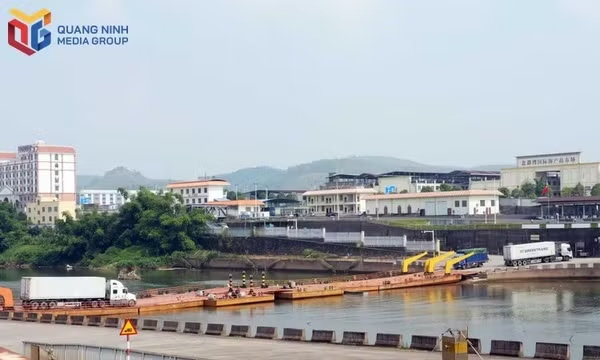
Quang Ninh holds a strategic position in Viet Nam's external relations landscape. Sharing land and maritime borders with China, and benefiting from a network of border gates, seaports and an international airport, as well as its location along key trade corridors, the city enjoys significant advantages in connecting with China, ASEAN and Northeast Asia. Given these advantages, Quang Ninh's external relations are aimed not only at expanding partnerships and promoting international integration, but also at safeguarding national sovereignty, maintaining border security and mobilising resources for development.
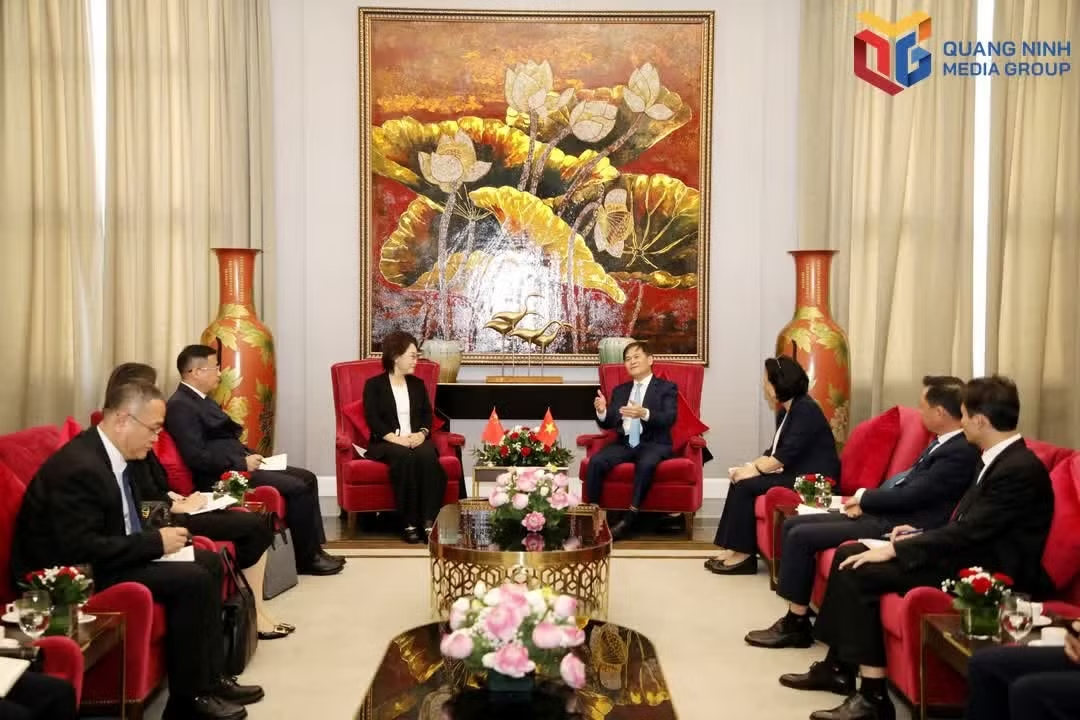
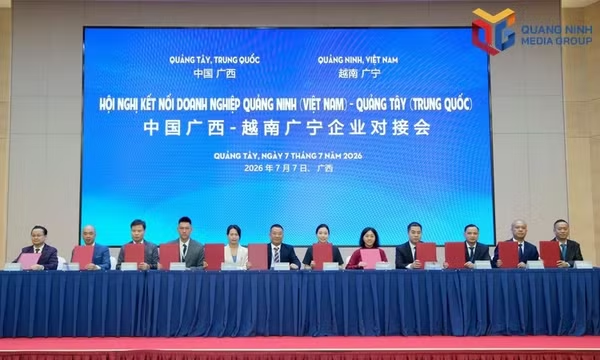
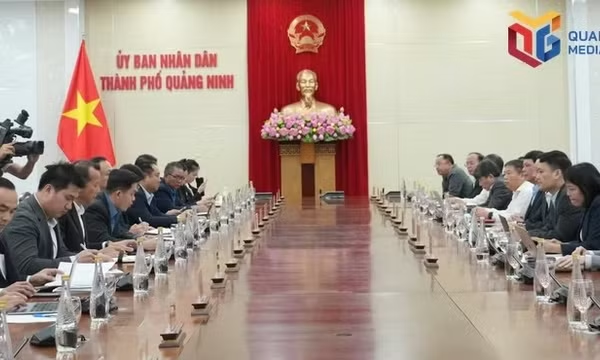
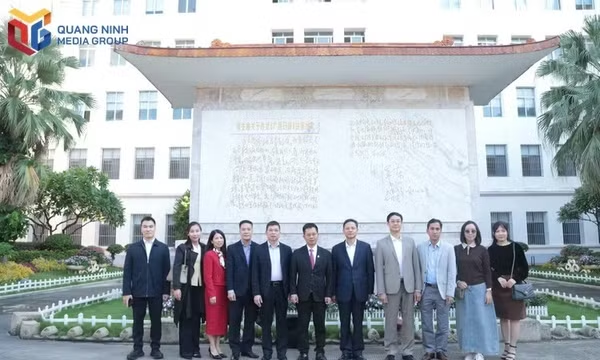
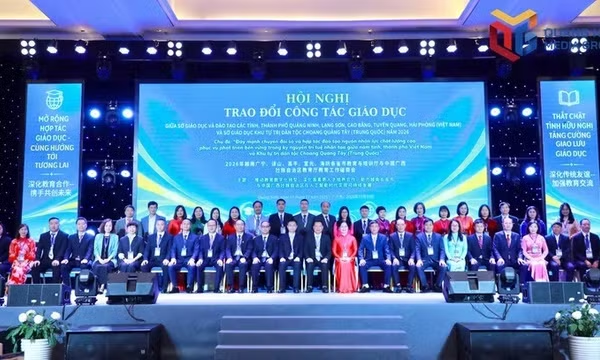
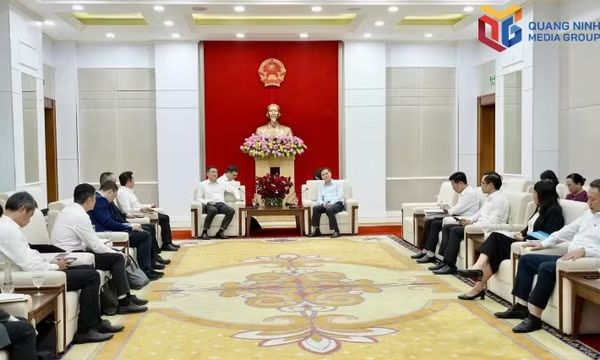
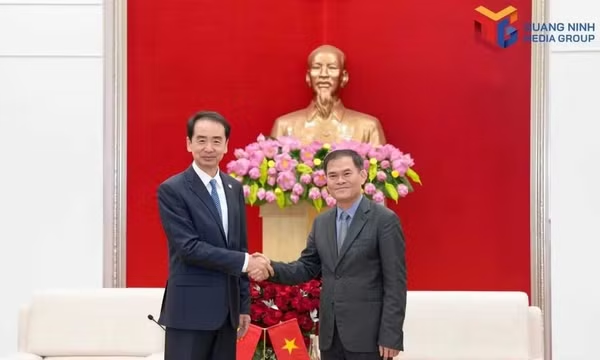
Cooperation with the Guangxi Zhuang Autonomous Region of China remains a key highlight. Through mechanisms such as the annual Spring Meeting between secretaries of provincial-and city-level Party committees in Viet Nam's northern border region and the Secretary of the Guangxi Party Committee, the Joint Working Committee, and exchanges among socio-political organisations, a network of cooperation has been maintained from the provincial level down to the grassroots.
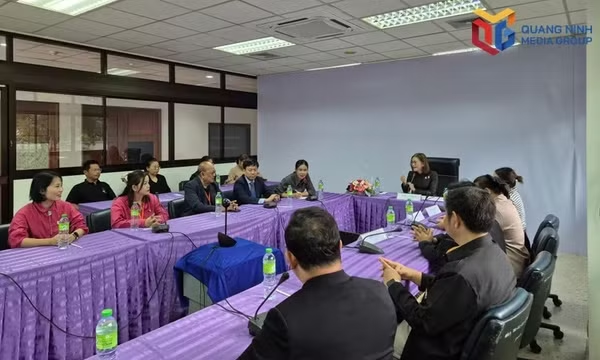
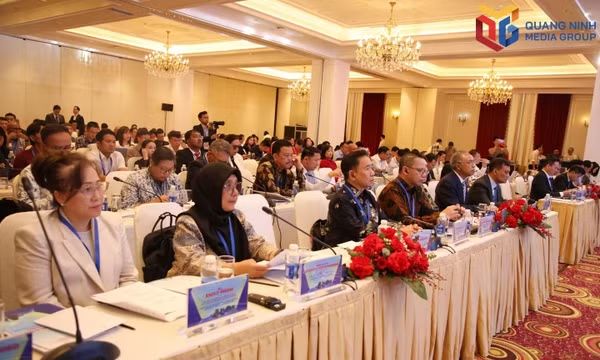
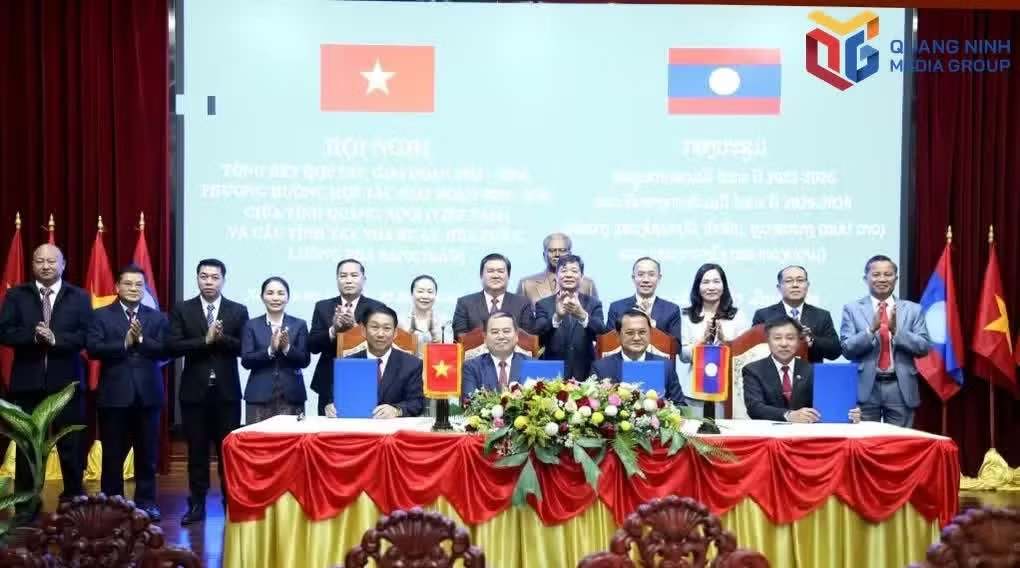
Beyond its border areas, Quang Ninh is also proactively expanding ties with partners across the region and around the world. Cooperation with the three northern Lao provinces of Houaphanh, Luang Prabang and Xayabury continues to focus on education, training and development assistance. During the 2021-2025 period, Quang Ninh awarded 487 university scholarships to Lao students, with total funding of nearly VND 148 billion. As of the end of 2025, 430 Lao students were studying in Quang Ninh.
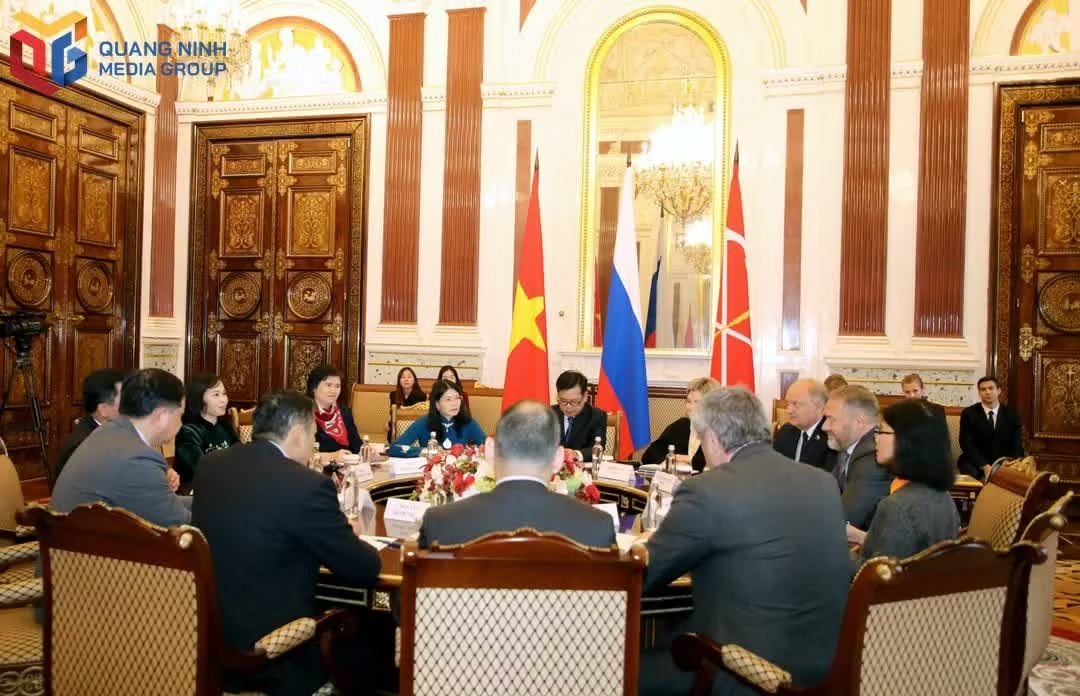
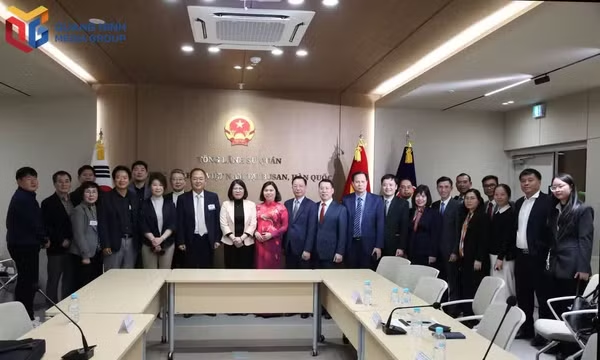
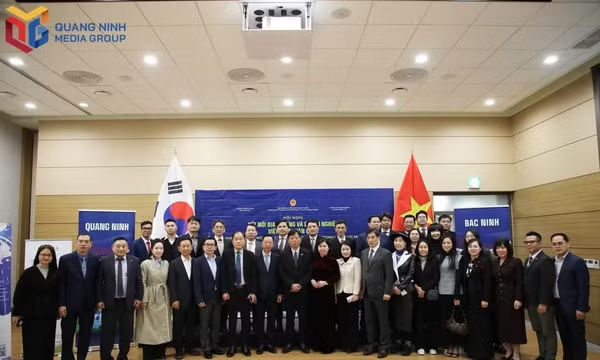
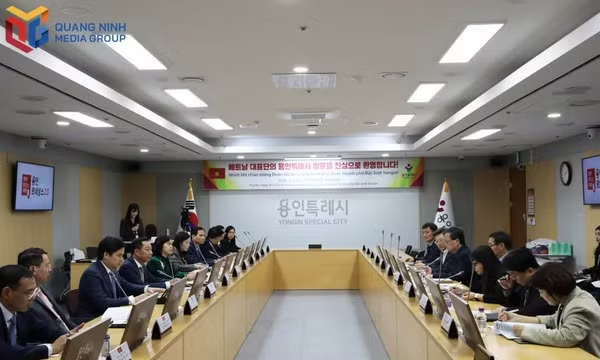
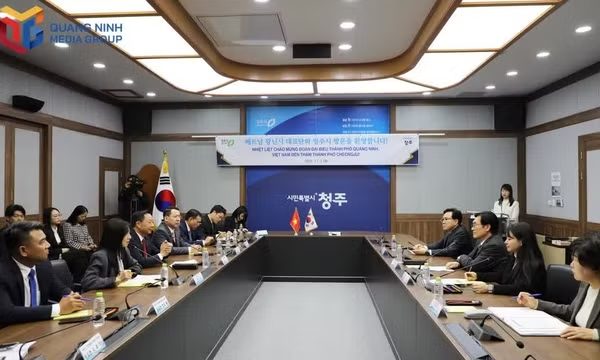
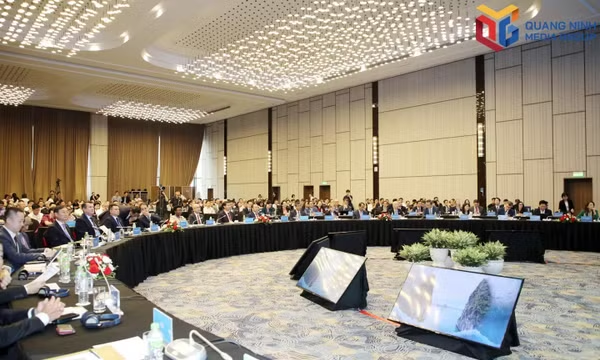
Cooperation with Japan has gradually deepened, focusing on the economy, environment, investment and culture. Quang Ninh has signed a cooperation agreement with Hokkaido Prefecture and strengthened ties with Shiga Prefecture. In 2025, Quang Ninh, in coordination with the Ministry of Foreign Affairs and the Embassy of Japan, organised the Viet Nam-Japan Local Cooperation Forum, which attracted nearly 700 delegates. The city's external relations have also continued to expand with South Korea, European partners and numerous other localities and countries.
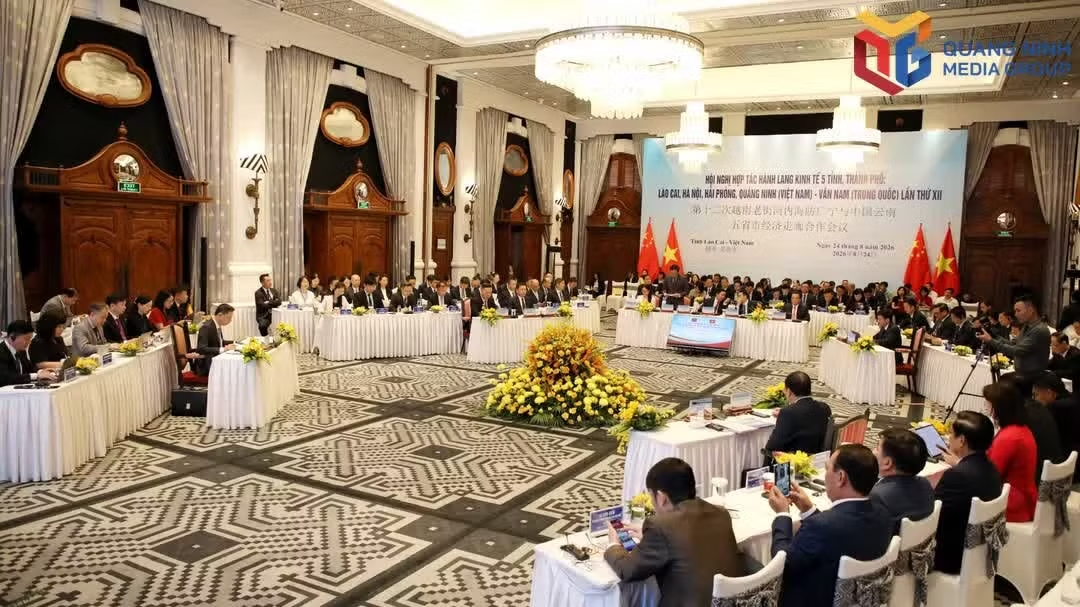
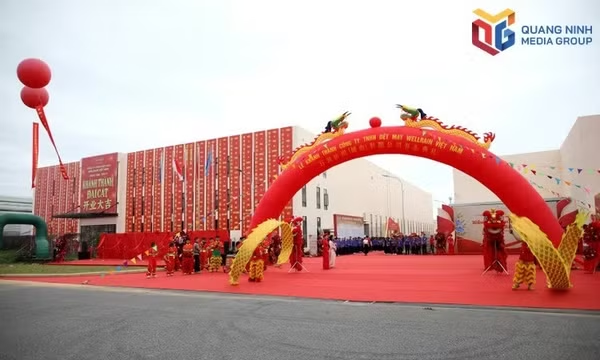
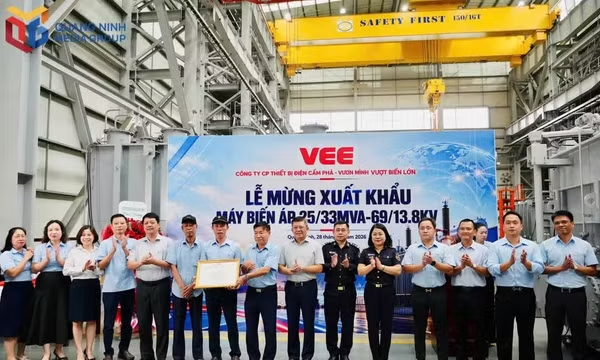
The Politburo's Resolution No. 59-NQ/TW, dated January 24, 2025, on international integration in the new situation, calls for more effective international integration and closer alignment of external relations activities with the practical interests of the country, its people and businesses. In Quang Ninh, these efforts are reflected in tangible results in investment attraction, trade and tourism. By the end of 2025, Quang Ninh had 235 active foreign direct investment (FDI) projects, with total registered capital exceeding 17.3 billion USD. Investors in Quang Ninh come from a wide range of countries and territories, including China, Japan, the Netherlands, Singapore, the UAE, the UK, Indonesia, South Korea and Thailand.
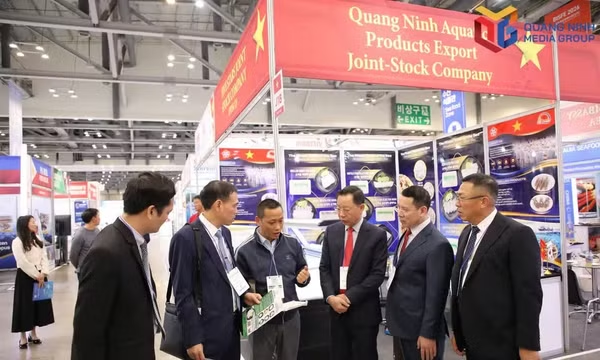
International trade has also recorded robust growth. The export value of Quang Ninh-based businesses increased from 2.049 billion USD in 2021 to 4.112 billion USD in 2025, while imports rose from 2.318 billion USD to 4.56 billion USD. International tourism has also recovered, with visitor numbers rising from 60,000 in 2021 to 4.5 million in 2025, alongside an expansion into new markets. In addition to the Chinese market, Quang Ninh is increasingly attracting visitors from South Korea, India, the United States, Japan, France, Australia, Germany, the UK and other countries.
The transition from a border province to a city has brought Quang Ninh new demands to deepen its international integration in line with its new status and development potential. The value of external relations lies not simply in the number of partnerships established or events held, but in the resources mobilised, projects implemented, markets expanded and tangible benefits delivered to local residents and businesses. This is also the path towards enabling Quang Ninh to participate more deeply in international economic, knowledge and cultural networks.
By Manh Truong