Each agricultural product is not merely the result of labour, but also a “messenger” carrying the story of the land, climate, production practices and daily life of local people. When these stories are told through authentic images, transparency at every stage of production and the reach of digital technology, local agricultural products gain a stronger voice, build consumer trust and open up opportunities to reach wider markets.
When local specialities gain a digital voice
On the Facebook page “Binh Lieu Arrowroot Vermicelli - A Borderland Speciality”, arrowroot vermicelli is introduced in simple, familiar language. Telling the story of the land associated with the product, posting videos of local people harvesting arrowroot and showing production facilities in operation are among the ways Binh Lieu Trading and Services Joint Stock Company in Luc Hon commune, Quang Ninh City, is enabling its agricultural products to tell their own story and affirm their value through local identity.
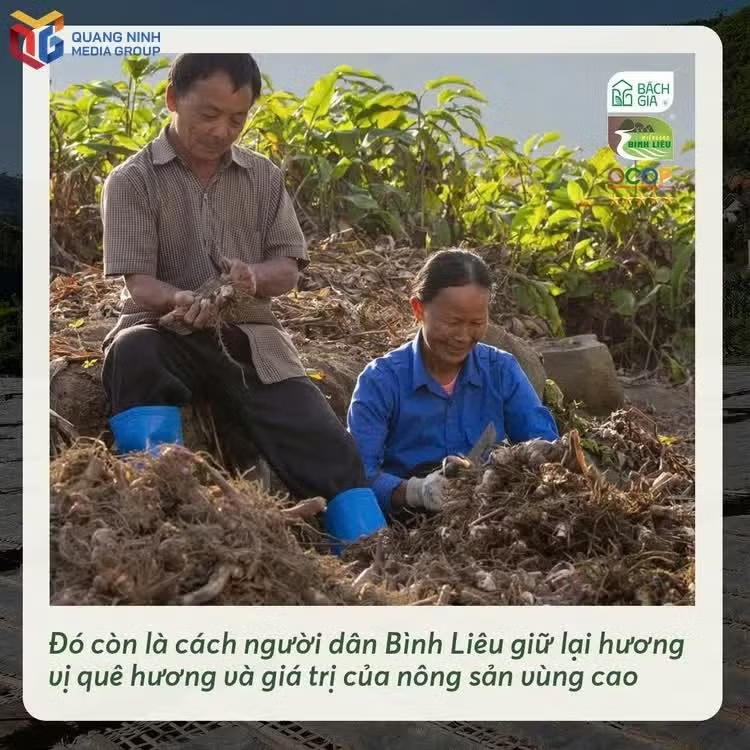
This approach helps producers such as Binh Lieu Trading and Services Joint Stock Company proactively introduce their products while giving customers an opportunity to learn more about their origin and processing methods before making a choice. Digital technology has therefore become a bridge enabling local specialities to move beyond familiar markets and reach more customers through online sales channels. Alongside product quality and standardised production, stories about the land, people and vermicelli-making craft help strengthen brand value, so that each package reaching consumers carries both its distinctive flavour and the pride of Binh Lieu people.
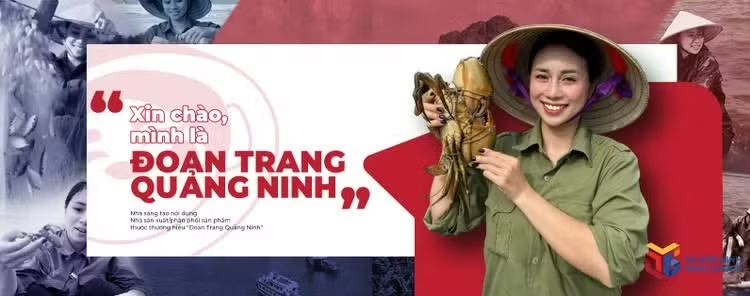
With nearly 174,000 followers, the “Doan Trang Quang Ninh” channel attracts attention through videos depicting the everyday lives of coastal communities. Videos following the harvesting of peanut worms, squid fishing, snail catching and jellyfish processing have received millions of views and interactions. Their appeal does not come from elaborate production techniques, but from vivid images of fishermen’s working lives, distinctive products from Quang Ninh’s coastal waters and the way these products reach the dining table. These stories, told through familiar images, help local products reach beyond their traditional markets while giving viewers a better understanding of product origins, the labour involved and the distinctive features of local cuisine. They also provide a foundation for further linking local products with consumption, experiential tourism and promotion of Quang Ninh’s image.
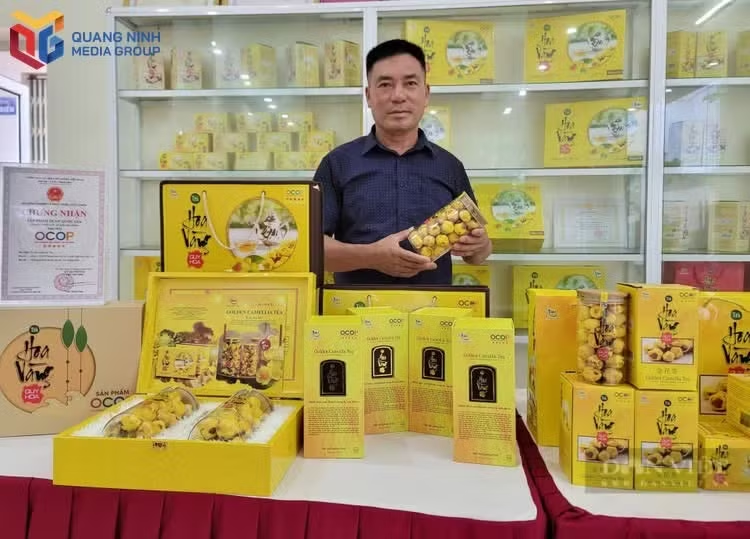
The story of agricultural products becomes even more convincing when the values being promoted can be verified through specific and transparent information. At Quy Hoa Trading, Services and Import-Export Co., Ltd. in Duong Hoa commune, alongside the story of a beverage with high medicinal value, more than 200 yellow camellia trees supplying raw materials have been fitted with QR codes storing information on plant varieties, age, flowering periods and cultivation processes. With a simple scan on a mobile phone, users can access this information and gain a clearer understanding of each tea plant’s growth journey before it becomes a commercial product.
Deputy Director Pham Van Gia said that for the business, digitising data both supports monitoring of cultivation processes and helps make the origin of raw materials more transparent, giving customers additional grounds for confidence in choosing the product. This is also an important criterion for reaching demanding overseas markets.
Opening new paths for agricultural products in the digital environment
With diverse ecological zones ranging from mountains, midlands and plains to coastal and island areas, Quang Ninh has a rich variety of local products with distinctive characteristics. Each product carries its own flavour, reflecting natural conditions, production experience and community culture. These are valuable resources for brand building and creating differentiation for agricultural products. However, in a competitive market, quality alone is no longer enough to ensure stable outlets. Consumers are increasingly concerned about origin, production processes, safety and brand reputation. Telling the story behind a product is therefore also a way for producers to clarify its distinctive value and give customers more grounds on which to make their choices.
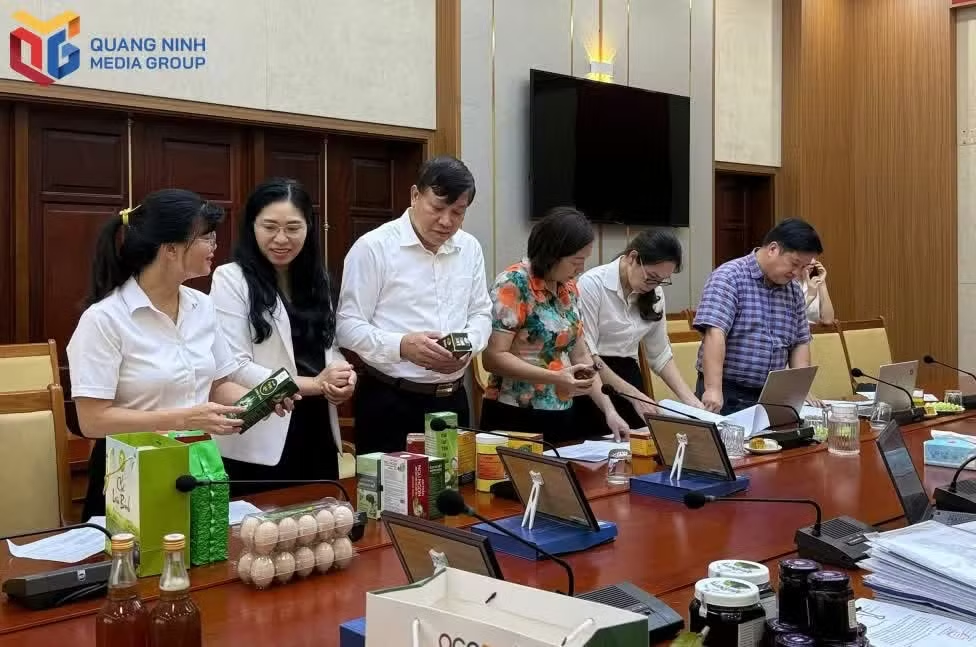
In recent years, Quang Ninh has encouraged production establishments, cooperatives and businesses to renew their promotional methods, linking brand building with quality improvement. The One Commune, One Product (OCOP) programme has contributed to standardising production processes, improving quality, refining packaging and labelling, and shaping brands for Quang Ninh’s distinctive local products. This provides an important foundation for each product to better affirm its own value and tell the story of the land, raw materials, production methods and dedication of those who make it. To date, the city has 439 OCOP products rated three stars or higher, including 16 five-star products, 97 four-star products and 326 three-star products. These results provide a foundation for local specialities to improve competitiveness, expand markets and bring local values closer to consumers.
Alongside brand building, the city is also focusing on equipping producers with digital skills and supporting the promotion and sale of agricultural products online. Training courses focus on the use of social media, livestream sales, order processing, cashless payments and logistics connectivity. Since the beginning of the year, farmers’ associations at all levels have provided digital knowledge and skills to 54,670 member participations and farmers, while supporting nearly 2,500 members in opening accounts on e-commerce platforms. Association branches have also provided guidance on the use of smart devices and the application of artificial intelligence in production, promotion and agricultural product sales.
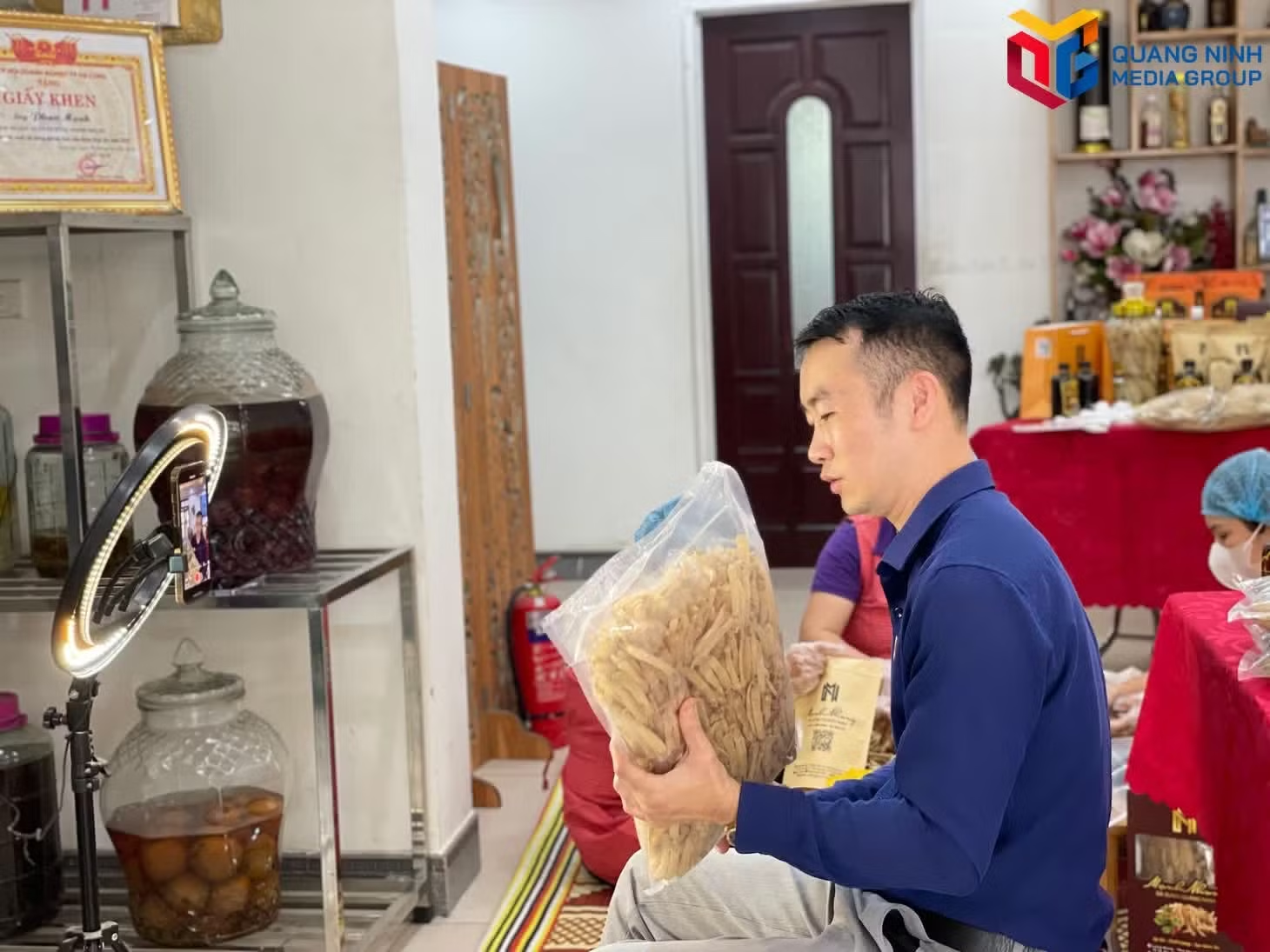
In late July, Quang Yen ward authorities organised their first livestream to introduce and promote Tien An chewy and soft custard apples. The programme attracted a large audience and received numerous interactions and shares from local people. Many online orders were placed, including one farming household that received an order for as much as 200kg of custard apples. Just one week later, almost all orchards and households in Quang Yen had sold out.
Alongside bringing agricultural products onto digital commerce platforms, origin transparency is an important link in the process of building trust. The city’s QR code-based system for transparent information and traceability of agricultural and food products has issued 1,387 accounts, including 290 management accounts and 1,097 accounts for production and business establishments, while managing 2,689 QR-coded products. With a simple scan, consumers can access origin information, learn more about the production journey and understand the distinctive characteristics of each product. This also provides a basis for producers to strengthen quality management and improve transparency in business operations.